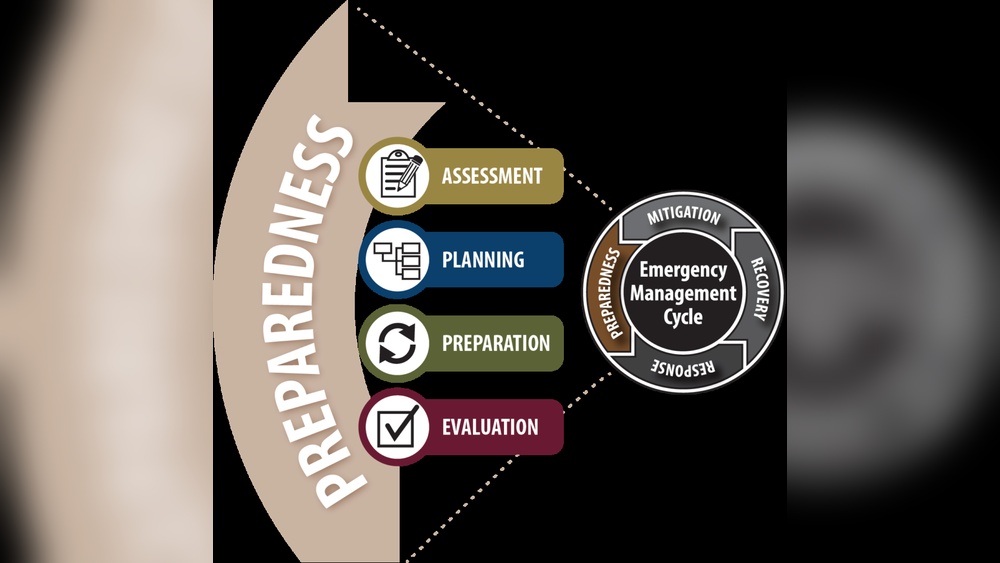

Are you ready to face emergencies with confidence? Whether it’s a natural disaster, a health crisis, or any unexpected event, your ability to respond quickly and effectively can make all the difference.
That’s exactly why an Emergency Preparedness Response Course is essential for you. This course will equip you with the practical skills and clear knowledge needed to stay calm, act fast, and protect yourself and others when every second counts. Keep reading to discover how this training can empower you to handle any crisis with confidence and care.
Course Overview
The Emergency Preparedness Response Course offers essential training for handling crises effectively. It equips learners with knowledge and skills needed to respond quickly to emergencies. The course covers a wide range of scenarios, including natural disasters, accidents, and other urgent situations.
Participants gain practical experience through interactive lessons and real-life simulations. This approach ensures readiness and confidence during actual emergency events. The course content is designed to be clear and straightforward for easy understanding.
Purpose And Goals
This course aims to prepare individuals to act swiftly and safely in emergencies. It focuses on teaching how to reduce risks and manage hazards. Learners understand the roles and responsibilities during crisis situations.
The goal is to build a strong foundation in emergency response techniques. Students learn communication, coordination, and problem-solving skills. The training also promotes teamwork and leadership under pressure.
Target Audience
The course suits first responders, healthcare workers, and emergency managers. It also benefits volunteers and community leaders involved in disaster preparedness. Anyone interested in gaining emergency response skills will find the course useful.
It is ideal for people working in public safety, healthcare, education, and government. The training helps individuals improve their ability to protect themselves and others. No prior experience is required, making it accessible for beginners.
Core Skills Covered
The Emergency Preparedness Response Course teaches vital skills for urgent situations. These core skills prepare individuals to act quickly and effectively during emergencies. The course covers essential techniques to save lives, manage large groups of injured people, and identify dangers early. Each skill is designed to build confidence and competence in high-pressure scenarios.
Life-saving Techniques
Students learn how to perform CPR and basic first aid. The course covers wound care, bleeding control, and airway management. These techniques help stabilize victims before professional help arrives. Quick actions can prevent deaths and serious injuries. Practice drills improve reaction time and skill accuracy.
Mass Casualty Management
Handling many injured people at once is challenging. The course teaches how to prioritize care based on injury severity. Triage methods ensure the most critical patients get help first. Participants learn to organize resources and communicate clearly. Efficient management reduces chaos during large-scale emergencies.
Hazard Recognition
Identifying potential threats early saves lives. The course trains students to spot chemical, biological, and physical hazards. Recognizing risks helps avoid further harm and contamination. Awareness of surroundings supports better decision-making. This skill protects both responders and victims during incidents.
Training Formats
Emergency Preparedness Response Courses come in various training formats. These formats help learners gain essential skills effectively. Each format offers unique benefits suited to different learning styles.
Classroom Workshops
Classroom workshops provide direct interaction with instructors. Participants learn through lectures and group discussions. This format allows immediate feedback and clarification. It suits learners who prefer face-to-face communication. Workshops cover theory and important emergency protocols clearly.
Practical Exercises
Practical exercises focus on hands-on training. Learners practice real-life emergency scenarios actively. These drills build confidence and muscle memory. Exercises include first aid, evacuation, and communication drills. This training format ensures skills are ready for actual emergencies.
Virtual Reality Sessions
Virtual reality sessions offer immersive learning experiences. Trainees enter simulated emergency environments safely. VR helps improve decision-making under pressure. It allows repetition without risk or resource use. This modern format engages learners through interactive technology.
Credit: www.stuvia.com
Response Strategies
Response strategies form the backbone of any Emergency Preparedness Response Course. They guide how teams act during crises and help minimize damage and loss. Clear, well-planned strategies improve coordination and speed up aid delivery. These strategies cover all types of emergencies, from natural disasters to human-made threats.
All-hazards Incident Response
All-hazards incident response prepares responders for any emergency type. It involves flexible plans that adapt to different situations. Teams learn to assess risks quickly and act with precision. Communication is key to coordinating efforts among agencies and volunteers. This approach ensures readiness for fires, floods, chemical spills, and more.
Terrorism And Disaster Preparedness
Training includes handling terrorism and disaster events with care and speed. Responders gain skills to identify threats and protect public safety. They practice evacuation, containment, and medical aid procedures. This focus helps reduce panic and save lives during attacks or disasters. Awareness of potential threats sharpens decision-making under pressure.
Recovery And Prevention
Response strategies also emphasize recovery and prevention after emergencies. Teams work on restoring services and supporting affected communities. They analyze incidents to prevent future occurrences. Prevention includes public education and infrastructure improvements. This stage closes the emergency cycle and builds safer environments.
Certification And Assessment
Certification and assessment play a vital role in any Emergency Preparedness Response Course. They ensure learners acquire the necessary skills to act confidently during emergencies. These processes verify knowledge before and after training and maintain readiness over time. Clear evaluation methods help trainers measure progress and identify areas needing improvement. They also guarantee that responders meet required standards for safety and effectiveness.
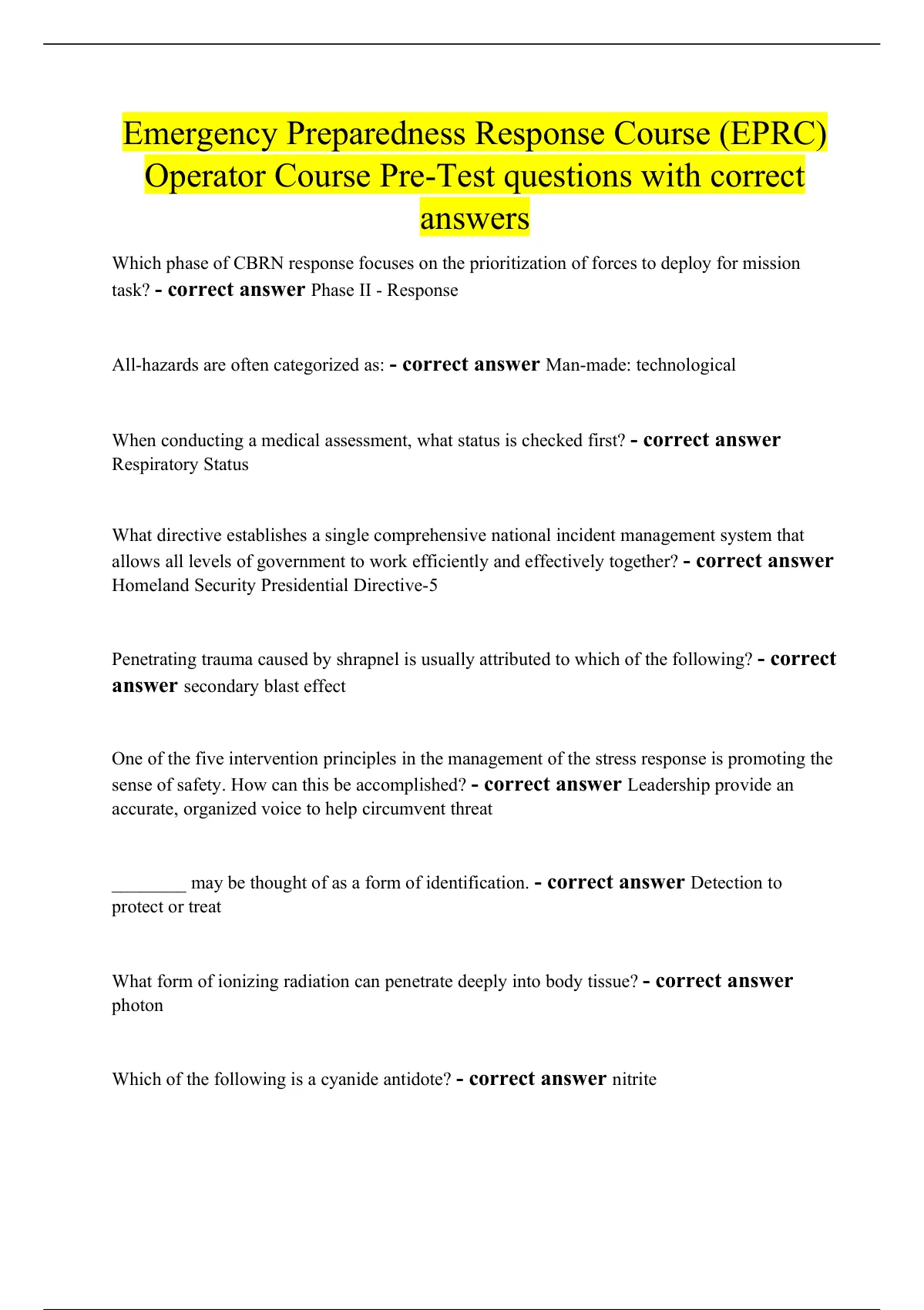
Pre-test And Post-test
The pre-test checks your current knowledge of emergency procedures. It highlights what you already know and what needs focus. After the course, the post-test measures what you have learned. Comparing both tests shows your improvement. This helps trainers see if the course content is effective. It also motivates learners to engage fully with the material.
Refresher Training
Skills can fade without practice. Refresher training repeats key concepts to keep knowledge fresh. It updates responders on new techniques and protocols. Regular refreshers prepare participants to act quickly and correctly. This training supports long-term readiness for any emergency. It often includes drills and scenarios to build confidence.
Certification Benefits
Certification proves you have the skills to respond safely. It builds trust with employers and the community. Certified responders may have better job prospects and career growth. Certification also meets legal and organizational requirements. It assures that responders follow best practices. This recognition encourages continuous learning and skill development.
Credit: ehs.gmu.edu
Course Providers
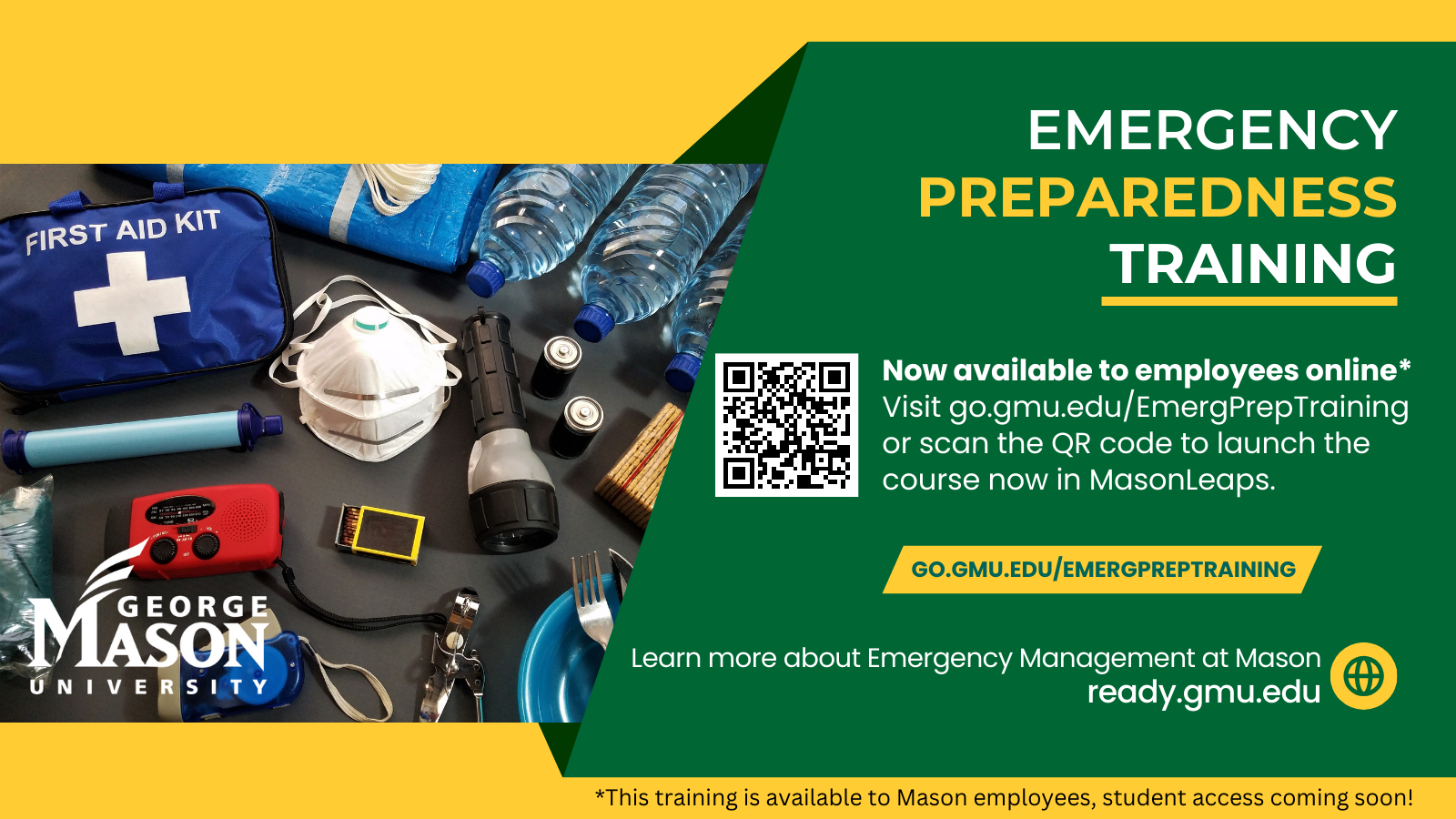
Emergency Preparedness Response Courses are offered by various organizations. These providers ensure individuals gain essential skills for crisis situations. Understanding who offers these courses helps you find reliable training close to home or online.
Government Agencies
Government agencies play a key role in emergency training. Agencies like FEMA provide courses to prepare responders and the public. Their programs cover natural disasters, terrorism, and health emergencies. Training is often free or low-cost. They use clear guidelines and up-to-date information. This ensures learners receive trusted and practical knowledge.
Healthcare Organizations
Healthcare organizations offer specialized emergency response training. Hospitals and clinics train staff to handle medical crises effectively. Courses focus on patient care during disasters and mass casualty events. These providers tailor lessons to healthcare needs. They emphasize quick decision-making and teamwork. This training helps save lives in emergencies.
Community Training Centers
Community centers provide accessible emergency preparedness courses for everyone. They often partner with local authorities to deliver training. Classes include first aid, evacuation plans, and communication skills. These centers create a safe learning space for all ages. Their courses boost community resilience. They help neighbors support each other in crises.
Practical Applications
The Emergency Preparedness Response Course offers essential skills for immediate action. It teaches how to apply knowledge in real situations. Learners gain hands-on experience to handle emergencies confidently. Practical applications ensure readiness for unexpected events. The training builds strong foundations for effective response and recovery.
Real-world Scenarios
Participants practice responding to realistic emergency situations. These scenarios simulate natural disasters, accidents, and hazardous events. Trainees learn to assess risks quickly and act decisively. This experience improves decision-making under pressure. It prepares responders to face challenges calmly and effectively.
Mass Casualty Incident Support
The course trains individuals to manage large-scale emergencies involving many victims. Skills include triage, resource allocation, and communication. Responders learn to prioritize care and coordinate teams. This training reduces chaos and saves more lives. It equips responders to work efficiently during critical moments.
Collaborative Response
Emergency response requires teamwork across multiple agencies. The course emphasizes coordination among firefighters, medical staff, and law enforcement. Participants practice sharing information and resources. They develop trust and clear communication skills. This collaboration strengthens overall emergency management efforts.
Credit: news.delta.ncsu.edu
Enrollment And Access
Enrolling in an Emergency Preparedness Response Course is the first step toward readiness. Understanding how to register and access the course helps learners start quickly and smoothly. Access options vary to fit different needs and schedules. Participants can choose from several formats and locations. This flexibility ensures training is available to many people.
Registration Process
Registering for the course is simple and straightforward. Most programs offer an online sign-up form. Fill in personal details and contact information. Some courses may require proof of eligibility or prerequisites. After registration, participants receive confirmation and course details by email. Early registration is advised to secure a spot.
Training Locations
Training takes place in multiple locations to serve diverse communities. Common venues include community centers, fire stations, and public safety offices. Locations are chosen to be accessible and equipped for hands-on learning. Some courses rotate locations to reach more people. Check the course website for the nearest training center.
Online Vs In-person Options
Courses offer both online and in-person learning choices. Online classes provide flexibility and convenience. Learners can study from home at their own pace. In-person sessions offer practical exercises and direct interaction with instructors. Both formats cover the same essential skills and knowledge. Choose the option that best fits your schedule and learning style.
Frequently Asked Questions
What Is An Emergency Preparedness Response Course?
An Emergency Preparedness Response Course teaches skills to handle disasters and emergencies. It covers prevention, response, recovery, and safety protocols to protect lives and property.
Who Should Take The Emergency Preparedness Response Course?
This course is ideal for first responders, healthcare workers, emergency managers, and community leaders. Anyone involved in disaster response or public safety benefits from this training.
How Long Is The Emergency Preparedness Response Course?
Course duration varies but typically ranges from a few hours to several days. It includes practical exercises and theoretical lessons to ensure comprehensive understanding.
What Topics Are Covered In This Course?
Key topics include hazard recognition, emergency protocols, communication strategies, incident management, and recovery operations. The course prepares individuals for all-hazard incidents.
Conclusion
Taking an Emergency Preparedness Response Course builds critical skills fast. It helps you stay calm and act wisely during crises. Knowing what to do can save lives and reduce damage. Training also boosts confidence to handle unexpected events. Everyone benefits from learning these important safety steps.
Being ready means protecting yourself, family, and community better. Start preparing today to face emergencies with strength and care.