Imagine facing an unexpected disaster without the right tools at your fingertips. Could you handle it?
Your safety and well-being depend on how prepared you are when emergencies strike. That’s why having a well-stocked emergency kit isn’t just smart—it’s essential. You’ll discover exactly what an emergency kit should include to keep you and your loved ones safe.
You’ll learn how to build your own kit or choose the best pre-made option, so when disaster hits, you’re ready to act quickly and confidently. Don’t wait for a crisis to find out what you need—start preparing your emergency kit today and take control of your safety.

Credit: www.nia.nih.gov
Kit Basics
Preparing an emergency kit is a vital step in disaster readiness. A well-packed kit supports survival during unexpected events. Focus on simple, essential items that cover basic needs. Quality over quantity matters most. Keep your kit easy to carry and access quickly.
Water And Food
Water is the top priority in any emergency kit. Store at least one gallon per person daily. Pack non-perishable food with high energy. Choose items like canned goods, granola bars, and dried fruit. Rotate supplies regularly to keep them fresh. Avoid foods that need refrigeration or cooking.
First Aid Essentials
A basic first aid kit can treat minor injuries effectively. Include bandages, antiseptic wipes, and adhesive tape. Pack pain relievers, tweezers, and scissors. Add any personal medications and allergy treatments. Keep instructions for emergency care inside the kit. Check supplies often and replace used or expired items.
Lighting And Batteries
Reliable light sources are critical during power outages. Pack flashlights or headlamps with extra batteries. Consider LED lights for longer battery life. Include glow sticks as a safe, temporary light source. Store batteries separately in a waterproof container. Test all lights before placing them in the kit.
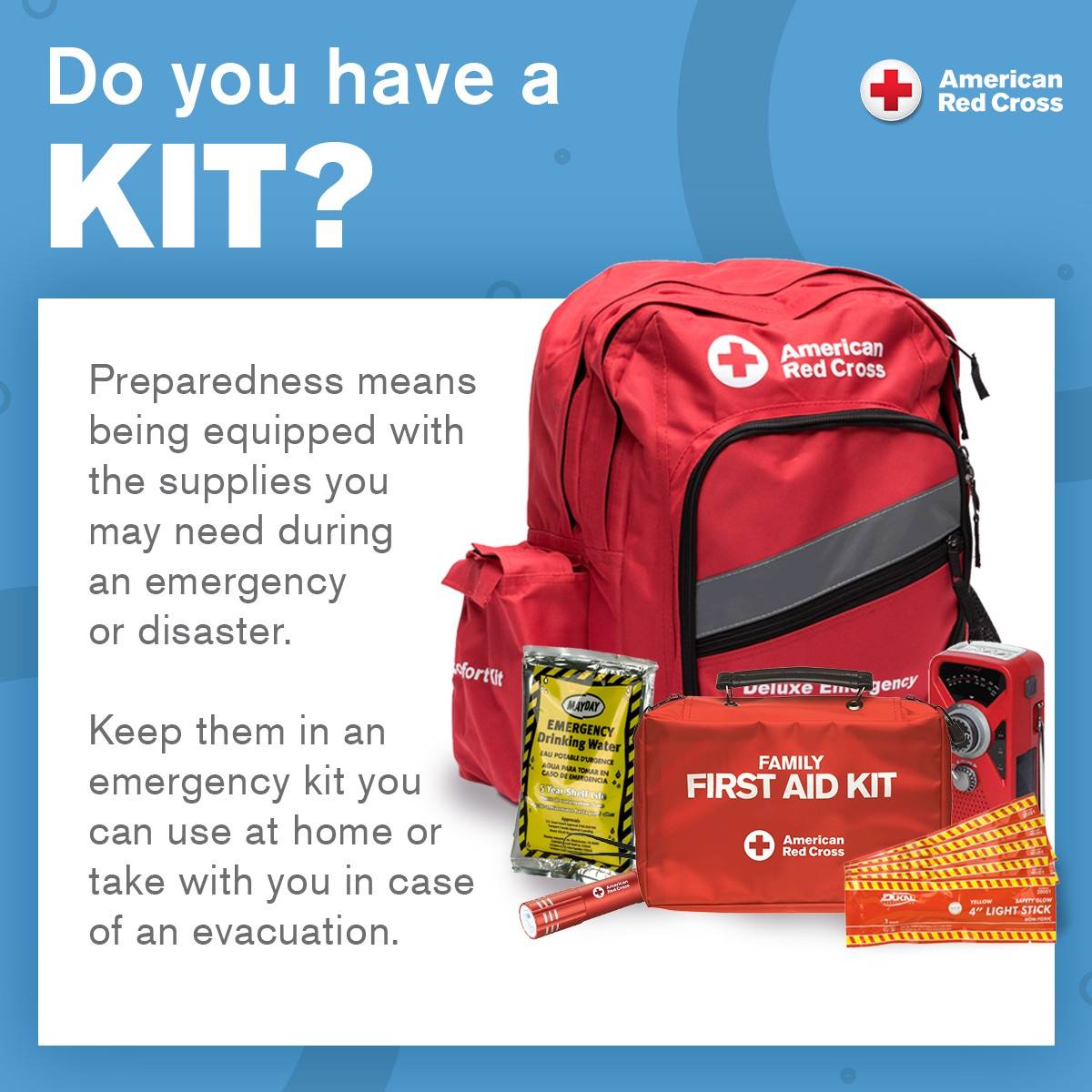
Credit: www.redcross.org
Safety And Hygiene
Safety and hygiene are crucial during any disaster. They help prevent illness and keep you comfortable. Maintaining cleanliness reduces health risks from germs and bacteria. Having the right supplies in your emergency kit ensures you stay protected.
Sanitation Supplies
Sanitation supplies stop the spread of germs. Include items like disinfectant wipes and hand sanitizer. Pack trash bags to dispose of waste safely. Portable toilet options can be helpful. Keep extra gloves for handling dirty items. Clean surroundings reduce infection risks and promote health.
Personal Hygiene Items
Personal hygiene items keep your body clean and healthy. Add soap and shampoo for washing. Toothbrush and toothpaste are essential for oral care. Include feminine hygiene products for women. Pack moist towelettes for quick cleaning without water. Staying clean supports comfort and mental well-being during emergencies.
Clothing And Comfort
Clothing and comfort are vital parts of any emergency kit. They protect you from harsh weather and help you stay calm during disasters. Proper clothing prevents illnesses caused by cold or wet conditions. Comfort items ease stress and improve rest. Prepare your kit with items that keep you warm, dry, and comfortable for several days.
Warm Blankets And Sleeping Bags
Warm blankets and sleeping bags are essential for staying cozy. Choose materials that retain heat well, like wool or thermal fabrics. Sleeping bags should be lightweight, compact, and rated for low temperatures. These items help maintain body heat during cold nights or if you must sleep outdoors. Pack extra blankets in case of extended emergencies.
Change Of Clothes And Footwear
A change of clothes keeps you dry and fresh. Include moisture-wicking shirts and durable pants. Avoid cotton as it holds moisture and cools the body. Pack waterproof jackets to protect from rain. Comfortable, sturdy footwear is important to prevent injuries. Choose shoes that fit well and are suitable for rough terrain. Extra socks help avoid blisters and keep feet dry.
Communication Tools
Communication tools are vital in any emergency kit. They help you stay informed and connected during disasters. Power outages and network failures make regular communication tough. Special tools ensure you receive alerts and contact help if needed. Preparing these items increases your safety and peace of mind.
Radios And Signal Devices
Radios keep you updated with emergency broadcasts. Choose a weather radio with NOAA alerts. Hand-crank or solar-powered radios work without batteries. Signal devices like whistles and flares attract attention. They help rescuers find you in hard-to-reach places. Keep these tools easily accessible in your emergency kit.
Backup Batteries And Chargers
Backup batteries power your radios and phones. Carry extra batteries for all devices. Portable chargers and power banks recharge phones on the go. Solar chargers use sunlight to restore power. Keeping charged devices ready ensures communication lines stay open. Replace and test batteries regularly to avoid surprises.
Special Needs Items
Special needs items are vital for disaster preparedness. These items ensure comfort and safety for individuals with specific health requirements. Including them in your emergency kit helps maintain well-being during emergencies. Planning ahead can prevent serious issues and ease stress in difficult times.
Eyeglasses And Hearing Aids
Eyeglasses are essential for clear vision. Keep an extra pair in your emergency kit. Store cleaning supplies and cases to protect them from damage. Hearing aids require batteries and proper care. Pack spare batteries and a small container for safe storage. Regularly check these items to ensure they work properly.
Medications And Prescriptions
Medications must be included in emergency kits. Carry a supply that lasts several days or weeks. Store medicines in labeled containers for easy identification. Include copies of prescriptions and doctor contact information. Keep medications in a waterproof bag to avoid damage. This preparation helps manage health conditions during disasters.
Additional Survival Gear
Additional survival gear enhances your emergency kit’s usefulness. It prepares you for situations beyond basic needs. These tools help with food, shelter, and safety. Small, durable items can make a big difference in a crisis.
Manual Can Opener
A manual can opener is vital for opening canned food. Electric openers need power, which may not be available. This simple tool works without batteries or electricity. It ensures access to stored food anytime. Choose a sturdy, easy-to-use model. A good can opener saves time and effort in emergencies.
Multi-tools And Knives
Multi-tools combine several functions in one compact device. They often include pliers, screwdrivers, scissors, and knives. These tools save space and increase versatility. A sharp knife is essential for cutting and preparing food. It also helps with shelter building and first aid. Select multi-tools made from strong, rust-resistant materials. Keep them clean and ready for use.
Kit Maintenance
Ready-made emergency kits offer a quick and reliable way to prepare for disasters. These kits come packed with essential supplies for survival. They save time and ensure you have the basics covered. Ready-made kits suit beginners and those wanting convenience. Each kit varies in size and contents depending on needs and risks.
Top Brands And Options
Several top brands provide quality emergency kits. MyPatriotSupply offers affordable kits with long-lasting food and water. LifeSecure kits focus on medical supplies and survival tools. Preppi delivers well-rounded kits with advanced gear. Harbor Freight Tools and Walmart offer budget-friendly options for basic needs. Home Depot stocks a wide range of kits, from simple to comprehensive. Consider the kit size and included items before buying.
Customizing Preassembled Kits
Preassembled kits provide a solid foundation for disaster readiness. Customizing these kits helps fit personal needs and local risks. Add extra water or food for longer emergencies. Include specific medications or comfort items for family members. Check expiration dates and replace used or outdated supplies. Label items clearly to find them quickly during an emergency. Customization ensures your kit remains practical and useful.
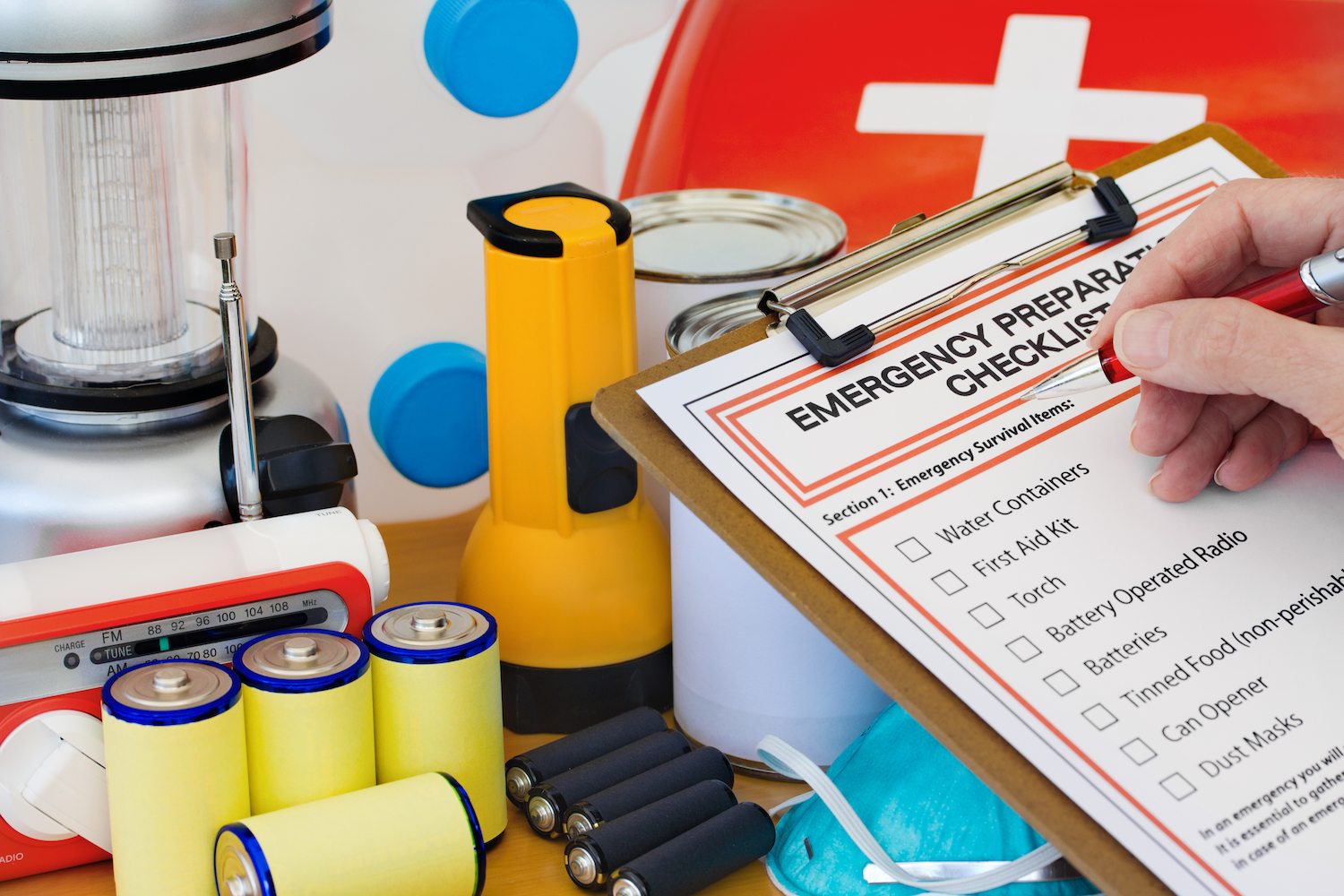
Credit: www.emergencyfirstresponse.com
Ready-made Kits
Proper storage of emergency kits is crucial for disaster preparedness. Kits must be easy to reach and protected from damage. Organize supplies so they stay in good condition. Regular checks help keep items usable and ready.
Best Locations At Home
Store emergency kits in places everyone knows. Common spots include the kitchen, hallway closet, or garage. Avoid areas that get too hot or damp. Keep kits off the floor to prevent water damage. Choose a central location to reach quickly.
Portable Kit Solutions
Use backpacks or sturdy containers for portable kits. These allow easy transport during evacuation. Label kits clearly for quick identification. Include lightweight items to reduce carrying burden. Keep smaller kits in cars or workplaces for extra safety.
Frequently Asked Questions
What Are 10 Items In An Emergency Kit For A Natural Disaster?
Ten essential items for a natural disaster emergency kit include water, non-perishable food, flashlight, batteries, first aid kit, multi-tool, whistle, blankets, personal documents, and hygiene supplies.
What Are The 10 Essential Survival Kit Items?
The 10 essential survival kit items include water, food, first aid kit, flashlight, multi-tool, fire starter, emergency blanket, whistle, map, and communication device.
What Are The 5 Essentials For An Emergency Kit?
The 5 essentials for an emergency kit include water, non-perishable food, first aid supplies, a flashlight, and batteries. Keep important documents and a multi-tool handy. These items ensure safety and readiness during disasters.
What Are 20 Items In A Survival Kit?
A survival kit typically includes water, food, first aid kit, flashlight, batteries, multi-tool, matches, whistle, blanket, rope, knife, compass, sunscreen, gloves, mask, signaling mirror, tarp, radio, and sanitation supplies.
Conclusion
Preparing an emergency kit saves lives during disasters. Keep essential items ready and check them regularly. Choose supplies that fit your family’s needs and local risks. Simple steps today bring peace of mind tomorrow. Stay safe by being prepared and acting quickly.
Every small effort counts in a crisis. Start building your kit now for better readiness.