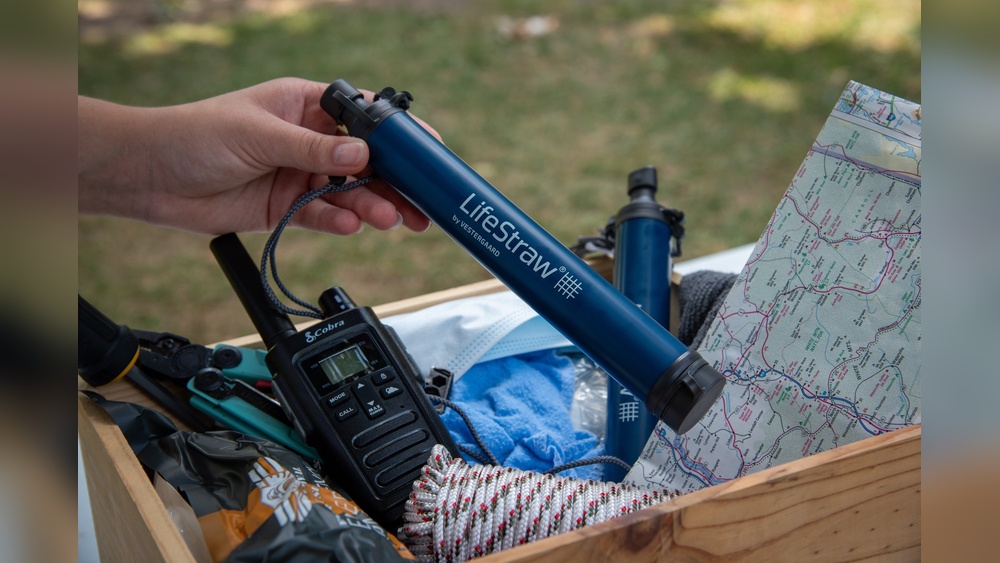

When disaster strikes, clean water becomes your most precious resource. You might not realize it now, but having a reliable water filter ready can make all the difference between staying safe and facing serious health risks.
Imagine being in a situation where tap water is contaminated or unavailable—how will you ensure your family stays hydrated and healthy? This guide on water filters for emergency preparedness will help you choose the right tools to secure your water supply when it matters most.
Keep reading to discover simple, effective options that fit your needs and give you peace of mind in any crisis.
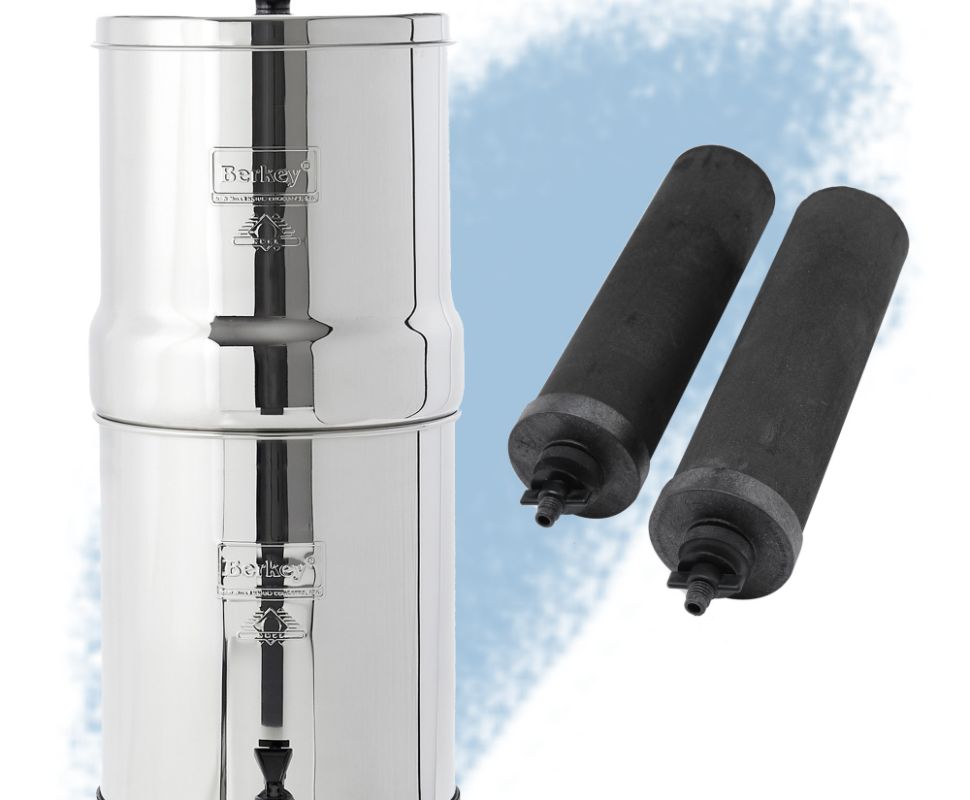
Credit: www.usaberkeyfilters.com
Why Water Filters Matter
Choosing the right water filter is crucial for emergency preparedness. Different filters remove different contaminants. Understanding each type helps you pick the best option for safe drinking water. Here are the main types of water filters used in emergencies.
Mechanical Filters
Mechanical filters physically remove particles from water. They trap dirt, sand, and other debris. These filters often use a mesh or ceramic material. Mechanical filters do not remove chemicals or viruses. They work well for murky water that has visible impurities. These filters are simple and easy to use.
Chemical Purifiers
Chemical purifiers kill bacteria and viruses in water. Common chemicals include iodine and chlorine. They are lightweight and portable. Chemical purifiers can leave a taste or odor in the water. They require time to work, usually 30 minutes or more. Ideal for treating clear water with biological threats.
Ultraviolet Filters
Ultraviolet filters use UV light to destroy microorganisms. They disrupt bacteria, viruses, and protozoa DNA. UV filters need clear water for best results. They are battery-operated or rechargeable. These filters work fast, often within minutes. They do not remove chemicals or particles.
Reverse Osmosis Systems
Reverse osmosis systems push water through a fine membrane. This membrane removes most contaminants, including salts and chemicals. RO systems produce very clean water. They are larger and require more maintenance. These systems are suitable for long-term emergency setups. They need power or manual pumping to work.

Credit: www.amazon.com
Types Of Water Filters
Water safety is crucial during emergencies. Clean water helps prevent illness and keeps you healthy. Besides using water filters, follow these extra tips. They ensure safe drinking water and prepare you for any situation.
Safe Water Storage
Store water in clean, food-grade containers. Keep containers sealed tightly to avoid contamination. Store water in a cool, dark place. Replace stored water every six months. Label containers with the date of storage. Use small containers for easier handling and quick access.
Alternative Water Sources
Identify natural water sources near you. Rivers, lakes, and rainwater can be useful. Avoid stagnant water, as it often contains harmful bacteria. Collect rainwater using clean containers or tarps. Always treat water from these sources before drinking. Boiling or filtering removes most contaminants.
Emergency Hydration Strategies
Drink small amounts regularly to stay hydrated. Avoid sugary or caffeinated drinks that dehydrate you. Use water purification tablets if filters are unavailable. Carry portable water bottles with built-in filters. Ration water carefully but do not limit intake too much. Remember, staying hydrated supports your body’s function in emergencies.

Credit: www.amazon.com
Frequently Asked Questions
What Is The Best Water Filter System For Emergencies?
The best emergency water filter systems include LifeStraw, Sawyer Mini, and Katadyn Hiker Pro. They offer reliable, portable, and easy-to-use filtration for safe drinking water during crises. Choose based on capacity, filtration type, and budget to ensure effective emergency preparedness.
Do Emergency Water Filters Work?
Emergency water filters work effectively by removing bacteria, protozoa, and debris from water. They ensure safer drinking water during emergencies. Quality filters also reduce chemicals and viruses, depending on the model. Always choose trusted brands and follow instructions for optimal performance and safety.
What Is The Best Way To Filter Water For Survival?
Use a portable water filter like LifeStraw or Sawyer Mini for survival. Boil water afterward to kill viruses. Combine filtration with purification tablets for best safety. Carry lightweight, reliable filters for emergency preparedness. Always filter before drinking to avoid waterborne diseases.
How To Filter Water In An Emergency?
Boil water for at least one minute to kill germs. Use portable filters or purification tablets if available. Avoid cloudy water and strain large particles first.
Conclusion
Choosing the right water filter can save lives during emergencies. Clean water keeps you healthy and strong. Test your filter before an emergency strikes. Store extra filters and replacement parts nearby. Stay prepared by learning how to use your filter well.
Water filters are small but powerful tools for survival. Don’t wait to protect your family’s water supply today. Simple steps now prevent bigger problems later.