When disaster strikes, will you be ready to protect yourself and your loved ones? Emergency preparedness isn’t just for experts—it’s something you can start right now, no matter where you live.
By taking simple, practical steps, you can make sure you have a clear plan and the right supplies when unexpected events happen. This guide will walk you through easy-to-follow tips that cover everything from creating your emergency plan to building a survival kit tailored to your needs.
Don’t leave your safety to chance—discover how a little preparation today can make all the difference tomorrow. Read on to learn how to stay safe, calm, and in control when it matters most.
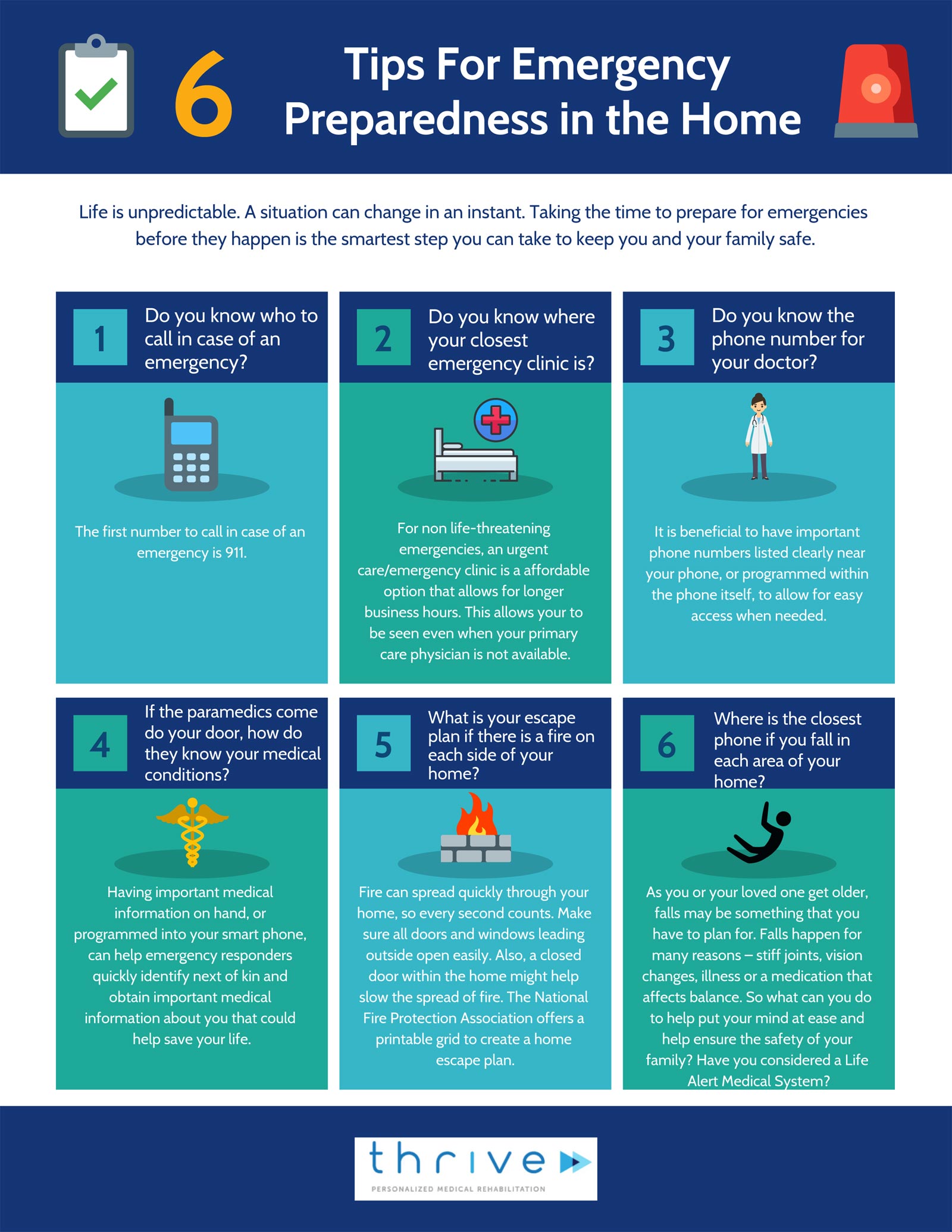
Credit: thriveahead.com
Assess Risks
Assessing risks is the first step to prepare for emergencies effectively. Knowing potential dangers helps you plan better and act quickly. It reduces surprises during a crisis and keeps your family safe. Understanding risks means examining your surroundings and home carefully. This step forms the base of your emergency plan.
Identify Local Hazards
Start by learning what disasters can happen near you. Check if floods, fires, earthquakes, or storms are common in your area. Use local government websites or emergency management offices for reliable info. Ask neighbors or community centers about past incidents. Knowing these hazards helps you focus on specific safety measures. It also guides you to prepare the right supplies and plans.
Evaluate Home Vulnerabilities
Look at your home for weak spots that hazards might affect. Check if your house is strong against wind, water, or fire. Inspect doors, windows, and the roof for damage or poor condition. Find areas where water might enter during floods. Secure heavy furniture and appliances to prevent injuries during shakes. Identify any hazards inside, like gas leaks or faulty wiring. Fixing these issues reduces risk and improves safety.
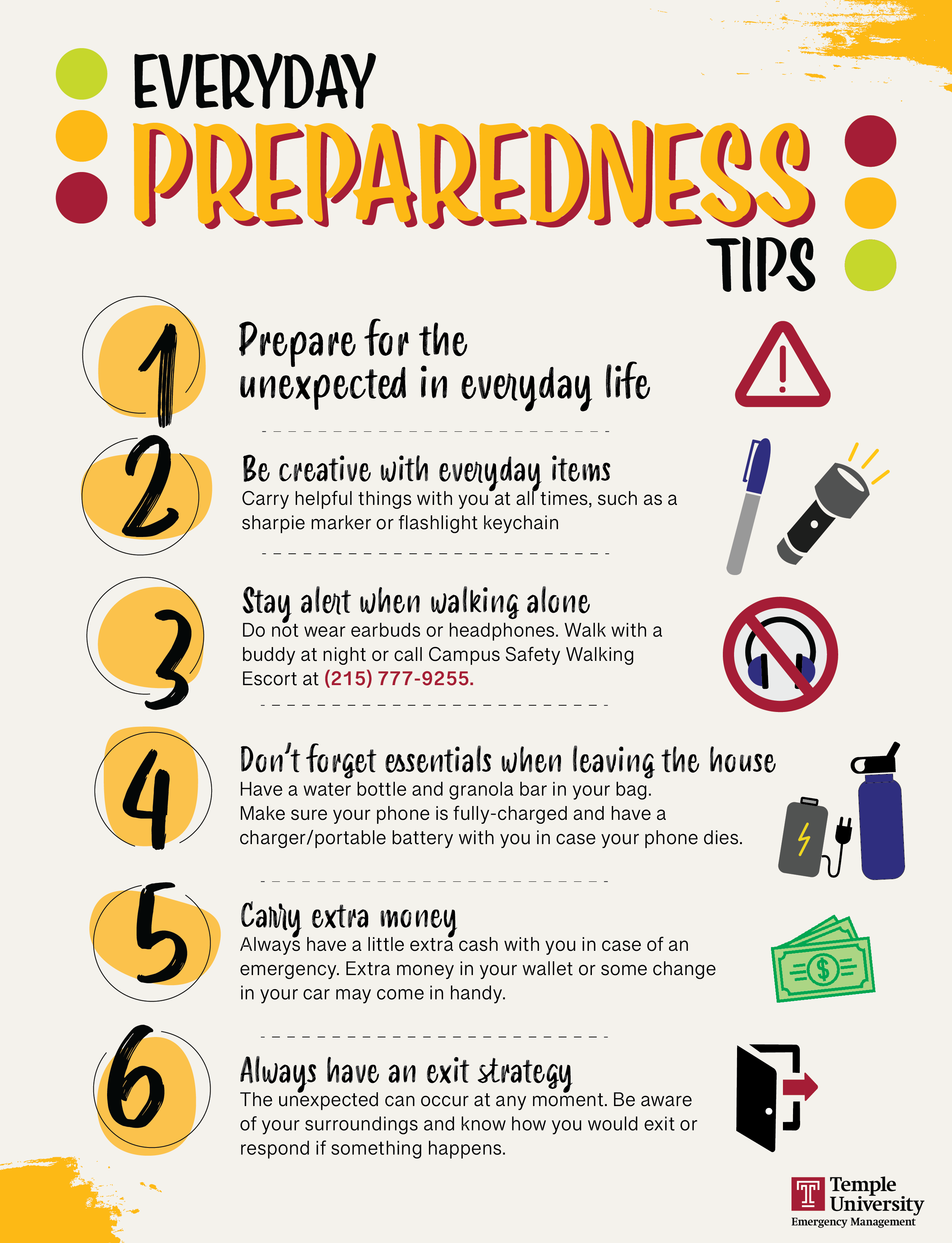
Credit: campusoperations.temple.edu
Create Family Plan
Creating a family emergency plan is a key step in staying safe during disasters. It helps everyone know what to do and where to go. A clear plan reduces stress and confusion in tough times. Each family member should understand their role and the steps to take. This plan should be simple and easy to remember. Regular updates keep it ready for any situation.
Set Communication Methods
Choose how your family will stay in touch during emergencies. Decide on phone calls, text messages, or social media. Pick one main way and a backup method. Share emergency contacts with everyone. Include an out-of-town contact as a central point. Keep a list of numbers written down. Test your communication plan often to ensure it works.
Designate Meeting Spots
Pick safe places for your family to meet if separated. Choose one near your home and another outside your neighborhood. Make sure all family members know these locations. The spots should be easy to find and safe. Practice going to these meeting points together. Clear meeting places help families reunite quickly and calmly.
Practice Evacuation Routes
Plan how to leave your home quickly and safely. Identify more than one way out from each room. Look for paths that avoid hazards like fire or flood zones. Walk or drive these routes with your family. Practice regularly to build confidence and speed. Knowing evacuation routes reduces panic and helps save lives.
Build Emergency Kit
Building an emergency kit is a key step in staying safe during unexpected events. This kit holds all the essentials you need for at least three days. It helps you stay prepared and calm when disaster strikes. Each item should be carefully chosen and organized for quick access.
Gather Basic Supplies
Start with water. Store one gallon per person per day. Include non-perishable food like canned goods and dry snacks. Add a first-aid kit with bandages and antiseptics. Pack a flashlight with extra batteries. Don’t forget a battery-powered or hand-crank radio. Include personal hygiene items such as soap, toothbrush, and toothpaste. Keep copies of important documents like ID and insurance papers. Add basic tools like a multi-tool and duct tape.
Include Personalized Items
Add medicines that you or family members need regularly. Pack eyeglasses or contact lenses and solution. Include baby supplies like formula and diapers if needed. Don’t forget pet food and supplies for your pets. Bring comfort items such as a favorite toy or book for children. Consider special items for elderly family members. Personalize the kit to fit your family’s unique needs.
Organize Kit Storage
Use a sturdy container like a plastic bin or backpack. Choose something easy to carry and waterproof. Keep the kit in a location everyone knows. Check and update supplies every six months. Replace expired food and batteries promptly. Label the kit clearly for quick identification. Prepare smaller kits for your car and workplace too.
Prepare Vehicle Kit
Preparing a vehicle kit is a vital step in emergency readiness. A well-stocked car kit ensures safety and comfort during unexpected situations. Keep supplies organized and accessible at all times. This kit supports you if stranded or evacuated quickly.
Essential Car Supplies
- Water bottles – at least one gallon per person per day.
- Non-perishable snacks such as granola bars or nuts.
- First aid kit with bandages, antiseptic, and pain relievers.
- Flashlight with extra batteries.
- Jumper cables for battery issues.
- Basic tools including screwdriver, wrench, and pliers.
- Blanket or emergency thermal blanket for warmth.
- Spare tire, jack, and tire iron.
- Reflective warning triangles or flares for visibility.
- Multi-purpose knife or utility tool.
- Copies of important documents in a waterproof bag.
Seasonal Additions
- Winter: Ice scraper and snow brush for windshield clearing.
- Warm gloves, hat, and extra blankets to stay warm.
- Sand or kitty litter for tire traction on ice.
- Summer: Extra water to stay hydrated in heat.
- Sunscreen and insect repellent to protect from sun and bugs.
- Hat and sunglasses for sun protection.
- Rain poncho or waterproof jacket for wet weather.
Support Special Needs
Supporting special needs is vital in emergency preparedness. Planning for those with unique requirements ensures safety and comfort. Emergencies can be stressful. Having a clear plan reduces anxiety and confusion.
Every family member deserves attention. This includes children, seniors, people with disabilities, and pets. Preparing for their specific needs makes evacuation and recovery easier.
Plan For Children And Seniors
Children and seniors may need extra help during emergencies. Create a plan that considers their physical and emotional needs. Prepare comfort items like favorite toys or blankets for children. Seniors might require medications or mobility aids. Keep a list of important medical information and contacts. Practice evacuation routes at a slow and steady pace.
Accommodate Disabilities
People with disabilities may face unique challenges during a disaster. Identify their needs early. Include necessary equipment like wheelchairs, hearing aids, or communication devices in your emergency kit. Ensure accessible transportation and shelter options. Inform emergency responders about specific disabilities. Keep backup batteries and chargers handy for electronic devices.
Care For Pets
Pets are family too and need proper care in emergencies. Prepare a pet emergency kit with food, water, and medications. Include leashes, carriers, and comfort items. Know pet-friendly shelters or hotels in your area. Keep vaccination records and identification tags updated. Plan how to transport pets safely during evacuation.
Develop Home Safety
Developing home safety is a key step in emergency preparedness. It helps protect your family and property during unexpected events. Taking simple actions now can save lives and reduce damage later.
Start by knowing how to leave your home quickly and safely. Remove anything that could cause harm or block your way. Keep a record of important items to recover after a disaster.
Identify Escape Routes
Plan at least two ways out of every room in your home. Check that doors and windows open easily. Practice these routes with your family regularly. Clear paths from furniture or clutter that might slow you down. Knowing escape routes improves your chances of getting out fast.
Remove Hazards
Look for items that could fall or break during an emergency. Secure heavy furniture to walls to prevent tipping. Keep flammable materials away from heat sources. Fix loose wires or slippery floors to avoid trips and falls. Removing hazards makes your home safer for everyone.
Document Valuables
Make a list of important belongings like electronics, jewelry, and documents. Take photos or videos as proof of ownership. Store this information in a safe place outside your home. It helps with insurance claims and recovery after a disaster. Keep copies of vital papers such as IDs and insurance policies too.
Learn Emergency Skills
Learning emergency skills boosts your confidence during crises. These skills help you act fast and save lives. Preparing ahead reduces panic and confusion.
Focus on practical skills that anyone can learn. Basic knowledge makes a big difference in emergencies. Start with essential first aid and safety equipment use.
Cpr And First Aid
CPR helps restart a person’s heartbeat and breathing. Knowing how to perform CPR can save a life. First aid treats injuries before professional help arrives.
Learn to stop bleeding, treat burns, and handle fractures. Practice these skills through certified courses. Regular refreshers keep your knowledge sharp and ready.
Use Of Safety Equipment
Safety tools protect you and others in emergencies. Know how to use fire extinguishers, smoke alarms, and emergency lights. Handling them quickly reduces damage and risk.
Practice using safety gear at home and work. Check that equipment works properly and replace old items. Familiarity with tools helps you stay calm during emergencies.
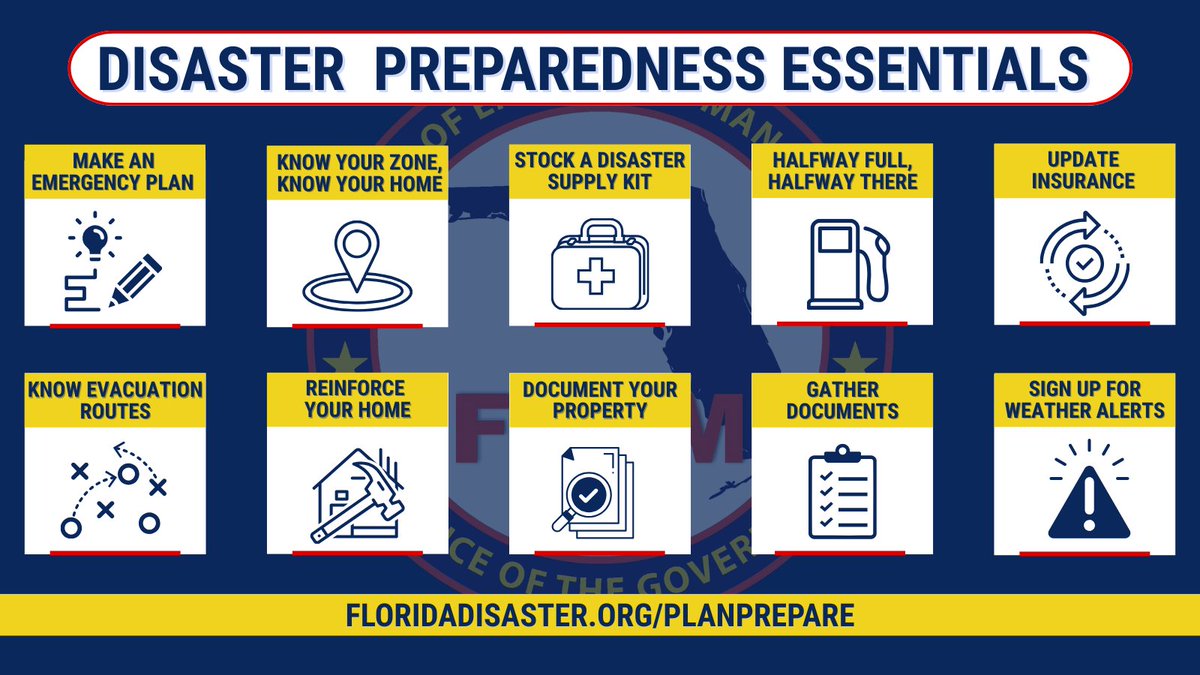
Credit: www.floridadisaster.org
Stay Informed
Staying informed is a vital part of emergency preparedness. Knowing what is happening around you helps make smart decisions quickly. It reduces confusion and keeps you safe during a crisis.
Access to accurate information ensures you can act before a situation worsens. It helps you understand risks and follow instructions from authorities. Reliable updates also keep your family calm and ready.
Sign Up For Alerts
Register for emergency alerts from local agencies and weather services. These alerts send important warnings directly to your phone or email. They notify you about severe weather, evacuations, and other urgent events.
Choose trusted sources like government websites and official apps. Customize alerts for your area to get relevant information only. Stay connected to receive updates 24/7 without delay.
Monitor Weather And News
Check weather forecasts daily to prepare for changing conditions. Use websites, apps, or local TV stations for real-time updates. Pay attention to watches, warnings, and advisories issued by meteorologists.
Follow reliable news outlets for community information during emergencies. Avoid rumors and unverified reports that cause panic. Accurate news helps you understand the situation better and plan your next steps.
Practice Drills
Practice drills are essential to prepare for any emergency. They help everyone understand their roles and actions during a crisis. Drills reduce panic and improve response times. Practicing regularly builds confidence and highlights any plan weaknesses. These exercises make sure your family or team acts quickly and safely.
Schedule Regular Exercises
Set specific dates for emergency drills throughout the year. Practice different scenarios like fire, flood, or earthquake. Involve all family members or coworkers in the exercises. Keep the drills realistic but safe. Regular practice helps create muscle memory for quick reactions.
Use a timer to measure how fast everyone evacuates. Review the drill results and note areas to improve. Repeating drills makes actions automatic during real emergencies. Stay consistent to keep readiness high and skills sharp.
Review And Update Plans
After each drill, review your emergency plan carefully. Check if communication methods worked well during practice. Confirm all evacuation routes are still clear and accessible. Update the plan for any changes in family or workplace members. Add new information like contact numbers or medical needs.
Use feedback from drills to improve your plan’s effectiveness. A current, well-tested plan increases safety and reduces confusion. Regular reviews keep your emergency preparedness strong and reliable.
Frequently Asked Questions
What Are The 5 P’s Of Preparedness?
The 5 P’s of preparedness are: Proper Planning Prevents Poor Performance. They emphasize planning, preparation, practice, protection, and persistence for emergency readiness.
What Are The 10 Steps To Disaster Preparedness?
1. Identify local disaster risks. 2. Create a family disaster plan. 3. Practice the plan regularly. 4. Build a disaster supply kit. 5. Prepare children and pets. 6. Address special needs. 7. Learn CPR and first aid. 8. Secure home hazards.
9. Sign up for alerts. 10. Review and update plans.
What To Stockpile For 72 Hours?
Stockpile one gallon of water per person daily, non-perishable food for three days, a first-aid kit, flashlight, batteries, medications, sanitation supplies, important documents, and pet needs. Include tools, a radio, chargers, clothing, and blankets for effective 72-hour emergency preparedness.
What Are The 5 Rs In Emergency?
The 5 Rs in emergency are: Rescue, Ration, Radio, Repair, and Reassure. These steps ensure safety and effective response during crises.
Conclusion
Preparing for emergencies takes simple, steady steps anyone can follow. Start by knowing your risks and making a clear family plan. Gather essential supplies like food, water, and first-aid items in one place. Practice your plan regularly to build confidence.
Remember to include everyone’s needs, including pets and seniors. Learning basic first-aid skills boosts your readiness. Stay informed with local alerts and always keep important documents safe. Small efforts today create safety and peace of mind for tomorrow. Being ready helps protect your loved ones and community.
Don’t wait—start preparing now.