
Imagine facing an unexpected emergency without a clear plan—how would you protect yourself and your loved ones? Emergency preparedness planning isn’t just about having supplies; it’s about knowing exactly what steps to take when every second counts.
By creating a simple, effective plan tailored to your needs, you gain confidence and control in situations that often feel overwhelming. You’ll discover easy-to-follow strategies that make emergency planning manageable and ensure you’re ready for whatever comes your way. Don’t wait for a crisis to strike—start preparing now to keep your family safe and secure.
Credit: ccbh.net
Risk Assessment
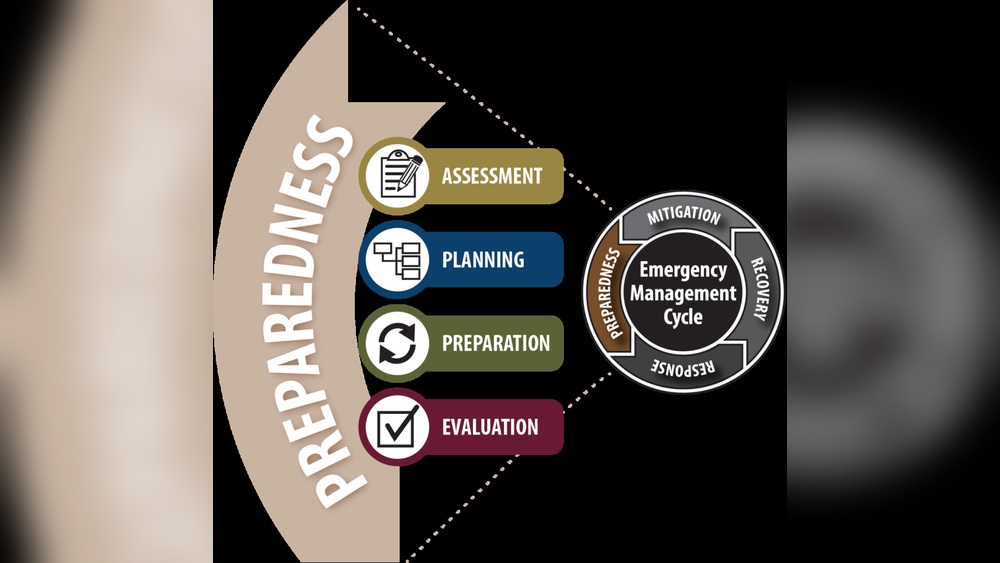
Risk assessment is the first and most important step in emergency preparedness planning. It helps you understand what dangers exist and how they can affect people and property. This knowledge allows you to prepare better and respond faster during emergencies.
Carrying out a risk assessment involves three key parts. Each part plays a role in making your plan strong and effective. Let’s explore these parts one by one.
Identify Potential Hazards
Start by listing all possible hazards in your area. These can be natural, like floods, storms, or earthquakes. They can also be man-made, such as fires, chemical spills, or power outages. Knowing what hazards might occur helps you prepare for the right threats.
Evaluate Vulnerabilities
Next, check which people, places, or systems are most at risk. Vulnerabilities include weak buildings, lack of emergency exits, or limited access to medical help. Identifying these weak points shows where you need to focus your safety efforts.
Analyze Impact Scenarios
Think about what could happen if a hazard strikes. Consider the possible damage to homes, injuries, or business disruptions. This step helps predict the scale of harm and guides you in making plans to reduce those effects.
Credit: rittenhousevillages.com
Communication Plans
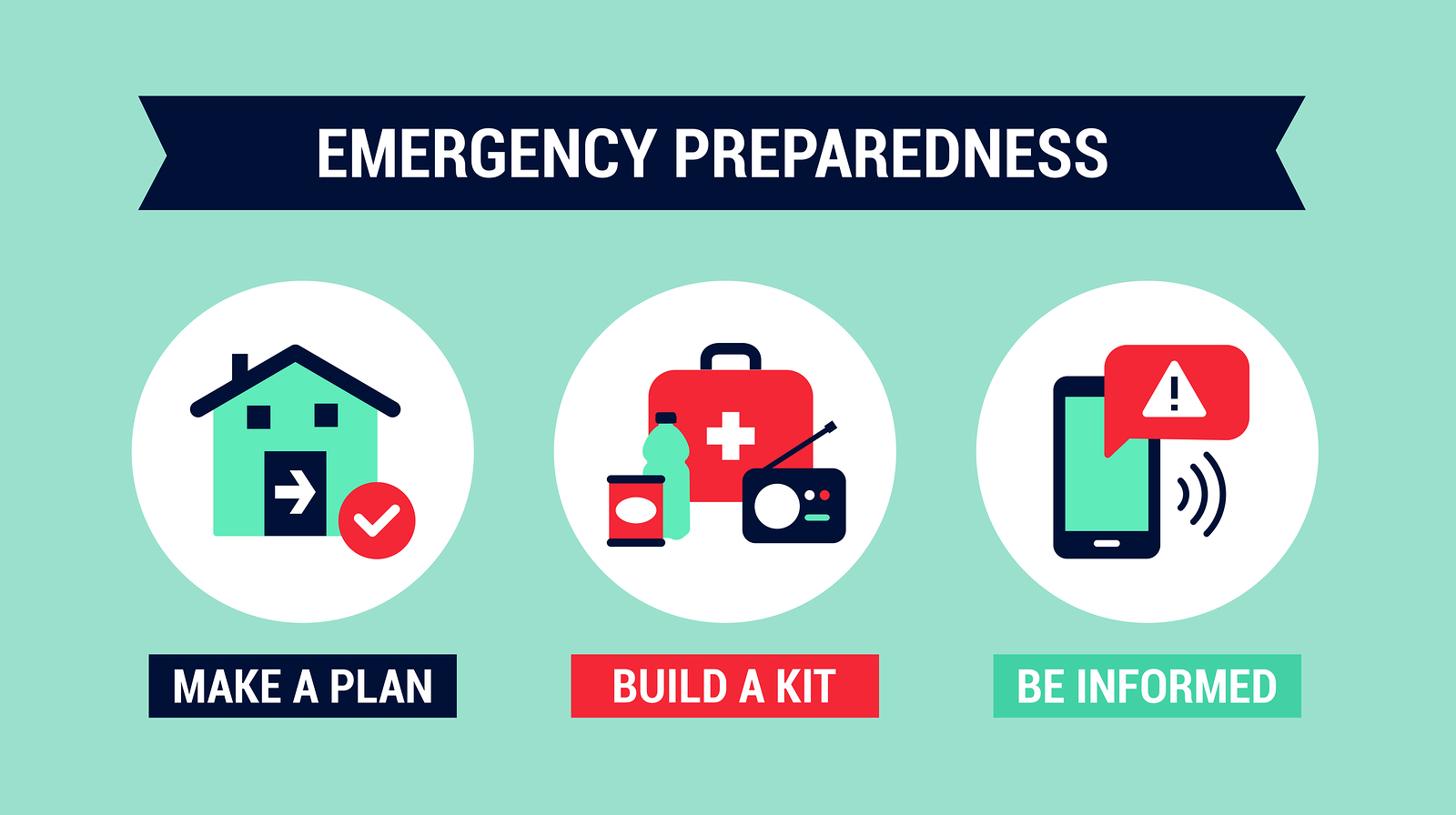
Effective communication is a key part of emergency preparedness planning. Clear communication helps keep everyone safe and informed during a crisis. A well-designed communication plan guides how to share information quickly and accurately.
Planning communication before an emergency saves time and reduces confusion. It ensures that all involved know how to connect and what to expect. This section covers how to create strong communication plans with practical steps.
Establish Contact Lists
Create contact lists for all important people. Include family members, coworkers, emergency services, and neighbors. Update these lists regularly to keep information current. Make sure everyone has access to the lists. Having correct phone numbers and emails is critical for fast communication.
Choose Communication Channels
Select different ways to send messages during an emergency. Consider phone calls, text messages, emails, and social media. Use more than one channel to reach people quickly. Some methods might not work in certain situations, so backup options are needed. Choose channels your group uses and trusts.
Set Alert Procedures
Define how alerts will be sent and received. Decide who will send alerts and when. Use clear, simple messages to avoid confusion. Include instructions on what to do after receiving an alert. Test alert procedures often to make sure they work. This helps people react calmly and correctly.
Evacuation Strategies
Evacuation strategies are essential for safety during emergencies. They help people leave dangerous areas quickly and calmly. Good planning reduces confusion and speeds up the escape process. Every family and organization should have clear evacuation plans ready.
Designate Safe Zones
Safe zones are places to gather after evacuating. Choose locations far from danger. Pick spots that everyone knows well. These zones must be easy to reach and secure. Make sure all family members or team members understand where to meet. Safe zones help keep everyone accounted for.
Map Escape Routes
Create clear maps showing all possible exits. Use simple directions and landmarks. Check routes for obstacles or hazards. Plan for alternative paths in case main roads are blocked. Share these maps with everyone involved. Practice using the routes regularly to build confidence.
Plan Transportation Options
Consider how everyone will leave the area. Identify available vehicles and drivers. Think about public transportation or community resources. Account for people with special needs or no transport. Have backup plans if primary options fail. Good transportation planning ensures faster and safer evacuation.
Credit: www.ricecountymn.gov
Resource Management
Effective resource management is key to successful emergency preparedness planning. It ensures you have the right supplies and support ready during a crisis. Proper organization of resources reduces panic and speeds up response times. This section covers how to assemble emergency kits, stockpile essential supplies, and work with local agencies for better coordination.
Assemble Emergency Kits
Prepare emergency kits tailored to your family’s needs. Include water, non-perishable food, and basic first aid items. Don’t forget flashlights, batteries, and important documents. Keep kits in easy-to-reach places at home, work, and in your car. Check and update kits regularly to replace expired items.
Stockpile Essential Supplies
Gather enough essential supplies to last several days. Focus on food, water, medicine, and hygiene products. Store items in cool, dry places away from direct sunlight. Rotate supplies to maintain freshness and usability. Plan for special needs like baby formula or pet food.
Coordinate With Local Agencies
Build connections with local emergency services and agencies. Know the contact information and locations of shelters and aid centers. Attend community meetings or trainings to stay informed. Share your emergency plans and resources with neighbors. Collaboration improves overall community safety and support.
Training And Drills
Training and drills form the backbone of effective emergency preparedness planning. They help teams practice responses and build confidence. Regular practice ensures everyone knows what to do during a real emergency. It reduces panic and improves coordination. These exercises also reveal gaps in plans that need fixing. Training transforms theory into action, making safety plans practical and reliable.
Conduct Regular Exercises
Schedule drills often to keep skills fresh. Use different scenarios to cover many risks. Practice evacuation, sheltering, and communication steps. Simulate real conditions to test readiness. Include all team members and departments. Regular exercises prepare everyone for fast, calm responses. They help identify weaknesses in the plan early.
Assign Roles And Responsibilities
Clear roles prevent confusion during emergencies. Assign tasks based on skills and availability. Make sure everyone knows their job well. Train backups to cover absences. Role clarity speeds up decision-making and action. When roles are clear, teams work smoothly. This reduces delays and errors in critical moments.
Evaluate And Improve Procedures
After drills, review what went well and what didn’t. Collect feedback from participants and observers. Compare actions against the plan’s goals. Identify problems and bottlenecks. Update procedures to fix issues and improve flow. Continuous improvement strengthens overall preparedness. It ensures plans stay effective and relevant over time.
Recovery Planning
Recovery planning is a crucial part of emergency preparedness. It focuses on restoring normal operations after a crisis. This phase helps communities and organizations bounce back quickly. Planning recovery reduces long-term damage and supports resilience.
Effective recovery planning includes clear steps to restore services, assist affected people, and keep plans current. These actions ensure readiness for future incidents and smooth transitions post-disaster.
Develop Restoration Processes
Create clear steps to bring services back online fast. Identify key resources and equipment needed for repair. Assign roles to team members for each task. Set realistic timelines for each stage of restoration. Regularly test these processes to find weaknesses. Efficient restoration minimizes downtime and loss.
Support Affected Individuals
Provide help to those impacted by the emergency. Offer medical care, counseling, and shelter if needed. Communicate clearly about available support services. Listen to the needs and concerns of affected people. Collaborate with local agencies for comprehensive aid. Supporting individuals speeds emotional and physical recovery.
Review And Update Plans
After recovery, review the entire emergency plan. Note what worked well and what failed. Update procedures to fix any gaps found. Involve all stakeholders in the review process. Keep plans flexible to adapt to new threats. Regular updates keep recovery plans effective and relevant.
Frequently Asked Questions
What Are The 5 P’s Of Preparedness?
The 5 P’s of preparedness are: Proper Planning Prevents Poor Performance and Potential Problems. They guide effective emergency readiness.
What To Stockpile For 72 Hours?
Stockpile water (1 gallon per person daily), non-perishable food, first aid kit, flashlight, batteries, hygiene items, and important documents for 72 hours.
What Are The 7 Steps In The Emergency Action Plan?
The 7 steps in an emergency action plan are: assess situations, determine actions, establish rally points, verify safe routes, account for everyone, conduct drills, and review regularly.
What Are The Three Major Components Of An Eap Plan?
The three major components of an EAP plan are evacuation procedures, reporting and alerting authorities, and notifying staff and visitors about emergencies.
Conclusion
Emergency preparedness planning saves lives and reduces risks. Start by knowing your hazards and making clear plans. Keep emergency supplies ready and practice your plan often. Share your plan with family, friends, and neighbors. Staying calm and informed helps you respond well.
Small steps today protect your future. Stay safe, stay prepared.