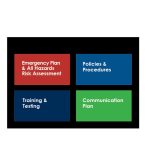
When you manage or work in a warehouse, emergencies can strike without warning. Are you truly ready to protect your team, your inventory, and your facility when disaster hits?
Warehouse emergency preparedness isn’t just a checklist—it’s a vital strategy that could save lives and keep your operations running smoothly. You’ll discover simple yet powerful steps to build an effective emergency plan tailored to your warehouse. Don’t wait for an emergency to find out you’re unprepared—take control now and ensure safety for everyone involved.
Keep reading to learn how you can make your warehouse a safer place today.

Credit: www.prologis.com
Risk Assessment
Risk assessment forms the foundation of effective warehouse emergency preparedness. It involves analyzing potential dangers and weaknesses that could disrupt warehouse operations. A thorough risk assessment helps prevent accidents and ensures quick recovery after emergencies. This process protects staff, inventory, and infrastructure.
Identifying Potential Hazards
Start by listing all possible hazards in the warehouse. These include fire risks, chemical spills, equipment failure, and natural disasters. Consider human errors and security threats as well. Knowing what dangers exist helps focus safety efforts where they matter most.
Evaluating Warehouse Vulnerabilities
Look closely at the warehouse layout and systems. Identify weak points like poor ventilation, blocked exits, or outdated fire alarms. Check storage methods and machinery for safety compliance. Understanding vulnerabilities allows for targeted improvements to reduce risks.
Assessing Impact On Operations
Estimate how hazards might affect daily work. Think about damage to goods, downtime, and staff injuries. Evaluate how long it would take to resume normal activities after an incident. This assessment guides emergency planning and resource allocation.
Credit: safetyculture.com
Emergency Planning
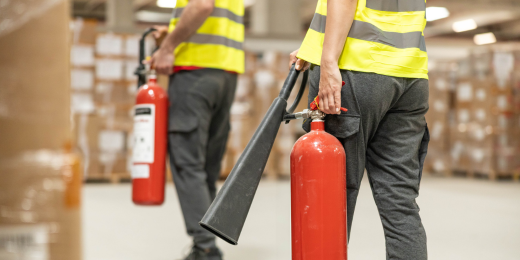
Safety equipment plays a crucial role in warehouse emergency preparedness. It protects workers and reduces the risk of injury during unexpected incidents. Having the right tools and gear ready can save lives and prevent serious damage.
Proper safety equipment ensures quick response to emergencies. It also helps maintain a safe environment for all employees. Warehouses must invest in reliable and easy-to-use safety devices.
Essential Life-saving Tools
Life-saving tools are critical in emergencies. These include first aid kits, emergency alarms, and defibrillators. First aid kits should be stocked and easy to reach. Emergency alarms alert workers to dangers fast. Automated external defibrillators (AEDs) help treat sudden cardiac arrest.
Fire Suppression Systems
Fire suppression systems control fires before they spread. Common types are sprinklers, fire extinguishers, and fire blankets. Sprinklers activate automatically when heat is detected. Fire extinguishers come in classes for different fires. Fire blankets can smother small fires quickly. Regular checks ensure these systems work properly.
Personal Protective Gear
Personal protective gear shields workers from hazards. Helmets, gloves, safety glasses, and high-visibility vests are standard. Respirators protect against harmful dust and fumes. Proper fit and condition of gear are vital for effectiveness. Training workers on correct use improves safety significantly.
Safety Equipment
Evacuation procedures play a vital role in warehouse emergency preparedness. They ensure everyone leaves the building safely and quickly during an emergency. Clear and well-planned evacuation steps reduce confusion and prevent injuries. Training all personnel on these procedures saves lives and protects property.
Designing Evacuation Routes
Evacuation routes must be simple and direct. Mark all exits clearly with visible signs. Keep pathways free from obstacles and well lit at all times. Plan multiple escape routes to avoid crowding and blockages. Regularly inspect routes for any hazards or changes in layout. Make sure routes lead to safe outdoor areas away from the warehouse.
Establishing Assembly Points
Assembly points serve as safe spots for staff after evacuation. Choose locations that are easy to reach and far from danger zones. Inform all workers about these points and their locations. Use these spots to take attendance and check for missing persons. Assembly points help emergency teams find everyone quickly. Keep these areas clear and accessible at all times.
Assisting Vulnerable Personnel
Some workers may need extra help during evacuation. Identify employees with disabilities or medical conditions beforehand. Assign trained buddies or emergency helpers to assist them. Provide special equipment if needed, like wheelchairs or evacuation chairs. Practice drills that include helping vulnerable personnel. This preparation ensures no one is left behind in an emergency.
Training And Drills
Post-emergency recovery is a critical phase after any warehouse incident. It focuses on evaluating damage, resuming operations, and caring for employees. Quick and organized recovery reduces losses and restores normal workflow.
Planning for recovery before emergencies helps teams act fast and effectively. Every step counts to bring the warehouse back to full function.
Damage Assessment
Start by inspecting the warehouse for structural and inventory damage. Safety checks ensure no hazards remain for workers. Document all damages with photos and detailed notes. This information guides repair priorities and insurance claims. Accurate assessment prevents further risks and speeds recovery.
Restoring Operations
Set clear goals to restart critical processes first. Clean and repair affected areas promptly to avoid delays. Communicate with suppliers and customers about temporary changes. Use backup systems if needed to maintain workflow. Keeping operations moving limits financial impact and supports business continuity.
Supporting Employee Wellbeing
Employees face stress after emergencies. Provide access to counseling and support services. Keep communication open and honest about recovery plans. Offer flexible work options during recovery to ease pressure. Caring for staff improves morale and helps them return to work faster.

Credit: www.supplychainbrain.com
Frequently Asked Questions
What Are The 5 P’s Of Preparedness?
The 5 P’s of preparedness are: Proper Planning, Prevention, Protection, Provision, and Practice. These steps ensure effective emergency readiness.
What Are The 5 Stages Of Emergency Preparedness?
The 5 stages of emergency preparedness are: prevention, mitigation, preparedness, response, and recovery. Each stage helps reduce risks and manage emergencies effectively.
What To Stockpile For 72 Hours?
Stockpile water, non-perishable food, medications, first aid supplies, flashlight, batteries, hygiene items, and important documents for 72 hours.
What Are The 3 C’s For Handling An Emergency Situation?
The 3 C’s for handling an emergency are: Check the scene for safety, Call for help immediately, and Care for the injured until help arrives.
Conclusion
Preparing your warehouse for emergencies saves lives and protects assets. Regular training keeps staff ready and confident. Clear plans reduce confusion during urgent situations. Investing time in safety means quicker recovery after incidents. Stay aware, stay prepared, and keep your warehouse safe.