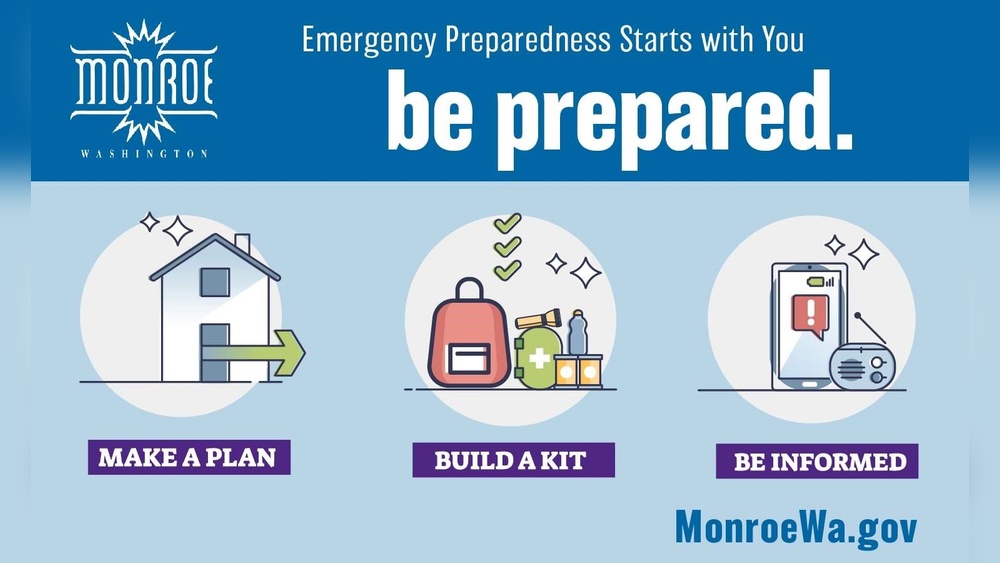

Imagine facing a sudden emergency—no warning, no time to prepare. Would you know what to do?
Your safety and that of your loved ones depend on how ready you are when disaster strikes. Emergency disaster preparedness isn’t just about having supplies; it’s about having a clear plan that you can trust. You’ll discover simple, practical steps to build your own emergency kit, protect your health, and stay connected when it matters most.
Take control of your safety today—because being prepared could make all the difference tomorrow. Keep reading to learn how to safeguard your home and family in any crisis.
Credit: www.palatribe.com
Water And Food Supplies
Power and communication tools are essential during emergencies. They keep you connected and informed. Without power, many devices stop working. Communication tools help you get updates and call for help.
Choosing the right tools can make a big difference. It ensures you stay safe and aware of the situation. Prepare these items before disaster strikes. They are your lifeline in tough times.
Battery And Hand-crank Radios
Battery-powered radios provide news and emergency alerts. They work even when the power is out. Hand-crank radios do not need batteries. You generate power by turning a crank. This makes them very reliable during long outages. Always keep extra batteries for battery radios. Test your radios regularly to ensure they work.
Flashlights And Batteries
Flashlights are vital for visibility in the dark. Choose LED flashlights for brighter and longer light. Stock up on extra batteries. Check battery types and keep spares organized. Avoid using candles as they can cause fires. A good flashlight helps you move safely at night. Keep one in every important area of your home.
Cell Phones And Backup Chargers
Cell phones connect you to family and emergency services. Keep your phone fully charged at all times. Carry a backup power bank for emergencies. Solar chargers offer power without outlets. Test your chargers regularly to ensure they work. Save important contacts in your phone before disaster strikes. This keeps you ready to reach help quickly.
Credit: www.lampasas.org
Health And Sanitation Essentials
Preparing for emergencies means keeping important documents and cash ready. These items help prove your identity and cover essential needs. Without them, handling a disaster becomes harder. Organize these carefully. Store some copies separately. Have cash in small bills. This section explains what to keep and why.
Copies Of Vital Documents
Keep copies of your ID, passport, and birth certificate. Include insurance papers and property deeds. Store digital and physical copies in waterproof bags. Share copies with a trusted person outside your home. This helps replace lost documents quickly. It saves time and stress during emergencies.
Medication Information
List all medications you take, including doses and schedules. Note allergies and medical conditions. Keep this list with your documents. Emergency workers need this information to give proper care. Update the list regularly. Carry extra medication if possible. This ensures your health needs are met during a disaster.
Emergency Cash Reserve
ATMs and credit machines may not work after a disaster. Keep cash in small bills for buying food, water, and supplies. Store money in a secure but accessible place. Check and update the amount regularly. Having cash ready helps you act fast when needed most.
Power And Communication Tools
Building a disaster kit is one of the most important steps in emergency preparedness. A well-stocked kit helps you stay safe and meet basic needs during a disaster. It can provide water, food, first aid, and tools when normal services stop. Preparing this kit ahead of time saves valuable moments and reduces stress in an emergency.
Essential Kit Components
Start with water. Store at least one gallon per person each day for seven days. Include non-perishable foods like canned meats, fruits, vegetables, and energy bars. A manual can opener is a must for canned goods. Add a comprehensive first-aid kit with bandages, antiseptic wipes, and necessary medicines. Include sanitation supplies such as moist towelettes, garbage bags, and hand sanitizer. Pack a battery-powered or hand-crank radio to receive emergency updates. Flashlights with extra batteries are vital for light. Bring a cell phone charger and a backup power bank. Keep copies of important documents, medication lists, and some extra cash. Other useful items include local maps, a multi-purpose tool, a whistle, matches in a waterproof container, plastic sheeting, duct tape, and scissors.
Kit Maintenance Tips
Check your kit every six months. Replace expired food and medicines. Test batteries and radios regularly. Update important documents and medication lists as needed. Keep your kit in an easy-to-reach location known to all family members. Rotate food supplies to keep them fresh. Adjust the kit for seasonal changes, such as adding warmer clothing in winter. Regular maintenance ensures your kit stays ready for any emergency.
Customizing For Specific Needs
Consider the unique needs of your family. Include supplies for babies like formula, diapers, and bottles. Add items for elderly family members or those with disabilities. Pack extra prescription medications and medical equipment. Include pet food and care items if you have pets. Think about special dietary needs or allergies. Customize your disaster kit to match your household’s health and lifestyle requirements. This personal touch increases safety and comfort during a crisis.
Credit: www.facs.org
Important Documents And Cash
Urban survival strategies focus on practical ways to stay safe during emergencies in cities. Cities have unique challenges like dense populations and complex infrastructure. Preparing for these challenges improves your chances of handling disasters effectively.
Knowing how to manage money, move through the city, and stay safe in crowds can save lives. Below are key areas to focus on for urban disaster preparedness.
Cash And Payment Preparedness
Carry some cash in small bills for emergencies. Electronic payment systems may fail during disasters. ATMs and credit card machines might not work. Keep cash hidden but accessible. Avoid carrying large amounts to reduce theft risk. Have a mix of coins and bills for small purchases.
Navigating City Infrastructure
Learn the layout of your neighborhood and main routes. Identify safe places like shelters and hospitals. Carry a physical map in case GPS stops working. Use public transport routes only if safe. Avoid areas known for flooding or power outages. Plan several ways to reach important locations.
Safety In Crowded Areas
Stay alert in crowded places like subway stations and markets. Keep your belongings secure to prevent theft. Avoid panic and move calmly if an emergency occurs. Know the nearest exits and escape routes. Stay with trusted people and avoid isolated spots. Use your voice or whistle to call for help if needed.
Frequently Asked Questions
What Are The 5 Steps To Emergency Preparedness For Any Disaster?
1. Create an emergency plan with family and identify safe meeting spots. 2. Build a disaster supply kit including water, food, and first-aid items. 3. Stay informed using battery-powered radios and emergency alerts. 4. Secure important documents and keep extra cash accessible.
5. Practice evacuation drills and review your preparedness regularly.
What Should I Stock Up On Before War?
Stock up on one gallon of water per person daily for at least a week. Include non-perishable foods like canned goods, energy bars, and dried beans. Pack a comprehensive first-aid kit, sanitation supplies, flashlight with batteries, battery-powered radio, important documents, cash, and basic tools.
What Is Emergency And Disaster Preparedness?
Emergency and disaster preparedness means planning and gathering supplies to protect lives and property during crises. It involves creating response plans, securing essentials like food, water, and medical kits, and staying informed to act quickly and effectively in emergencies.
What Are The 3 C’s Of Emergency Response?
The 3 C’s of emergency response are Check, Call, and Care. Check the scene for safety, Call for help, and Care for the injured.
Conclusion
Preparing for emergencies saves lives and reduces stress during disasters. Keep essential supplies like water, food, and first-aid kits ready. Regularly check and update your emergency plan. Share your plan with family and neighbors for better support. Stay informed through reliable sources during crises.
Small steps today lead to greater safety tomorrow. Being ready means protecting yourself and loved ones. Emergency disaster preparedness is a smart, simple way to face uncertainty with confidence.
