
When emergencies strike, your healthcare facility’s readiness can make all the difference. The CMS Emergency Preparedness Rule is designed to help you stay ahead of disasters—whether natural or man-made—and keep your patients safe no matter what happens.
This rule sets clear, consistent requirements that guide you in creating effective emergency plans, training your staff, and ensuring smooth communication during crises. If you want to protect your organization, meet federal standards, and provide uninterrupted care when it counts most, understanding and implementing the CMS Emergency Preparedness Rule is essential.
Keep reading to discover what this rule means for you and how to get fully prepared.
Cms Emergency Preparedness Rule Basics
The CMS Emergency Preparedness Rule Basics provide a foundation for healthcare providers to prepare for emergencies effectively. This rule sets clear requirements to ensure safety and care continuity during disasters. Understanding the core elements helps providers meet federal standards and protect patients.
The rule focuses on creating structured emergency plans, training staff, and maintaining communication systems. These efforts reduce risks and improve response during crises. Below are the essential components of the CMS Emergency Preparedness Rule.
Purpose And Scope
The CMS Emergency Preparedness Rule aims to improve readiness for all healthcare providers. It requires organizations to assess risks and plan responses to emergencies. The rule covers natural disasters, pandemics, and other threats. It ensures that care delivery continues even under challenging conditions.
Providers must develop comprehensive emergency plans. These plans must address patient safety, staff roles, and communication strategies. The rule promotes consistent preparedness across the healthcare system.
Applicability To Providers
This rule applies to Medicare and Medicaid providers and suppliers. It includes hospitals, nursing homes, clinics, and home health agencies. All must comply, regardless of size or location. Compliance means having proper plans, policies, and training in place.
Each provider must tailor plans based on their specific risks and resources. The rule requires coordination with local emergency agencies. Providers must also test and update their plans regularly.
Key Dates And Deadlines
The CMS Emergency Preparedness Rule set clear deadlines for compliance. Providers had to meet initial requirements by November 15, 2017. Annual reviews and updates of emergency plans are mandatory. Training and testing must occur at least once each year.
Failure to meet deadlines can affect Medicare and Medicaid funding. Providers should track deadlines carefully to maintain compliance. Regular updates ensure plans stay effective and relevant.
Credit: 1sthcc.com
Core Components Of Compliance
Compliance with the CMS Emergency Preparedness Rule requires focus on several core components. These elements ensure healthcare providers are ready for emergencies and can maintain quality care. Understanding these components helps organizations meet legal standards and protect patients and staff effectively.
Risk Assessment And Emergency Planning
Healthcare providers must assess risks unique to their location. This includes natural disasters, pandemics, and other hazards. The risk assessment guides the creation of an emergency plan. The plan details how to respond to identified risks. It must be reviewed and updated yearly to stay current and effective.
Communication Strategies
Effective communication is vital during emergencies. Providers must have plans to communicate with staff, patients, and families. These plans include backup systems in case primary methods fail. Coordination with local emergency agencies is essential. Clear communication reduces confusion and improves response times.
Policies And Procedures
Providers need detailed policies to manage emergencies. These cover evacuation processes, patient tracking, and medication safety. Policies must comply with federal and state laws. They provide clear instructions for staff to follow during a crisis. Well-defined procedures help avoid mistakes and delays.
Training And Testing Requirements
Staff training on emergency plans is mandatory. Regular drills and tests ensure everyone knows their role. Training helps identify weaknesses in the plan. Testing keeps emergency responses sharp and effective. Continuous education supports readiness and confidence in emergencies.
Risk Assessment Details
The CMS Emergency Preparedness Rule demands a thorough risk assessment. It helps facilities identify threats and plan effectively. This assessment forms the foundation for creating a solid emergency plan. It ensures the safety of patients, staff, and visitors. Understanding risks allows healthcare providers to prepare for real challenges.
Identifying Geographic Hazards
Facilities must study their location to find possible hazards. This includes natural disasters like hurricanes, floods, or wildfires. Man-made risks such as chemical spills or power outages also count. Knowing these threats helps in creating tailored emergency responses. The assessment uses local data and historical events for accuracy.
Evaluating Facility Vulnerabilities
Facilities must check their weaknesses in emergencies. This means looking at building structure, equipment, and staffing levels. It also covers access routes, backup power, and communication systems. Identifying these weak points helps in fixing or planning around them. A strong facility reduces harm during a disaster.
Annual Review Process
The risk assessment is not a one-time task. It must be reviewed and updated every year. Changes in the environment, new hazards, or facility upgrades require updates. Staff should be involved in the review to provide fresh insights. This keeps the emergency plan current and effective.

Credit: compliancy-group.com
Emergency Planning Essentials
Emergency planning is a critical part of the CMS Emergency Preparedness Rule. It ensures healthcare providers are ready to face unexpected events. A clear and effective plan protects patients, staff, and operations during emergencies. The following essentials help organizations build strong emergency preparedness plans that meet CMS standards.
Response Strategy Development
Developing a response strategy is the first step in emergency planning. Providers must identify possible risks in their area. The plan should detail actions to protect everyone involved. Clear roles and responsibilities help staff act quickly and correctly. Strategies must cover evacuation, sheltering, and resource management. Plans that are easy to follow reduce confusion during crises.
Coordination With Local Agencies
Coordination with local agencies improves emergency response. Healthcare providers should work closely with fire, police, and emergency services. Sharing information helps create a unified response. Local partnerships can provide additional resources and support. These connections ensure smooth communication during an emergency. Collaboration also keeps the community safer overall.
Plan Maintenance And Updates
Emergency plans need regular maintenance and updates. Providers must review their plans at least once a year. Changes in staff, facility layout, or local risks require plan adjustments. Testing the plan through drills reveals areas needing improvement. Keeping the plan current ensures readiness for any emergency. A well-maintained plan saves lives and protects resources.
Communication Plan Strategies
Effective communication is vital in emergency preparedness under the CMS Emergency Preparedness Rule. A clear communication plan helps healthcare providers share information quickly and accurately during crises. This plan supports coordination among staff, patients, families, and external agencies. It also ensures backup systems are ready if primary communication fails.
Staff And Patient Communication
Healthcare providers must establish clear communication channels for staff and patients. Staff should receive timely updates about emergency protocols and patient care changes. Patients need understandable information about safety procedures and available services. Regular training ensures everyone knows how to communicate during emergencies.
Family And External Agency Coordination
Families must stay informed about patient status and care plans during emergencies. Providers should coordinate with emergency responders and public health agencies. Sharing accurate information helps manage resources and supports patient safety. Communication with families and agencies must follow privacy rules and respect patient rights.
Redundant Communication Systems
Backup communication systems are essential to maintain contact if main systems fail. Providers often use radios, phones, and electronic alerts as alternatives. These systems must be tested regularly to ensure they work under pressure. Redundancy reduces risks of communication breakdown during power outages or network failures.
Policy And Procedure Requirements
The CMS Emergency Preparedness Rule requires healthcare providers to develop clear policies and procedures. These guidelines help staff respond effectively during emergencies. Policies must cover every critical area to ensure safety and continuity of care.
Providers must create detailed steps for evacuation, patient tracking, and managing medications and records. These procedures should follow federal and state laws. Regular reviews keep these policies up to date and practical for real situations.
Evacuation Protocols
Evacuation protocols must clearly outline how to move patients safely. Staff should know when and how to evacuate different areas. Procedures must address various emergency types like fire, flood, or power failure. Plans should include routes, transportation methods, and special needs considerations. Training ensures everyone can act quickly and calmly.
Patient Tracking Systems
Patient tracking systems help keep track of patients during and after evacuation. Accurate records prevent patients from getting lost or separated. Systems should work electronically or on paper if technology fails. Staff must update patient locations continuously. This process supports patient safety and family reunification.
Medication And Records Management
Policies must protect medications and medical records during emergencies. Safe storage is vital to prevent loss or damage. Procedures should cover how to transport and access these items if facilities close. Staff must know how to secure sensitive information. This ensures ongoing care and compliance with regulations.
Training And Testing Protocols
Training and testing protocols are vital under the CMS Emergency Preparedness Rule. These protocols ensure healthcare staff are ready for emergencies. Proper training helps staff understand their roles clearly. Testing the plan proves its effectiveness and reveals areas needing improvement. Together, training and testing build confidence and improve patient safety during crises.
Initial And Ongoing Staff Training
All staff must complete initial emergency preparedness training. This training covers the facility’s emergency plans and procedures. New hires receive this training as part of orientation. Ongoing training is required to refresh knowledge regularly. It keeps staff updated on any plan changes. Training sessions use simple language and clear instructions. The goal is to make sure everyone knows what to do.
Drills And Exercises
Regular drills test the emergency plan in real-time conditions. These exercises simulate various disaster scenarios. Drills can include fire, evacuation, or power outage events. Staff practice their roles and responsibilities during these drills. Exercises identify weaknesses in the plan or staff response. After each drill, leaders review performance and suggest improvements. This practice keeps readiness high and improves response times.
Documentation And Record Keeping
Documentation is crucial for proving compliance with CMS rules. All training sessions and drills must be recorded. Records include dates, attendance, and topics covered. Documentation helps track staff competency over time. It also supports regulatory inspections and audits. Clear, organized records show the facility’s commitment to safety. Accurate record keeping ensures continuous improvement in emergency preparedness.
Aligning With Federal And State Laws
Aligning with federal and state laws is essential for healthcare providers under the CMS Emergency Preparedness Rule. This alignment ensures that emergency plans meet all legal requirements. It also promotes consistent responses to emergencies across different regions and facilities.
Healthcare organizations must understand both federal mandates and specific state regulations. This dual compliance helps protect patients and staff during crises. It also avoids legal penalties and supports smoother emergency operations.
Compliance With Regulations
Healthcare providers must follow CMS requirements and applicable state laws. These rules cover emergency planning, communication, training, and testing. Regular reviews ensure ongoing compliance and address new risks. Documentation is key to demonstrate adherence during audits or inspections.
Coordination With Emergency Systems
Effective emergency plans coordinate with local and state emergency systems. This coordination allows sharing resources and information quickly. It also helps avoid confusion during response efforts. Establishing contacts with emergency agencies enhances overall preparedness and safety.
Incorporating Infectious Disease Preparedness
Plans must address infectious disease threats, including pandemics. This includes protocols for isolation, personal protective equipment, and sanitation. Staff training focuses on infection control and patient management. Integrating these elements reduces disease spread during emergencies.
Challenges And Common Pitfalls
Implementing the CMS Emergency Preparedness Rule brings several challenges. These challenges can slow down compliance and affect safety. Many healthcare providers face common pitfalls that impact their emergency readiness. Understanding these issues helps organizations improve their plans and responses.
Maintaining Up-to-date Plans
Keeping emergency plans current is a major challenge. Risks change over time and plans must reflect these updates. Annual reviews often get delayed or overlooked. Outdated plans can lead to confusion during real emergencies. Regular updates ensure plans remain practical and effective.
Ensuring Staff Engagement
Staff engagement is vital for emergency preparedness. Often, employees see training as a low priority. Lack of interest reduces the effectiveness of drills and education. Clear communication about the importance of preparedness can boost involvement. Active participation helps staff respond better during crises.
Overcoming Communication Barriers
Communication issues frequently hinder emergency response. Different shifts, languages, and technologies create gaps. Without clear communication channels, important messages may not reach everyone. Redundant systems and simple tools can improve information flow. Ensuring all staff understand their roles is critical.
Tools And Resources For Compliance
Complying with the CMS Emergency Preparedness Rule requires access to reliable tools and resources. These help healthcare providers create, implement, and maintain emergency plans. They also ensure the organization meets federal and state standards. Using the right resources can simplify this complex process and improve overall readiness.
Templates And Checklists
Templates provide a clear structure for emergency plans. They guide organizations in documenting risk assessments, policies, and communication strategies. Checklists help track compliance tasks and ensure nothing is missed. Both tools save time and reduce errors. Many templates are tailored to different healthcare settings, making them highly practical.
Training Programs And Providers
Training programs teach staff how to respond during emergencies. They cover topics like evacuation, communication, and patient safety. Providers offer both online and in-person sessions. Regular training keeps skills sharp and reinforces procedures. Well-trained staff improve the chances of a smooth response when emergencies occur.
Technology Solutions
Technology plays a key role in emergency preparedness. Software can manage plans, track training, and schedule drills. Communication tools ensure quick alerts and coordination during crises. Some solutions integrate with local emergency services for faster response. Using technology reduces manual work and increases plan accuracy.
Preparing For 2025 Compliance
Preparing for 2025 compliance with the CMS Emergency Preparedness Rule requires careful planning and action. Healthcare providers must understand the rule’s demands and start early to meet all standards. Compliance ensures safety and quality care during emergencies, reducing risks to patients and staff.
Providers should create a clear roadmap to implement changes before the deadline. This includes updating emergency plans, training staff, and testing procedures regularly. Staying organized and proactive will help avoid last-minute challenges and penalties.
Timeline For Implementation
Start by assessing current emergency preparedness efforts. Identify gaps compared to CMS requirements. Set milestones for updating plans and policies. Complete staff training sessions well before 2025. Schedule regular drills to test readiness. Allow time for adjustments based on drill outcomes. Document every step to show compliance progress.
Audit And Verification Processes
Prepare for audits by keeping detailed records of all emergency activities. Maintain logs of risk assessments, training sessions, and plan updates. Use checklists to verify each CMS requirement is met. Conduct internal reviews periodically to catch any issues early. Be ready to provide evidence during official inspections. Clear documentation builds trust with regulators and protects your facility.
Continuous Improvement Strategies
View compliance as an ongoing effort, not a one-time task. Collect feedback from staff after drills and real events. Analyze performance data to find weaknesses. Update plans and training materials based on lessons learned. Encourage open communication about emergency preparedness. Regularly review new CMS guidelines to stay current. This approach keeps your facility safe and compliant over time.
Credit: web.nwrpca.org
Frequently Asked Questions
What Is The Cms Emergency Preparedness Rule?
The CMS Emergency Preparedness Rule requires Medicare and Medicaid providers to create, maintain, and test emergency plans. It ensures coordinated responses to disasters, including risk assessments, communication plans, policies, and staff training to maintain quality care during emergencies.
What Are The Four Components Of Emergency Preparedness Requirements As Outlined By Cms?
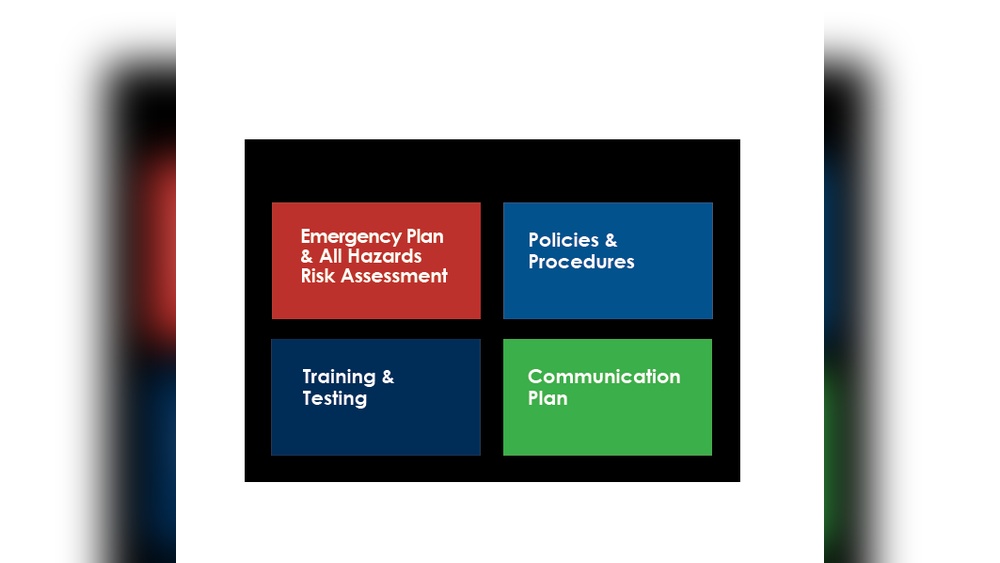
The four CMS emergency preparedness components are risk assessment and planning, communication plan, policies and procedures, and training with testing.
Does The Cms Require Healthcare Providers To Have An Emergency Preparedness Plan?
Yes, CMS requires healthcare providers to have an emergency preparedness plan. It must include risk assessment, communication, policies, training, and testing. Providers must review and update the plan annually to ensure readiness for emergencies and coordinate with relevant agencies.
What Are The Provider Types Recognized By The Cms Emergency Preparedness Rule?
The CMS emergency preparedness rule recognizes provider types including hospitals, nursing homes, home health agencies, hospices, and clinics. It applies to all Medicare and Medicaid participating providers and suppliers.
Conclusion
The CMS Emergency Preparedness Rule helps healthcare providers stay ready. It sets clear steps to handle emergencies and protect patients. Risk assessments, communication plans, and training keep everyone prepared. Providers must review and update plans yearly to stay effective. This rule supports safe care during disasters and disruptions.
Following these guidelines builds stronger, safer healthcare systems. Preparing now means better response when emergencies happen.