Fire can strike your home in an instant, turning a place of comfort into a scene of danger and loss. But here’s the truth: most house fires don’t have to happen.
By taking simple, smart steps, you can protect your family, your belongings, and your peace of mind. You’ll discover easy and effective ways to prevent fire at home. From kitchen habits to electrical safety, you’ll learn what to do—and what to avoid—to keep your home safe.
Ready to make your home a fire-safe zone? Let’s dive in.
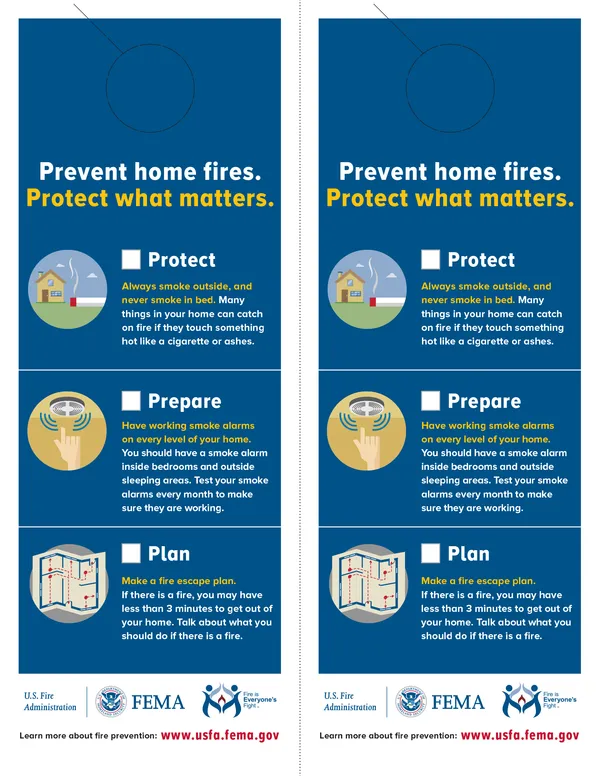
Credit: www.usfa.fema.gov
Smoke Alarm Installation
A fire escape plan is a vital part of home safety. It helps everyone leave the house quickly and safely during a fire. A clear plan reduces panic and confusion. Every family member should know the plan well.
Planning Multiple Exits
Identify at least two exits from each room. Doors and windows can serve as escape routes. Make sure all exits open easily. Keep paths to exits clear of furniture and clutter. This ensures quick and safe evacuation in an emergency.
Designating A Meeting Spot
Choose a safe meeting place outside your home. It should be a fixed spot everyone can reach easily. This helps you check if everyone escaped safely. The spot should be far enough from the house to avoid danger from fire or smoke.
Practice Drills
Practice your fire escape plan twice a year. Run drills at different times of day. Teach children how to escape safely and quietly. Practice using all exits and meeting at the spot. Regular drills build confidence and prepare everyone for real emergencies.
Fire Escape Plan
Electrical safety plays a key role in preventing fires at home. Faulty wiring or damaged cords can spark dangerous fires. Taking simple steps helps keep your home safe. Pay close attention to how you use and maintain electrical devices.
Replacing Damaged Cords
Damaged cords are a common fire risk. Frayed or cracked wires can cause sparks. Replace any cords that show signs of wear. Using damaged cords can lead to short circuits and fires. Always unplug devices before inspecting cords.
Avoiding Outlet Overloads
Overloading outlets is risky. Plugging too many devices into one outlet causes overheating. Use power strips with built-in circuit breakers for extra devices. Avoid daisy-chaining multiple power strips. Spread out electrical devices across different outlets.
Proper Cord Placement
Place cords carefully to prevent damage. Do not run cords under rugs or furniture. This can crush wires and cause sparks. Keep cords away from heat sources and water. Arrange cords to avoid tripping hazards and wear.
Kitchen Safety
Space heaters provide quick warmth during cold days. They are handy but can cause fires if not used carefully. Knowing how to use them safely helps protect your home and family. Follow simple rules to reduce fire risks.
Maintaining Safe Distances
Keep space heaters at least three feet away from flammable items. These include curtains, furniture, bedding, and papers. Clear space prevents heat from igniting nearby objects. Avoid placing heaters on furniture or near doorways. A stable, flat surface is best for placing heaters.
Turning Off When Unattended
Always turn off space heaters when leaving the room. Never leave them on while sleeping. Unattended heaters may overheat or tip over, causing fires. Use heaters with automatic shut-off features for extra safety. Unplug heaters when not in use to avoid electrical hazards.

Credit: mvcitizens.org
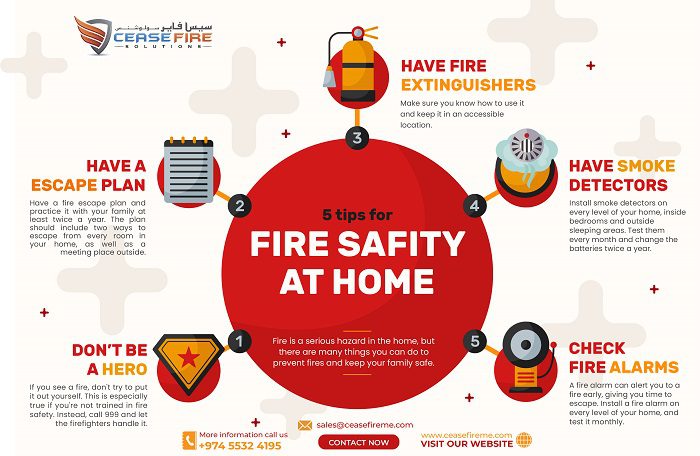
Credit: www.ceasefireme.com
Frequently Asked Questions
What Are The 10 Tips To Prevent House Fires?
Install smoke alarms and test monthly. Create and practice a fire escape plan. Stay attentive while cooking. Keep flammable items away from heat. Use electrical devices safely. Avoid overloading outlets. Store matches and lighters out of children’s reach. Keep space heaters clear of combustibles.
Never smoke in bed. Maintain a fire extinguisher and know how to use it.
How Can You Prevent Fires At Home?
Install and maintain smoke alarms and practice a fire escape plan regularly. Stay attentive while cooking and keep flammable items away. Use electrical devices safely and avoid overloading outlets. Store matches, lighters, and flammable materials securely. Keep space heaters clear and never smoke indoors or in bed.
What Is The 30/30/30 Rule For Fire?
The 30/30/30 rule for fire means evacuate if flames are within 30 feet, smoke reduces visibility to 30 feet, or heat becomes unbearable for 30 seconds.
What Is The Best Fire Prevention For Your Home?
Install and maintain smoke alarms, create a fire escape plan, practice kitchen safety, use electricity carefully, and keep fire extinguishers accessible.
Conclusion
Preventing fires at home starts with simple, smart habits. Install smoke alarms and check them regularly. Plan and practice your fire escape route with family. Stay alert while cooking and keep flammable items away. Use electrical devices safely and avoid overloading outlets.
Keep space heaters clear of anything that can burn. Store matches, lighters, and flammable liquids out of children’s reach. Always handle smoking materials carefully and never smoke in bed. Having a fire extinguisher nearby and knowing how to use it helps too.
Small steps protect your home and loved ones from fire dangers. Stay safe every day.