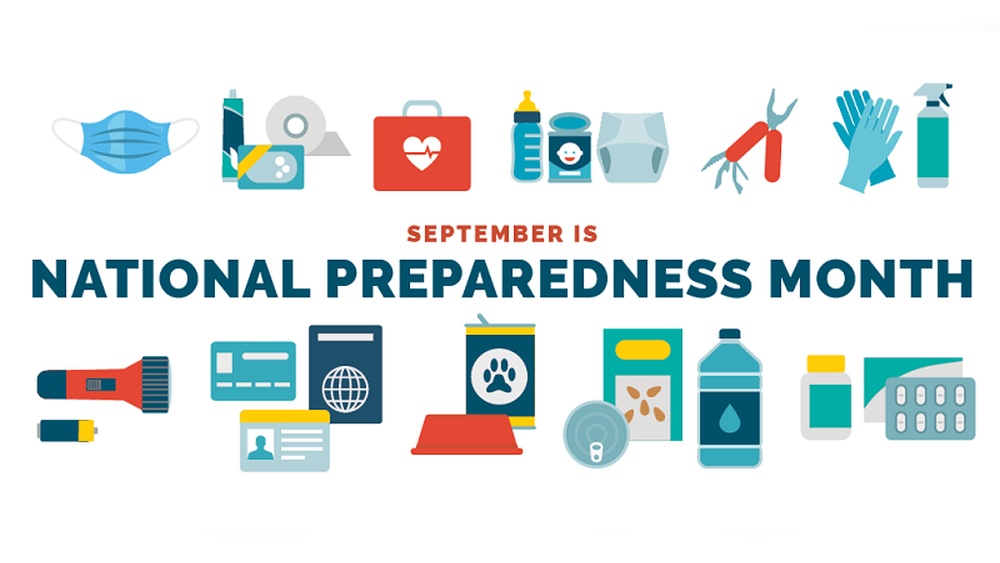

September is Emergency Preparedness Month—a crucial time for you to take control of your safety and well-being. Imagine facing a sudden storm, power outage, or other disaster without a plan.
How would you protect your family, your home, or your business? This month is your chance to change that. By knowing the risks in your area, creating a simple emergency plan, and assembling a basic supply kit, you can feel confident no matter what happens.
Keep reading to discover easy steps that will help you stay ready and secure when emergencies strike. Your peace of mind starts here.
National Preparedness Month Basics
National Preparedness Month Basics cover the essential facts about this important annual event. It aims to raise awareness about disaster readiness. Everyone can benefit from learning how to prepare. This knowledge helps protect families, homes, and communities from emergencies.
Preparedness is simple. It starts with understanding risks and making a plan. Gathering supplies and staying informed are key steps. National Preparedness Month encourages people to act before disaster strikes.
Purpose And Significance
National Preparedness Month promotes readiness for all types of emergencies. It highlights the need to be proactive, not reactive. The goal is to reduce the impact of disasters on lives and property. Preparedness saves time, money, and lives. It builds stronger, safer communities.
Key Sponsors And Supporters
The Federal Emergency Management Agency (FEMA) leads this initiative. Its Ready Campaign provides resources and guidance. Other partners include local governments, nonprofits, and businesses. They work together to spread the message. Volunteers and citizens also play a vital role in success.
Timing And Annual Observance
National Preparedness Month takes place every September. This timing allows people to prepare before the winter season. Events, workshops, and drills happen nationwide. The month-long focus helps keep readiness top of mind. It reminds everyone that emergencies can happen anytime.
Identifying Local Risks
Identifying local risks is a key step in emergency preparedness. Understanding the types of disasters common to your area helps you plan better. It also prepares you to protect your family and property effectively.
Knowing what natural or man-made hazards can strike your region guides you in making smart safety choices. Local risks vary widely across different parts of the country. Being aware of these risks reduces surprises during an emergency.
Common Disasters By Region
Different regions face different disaster threats. Coastal areas often deal with hurricanes and flooding. Inland locations may experience tornadoes or wildfires. Earthquakes are common in certain fault zones. Snowstorms affect northern states more than others. Each area has unique challenges to plan for.
Researching your local history of disasters gives insight into what to expect. Local government websites and emergency services provide useful data. Knowing these risks helps you prioritize which emergencies to prepare for first.
Assessing Home And Community Vulnerabilities
Look closely at your home’s structure and surroundings. Are there trees that could fall during storms? Is your house built to withstand local hazards? Check for risks like gas leaks or electrical issues that can worsen disasters.
Evaluate your neighborhood’s emergency services and evacuation routes. Communities with good support systems recover faster from disasters. Identifying weak points helps you address safety gaps early. Planning and fixing vulnerabilities improves overall resilience.
Creating A Family Emergency Plan
Creating a family emergency plan is essential for safety during unexpected events. This plan helps everyone know what to do and where to go. It reduces fear and confusion in a crisis. Planning together brings peace of mind and protects loved ones.
Start by discussing possible emergencies and agreeing on clear steps. Make sure each family member understands their role. Keep the plan simple and easy to follow. Review and practice the plan regularly to stay prepared.
Communication Strategies
Decide how your family will communicate during an emergency. Choose a primary and a backup contact outside your area. Text messages often work better than calls in disasters. Share important phone numbers with every family member. Agree on a code word to confirm everyone is safe.
Evacuation Routes And Meeting Points
Plan several safe routes out of your home and neighborhood. Know the fastest way to leave and alternatives in case of blocked roads. Pick two meeting points: one near your home and one outside your neighborhood. Make sure everyone knows these locations. Practice evacuating together to build confidence.
Special Considerations For Children And Pets
Keep children’s needs in mind when making your plan. Assign a trusted adult to care for younger kids during emergencies. Pack comfort items like toys or blankets to ease stress. Include pets in your plan with food, water, and carriers ready. Know which shelters accept pets and plan accordingly.
Credit: www.edwards.af.mil
Building An Emergency Supply Kit
Building an emergency supply kit is a key step in staying safe during a disaster. This kit helps you have the right items ready for quick access. It can support you and your family for at least 72 hours. Preparing a kit means less worry and faster response in emergencies. Focus on essentials that keep you healthy and secure.
Essential Food And Water Supplies
Store enough water for each person in your family. Plan for at least one gallon per person daily. Choose non-perishable foods like canned goods and dry snacks. Pick items that need little or no cooking. Include baby food or special diet items if needed. Rotate supplies regularly to keep them fresh.
Medical And First Aid Needs
Keep a first aid kit with bandages, antiseptics, and pain relievers. Add prescription medicines and extra glasses or contacts. Include items like gloves and masks for hygiene. Consider adding a thermometer and any special medical devices. Check expiration dates and replace used or outdated items.
Tools And Equipment
Gather tools like a flashlight, batteries, and a manual can opener. A whistle helps signal for help if needed. Pack a multi-tool or small knife for various tasks. Include waterproof matches or a lighter for fire. Have a battery-powered or hand-crank radio to receive news. Store these items in a sturdy, easy-to-carry container.
Staying Informed During Emergencies
Staying informed during emergencies is vital for safety and quick action. Accurate information helps people make smart decisions. Reliable updates reduce panic and confusion. Knowing what is happening around you can save lives. It allows families to stay prepared and respond effectively.
Reliable Information Sources
Trusted news outlets provide timely updates during crises. Official government websites share accurate warnings and instructions. Local authorities often post alerts on social media. Use sources that verify facts before sharing. Avoid rumors and unconfirmed reports to prevent misinformation.
Emergency Alert Systems
Emergency alert systems send urgent messages directly to phones. These alerts include weather warnings and evacuation orders. Many communities use sirens and radio broadcasts too. Signing up for alerts increases your chances of receiving important news. Always keep your devices charged and nearby.
Backup Communication Methods
Power outages can disrupt regular communication. Having backup methods ensures you stay connected. Battery-powered radios receive emergency broadcasts without electricity. Walkie-talkies work well for short distances. Agree on meeting points and signals with family in advance.

Credit: www.arlingtonva.us
Community Preparedness Actions
Community preparedness strengthens safety for everyone. It builds trust and helps neighbors support each other during crises. Taking action together improves response and recovery after emergencies. Community involvement is vital to face natural disasters or other threats.
Participating in community efforts also educates residents about risks and safety steps. Small actions can save lives and reduce damage. Everyone has a role in creating a safer, more prepared neighborhood.
Volunteer Opportunities
Volunteering in local emergency services offers hands-on experience. Many organizations need help with planning and response. Roles include training, communication, or assisting during drills and disasters. Volunteers gain skills and strengthen community resilience. Signing up with fire departments, Red Cross, or community emergency teams is a good start.
Local Emergency Drills
Emergency drills prepare residents for real situations. They test plans and identify weaknesses before a disaster occurs. Drills may involve evacuations, shelter setups, or communication tests. Joining these exercises helps people learn what to do and where to go. Communities improve their readiness and response times through regular practice.
Supporting Vulnerable Neighbors
Helping elderly or disabled neighbors enhances community safety. These individuals may need extra assistance during emergencies. Checking on them regularly and sharing preparedness information is important. Creating buddy systems ensures no one is left behind. Providing transportation or emergency supplies can save lives in critical moments.
Using Technology For Preparedness
Technology plays a key role in emergency preparedness. It helps people stay informed and ready. Digital tools provide fast access to important information. These tools improve safety and response during crises. Using technology wisely can save lives and reduce damage.
Emergency Apps And Alerts
Emergency apps give real-time updates on disasters. They send alerts about weather, fires, floods, and other dangers. Many apps include safety tips and checklists. Users can report emergencies or request help through some apps. Download trusted emergency apps before a crisis occurs. Keep your phone charged to receive alerts anytime.
Social Media For Updates
Social media platforms share quick updates from officials and news outlets. Follow local agencies and emergency services for accurate info. Social media helps spread warnings and instructions fast. It also connects community members for support and resources. Use it carefully to avoid false information. Verify updates from official sources only.
Power Backup Solutions
Power outages often happen during emergencies. Backup power keeps essential devices running. Portable chargers and power banks help charge phones and small gadgets. Generators provide electricity for longer periods. Solar-powered chargers work well if fuel is unavailable. Prepare backup solutions to stay connected and safe.
Preparedness For Specific Emergencies
Preparedness for specific emergencies requires tailored plans. Different disasters need different actions. Understanding risks helps create effective responses. This section covers key emergencies people face.
Wildfires And Floods
Wildfires spread quickly and cause severe damage. Plan evacuation routes and keep emergency supplies ready. Clear dry leaves and brush around your home. Know local alerts and warnings for wildfires.
Floods can happen suddenly or slowly. Move valuables to higher ground before floods. Avoid walking or driving through floodwaters. Prepare a waterproof kit with essentials like food and water.
Hurricanes And Tornadoes
Hurricanes bring strong winds and heavy rain. Secure windows and doors with storm shutters. Store extra water and non-perishable food. Follow evacuation orders immediately.
Tornadoes appear with little warning. Identify a safe room or basement in your home. Keep a weather radio or app to track storms. Protect your head and neck during a tornado.
Pandemics And Health Crises
Pandemics require hygiene and social distancing. Keep hand sanitizer and masks available. Stay informed about local health guidelines. Have a plan for medication and doctor visits.
Health crises affect daily routines. Prepare for limited access to supplies. Support mental health by staying connected with others. Follow official advice to reduce illness risk.
Credit: mil.wa.gov
Frequently Asked Questions
What Month Is The Emergency Preparedness Month?
Emergency Preparedness Month occurs every September. FEMA sponsors it to promote disaster readiness in homes, businesses, and communities.
What Are The 5 Phases Of Preparedness?
The five phases of preparedness are mitigation, preparedness, response, recovery, and prevention. These phases help manage disasters effectively.
Is October A National Preparedness Month?
No, October is not National Preparedness Month. FEMA designates September as the official month for emergency preparedness awareness.
What To Do For National Preparedness Month?
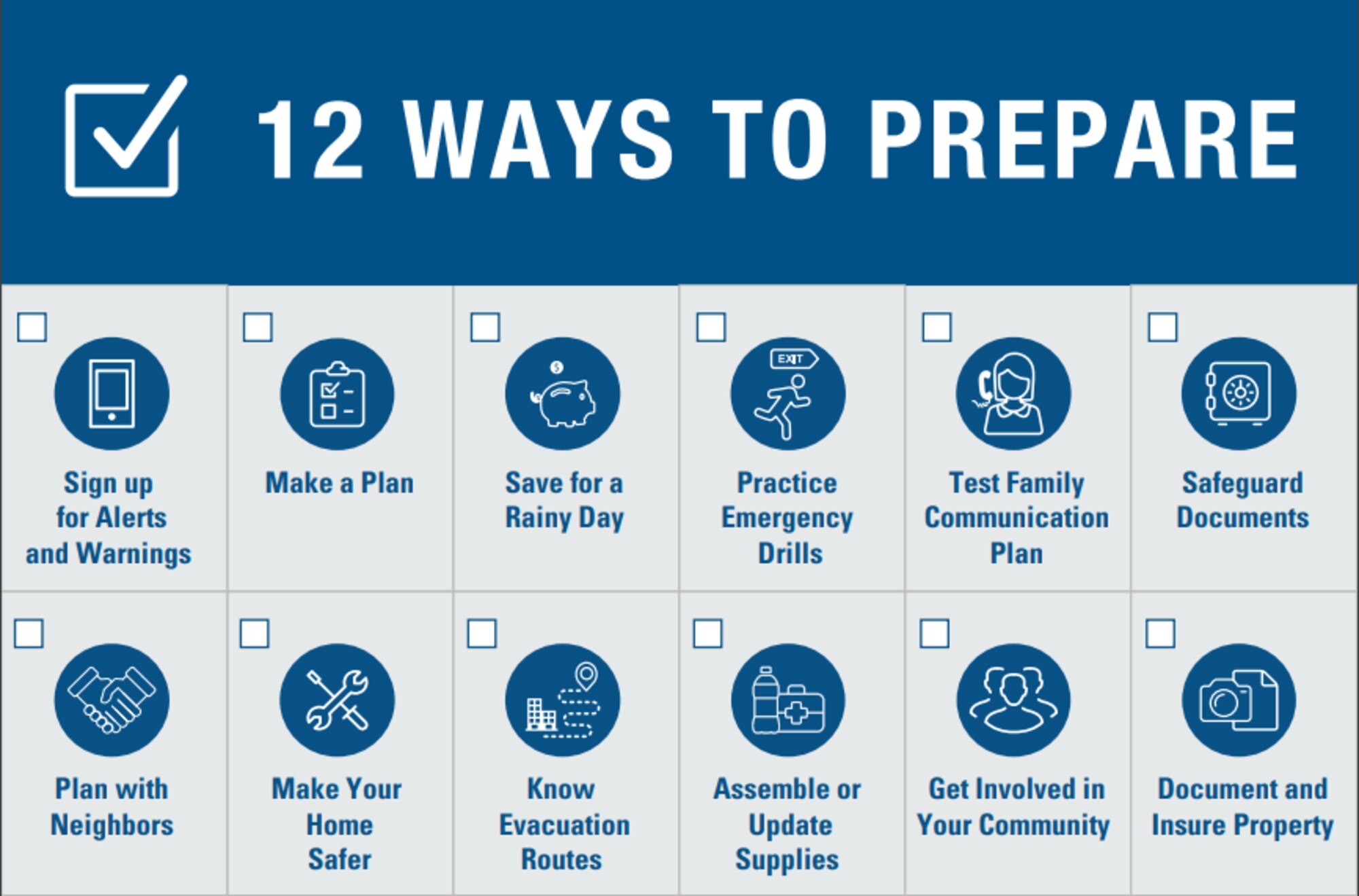
Assess local risks and hazards. Create a family emergency plan. Assemble an emergency supply kit. Stay informed through reliable sources. Participate in community preparedness activities.
Conclusion
Emergency Preparedness Month helps everyone stay ready for emergencies. Knowing your risks can protect your family. Making a clear plan saves time and stress. Having supplies ready is important for safety. Taking simple steps now can make a big difference later.
Stay informed and practice your plan regularly. Being prepared means staying safe in any situation. Keep your family and community strong this September and beyond.