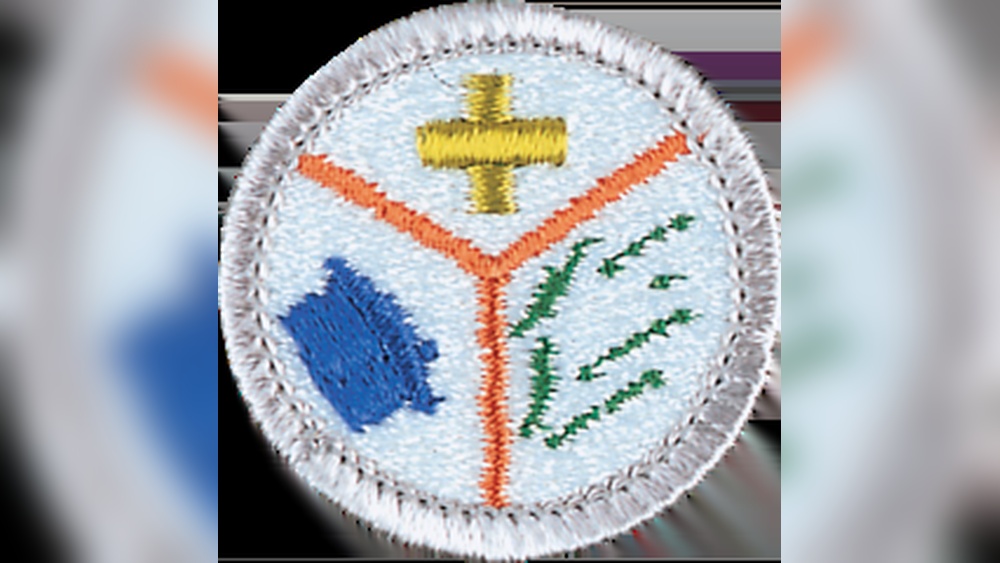

Are you ready to take control when emergencies strike? The Merit Badge in Emergency Preparedness equips you with the skills and knowledge to stay calm, act fast, and help others during unexpected situations.
Whether it’s a natural disaster, power outage, or any urgent event, learning how to prepare can make all the difference. You’ll discover practical tips, essential safety steps, and expert advice to confidently earn your badge—and be the person everyone turns to when it matters most.
Keep reading to find out how you can become truly prepared and make a real impact.
Credit: scoutingevent.com
Badge Basics
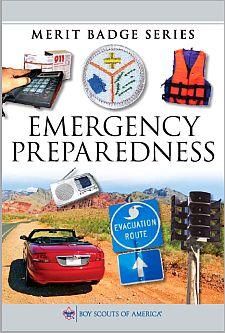
The Emergency Preparedness merit badge teaches Scouts how to stay safe during crises. Scouts learn to act quickly and wisely in emergencies. This badge builds confidence and practical knowledge for real-life situations.
Understanding the badge basics helps Scouts know what to expect. It covers the purpose, skills, and requirements needed to earn this important badge.
Merit Badge Purpose
This badge aims to prepare Scouts for emergencies at home, school, or outdoors. It encourages planning ahead and taking responsible actions. Scouts learn how to protect themselves and others in dangerous situations.
Key Skills Taught
Scouts gain skills like first aid, fire safety, and emergency planning. They learn to create emergency kits and communication plans. The badge also teaches how to respond to natural disasters and accidents safely.
Badge Requirements
To earn this badge, Scouts must complete tasks such as making a family emergency plan. They also need to know local emergency resources and practice safety drills. The badge requires understanding emergency services and how to help during a crisis.
Credit: usscouts.org
Emergency Types
Understanding different types of emergencies is vital for earning the Emergency Preparedness Merit Badge. Emergencies come in many forms, each requiring specific actions and knowledge. Scouts must learn to identify and respond to these various risks to stay safe and help others.
Natural Disasters
Natural disasters include events caused by nature. Examples are earthquakes, floods, hurricanes, tornadoes, and wildfires. These disasters can strike suddenly and cause damage to homes and communities. Scouts should know how to prepare emergency kits and evacuation plans for these situations. Recognizing warning signs helps reduce harm and saves lives.
Man-made Emergencies
Man-made emergencies happen because of human actions or accidents. Fires, chemical spills, power outages, and transportation accidents fall into this category. These emergencies can spread quickly and create dangerous conditions. Scouts learn to react calmly and follow safety procedures. Knowing how to call for help and assist others is essential.
Community Risks
Each community faces unique risks based on location and environment. Some areas may have higher chances of floods or industrial accidents. Scouts should research local hazards and understand emergency plans set by their community. Being aware of these risks helps Scouts prepare better and support neighbors during crises.
Planning Ahead
Planning ahead is the key to staying safe during emergencies. It helps you act quickly and calmly. Scouts learn to prepare for different situations by thinking ahead. This skill is important for every family and community. Proper planning can reduce panic and confusion when disaster strikes.
Family Emergency Plans
Every family needs a clear emergency plan. Discuss what to do in case of fire, flood, or other dangers. Decide on safe meeting places both inside and outside your neighborhood. Assign roles to family members, such as who grabs the emergency kit. Practice the plan regularly so everyone remembers it well.
Communication Strategies
Good communication saves lives during emergencies. Choose a reliable way to contact each other, like phone calls or text messages. Have a list of important phone numbers written down. Use social media or apps designed for emergency alerts. Make sure everyone knows how to send and receive messages fast.
Evacuation Routes
Know the safest routes to leave your home or school. Plan more than one way out in case a road is blocked. Mark these routes on a map and keep copies at home and in your backpack. Practice walking or driving these routes. Being familiar with them helps reduce stress during an evacuation.
Survival Skills
Survival skills are essential for anyone preparing for emergencies. These skills help scouts stay safe and manage unexpected situations. Learning basic survival techniques increases confidence and readiness. Scouts develop practical knowledge that can save lives.
First Aid Basics
Knowing first aid is vital in emergencies. Scouts learn how to treat cuts, burns, and bruises. They practice cleaning wounds to prevent infection. CPR and helping someone who is choking are important skills. First aid knowledge can reduce injury severity before professional help arrives.
Fire Safety
Fire safety teaches scouts how to prevent fires and react safely. Scouts learn to build fires correctly and control flames. They practice extinguishing fires using water or dirt. Understanding smoke dangers and escape plans is key. Fire safety skills protect scouts and others from harm.
Shelter Building
Building shelters helps scouts stay safe from weather and wildlife. Scouts learn to use natural materials like branches and leaves. They practice making simple, strong shelters quickly. Shelters provide warmth and protection during emergencies. Knowing how to build a shelter boosts survival chances.
Emergency Kits
Emergency kits play a crucial role in staying safe during unexpected situations. These kits contain items needed to survive and manage emergencies. Scouts learn how to prepare and maintain these kits as part of earning the Merit Badge Emergency Preparedness. Building a reliable emergency kit means having the right supplies, tailoring it to your needs, and keeping it ready for use.
Essential Supplies
An emergency kit should include basic items for survival. Water and non-perishable food are top priorities. A first aid kit helps treat injuries. Flashlights with extra batteries provide light in the dark. A whistle can signal for help. Other useful supplies are a multi-tool, blankets, and hygiene products. These items support safety and comfort during emergencies.
Customizing Your Kit
Every person or family has unique needs. Consider adding medications, glasses, or baby supplies if needed. Think about your climate and local risks, such as floods or earthquakes. Adjust your kit to include items that fit these conditions. Personal documents and cash can also be important. Customizing helps ensure your kit works well for you.
Maintenance Tips
Keep your emergency kit ready at all times. Check the supplies regularly to replace expired food and batteries. Store the kit in an easy-to-reach place known to all family members. Update your kit as your needs change over time. Practicing how to use the kit can improve your readiness. Regular care ensures your kit stays effective in an emergency.

Credit: www.scoutshop.org
Community Resources
Community resources play a crucial role in emergency preparedness. They offer support, information, and help during crises. Scouts learn how to connect with these resources to stay safe and help others. Knowing what is available in your community builds confidence and readiness.
Emergency Management Contacts
Every community has emergency management officials. These people plan for disasters and coordinate responses. Scouts should find out who leads their local emergency management office. This contact helps provide updates and guidance during emergencies. Knowing this contact can save valuable time.
Local Support Services
Local support services include fire departments, police, and medical centers. They respond quickly in emergencies to protect people and property. Scouts can learn what each service does and how to reach them. Many communities also have shelters and food banks ready to assist. Being aware of these services helps everyone stay prepared.
Volunteer Opportunities
Volunteering is a great way to support emergency efforts. Many organizations welcome help from community members. Scouts can join groups like the Red Cross or local emergency response teams. Volunteering teaches important skills and builds stronger communities. It also shows scouts the value of teamwork in emergencies.
Practice Drills
Practice drills form the backbone of effective emergency preparedness for Scouts. These exercises build confidence and readiness by simulating real-life emergencies. Regular practice helps Scouts recognize hazards and respond quickly. It also teaches teamwork and communication skills essential during crises. Drill routines should be simple and clear, ensuring every Scout understands their role.
Home Drills
At home, Scouts can practice common emergency responses. Fire drills teach safe evacuation routes and meeting points. Scouts learn to check smoke detectors and handle fire extinguishers. They also practice what to do during earthquakes or severe weather. These drills build habits that protect families during actual emergencies. Parents can join to reinforce safety rules.
Scout Group Exercises
Group drills create a sense of shared responsibility. Scouts work together to solve problems and follow safety plans. Leaders organize mock emergencies like lost hikers or first aid scenarios. These exercises improve leadership and decision-making skills. Scouts learn how to communicate clearly and support each other. Group drills also test gear and supplies to ensure readiness.
Evaluating Preparedness
After drills, evaluation highlights strengths and areas to improve. Leaders review actions taken and timing during the exercise. Scouts share what worked well and what caused confusion. This feedback helps update emergency plans and training. Consistent evaluation ensures skills stay sharp and responses become faster. It prepares Scouts to face real emergencies calmly and effectively.
Real-life Applications
The Merit Badge in Emergency Preparedness teaches skills that Scouts can use every day. Learning these skills helps Scouts stay calm and act fast during emergencies. The knowledge gained applies beyond Scouting and can save lives.
Understanding real-life applications makes the training meaningful. Scouts learn to face unexpected events, help others, and build confidence. These abilities prepare them for many situations in life.
Handling Unexpected Events
Emergencies can happen at any time. Scouts learn to stay calm and think clearly. They practice making quick decisions under pressure. This training helps them handle power outages, storms, or accidents. Being ready reduces fear and confusion.
Helping Others In Need
Emergency Preparedness teaches Scouts to assist people during crises. They learn first aid, fire safety, and how to call for help. Scouts can support family, friends, and neighbors. Helping others creates strong communities and saves lives.
Building Confidence
Training builds courage and self-reliance. Scouts feel ready to face challenges alone or in groups. Confidence grows with every skill learned and practiced. This strength encourages Scouts to take action and lead in emergencies.
Frequently Asked Questions
What Is The Emergency Preparedness Merit Badge?
The Emergency Preparedness merit badge teaches Scouts how to prepare for, respond to, and recover from emergencies. It covers planning, safety skills, and community resources to increase readiness. Earning this badge builds confidence and practical knowledge for handling unexpected disasters.
Why Is Emergency Preparedness Important For Scouts?
Emergency preparedness helps Scouts stay safe during disasters by teaching essential survival skills. It encourages responsibility, quick thinking, and teamwork. Being prepared reduces risk and empowers Scouts to help themselves and others effectively in emergencies.
What Skills Are Required To Earn This Badge?
Scouts must learn risk assessment, first aid, emergency plans, and communication strategies. They practice creating emergency kits and understand local emergency services. The badge emphasizes practical skills and knowledge to manage real-life emergency situations.
How Can Scouts Practice Emergency Preparedness At Home?
Scouts should create a family emergency plan and assemble a disaster supply kit. They can identify safe spots in their home and practice evacuation drills. These actions ensure readiness and help families respond calmly during emergencies.
Conclusion
Earning the Emergency Preparedness merit badge builds valuable life skills. Scouts learn how to plan for many types of emergencies. Being ready helps protect yourself and others. The badge encourages teamwork and quick thinking. Each lesson boosts confidence in handling tough situations.
Prepare now to stay safe when emergencies happen. This knowledge serves Scouts throughout their lives. Start practicing and take small steps today. Safety is a skill everyone can develop and use.