
Electrical fires can start quietly and quickly, putting your home and loved ones at serious risk. But here’s the good news—you have the power to prevent them.
By making simple changes in how you use and care for your electrical devices, you can keep your home safe from this hidden danger. You’ll discover easy, practical steps that protect your home from electrical fires. Keep reading, because the safety of your home depends on what you do today.

Credit: roarengineering.com
Outlet Overload Risks
Outlet overload is a common cause of electrical fires at home. It happens when too many devices draw power from one outlet or circuit. This overload causes the wiring to heat up. Overheated wires can melt insulation and start fires. Understanding outlet overload risks helps keep your home safe.
Distribute Electrical Loads
Spread out your electrical devices across several outlets. Avoid plugging many high-power devices into one outlet. This reduces the chance of overheating. Use different circuits for heavy appliances like microwaves and heaters. Balanced load prevents stress on wiring and lowers fire risk.
Limit Power Strip Use
Power strips are handy but can be dangerous if overused. Do not connect multiple power strips together. Avoid plugging too many devices into one strip. Choose power strips with built-in overload protection. Turn off or unplug strips when not in use to reduce hazards.

Credit: www.wirechiefelectric.com
Proper Appliance Connections
Proper appliance connections are essential to prevent electrical fires at home. Many fires start from faulty plugs or overloaded outlets. Ensuring appliances connect safely keeps your home secure. It also helps your devices work efficiently without risks. Follow simple rules to connect appliances correctly and reduce fire hazards.
Plug Major Appliances Directly
Always plug major appliances like refrigerators and dryers directly into wall outlets. These appliances draw high power and can overload extension cords. Using the wall outlet ensures stable power supply and prevents overheating. Avoid using power strips or extension cords for these devices. This practice reduces the risk of sparks and fires.
Temporary Extension Cord Use
Use extension cords only for short-term needs. Do not rely on them as permanent solutions. Choose cords that match the appliance’s power requirements. Avoid running cords under rugs or furniture where heat can build up. Always unplug extension cords when not in use. This lowers the chance of overheating and electrical fires.
Device Unplugging Habits
Good device unplugging habits play a big role in preventing electrical fires at home. Many fires start because devices stay plugged in all the time. Devices that are not in use still draw power. This can cause overheating and increase fire risk. Practicing proper unplugging helps reduce this danger. It also saves energy and extends device life.
Unplug When Not In Use
Always unplug devices when you are done using them. Chargers, kitchen gadgets, and entertainment devices should not stay plugged in. Many devices continue to draw power even when turned off. This is called “phantom load.” It can cause heat build-up in outlets or cords. Unplugging stops this power flow and lowers fire risk. It also cuts down on your electricity bill. Make it a habit to unplug all small appliances after use.
Disconnect Fully Charged Devices
Remove devices from chargers once they are fully charged. Leaving phones, tablets, or laptops plugged in can cause overheating. Batteries can get too hot if charging continues after reaching 100%. This may damage the battery or cause sparks. Use timers or smart plugs to help manage charging times. Always place charging devices on hard, flat surfaces to avoid heat trapping. Disconnecting fully charged devices protects your home from electrical fires and keeps devices safe.
Cord And Plug Maintenance
Maintaining cords and plugs is vital to avoid electrical fires at home. Damaged cords can cause sparks and overheating. Regular care keeps your home safe and your devices working well. Simple checks and timely replacements stop hazards before they start.
Inspect For Damage Regularly
Look over all cords and plugs every few weeks. Check for cracks, splits, or worn areas on the cord covering. Examine the plug’s prongs for bending or discoloration. Any damage can lead to electrical sparks or fires. Pay close attention to cords near doors, windows, or heavy furniture. These spots often cause wear or pinching.
Replace Frayed Or Cracked Cords
Replace cords that show signs of fraying or cracks right away. Do not try to fix damaged cords with tape or glue. Faulty cords can overheat and start fires. Buy new cords that match your device’s power needs. Use cords approved by safety standards. Removing old, damaged cords reduces risks and protects your home.
Light Bulb Safety
Light bulb safety is essential to prevent electrical fires at home. Using bulbs incorrectly can cause overheating and damage. Understanding simple safety tips protects your home and family from fire hazards.
Use Correct Wattage
Always check the fixture’s recommended wattage before installing a bulb. Using bulbs with higher wattage than advised can cause excessive heat. This heat may damage the fixture or start a fire. Stick to the wattage limits printed on the lamp or fixture label. Choose energy-efficient LED bulbs when possible. They produce less heat and save electricity.
Avoid Overheating Fixtures
Keep light fixtures clean and free of dust. Dust buildup traps heat and raises the temperature inside the fixture. Turn off lights when not needed to reduce heat buildup. Avoid covering bulbs with cloth or paper, which blocks ventilation. Use fixtures designed for enclosed spaces only with bulbs rated for them. Proper airflow around bulbs helps prevent overheating and fire risks.
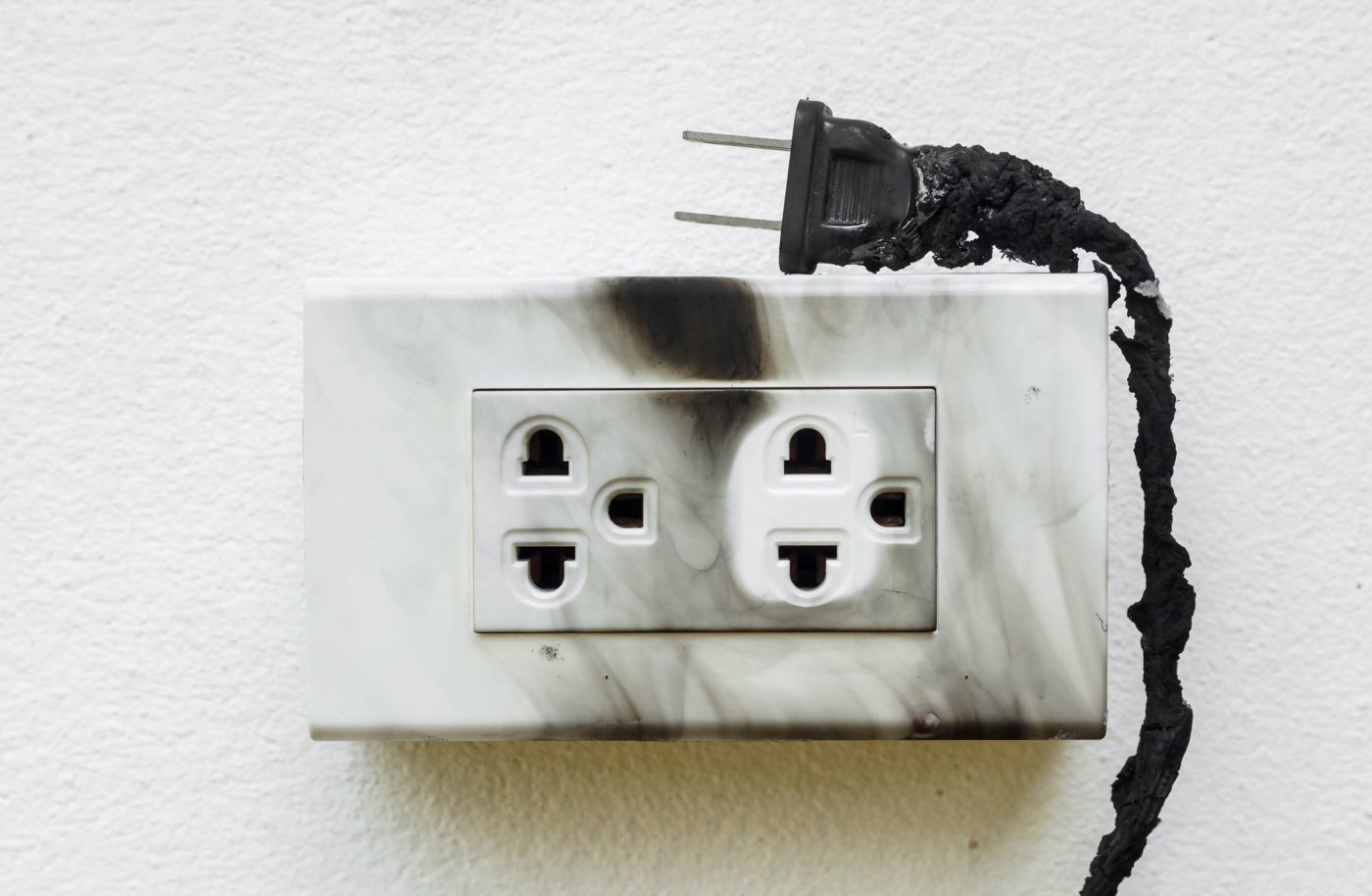
Credit: www.rootelectric.com
Safe Charging Practices
Safe charging practices play a key role in preventing electrical fires at home. Charging devices properly reduces the risk of overheating and sparks. Small habits can make a big difference in home safety.
Always pay attention to where and how you charge your gadgets. Choosing the right surface and charger keeps devices cool and safe. This section highlights two important tips for safe charging.
Charge On Hard Surfaces
Place your phone, laptop, or tablet on hard, flat surfaces while charging. Avoid soft materials like beds, sofas, or pillows. These can trap heat and cause devices to overheat. Overheating raises the chance of fire. Hard surfaces help air circulate and cool the device. Charging on tables or desks is the safest option.
Use Manufacturer Chargers
Always use chargers made by the device’s manufacturer. These chargers match the device’s power needs perfectly. Cheap or fake chargers may deliver wrong voltage or current. This can damage the battery and cause overheating. Manufacturer chargers have safety features to prevent electrical faults. Using the correct charger lowers fire risks and prolongs device life.
Appliance Condition Checks
Regular checks on your appliances help prevent electrical fires at home. Appliances with worn-out parts or damaged cords can spark fires quickly. Simple inspections can catch problems early, keeping your home safer. Pay attention to how your devices work and look every day.
Watch For Sparks And Smoke
Sparks or smoke near an appliance mean danger. Stop using the device immediately. Sparks show that electricity is not flowing safely. Smoke can come from overheated wires or parts. These signs should never be ignored. Check cords and plugs for damage regularly. Replace anything that looks burnt or worn.
Seek Professional Repairs
Do not try to fix electrical problems yourself. Call a licensed electrician or appliance repair expert. Professionals know how to handle electrical faults safely. They can replace parts without causing more damage. Regular professional checks can catch hidden risks. Always schedule repairs as soon as you notice issues.
Keeping Flammable Items Away
Keeping flammable items away from electrical sources is vital for home fire safety. Flammable materials can catch fire easily if placed too close to heat or sparks. Simple habits help reduce this risk significantly. Safe placement of these items protects your family and home from electrical fires.
Maintain Distance From Heating Sources
Keep all flammable objects at least three feet away from heaters, stoves, and electrical appliances. This space prevents heat from igniting nearby materials. Items like paper, cloth, and plastics should never touch or sit near heating units. Regularly check that nothing blocks or touches heating devices.
Clear Curtains And Furniture
Ensure curtains hang away from lamps and outlets. Fabric can catch fire if it gets too close to bulbs or cords. Furniture should not block vents or heaters either. Keep chairs, sofas, and tables at a safe distance from electrical heat sources. Clear spaces help air flow and reduce fire chances.
Professional Electrical Inspections
Professional electrical inspections play a key role in preventing electrical fires at home. Licensed electricians carefully check your home’s wiring and electrical systems. They find hidden problems that can cause fires. Regular inspections give you peace of mind and keep your family safe.
Schedule Every Ten Years
Electric systems age and wear out over time. Scheduling an electrical inspection every ten years helps catch problems early. Older homes especially need frequent checks. This routine inspection can spot outdated wiring or damaged components. It also ensures your system meets current safety codes. Staying on this schedule reduces fire risks significantly.
Identify Early Wiring Issues
Professional inspections find early signs of wiring damage. Loose connections, frayed wires, and overheating circuits can all cause fires. Electricians use special tools to detect these issues before they grow worse. Fixing wiring problems early saves money and prevents dangerous fires. Don’t wait for sparks or smoke to appear. Early detection is the best protection for your home.
Electrical Safety Upgrades
Electrical safety upgrades help reduce the risk of fires at home. These upgrades improve your home’s wiring and protect your family. Modern devices detect electrical faults early and cut power fast. Installing these devices adds an important layer of safety.
Install Afcis
Arc Fault Circuit Interrupters (AFCIs) detect dangerous electrical arcs. Arcing can cause fires by igniting nearby materials. AFCIs shut off electricity before sparks start a fire. Install AFCIs in bedrooms, living rooms, and other key areas. They provide vital protection against electrical fires.
Use Gfcis
Ground Fault Circuit Interrupters (GFCIs) prevent electric shocks near water. Bathrooms, kitchens, and outdoor outlets should have GFCIs. These devices cut power quickly if they sense a ground fault. Using GFCIs lowers fire risk and protects people from harm.
Outlet Safety Measures
Outlet safety measures play a key role in preventing electrical fires at home. Proper care of electrical outlets reduces risks of sparks and overheating. Simple actions can protect your family and property from fire hazards caused by faulty outlets.
Cover Unused Outlets
Covering unused outlets helps keep dust and debris out. It also prevents children from inserting objects inside. Use plastic safety covers designed for outlets. These covers are inexpensive and easy to install. They create a barrier that stops accidental electric shocks and sparks.
Prevent Shock Hazards
Shock hazards occur when outlets or plugs are damaged or wet. Always keep outlets dry and clean. Avoid using outlets with loose or broken covers. Replace damaged outlets immediately to avoid electric shock and fire. Use ground-fault circuit interrupter (GFCI) outlets in kitchens and bathrooms. GFCIs cut power fast when they detect unsafe currents. This feature protects people from severe shocks and electrical fires.
Frequently Asked Questions
How To Prevent Home Electrical Fires?
Avoid overloading outlets and power strips. Plug major appliances directly into wall outlets. Unplug devices when unused. Regularly inspect and replace damaged cords. Use correct wattage bulbs. Keep flammable materials away from heat sources. Have a licensed electrician inspect wiring every ten years.
Where Do Most Electrical Fires Start In A House?
Most electrical fires start in kitchens, living rooms, and bedrooms due to overloaded outlets, faulty wiring, or damaged cords.
How Do You Stop An Electrical Fire At Home?
Unplug devices immediately and never use water to extinguish electrical fires. Use a Class C fire extinguisher or smother flames with a fire blanket. Call emergency services if the fire spreads or you cannot control it safely.
Are There Warning Signs Before An Electrical Fire?
Warning signs before an electrical fire include flickering lights, burning smells, frequent circuit breaker trips, warm outlets, and damaged cords. Notice sparking or buzzing sounds from outlets or switches. Address these signs promptly to prevent fires and ensure home safety.
Conclusion
Preventing electrical fires starts with simple daily habits. Avoid overloading outlets and use appliances properly. Regularly check cords for damage and replace them if needed. Keep flammable materials away from heat sources. Use the correct wattage bulbs for all fixtures.
Unplug devices when not in use to reduce risks. Schedule professional wiring inspections every ten years. These steps protect your home and family from fire hazards. Stay safe by making electrical fire prevention a priority. Small actions can make a big difference in your home’s safety.