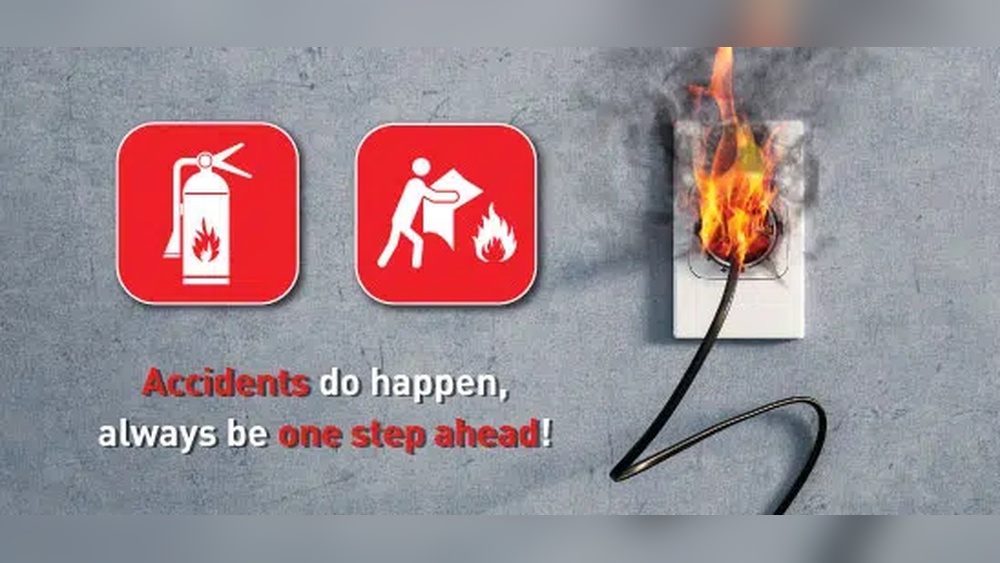

Your home should be a place of comfort and safety, but fire accidents can turn it into a nightmare in moments. Imagine how quickly a small spark could grow into a dangerous blaze, threatening your loved ones and your belongings.
The good news is, you have the power to prevent these accidents before they start. By taking simple but effective steps, you can protect your home and everyone inside it. You’ll discover practical tips and easy habits that will keep fire hazards at bay.
Stay with us to learn how to make your home a safer place—because when it comes to fire prevention, every second counts and every action matters.
Smoke Alarms
Smoke alarms save lives by alerting you early to fire hazards at home. They provide crucial time to escape safely. Installing and maintaining smoke alarms properly reduces the risk of serious injury or death.
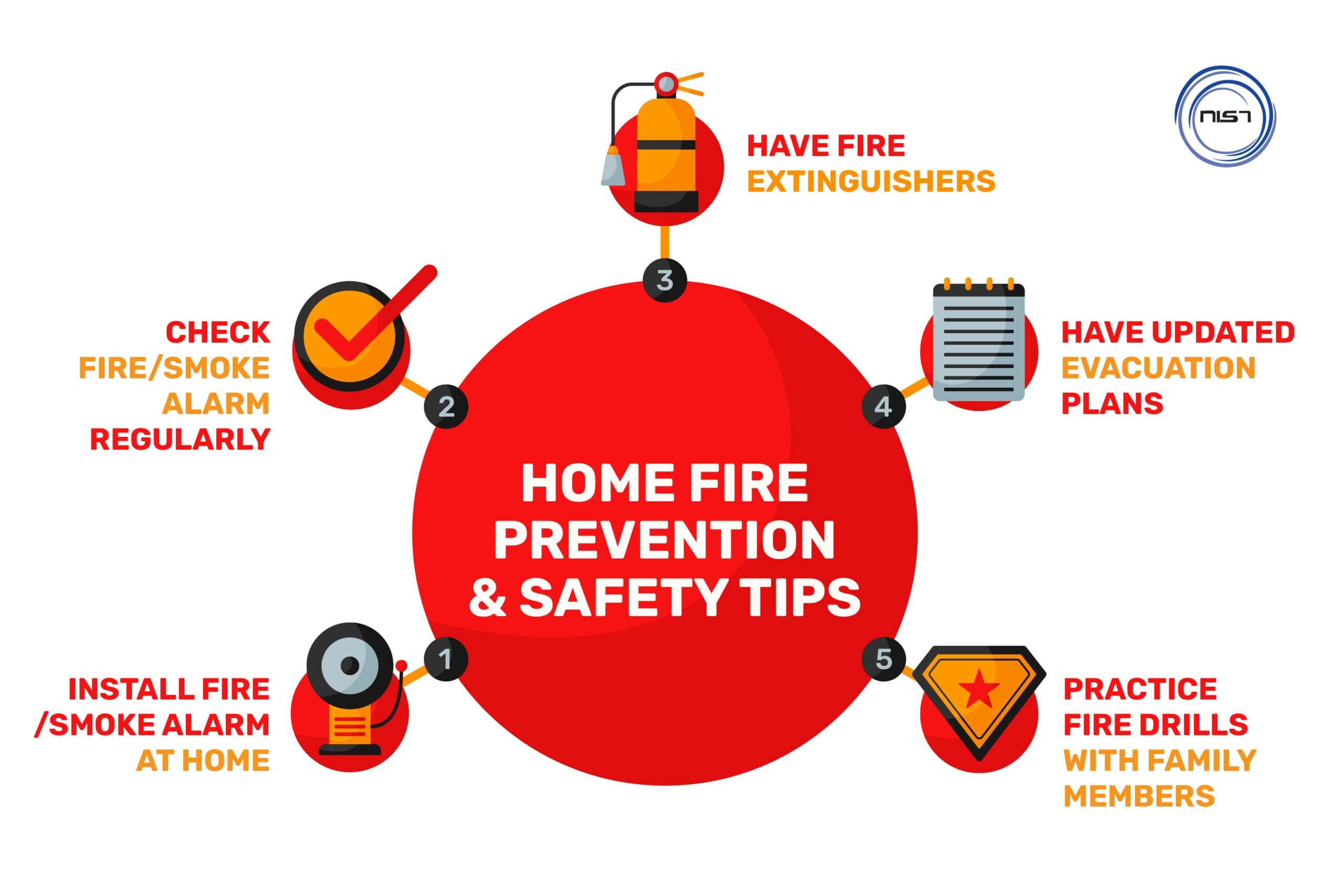
Every home should have smoke alarms on each floor, inside bedrooms, and outside sleeping areas. Simple steps keep these devices working effectively and protect your loved ones.
Proper Installation
Place smoke alarms on ceilings or high on walls. Avoid corners or areas near windows and vents. Install alarms at least 10 feet from cooking appliances to reduce false alarms. Use a smoke alarm on every level of your home and in each bedroom. Interconnected alarms alert the whole house when one detects smoke.
Regular Testing
Test smoke alarms monthly to ensure they work. Press the test button until the alarm sounds loud. If it does not, replace the batteries or the unit. Keep a log to track testing dates. Regular checks guarantee early warning during a fire.
Battery Maintenance
Change batteries at least once a year. Use fresh, high-quality batteries recommended by the manufacturer. Replace batteries immediately if alarms start chirping. Some alarms have sealed lithium batteries lasting up to ten years. Know your alarm type and maintain batteries accordingly.
Fire Escape Plans
Fire escape plans are essential for keeping your family safe during a fire. These plans help everyone know how to leave the house quickly and safely. Preparing in advance reduces panic and confusion. It also increases the chances of escaping without injury.
Creating a clear and simple fire escape plan makes a big difference. Each family member should understand the plan well. Regular practice ensures everyone can follow the steps calmly in an emergency.
Designing Escape Routes
Start by identifying at least two exits from every room. These can be doors or windows that open easily. Make sure all pathways are clear of furniture and obstacles. Check that windows are not stuck and can be used for escape. Mark the routes with visible signs or tape for easy recognition. Keep ladders nearby for upper-floor windows. The goal is to create quick and safe paths out of the home.
Family Meeting Points
Choose a safe spot outside the house where everyone will meet after escaping. This spot should be easy to reach and far from the building. Examples include a tree, mailbox, or neighbor’s driveway. Having a meeting point helps confirm everyone is out safely. It also lets firefighters know who might still be inside. Teach all family members to go directly to this spot and wait for help.
Practice Drills
Hold fire drills twice a year to practice the escape plan. Run through the routes and meeting points together. Time each drill to improve speed and efficiency. Use different times of day to simulate real situations. Teach children to stay low to avoid smoke. Remind everyone to never go back inside once outside. Regular drills build confidence and readiness for real emergencies.
Kitchen Safety
The kitchen is one of the most common places for fire accidents at home. Many fires start due to unattended cooking or improper handling of heat and flammable materials. Practicing kitchen safety helps prevent such accidents and protects your family and property.
Simple habits and careful attention can greatly reduce fire risks. Understanding key safety tips makes the kitchen a safer place for everyone.
Supervision While Cooking
Never leave cooking food unattended on the stove or in the oven. Fires can start quickly if food boils over or catches fire. Stay close and keep an eye on what you cook at all times. Use timers to remind you when to check your food.
Safe Distance For Flammables
Keep flammable items like kitchen towels, paper towels, and curtains away from heat sources. Store them at least three feet from stoves and ovens. Avoid placing plastic containers or packaging near burners. This simple step prevents accidental ignition.
Handling Hot Oils
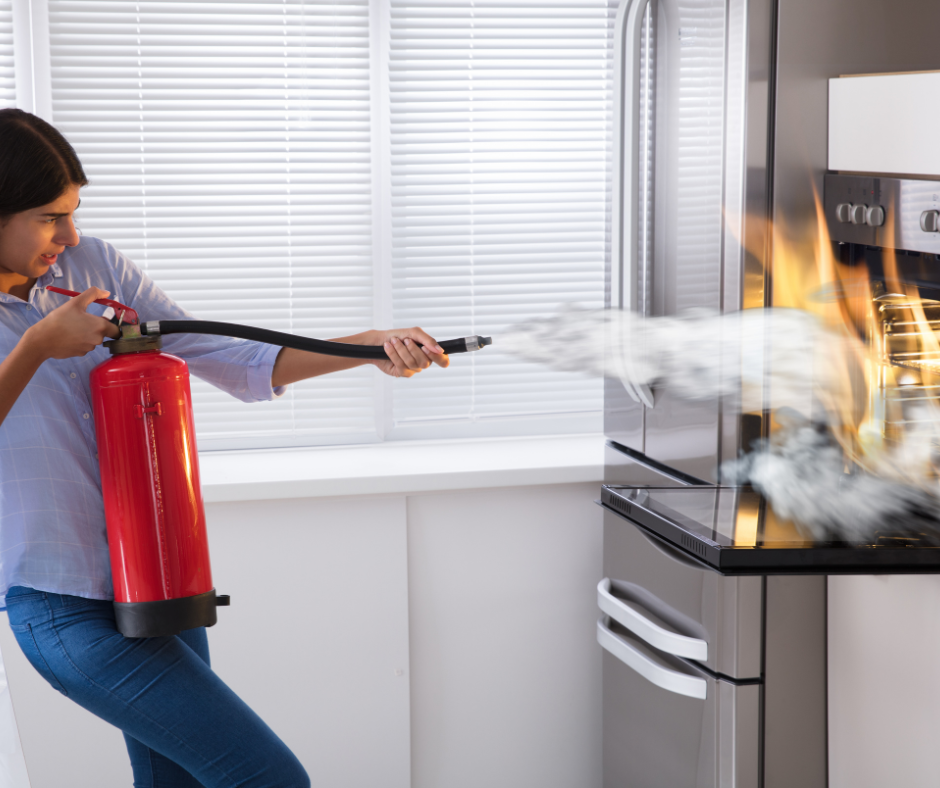
Hot oil can catch fire easily and cause severe burns. Heat oil slowly and never leave it unattended. Use a deep pan to reduce splashing. Keep a lid nearby to cover the pan if the oil ignites. Never pour water on an oil fire. Instead, smother the flame with a lid or use a fire extinguisher designed for grease fires.
Credit: nistglobal.com
Open Flame Precautions
Open flames are common in many homes. They add warmth and light but can also cause fires. Taking simple safety steps helps prevent accidents. Careful handling and awareness reduce risks effectively.
Using Candles Safely
Place candles on stable, heat-resistant surfaces. Keep them away from curtains, papers, and flammable items. Never leave a burning candle unattended. Extinguish candles before leaving the room or going to sleep. Use candle holders that catch dripping wax. Trim wicks to about ¼ inch to avoid large flames.
Proper Use Of Fireplaces
Check that the fireplace and chimney are clean and clear. Use a screen to stop sparks from flying into the room. Burn only dry, seasoned wood to reduce smoke and creosote buildup. Never leave a fire unattended. Make sure the fire is fully out before leaving or going to bed. Keep flammable materials at least three feet away from the fireplace.
Outdoor Flame Safety
Keep grills and fire pits away from the house and trees. Clear the area around outdoor flames of dry leaves and debris. Never leave outdoor fires or grills unattended. Use a hose or bucket of water nearby to put out flames quickly. Avoid using flammable liquids to start or speed up fires. Ensure outdoor flames are completely extinguished after use.
Electrical Safety
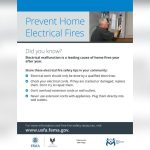
Electrical safety is a key part of preventing fire accidents at home. Faulty wiring, damaged cords, and misuse of appliances often lead to fires. Taking simple steps to ensure electrical systems are safe can protect your family and property.
Regular checks and cautious use help avoid dangerous situations. Understanding how to handle electrical items properly reduces fire risk. Everyone in the house should know basic electrical safety rules.
Inspecting Cords And Outlets
Check all cords for cuts, frays, or exposed wires. Replace damaged cords immediately to stop sparks or shorts. Ensure outlets are not cracked or loose, as they can cause overheating. Use outlet covers to protect unused sockets, especially if children are around.
Avoiding Overloads
Do not plug too many devices into one outlet or power strip. Overloaded circuits heat up and may ignite fires. Spread appliances across multiple outlets in different rooms. Turn off and unplug devices when not in use to reduce electrical load.
Safe Use Of Appliances
Follow manufacturer instructions for all electrical appliances. Keep them clean and well-maintained to avoid malfunctions. Do not use appliances near water to prevent shocks and fire. Unplug small appliances like toasters and irons after use.
Fire Prevention Education
Fire prevention education plays a vital role in keeping homes safe. Teaching people about fire risks and safety steps can reduce accidents. Education informs families about fire hazards and how to avoid them. It also prepares them to act quickly during emergencies.
Effective fire prevention education reaches everyone in the community. It starts with raising awareness and continues through schools and public campaigns. These efforts build a safer environment for all.
Community Awareness
Community awareness programs help spread fire safety knowledge locally. Workshops and meetings show how to prevent fires at home. Firefighters often visit neighborhoods to share safety tips. These events encourage residents to check smoke alarms and plan escape routes. The community becomes stronger when everyone understands fire risks.
School Programs
Schools teach children about fire prevention from an early age. Lessons include how fires start and what to do if one happens. Fire drills train students to evacuate safely and calmly. Teachers use simple language and fun activities to keep kids engaged. Educated children can remind their families about fire safety rules.
Public Campaigns
Public campaigns use media to reach wide audiences with fire safety messages. Posters, radio ads, and social media posts share practical tips. Campaigns often focus on common causes like cooking fires or electrical hazards. They remind people to test smoke detectors regularly. Public campaigns keep fire prevention top of mind for everyone.
Home Fire Safety Engineering
Home fire safety engineering plays a vital role in reducing fire risks. It involves designing and building homes to resist fire and control its spread. This approach helps protect lives and property. Simple changes in materials and systems can make homes safer. Understanding key elements of fire safety engineering can guide better home construction and renovation choices.
Fire-resistant Materials
Using fire-resistant materials slows fire spread in a home. These materials include treated wood, metal, and fire-rated drywall. They resist ignition and reduce smoke production. Fire-resistant roofing and siding help protect a house from external fires. Choosing these materials adds crucial time to escape or extinguish a fire. They form the first line of defense against fire accidents.
Fire Suppression Systems
Fire suppression systems detect and control fires quickly. Sprinklers release water to douse flames early. Smoke detectors alert occupants to dangers, providing time to act. Some homes use fire extinguishers placed in key locations. These systems work together to reduce fire damage. Installing and maintaining these systems improves safety significantly.
Building Codes Compliance
Building codes set minimum safety standards for homes. They require fire-resistant materials and proper fire exits. Codes also specify installation of alarms and suppression systems. Compliance ensures homes meet tested safety benchmarks. Local authorities inspect new constructions to enforce these codes. Following codes decreases fire hazards and increases occupant safety.
Credit: www.lehi-ut.gov
Enforcement And Inspections
Enforcement and inspections play a vital role in preventing fire accidents at home. Authorities use rules and regular checks to ensure homes follow safety standards. This process helps spot risks early and reduce dangers before fires start. Homeowners also learn how to maintain a safer living space. Understanding enforcement and inspections can keep your family protected.
Regular Home Safety Checks
Regular safety checks are essential to find fire hazards. Homeowners should inspect smoke detectors, electrical wiring, and heating devices. Check for overloaded outlets and faulty appliances. Clear away flammable materials from heat sources. These simple steps prevent many fire accidents. Scheduling checks every few months keeps safety in focus.
Code Enforcement
Fire codes set clear safety rules for homes. Officials enforce these codes through inspections and penalties. They check if buildings meet standards for wiring, exits, and fire alarms. Code enforcement ensures homes stay up to date with safety laws. This process reduces fire risks and protects residents.
Correcting Hazards
Inspections often reveal hazards that need fixing. Correcting hazards quickly stops potential fires. This may include repairing faulty wiring or removing blocked escape routes. Homeowners should act on inspection reports without delay. Fixing problems improves safety and provides peace of mind.
Economic Incentives
Economic incentives encourage homeowners to invest in fire safety. These incentives reduce costs and motivate preventive actions. Financial benefits make it easier to upgrade safety measures. They support safer homes and lower fire risks.
Discounts On Safety Equipment
Many retailers offer discounts on fire alarms and extinguishers. These price cuts help families buy essential safety tools. Affordable equipment increases the chance of installation in every home. It makes fire prevention more accessible to all.
Insurance Benefits
Insurance companies often lower premiums for homes with safety upgrades. Installing smoke detectors and sprinkler systems can reduce costs. Lower premiums reward proactive fire prevention efforts. This saves money while keeping homes safer.
Incentives For Upgrades
Local governments may provide grants or rebates for fire safety improvements. These programs help cover expenses for upgrades like fire-resistant doors or wiring. Financial support encourages homeowners to enhance protection. Upgraded homes face fewer fire hazards and damages.

Credit: nistglobal.com
Emergency Response Preparedness
Emergency response preparedness plays a vital role in reducing fire damage at home. It ensures quick, effective action during fire incidents. Proper readiness saves lives and minimizes property loss. Communities benefit when emergency teams and residents work together smoothly.
Equipping Fire Departments
Fire departments need the right tools to fight fires effectively. Modern fire trucks, hoses, and protective gear improve safety. Advanced equipment helps firefighters reach homes faster and control fires quickly. Regular maintenance keeps gear ready for emergencies.
Training First Responders
First responders must receive thorough, ongoing training. They learn to handle various fire scenarios safely and efficiently. Training includes rescue techniques, fire control, and medical aid. Well-trained responders can reduce injuries and save more lives.
Community Evacuation Plans
Clear evacuation plans help families escape safely during fires. Plans should include exit routes and meeting points outside the home. Practicing these plans reduces panic and confusion. Communities should share evacuation information regularly to keep everyone prepared.
Frequently Asked Questions
How Can We Prevent Fire Accidents In Our Home?
Install smoke alarms on every level and test monthly. Create and practice a fire escape plan regularly. Keep flammable items away from heat sources. Never leave cooking unattended. Use electrical appliances safely and avoid overloading outlets.
What Are The 5 E’s Of Fire Prevention?
The 5 E’s of fire prevention are Education, Engineering, Enforcement, Economic Incentives, and Emergency Response. They promote awareness, safer environments, legal compliance, financial motivation, and preparedness.
What Are The 10 Tips To Prevent House Fires?
Install smoke alarms on every level and test monthly. Create and practice a fire escape plan regularly. Keep flammable items away from heat. Never leave cooking unattended. Use candles carefully and extinguish them. Maintain electrical wiring safely. Store matches and lighters out of children’s reach.
Avoid overloading outlets. Clean dryer vents. Have fire extinguishers accessible.
What Is The Best Fire Prevention For Your Home?
The best fire prevention for your home includes installing smoke alarms on every level, testing them monthly, and practicing a fire escape plan regularly. Avoid open flames unattended and keep cooking areas clean to reduce fire risks effectively.
Conclusion
Preventing fire accidents at home saves lives and property. Install smoke alarms on every floor and test them monthly. Keep flammable items away from heat sources. Teach family members how to respond in emergencies. Create and practice a clear fire escape plan regularly.
Stay alert when cooking or using electrical devices. Small actions make your home safer every day. Stay prepared, stay safe, and protect what matters most.