When an emergency strikes, are you truly prepared to protect yourself and your loved ones? The Owens Center for Emergency Preparedness at Owens Community College in Ohio is here to help you build the knowledge and skills you need to face any crisis with confidence.
Whether you want to learn how to respond to natural disasters, medical emergencies, or other critical situations, this premier training facility offers hands-on courses designed to empower you. Keep reading to discover how the Owens Center can equip you with life-saving tools and expert guidance that could make all the difference when it matters most.
Your safety—and peace of mind—start here.
Owens Center Overview
The Owens Center for Emergency Preparedness stands as a key training facility in Ohio. It is part of Owens Community College and focuses on all-hazards readiness. The center equips first responders and emergency personnel with vital skills. These skills help protect communities during disasters and emergencies.
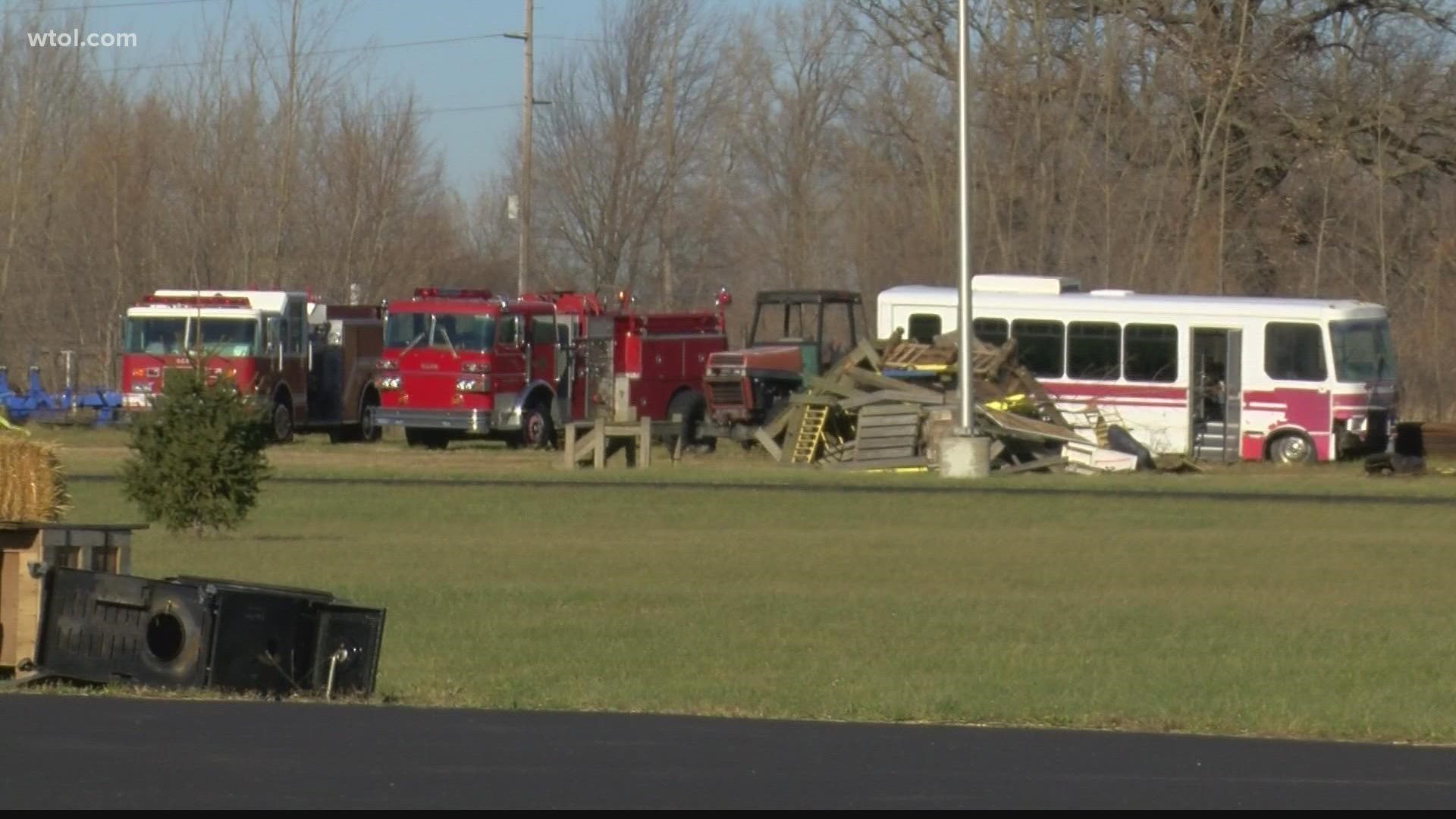
Located in Wood County, the center offers hands-on training and state-of-the-art resources. It prepares men and women to face real-life challenges in emergency situations. The center adapts its programs to meet evolving threats and economic factors. This ensures responders remain well-prepared and effective.
Purpose And Mission
The Owens Center aims to provide top-level emergency training. Its mission is to improve safety and resilience across communities. The center supports local, state, and national emergency efforts. It promotes cooperation among public safety agencies and organizations.
Training Programs
The center offers diverse training courses for emergency responders. These include fire safety, hazardous materials handling, and disaster response. Courses combine classroom learning with practical exercises. This approach helps students gain confidence and expertise.
Facilities And Resources
Owens Center features modern classrooms, simulation labs, and emergency equipment. Trainees practice in realistic scenarios to build critical skills. The center also uses technology to enhance learning experiences. It provides a safe environment for skill development.
Community Impact
The center plays a vital role in local and regional safety. It supports emergency preparedness for schools, businesses, and public agencies. Training at Owens Center helps reduce risks and save lives. It fosters a culture of readiness throughout the community.
Credit: www.wtol.com
Essential Emergency Supplies
Preparing for emergencies means gathering the right supplies. The Owens Center for Emergency Preparedness highlights the importance of having essential items ready. These supplies support safety, health, and communication during unexpected events. Stocking the right gear can ease stress and improve survival chances.
Water And Food
Water is critical. Keep at least one gallon per person daily for drinking and hygiene. Store non-perishable food that needs no refrigeration. Choose canned meats, fruits, and vegetables. High-energy snacks like granola bars help maintain strength. Peanut butter, crackers, and protein-rich foods are smart choices. A manual can opener is necessary for canned goods. Remember special diets for babies, elderly, and pets.
Health And Sanitation
A first-aid kit is a must-have. It should include bandages, antiseptics, and a first-aid guide. Hygiene items prevent illness. Pack moist towelettes, garbage bags, and plastic ties. Personal sanitation supplies keep you clean and safe. These help reduce infection risks and maintain comfort.
Tools And Utilities
Flashlights with extra batteries provide light when power fails. A battery-powered or hand-crank radio keeps you informed. Multi-purpose tools and duct tape fix minor issues. Keep a whistle to signal for help. These items support daily needs and emergency repairs.
Important Documents And Communication
Keep copies of vital documents in a waterproof container. Include identification, insurance papers, and medical records. A list of emergency contacts is essential. Have a charged mobile phone and portable charger ready. Reliable communication can connect you to help quickly.
Additional Supplies
Include medications and prescriptions for ongoing health needs. Pet supplies ensure your animals are cared for. Baby items like formula and diapers are vital for families. Blankets and extra clothing offer warmth and comfort. Consider your location and personal needs for other items.
Food Storage Tips
Proper food storage is vital for emergency preparedness. It ensures you have enough safe food during unexpected events. Planning ahead helps avoid stress and keeps everyone nourished.
Focus on storing foods that last long and meet your family’s needs. Rotate your stock regularly to keep items fresh and usable. Keep your storage area cool, dry, and away from sunlight.
Non-perishable Items
Choose foods that do not spoil quickly. Canned vegetables, fruits, and meats are excellent choices. Dry goods like rice, beans, pasta, and oats also store well. High-energy snacks such as granola bars and peanut butter provide quick nutrition. Use airtight containers to protect food from moisture and pests. Label each item with the purchase date for easy rotation.
Special Dietary Needs
Consider any allergies or diet restrictions in your household. Stock gluten-free, low-sodium, or sugar-free options if needed. Keep baby formula and special infant foods on hand. Include items for elderly family members that are easy to digest. Don’t forget pet food to care for your animals during emergencies. Proper planning helps everyone stay healthy and comfortable.
Emergency Communication Tools
Effective communication is vital during emergencies. The Owens Center for Emergency Preparedness emphasizes reliable tools to keep people informed and safe. These tools help coordinate response efforts and provide timely alerts to the community.
Emergency communication tools must work even when power or networks fail. They include devices that deliver alerts and maintain contact among responders and the public. Proper backup power ensures these tools remain operational at all times.
Radios And Alerts
Radios serve as a primary communication method in emergencies. They allow instant contact between responders and command centers. The Owens Center trains users on various radio systems, including two-way and ham radios.
Emergency alerts reach people through multiple channels. These include sirens, text messages, and broadcast alerts. Radios also receive these alerts, ensuring responders stay informed without internet or phone service.
Backup Power Options
Backup power keeps communication tools running during outages. The Owens Center highlights generators and battery packs as essential backups. These power sources provide energy for radios and alert systems.
Portable solar chargers offer a renewable backup option. They are useful when fuel or electrical power is unavailable. Training includes managing power resources efficiently to maintain communication at all times.
Safety And Preparedness Training
Safety and preparedness training at Owens Center for Emergency Preparedness equips individuals with vital skills. It focuses on responding effectively to various emergencies. The training prepares first responders, community members, and organizations to face hazards confidently. Learning practical skills saves lives and reduces risks during disasters.
All-hazards Training
The center offers all-hazards training covering natural and man-made emergencies. Trainees learn about fire, flood, chemical spills, and active shooter situations. The courses combine classroom lessons with hands-on exercises. This approach builds real-world skills and quick decision-making. Participants gain knowledge about emergency response plans and safety protocols. Training includes communication, evacuation, and rescue techniques. The center ensures readiness for any emergency type.
Community Engagement
Owens Center actively involves the local community in preparedness efforts. Workshops and seminars educate residents on emergency readiness. Public drills and events encourage participation and awareness. The center works with schools, businesses, and public agencies. This cooperation strengthens community resilience. Sharing knowledge helps families create emergency kits and plans. Community engagement promotes safety culture and reduces vulnerability.

Credit: www.owens.edu
Local Resources And Support
The Owens Center for Emergency Preparedness works closely with local agencies. These partnerships strengthen community safety and readiness. Local resources provide vital support during emergencies. They help with training, response, and recovery efforts. Understanding these resources benefits everyone in the community.
Lucas County Ems
Lucas County EMS offers emergency medical services for the region. Their team responds quickly to medical crises. They provide advanced care during transport to hospitals. EMS training programs are available to first responders. They collaborate with Owens Center for hands-on emergency practice. This cooperation improves response times and patient care.
Wood County Emergency Management
Wood County Emergency Management coordinates disaster preparedness and response. They plan for natural and man-made emergencies. The agency conducts drills and public education events. They work with Owens Center on training exercises. Their goal is to keep residents safe and informed. Resources include alerts, evacuation plans, and recovery assistance.
Building A Personalized Emergency Kit
Building a personalized emergency kit is key to staying safe during any crisis. A well-prepared kit helps you face unexpected situations with confidence. It ensures you have essential supplies tailored to your unique needs.
Personalizing your kit means thinking about every family member and their requirements. Each household is different, so your kit should reflect your lifestyle and environment. This preparation improves your chances of managing emergencies effectively.
Customizing For Family Needs
Start by listing everyone in your home. Include infants, elderly, and pets. Each person has unique needs that must be met.
Gather medications, special foods, and comfort items. Add supplies for babies like diapers and formula. Don’t forget pet food and care essentials.
Consider your local risks like floods or power outages. Add tools and supplies that fit your area’s challenges. This custom approach makes your kit truly useful.
Maintaining And Updating Supplies
Check your emergency kit regularly. Replace expired food, water, and medications. Keep batteries fresh and devices working.
Update documents like IDs and insurance papers. Add new items as family needs change. This keeps your kit ready for any emergency.
Store supplies in an easy-to-access place. Teach family members where to find and use the kit. Regular care ensures your kit stays reliable and effective.

Credit: www.owens.edu
Frequently Asked Questions
What Items Should I Stockpile For An Emergency?
Stockpile water, non-perishable food, a first-aid kit, and sanitation supplies. Include flashlight, batteries, radio, manual can opener, and important documents. Add medications, pet and baby supplies, tools, cash, blankets, dust masks, matches, and local maps for emergencies.
What Are The 5 Phases Of Emergency Preparedness?
The 5 phases of emergency preparedness are mitigation, preparedness, response, recovery, and prevention. Each phase helps reduce risks and manage emergencies effectively.
What Are The 3 C’s Of Emergency Response?
The 3 C’s of emergency response are Check, Call, and Care. First, check the scene for safety. Then, call emergency services. Finally, provide care to the injured until help arrives.
What Are The 4 R’s Of The Emergency Plan?
The 4 R’s of an emergency plan are: Reduce risks, Readiness, Response, and Recovery. These steps help manage and minimize disaster impacts effectively.
Conclusion
The Owens Center for Emergency Preparedness helps communities stay ready. It offers valuable training to handle many types of emergencies. Being prepared can save lives and reduce harm. Everyone benefits from learning basic safety skills. Simple steps like stocking water and first-aid supplies matter.
This center supports first responders and everyday citizens alike. Staying informed and ready protects you and your family. Trust Owens Center for quality emergency training and resources.