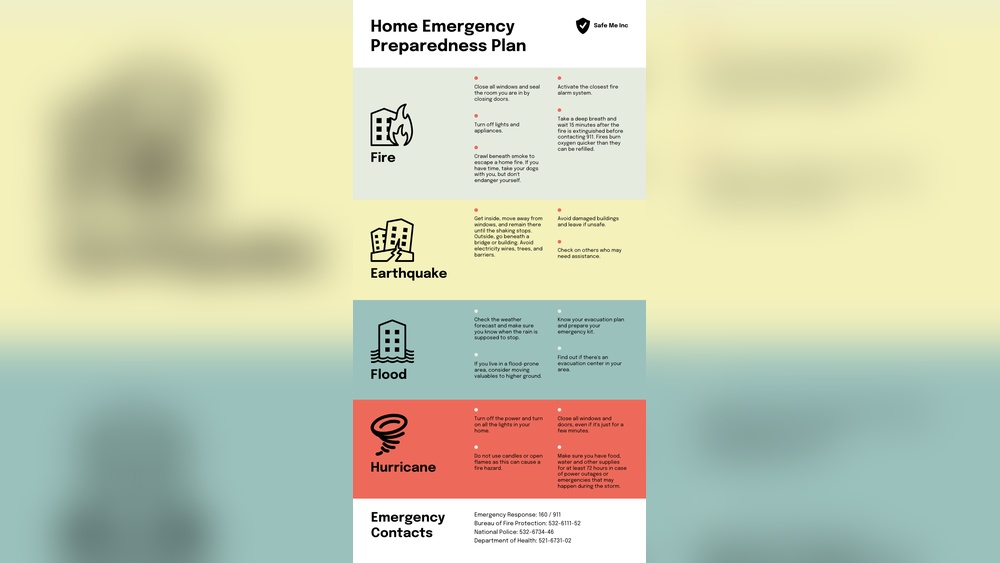

Imagine a sudden emergency striking your home or workplace—would you know exactly what to do? Your safety and that of your loved ones depend on having a clear, simple plan ready before disaster hits.
This Sample Emergency Preparedness Plan breaks down essential steps you can follow right now to protect everyone you care about. From identifying escape routes to setting up reliable communication and preparing for special needs, you’ll discover easy-to-apply strategies that can make all the difference when it matters most.
Keep reading to build your confidence and be truly prepared for any emergency.
Emergency Scenarios
Understanding different emergency scenarios is key to creating a strong preparedness plan. Emergencies vary by location and situation. Preparing for possible events helps reduce risks and improves safety for everyone involved.
Common Local Risks
Every area has specific hazards. These may include floods, fires, storms, or earthquakes. Knowing local risks helps focus your plan on real threats. Check with local authorities to learn about these dangers. Prepare supplies and actions based on these common risks.
Evacuation Situations
Evacuation means leaving your home quickly. It may be needed during fires, floods, or chemical spills. Identify safe routes and meeting points ahead of time. Practice evacuations with your family or coworkers. Pack a grab-and-go bag with essentials like water, food, and important documents.
Sheltering In Place
Sheltering in place means staying indoors during an emergency. It is useful during severe weather or hazardous material releases. Choose a safe room with few windows and strong walls. Keep emergency supplies nearby. Stay informed through a battery-powered radio or phone alerts until it is safe to leave.
Household Planning
Household planning is a vital part of any emergency preparedness plan. It helps families stay safe and organized during unexpected events. Planning together ensures everyone knows what to do and where to go. This reduces confusion and speeds up response times.
Start by discussing risks common to your area and how to handle them. Involve every family member in the conversation. Clear plans create confidence and calm in stressful moments.
Escape Routes
Identify two or more escape routes from each room in your home. Mark these routes clearly on a map and post it where everyone can see. Practice these routes regularly with all family members. Make sure paths are free of obstacles and easy to use in darkness or smoke. Knowing multiple ways out can save lives.
Meeting Spots
Choose safe meeting spots both near your home and outside your neighborhood. Pick a place outside where everyone can gather after evacuation. Also, select a spot inside for quick headcounts if you cannot leave the house. Share the meeting locations with all family members. This helps reunite everyone quickly and reduces worry.
Special Needs Arrangements
Plan for family members with special needs or disabilities. Keep necessary medications, equipment, and supplies ready and easy to access. Assign someone to assist them during an emergency. Include their needs in all drills and escape plans. Preparing for special needs ensures no one is left behind.
Communication Strategies
Clear communication is vital during emergencies. It helps families stay connected and safe. A solid communication plan ensures everyone knows how to reach each other. It also keeps people informed through alerts and community support. This section covers key strategies to improve communication in your emergency plan.
Family Contact Methods
Choose simple ways to contact family members. Use phone calls, text messages, or apps. Write down important phone numbers on paper. Agree on a meeting spot if phones do not work. Assign one out-of-town person as a central contact. This helps reduce confusion during emergencies.
Emergency Alerts
Sign up for local emergency alert systems. These send warnings by phone, email, or text. Listen to radio or TV broadcasts for updates. Use apps that provide real-time alerts about disasters. Make sure everyone in your family knows how to receive alerts. Prompt information saves lives.
Community Coordination
Work with neighbors and local groups for support. Share contact information with trusted community members. Join neighborhood watch or emergency response teams. Plan how to help each other during crises. Community efforts increase safety and speed up recovery.

Credit: omnisms.aero
Disaster Supply Kit
A Disaster Supply Kit is a collection of items you need to survive during an emergency. It helps you stay safe and comfortable if you must leave your home or stay inside without regular services. Preparing this kit ahead of time saves precious minutes and reduces stress during a disaster.
Your kit should cover basic needs like food, water, and tools. It must also include special items for health and pets. Keeping these essentials organized makes sure you can access them quickly.
Essential Items
Pack enough water for at least three days. Include non-perishable food that needs no cooking. A manual can opener is important for canned goods. Flashlights with extra batteries are necessary for dark conditions. A battery-powered or hand-crank radio helps you receive news. Keep important documents in a waterproof container. Add a whistle to signal for help if needed. Include blankets or sleeping bags to stay warm. Basic tools like a multi-tool and duct tape come in handy.
Medical Supplies
A first aid kit is vital for treating injuries. Include bandages, antiseptic wipes, and antibiotic ointment. Pack pain relievers and any prescription medications. Keep extra glasses or contact lenses if you use them. Include a digital thermometer and allergy medicine. Add gloves and face masks to prevent infection. Consider items like a splint or cold pack for emergencies. Regularly check expiration dates and replace used or expired items.
Pet Care Needs
Pets need special attention during emergencies. Pack enough food and water for your animals. Include bowls for feeding and watering. Have leashes, collars, and carriers ready for transport. Keep copies of vaccination records and medications. Bring comfort items like toys or blankets to reduce stress. Plan for sanitation needs with waste bags and cleaning supplies. Make sure your pet’s ID tags are up to date and securely attached.
Roles And Responsibilities
Clear roles and responsibilities are key in any emergency plan. They ensure everyone knows what to do fast. This helps reduce confusion and speeds up action during a crisis. Defining tasks and leadership roles improves team coordination and safety.
Assigning Tasks
Assign tasks based on skills and availability. Each person should have one or two clear duties. Avoid overloading anyone with too many tasks. Writing down tasks helps everyone remember their role. Regularly review and update assignments as needed.
Emergency Leaders
Emergency leaders guide the response efforts. They make quick decisions and communicate with teams. Leaders coordinate resources and keep everyone informed. Choose leaders who stay calm under pressure. Provide them with training to handle emergencies well.
Support Roles
Support roles assist leaders and team members. They manage supplies, first aid, and communication tools. Support staff help maintain order and provide backup. Everyone in support roles should know their duties clearly. Their work is vital for smooth emergency response.
Training And Drills
Training and drills form the backbone of any effective emergency preparedness plan. They ensure everyone knows their role and can act quickly during a crisis. Regular training builds confidence and reduces panic. Drills help identify weaknesses in the plan so improvements can be made. Practice prepares people to respond calmly and safely.
Regular Practice
Regular practice keeps emergency skills sharp. It helps staff and family members remember important steps. Schedule frequent sessions to review procedures and use safety equipment. Repetition creates muscle memory, making responses automatic. Consistent practice reduces confusion during real emergencies.
Scenario Simulations
Scenario simulations mimic real emergencies. They test how well the plan works under pressure. Simulations can include fires, floods, or power outages. They reveal gaps in communication and coordination. Practicing different scenarios prepares people for many possible situations.
Plan Updates
Training and drills show when the plan needs updates. After each drill, review what went well and what did not. Update the plan to fix any problems found. Keep contact lists, roles, and resources current. An updated plan stays relevant and effective over time.
Evacuation Planning
Evacuation planning is a vital part of any emergency preparedness plan. It helps ensure everyone can leave a dangerous area quickly and safely. Preparing clear routes and destinations reduces confusion during an emergency. This section covers the key elements of evacuation planning to help you stay organized and safe.
Primary Routes
Primary routes are the main paths to exit your building or area. These routes should be easy to find and free from obstacles. Make sure all family or team members know these paths well. Mark these routes clearly with signs or maps. Regularly check that primary routes remain safe and accessible.
Alternate Routes
Alternate routes provide backup options if primary paths are blocked. Identify at least two alternate ways to leave your location. Practice using these routes to become familiar with them. Keep these routes clear and well-marked. Having alternates reduces risk if emergencies block the main exit.
Safe Destinations
Safe destinations are places to meet after evacuation. Choose locations far from danger zones. Pick spots that are easy for everyone to reach. Share these meeting points with all involved. Confirm that destinations have basic needs like shelter or water nearby.
Sheltering Procedures
Sheltering procedures are a vital part of any emergency preparedness plan. They guide you on where and how to stay safe during a crisis. Proper sheltering reduces risks and protects lives.
This section covers safe zones, supply storage, and how long to stay sheltered. Clear, simple instructions help everyone act quickly and calmly.
Safe Zones
Safe zones are designated places where people can gather during emergencies. These areas should be sturdy, away from windows, and protected from hazards. Choose basements, interior rooms, or specially built shelters. Mark these zones clearly and make sure everyone knows their location.
Supply Storage
Store essential supplies near safe zones. Include water, non-perishable food, first-aid kits, flashlights, and batteries. Keep items organized and easy to reach. Regularly check supplies to replace expired or damaged goods. Good storage ensures quick access during emergencies.
Duration Guidelines
Plan how long to stay sheltered based on the emergency type. Some situations require a few hours, others may last days. Monitor official updates and follow instructions from authorities. Be prepared to extend sheltering if needed. Knowing how long to stay helps manage resources wisely.
Recovery Steps
Recovery steps guide communities after an emergency. These steps help restore normal life quickly. Clear actions reduce confusion and speed up healing. Focus on three key areas: damage assessment, resource access, and community support.
Damage Assessment
Start by inspecting the affected area carefully. Identify damaged buildings, roads, and utilities. Note safety hazards to avoid further harm. Document losses for insurance and aid requests. Quick damage assessment directs recovery priorities effectively.
Resource Access
Secure access to food, water, and medical supplies immediately. Coordinate with local agencies and relief groups. Ensure transportation routes are clear for deliveries. Track resources to avoid shortages. Proper resource access supports community recovery efforts.
Community Support
Engage neighbors and local groups in recovery tasks. Share information about aid programs and shelters. Provide emotional support to those affected. Organize volunteers to help with cleanup and repairs. Strong community support builds resilience and speeds recovery.
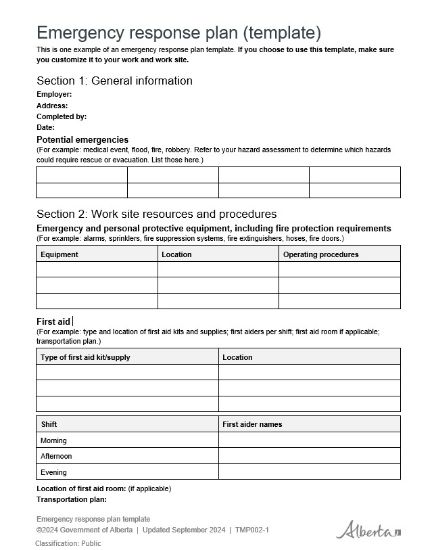
Credit: ohs-pubstore.labour.alberta.ca

Credit: venngage.com
Frequently Asked Questions
How Do I Write An Emergency Preparedness Plan?
Identify likely emergencies and create clear action steps. Assign roles and communication methods. Plan evacuation routes and safe meeting points. Prepare emergency supplies for all household members. Practice the plan regularly to ensure readiness and update it as needed.
What Are The 5 P’s Of Preparedness?
The 5 P’s of preparedness are: People, Plans, Policies, Procedures, and Personal Protective Equipment. They ensure effective emergency readiness.
What Is An Example Of A Preparedness Plan?
A preparedness plan example includes creating evacuation routes, assembling emergency kits, designating meeting points, and practicing regularly with all family members.
What Are The 5 Components Of An Emergency Plan?
The five components of an emergency plan are risk assessment, communication strategy, evacuation procedures, resource management, and roles assignment. These ensure readiness, clear actions, and safety during emergencies.
Conclusion
A sample emergency preparedness plan helps you stay ready and safe. It guides actions during different types of emergencies. Clear steps reduce panic and confusion. Everyone in your household should know the plan well. Regularly update the plan to match new risks.
Practice drills to improve your response time. Being prepared can save lives and protect property. Start with simple steps and build your plan today.
