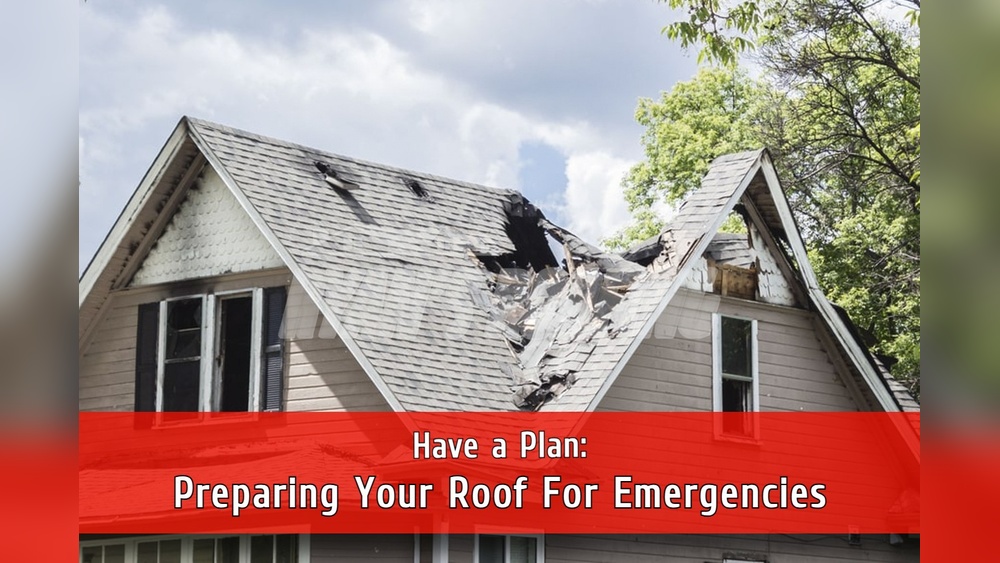

When disaster strikes, your roof is your first line of defense. But are you truly ready if an emergency hits?
Roofing emergency preparedness isn’t just about fixing damage afterward—it’s about protecting your home, your family, and your peace of mind before trouble begins. You’ll discover simple, practical steps to safeguard your roof against storms and unexpected damage. You’ll learn how to spot risks early, what to do when disaster strikes, and how to avoid costly repairs or scams.
Don’t leave your home vulnerable—read on to take control of your roofing emergency preparedness today.
Credit: www.coatingscoffeeshop.com
Roof Risks In Storms
Knowing emergency repair basics can save your roof from severe damage. Quick action stops leaks and protects your home. Simple repairs can hold until a professional arrives.
Keep repair tools and materials ready. Familiarize yourself with easy patch methods. Acting fast reduces repair costs and stress.
Temporary Patch Techniques
Start by cleaning the damaged area gently. Remove loose debris and dry the surface. Use roofing cement to seal small cracks or holes. For bigger gaps, apply a piece of metal flashing or sturdy plastic. Nail or screw the patch securely in place. Check edges carefully to prevent water entry. Always use materials suited for your roof type.
Using Tarps Effectively
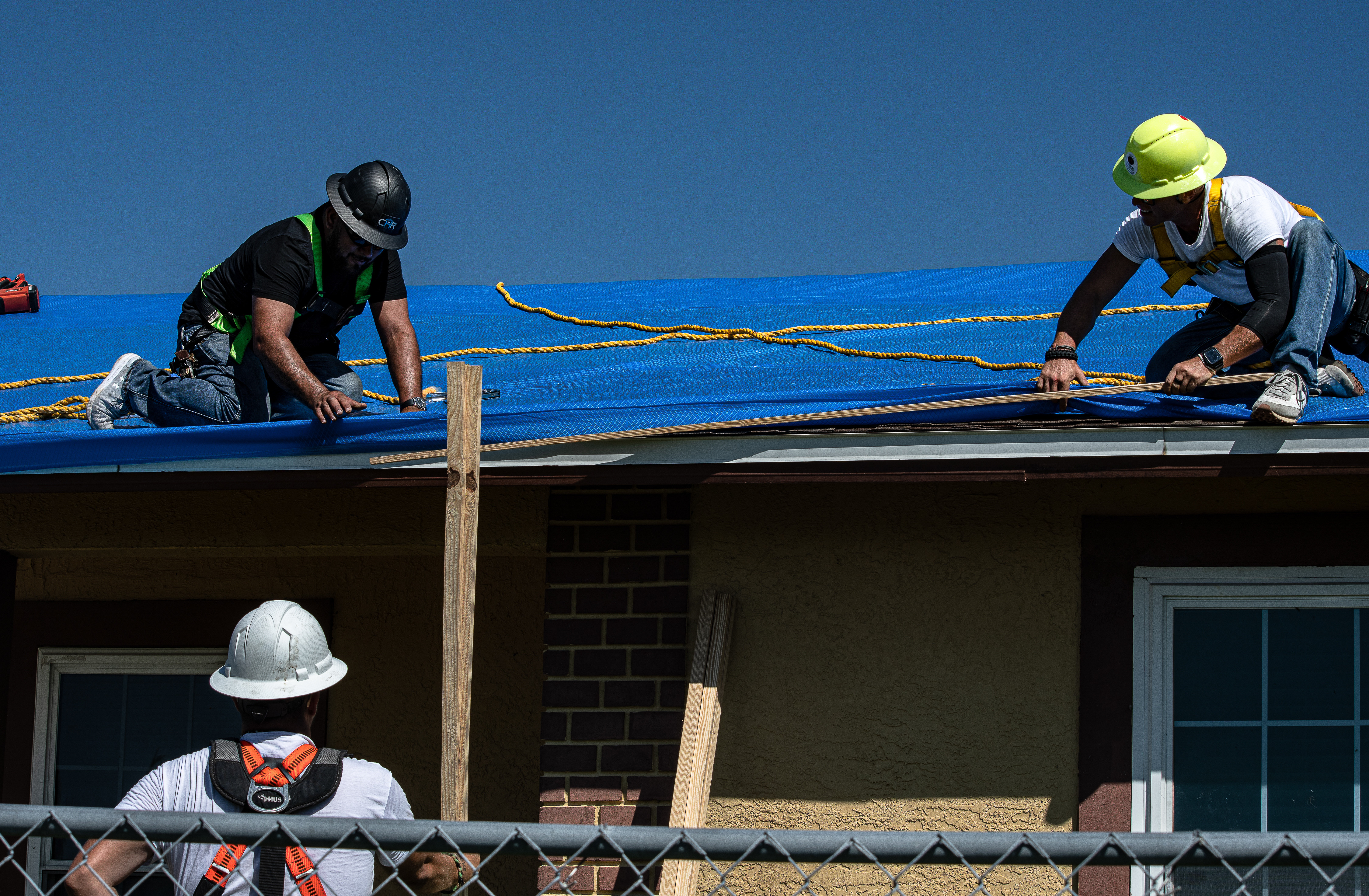
Tarps protect the roof during heavy rain or storms. Choose a tarp large enough to cover the damaged area fully. Secure it tightly with roofing nails or heavy-duty staples. Anchor the tarp edges with bricks or boards to stop wind lift. Make sure water flows off the tarp, not under it. Replace the tarp if it tears or shifts. Tarps buy time until a permanent fix is possible.
Credit: www.usace.army.mil
Pre-storm Roof Checks
Hiring reliable roofers is crucial during a roofing emergency. Choosing trustworthy professionals ensures safety and quality repairs. Poor workmanship or scams can lead to bigger problems and extra costs. Prepare ahead by knowing how to spot scams and what to include in your contract. This knowledge helps you make confident decisions fast.
Spotting Scams
Scam roofers often promise free or very cheap repairs. They may ask for full payment before starting work. Beware of high-pressure sales tactics urging you to sign immediately. Inspect any damage claims carefully; some may be exaggerated or false. Always ask for proof of insurance and licenses. Reliable roofers provide written estimates and clear explanations. Trust your instincts if something feels off.
Contract Essentials
A solid contract protects you and the roofer. It should include a detailed description of the work. List the materials to be used and their quality. Specify the start and completion dates. Payment terms must be clear, with no full upfront payments. Include warranty details and cleanup responsibilities. Both parties should sign the agreement before work begins. Keep a copy of the contract for your records.
Emergency Repair Basics
Being ready for a roofing emergency means understanding your insurance and legal responsibilities. Knowing how to handle claims and liability can save time and money. It also helps avoid stress during tough situations.
Filing Claims For Roof Damage
Start by documenting all roof damage with photos and notes. Contact your insurance company quickly to report the damage. Provide clear, honest information about what happened. Keep copies of all communications and paperwork.
Review your policy to know what is covered and what is not. Some damages may not be included, like wear and tear. Work with trusted professionals for repairs and get written estimates. Avoid rushing repairs without approval from your insurer.
Homeowner Liability
Homeowners can be responsible if someone gets hurt on their roof. Always hire licensed and insured contractors for roof work. Make sure workers follow safety rules to prevent accidents.
Keep your property safe by warning visitors about slippery or weak areas. Understand local laws about roof maintenance and repair. Being proactive reduces legal risks and protects your family and neighbors.
Hiring Reliable Roofers
Safe roof practices are critical during any roofing emergency. Working on a roof can be dangerous. Taking the right safety measures protects lives and property. Understanding key safety steps helps you stay secure during repairs.
These practices include knowing how to protect yourself and following professional safety rules. Both homeowners and workers must prioritize safety. This reduces risks and ensures repairs go smoothly.
Personal Safety During Repairs
Always wear proper safety gear like helmets and gloves. Use sturdy, non-slip shoes to avoid falls. Avoid working on the roof in bad weather such as rain or strong wind. Keep tools organized to prevent trips and injuries. Never work alone; have someone nearby in case of emergencies. Use ladders safely and make sure they are stable. Take breaks often to stay alert and avoid fatigue.
Professional Safety Standards
Licensed roofing professionals follow strict safety guidelines. They use harnesses and fall protection equipment. Professionals inspect the roof and work area before starting. They carry out repairs with the right tools and materials. Insurance and permits are part of their safety measures. Hiring experts reduces risks and ensures quality work. They also know how to handle hazardous materials safely.
Insurance And Legal Tips
Strong roofing materials are key to surviving storms and harsh weather. Choosing the right materials helps protect your home from wind, rain, and flying debris. Storm-resistant roofs reduce repair costs and keep your family safe. Knowing which materials work best is important for emergency preparedness.
Best Roofing Materials
Metal roofs stand out for storm resistance. They resist high winds and shed water quickly. Asphalt shingles are common but vary in quality. Look for impact-resistant shingles rated for storms. Clay and concrete tiles offer strong protection. They handle heavy rain and hail well but need strong support. Slate is durable and fire-resistant but costly and heavy.
Upgrades For Durability
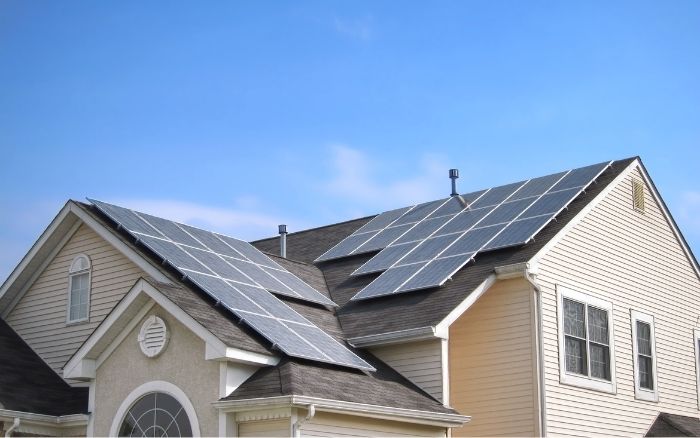
Adding a waterproof underlayment boosts protection beneath shingles. Reinforced roof decking helps resist wind uplift. Impact-resistant shingles come with tougher granules to stop hail damage. Installing hurricane straps or clips ties the roof to the walls better. Proper sealing around vents and chimneys prevents water leaks during storms.
Credit: summitsolar.com
Safe Roof Practices
After a roofing emergency, taking the right steps quickly helps protect your home. Acting fast can reduce further damage and costs. Knowing what to do after the event ensures safety and smooth recovery. The next steps focus on assessing damage and seeking professional help when needed.
Damage Documentation
Start by carefully inspecting your roof for visible damage. Take clear photos from different angles. Capture close-ups of missing shingles, cracks, or holes. Write down details about the damage and the date it happened. This information supports insurance claims and repair estimates. Do not climb on a wet or unstable roof to avoid injury. Use binoculars or take pictures from the ground if needed.
When To Call Professionals
Contact roofing experts if damage looks severe or unsafe to handle. Large leaks, structural damage, or fallen debris require skilled repair. Professionals can assess the full extent and provide a safe fix. Avoid temporary fixes that may cause more harm. Emergency roof repair services are available in Austin, Texas, and nearby areas. Calling early helps prevent worsening problems and protects your home investment.
Frequently Asked Questions
Is The Free Roof Program Legit?
The free roof program often involves scams with poor materials and risks. Verify offers carefully to avoid fraud and low-quality work.
Can A Roofer Sue You If They Fall Off Your Roof?
A roofer can sue you if they fall due to your negligence or unsafe conditions on your roof. Homeowners must ensure safety.
How Much Does Fema Pay To Tarp A Roof?
FEMA does not pay directly for roof tarping. Instead, they provide free temporary roof coverings through the U. S. Army Corps of Engineers. This service helps protect homes after disasters until permanent repairs can be made.
How To Tell If A Roofer Is Lying?
Watch for roofers demanding full payment upfront, offering unusually low quotes, using high-pressure sales, or avoiding written contracts. Question vague damage claims and lack of transparency. These signs often indicate dishonesty in roofing services.
Conclusion
Preparing your roof for emergencies saves time, money, and stress later. Keep safety first and act quickly after damage. Regular inspections help spot problems early and avoid costly repairs. Use strong, weather-resistant materials suited for your area. Have trusted professionals ready to help when needed.
Small steps now protect your home and family during storms. Stay informed and stay safe with proper roofing emergency preparedness.