
Your home is your safe haven, but did you know that a simple mistake could turn it into a danger zone? Preventing fires at home isn’t just about having smoke alarms—it’s about taking smart, easy steps every day to protect yourself and your loved ones.
Imagine the peace of mind you’ll feel knowing you’ve cut risks and prepared your household for any emergency. You’ll discover practical tips that anyone can follow to keep your home fire-safe. Stay with us, because these simple actions could save your life and your home.
Smoke Alarm Placement
Proper smoke alarm placement is essential for early fire detection. Alarms alert you quickly, giving more time to escape. Correct installation boosts their effectiveness and helps protect your family and home.
Where To Install Alarms
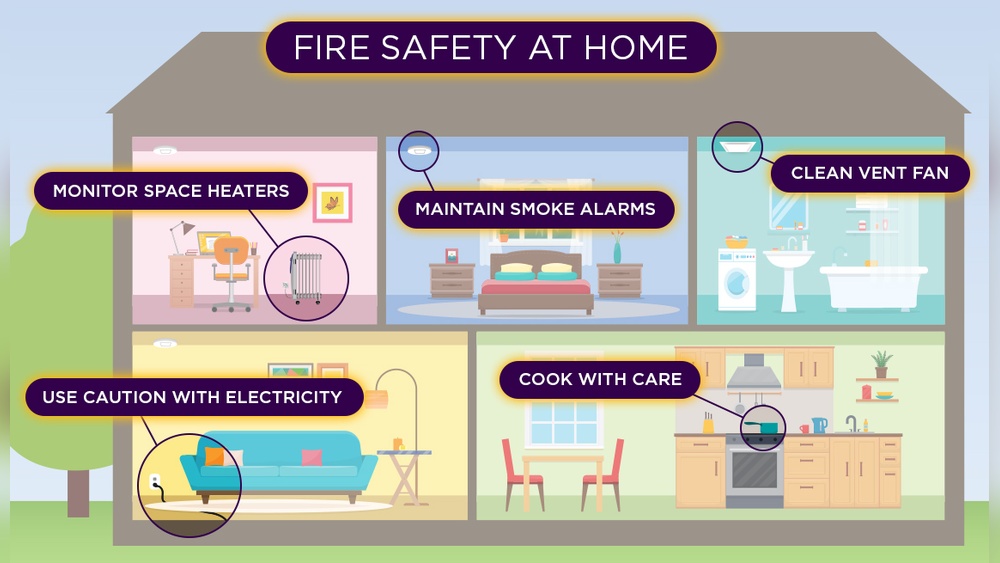
Install smoke alarms on every level of your home. Place them inside and outside all sleeping areas. Mount alarms on the ceiling or high on walls. Avoid corners or areas near windows and vents. Keep alarms at least 10 feet from cooking appliances. This placement reduces false alarms but ensures safety.
Testing And Maintenance
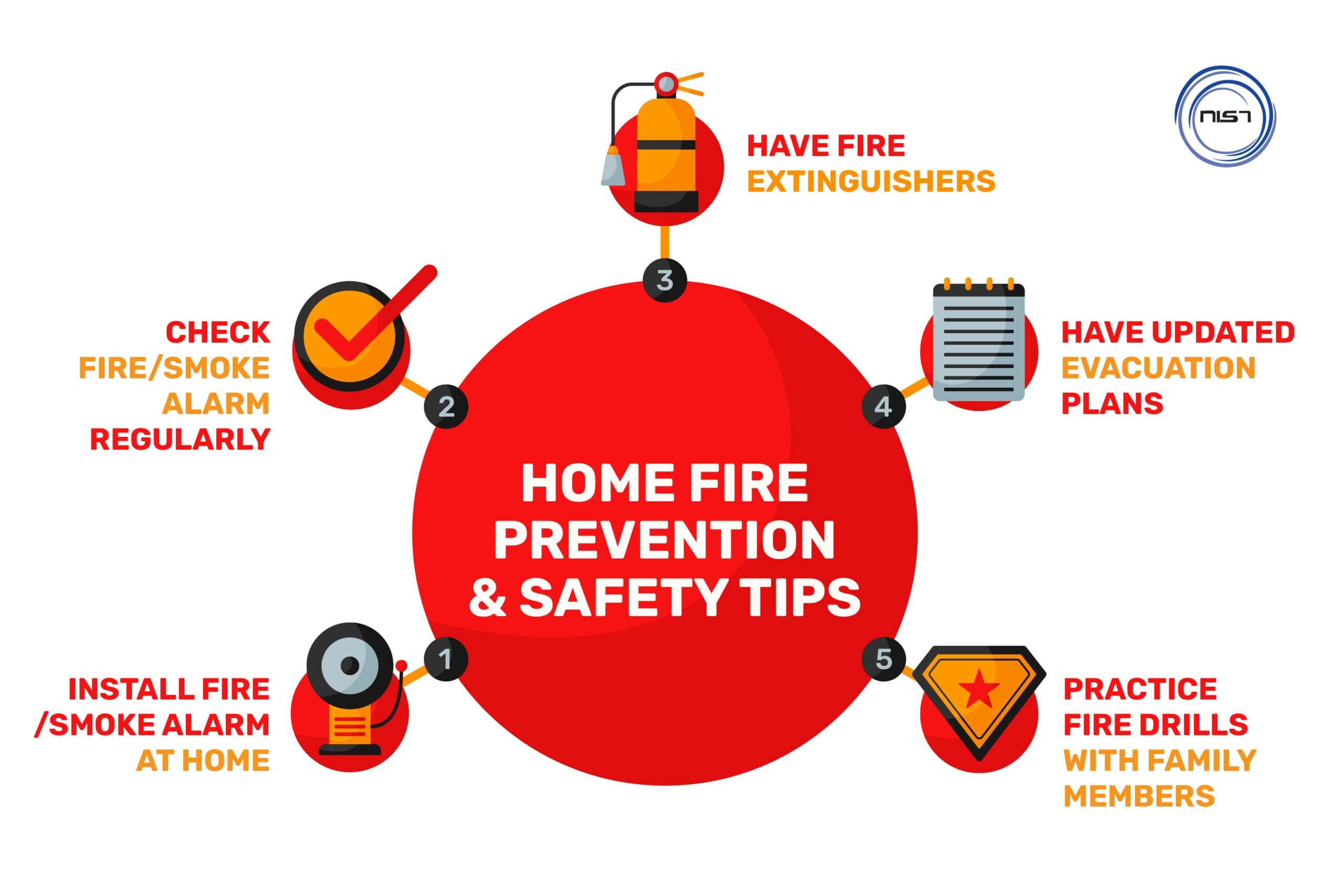
Test smoke alarms monthly to ensure they work. Press the test button until you hear the alarm sound. Replace batteries at least once a year or when the alarm chirps. Clean alarms regularly by gently vacuuming dust from the outside. Replace smoke alarms every 10 years or as recommended by the manufacturer.
Credit: www.southernoak.com
Fire Escape Plan
A fire escape plan saves lives by guiding your family to safety fast. It shows clear exit paths from every room. It prepares everyone for a quick, calm escape. This plan reduces panic and confusion during a fire emergency. Every home needs a simple, easy-to-follow fire escape plan.
Designing Exit Routes
Start by finding two ways out of every room. Windows can be a good second exit. Make sure all doors and windows open easily. Clear furniture or clutter that blocks exit paths. Mark exit routes with glow-in-the-dark tape for visibility. Choose routes that avoid fire hazards like heaters. Plan a safe meeting place outside the home. This spot helps you check if everyone is safe.
Practice Drills
Practice your fire escape plan twice a year. Run drills at different times, day and night. Teach children how to open windows and unlock doors. Practice crawling low under smoke during drills. Time your drills to improve speed and safety. Discuss any problems or confusion after drills. Keep everyone calm and focused during practice. Regular drills make sure the plan works well.
Managing Flammable Materials
Managing flammable materials is a key step in preventing fires at home. These materials can catch fire easily and spread flames quickly. Knowing how to handle and store them reduces fire risks significantly. Proper care keeps your home and family safe from unexpected fires.
Safe Storage Tips
Store flammable liquids in cool, dry places. Use containers designed for such materials. Keep them tightly closed when not in use. Avoid storing flammable items near food or children’s reach. Label all containers clearly to avoid confusion. Store only small amounts needed for immediate use. Check containers regularly for leaks or damage.
Keeping Distance From Heat Sources
Keep flammable materials away from heaters, stoves, and open flames. Maintain at least three feet of space between heat sources and flammable items. Do not place paper, cloth, or liquids near heat. Turn off heat sources when not in use. Avoid using flammable sprays or liquids near flames. This distance helps prevent accidental ignition and fire spread.
Credit: nistglobal.com
Electrical Safety
Electrical safety plays a key role in preventing fires at home. Faulty wiring, damaged cords, and overloaded outlets cause many house fires. Taking simple steps can reduce these risks. Regular checks and careful use of electrical devices keep your home safe.
Inspecting Cords And Appliances
Check all electrical cords for cracks, frays, or bare wires. Damaged cords can spark and start fires quickly. Replace any cord that shows signs of wear. Also, inspect appliances for loose parts or unusual smells. Unplug devices when not in use to avoid overheating. Use appliances according to the manufacturer’s instructions. Keep cords away from heat and sharp edges.
Avoiding Overloaded Outlets
Plugging too many devices into one outlet causes overheating. Overloaded outlets can ignite fires in seconds. Use power strips with built-in circuit breakers instead of multiple adapters. Spread out electrical devices across different outlets in the home. Never force plugs into sockets that don’t fit properly. Turn off and unplug devices when not needed. These habits reduce the chance of electrical fires.
Kitchen Fire Safety
The kitchen is the heart of many homes. It is also a common place for fires to start. Kitchen fire safety is very important to keep your home safe.
Simple steps can reduce the risk of fire. Being careful while cooking and handling hot items helps prevent accidents. Everyone in the home should follow these rules.
Cooking Precautions
Never leave cooking food unattended. Stay close to the stove while frying or boiling. Keep flammable items like towels and paper away from heat. Use timers to remind you when food is cooking. Turn pot handles inward to avoid spills and burns.
Keep children and pets away from the cooking area. Avoid wearing loose clothes that can catch fire. Clean cooking surfaces regularly to prevent grease build-up. Grease fires can start quickly and spread fast.
Handling Hot Surfaces
Use oven mitts or thick cloths to handle hot pots. Always check the surface before touching it. Place hot pans on heat-resistant mats or trivets. Avoid placing hot items near edges to prevent falls.
Allow hot cookware to cool before cleaning. Be careful when opening the oven door to avoid steam burns. Teach family members about the dangers of hot surfaces. Good habits reduce the chance of burns and fires.

Credit: antalek-moore.com
Space Heater Safety
Space heaters provide quick warmth during cold days. They are useful but can cause fires if not used safely. Knowing how to use space heaters properly helps keep your home safe. Follow these safety tips to prevent accidents and fires.
Proper Placement
Place space heaters on flat, stable surfaces. Keep them away from anything that can catch fire. Stay at least three feet away from curtains, furniture, and bedding. Do not place heaters near doors or walkways. Avoid using heaters in damp areas like bathrooms. Proper placement reduces the risk of fires and injuries.
Operating Guidelines
Turn off space heaters when you leave a room or go to sleep. Use heaters with automatic shut-off features for extra safety. Plug heaters directly into wall outlets, not extension cords. Check cords and plugs regularly for damage. Keep children and pets away from heaters. Follow the manufacturer’s instructions for safe use and maintenance.
Security Measures
Security measures play a key role in preventing fires at home. They help protect your property and keep your family safe. Taking simple steps can lower the risk of fire hazards. Installing locks and alarm systems creates a safer environment. These tools not only secure your home but also alert you to dangers early.
Lock Installation
Good lock installation can prevent unauthorized access. Secure doors with sturdy locks, such as deadbolts. These locks make it harder for intruders to enter. Locked doors reduce chances of accidental fires caused by break-ins. Regularly check locks to ensure they work properly. Replace any damaged or worn locks immediately. Strong locks provide peace of mind and improve overall home safety.
Alarm Systems
Alarm systems detect fire and alert you quickly. Smoke alarms should be placed on every floor and near bedrooms. Choose alarms with loud sounds to wake everyone up fast. Test alarms monthly and change batteries yearly. Consider monitored alarm systems for faster emergency response. These systems notify fire departments automatically. Early warnings save lives and reduce property damage. Alarms are a vital part of a smart fire prevention plan.
Fire Prevention Tips For Special Groups
Fire safety requires special attention for certain groups at home. Elderly individuals and children have unique needs and risks. Tailoring fire prevention to these groups helps protect them better. Simple, clear steps reduce fire dangers and keep everyone safe.
Elderly Care
Older adults may move slower during emergencies. Install smoke alarms with loud, clear sounds near bedrooms. Keep flashlights and phones within easy reach. Remove tripping hazards like loose rugs and clutter. Use electric heaters with automatic shut-off features. Check electrical cords for wear and replace old ones. Avoid using extension cords for permanent wiring. Teach elderly family members how to call for help quickly. Practice fire drills that consider their pace and mobility. Ensure easy access to exits and avoid locks that slow escape.
Child Safety
Children are naturally curious but unaware of fire risks. Store matches, lighters, and candles out of reach. Use stove knob covers to prevent accidental cooking fires. Teach children never to play with fire or electrical devices. Keep space heaters away from children’s play areas. Install smoke alarms at child height where possible. Create a simple fire escape plan with clear steps they can remember. Practice the plan regularly with all family members. Make sure toys and bedding are fire-resistant. Supervise children closely in the kitchen and near heat sources.
Frequently Asked Questions
What Can I Do To Prevent House Fires?
Install smoke alarms on every level and test monthly. Keep flammable items away from heat sources. Use electrical appliances carefully and avoid overloading outlets. Never leave cooking unattended. Create and practice a fire escape plan with your household regularly.
What Is The 30/30/30 Rule For Fire?
The 30/30/30 rule for fire means: stay 30 feet away from flames, evacuate within 30 minutes, and call for help within 30 seconds.
What Are 5 Rules For Preventing Fire?
1. Install smoke alarms on every home level and test monthly. 2. Create and practice a fire escape plan regularly. 3. Keep flammable items away from heat sources. 4. Inspect and maintain electrical cords and appliances. 5. Never leave cooking unattended and keep stovetop clear.
What Are The 5 E’s Of Fire Prevention?
The 5 E’s of fire prevention are: Education, Engineering, Enforcement, Emergency response, and Environmental management. They reduce fire risks effectively.
Conclusion
Preventing fires at home saves lives and protects your property. Check smoke alarms regularly to ensure they work well. Keep flammable items away from heat sources at all times. Use electrical cords and appliances safely to avoid sparks. Always stay near the stove while cooking to stop accidents.
Practice your fire escape plan with your family often. Small actions make a big difference in fire safety. Stay alert and keep your home safe from fire risks.