
You want your home to be a safe place where your child can explore freely without hidden dangers lurking around every corner. But knowing where to start with child proofing can feel overwhelming.
That’s why we’ve put together easy, practical child proofing ideas that you can apply right now. From securing furniture to tackling tiny choking hazards, these tips will help you protect your little one and give you peace of mind. Keep reading to discover simple changes that make a big difference in your child’s safety—and your confidence as a parent.
When To Start Childproofing
Knowing when to start childproofing is key to keeping your baby safe. Safety steps taken too late might miss preventing accidents. Start early to create a secure environment before your baby begins to move around.
Babies grow fast and their abilities change quickly. Childproofing should match these changes to be effective and timely. Preparing your home in advance helps avoid last-minute dangers and stress.
Begin Before Baby Starts Crawling
Start childproofing around three to four months old. This gives time to spot and fix hazards early. Crawling babies explore everywhere, so a safe space is important before they become mobile.
Adjust Proofing As Baby Grows
Update safety measures as your child learns to stand and walk. Different stages bring new risks. Secure furniture to walls and add gates to block stairs when your toddler starts climbing.
Focus On High-risk Areas Early
Identify places with sharp corners, small objects, or chemicals. Kitchens, bathrooms, and stairs need early attention. Locks and covers in these areas prevent many common accidents.

Credit: www.youtube.com
Common Childproofing Mistakes
Childproofing a home is essential for keeping little ones safe. Many parents make simple mistakes that leave dangers unnoticed. These errors can put children at risk despite good intentions.
Understanding common childproofing mistakes helps create a safer environment. It also prevents accidents that could easily be avoided. Avoiding these pitfalls ensures your child explores safely.
Not Securing Furniture Properly
Heavy furniture and TVs can tip over if not anchored to walls. Many parents forget to fasten these items securely. This oversight can cause serious injuries if children climb or pull on them.
Ignoring Small Objects On The Floor
Small items like coins, buttons, or beads pose choking hazards. Parents often miss these hidden dangers in play areas. Regularly checking and cleaning floors reduces choking risks significantly.
Overlooking Window Blind Cords
Window blind cords can cause strangulation if left within reach. Some parents do not install cord wind-ups or tie-ups. Keeping cords out of reach protects children from this hidden danger.
Failing To Use Locks On Cabinets
Cabinets often store medicines, cleaning products, or sharp tools. Forgetting to use childproof locks allows easy access to harmful items. Secure all cabinets to prevent poisoning or injuries.
Improper Use Of Safety Gates
Safety gates block stairs or dangerous rooms but must be correctly installed. Some gates are loose or placed too low for toddlers to use. Proper installation ensures children cannot bypass these barriers.
Securing Electrical Hazards
Electrical hazards pose serious risks for young children. Curious toddlers often explore outlets and cords, which can lead to shocks or injuries. Securing these dangers is essential for a safe home environment. Simple steps can reduce risks and give parents peace of mind.
Covering Outlets
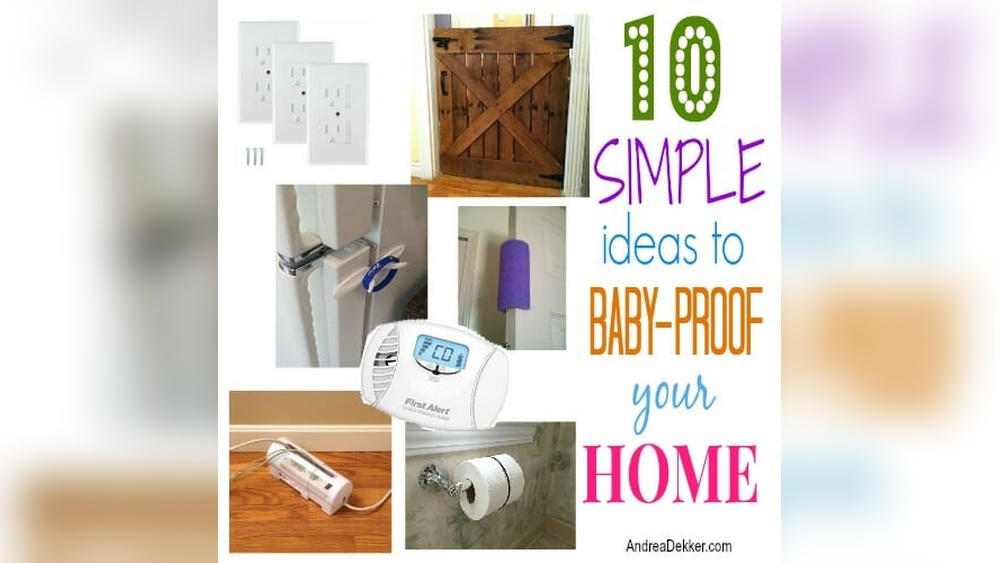
Covering electrical outlets stops children from inserting objects inside. Use outlet plugs or safety covers that fit snugly. Choose covers that are hard to remove but easy for adults to handle. Replace any broken covers immediately to maintain safety. Covering outlets prevents shocks and keeps children safe from harm.
Managing Electrical Cords
Electrical cords can be tempting toys for children. Keep cords out of reach by bundling and securing them with clips or cord organizers. Hide cords behind furniture or use cord covers to block access. Avoid running cords across walkways to prevent tripping. Managing cords lowers the risk of strangulation and electrical accidents.
Furniture And Tv Safety
Furniture and TV safety is a key part of child proofing any home. Toddlers and young children love to explore and climb. Heavy furniture and TVs can tip over and cause serious injuries. Taking simple safety steps helps protect your child from these risks.
Focus on securing large items that could fall. This makes your home safer and gives you peace of mind. Use strong methods to keep furniture and TVs in place. These measures stop accidents before they happen.
Anchoring Heavy Furniture
Anchor heavy furniture to the wall using brackets or straps. This prevents dressers, bookshelves, and cabinets from tipping forward. Choose anchors that fit your furniture type and wall material. Secure them tightly to hold the furniture firmly.
Check anchors regularly to ensure they remain secure. Replace any worn or loose straps right away. Always place heavy items on lower shelves to lower the center of gravity. This reduces the risk of tipping even more.
Preventing Tip-overs
Place TVs on low, stable stands or mount them on the wall. Avoid using furniture that is tall and narrow for TV placement. Keep cords out of reach to stop pulling accidents. Use cable organizers or covers to hide wires safely.
Teach children not to climb on furniture or pull on TV stands. Use corner guards on sharp edges near TV units. Arrange furniture to create clear pathways, so kids don’t bump into items. These small steps reduce the chance of falls and injuries.
Using Safety Gates And Locks
Safety gates and locks help keep children safe inside the home. They create barriers that stop toddlers from reaching dangerous areas. These tools are simple to use and very effective. Using them can reduce accidents and give parents peace of mind.
Installing Gates On Stairs
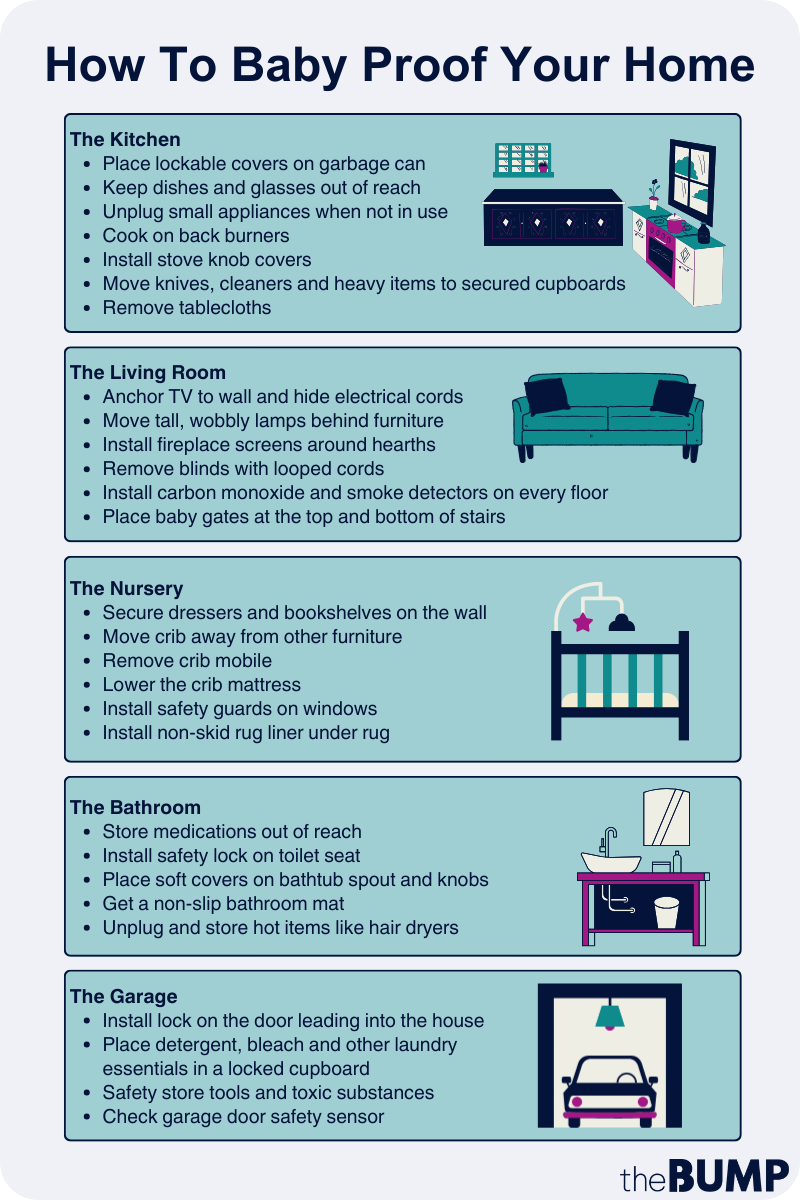
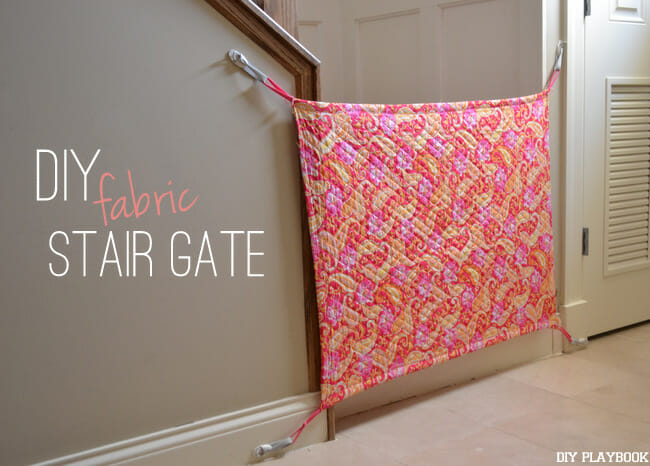
Stairs pose a serious risk to young children. Installing safety gates at the top and bottom prevents falls. Choose gates that are sturdy and easy for adults to open. Secure them tightly to walls or banisters. Check the gate regularly to ensure it stays firmly in place. A well-installed gate keeps children from climbing stairs unsupervised.
Cabinet And Drawer Latches
Cabinets and drawers often hold sharp or harmful items. Installing childproof latches blocks access to these dangers. Select latches that are strong and simple for adults to open but hard for kids. Place latches on all lower cabinets and drawers within reach of children. This stops toddlers from getting cleaning supplies, knives, or medicines. Using latches helps keep your home safer and your child out of harm’s way.
Credit: www.thebump.com
Removing Strangulation Risks
Removing strangulation risks is essential for a safe home. Young children can get caught in loops or cords easily. These hazards often hide in everyday items. Careful attention helps prevent accidents and saves lives.
Securing Window Blind Cords
Window blind cords pose a serious strangulation danger. Keep cords out of children’s reach at all times. Use cord winders or cleats to wrap excess cord. Replace long cords with cordless blinds if possible. Check all windows regularly to ensure cords are secure. This simple step greatly reduces strangulation risk.
Storing Bags And Cords Safely
Bags and cords often have loops that can trap children. Store bags in high cabinets or locked closets. Coil cords neatly and keep them away from play areas. Avoid leaving charging cables or headphone wires on the floor. Use cord organizers to keep cords tidy and out of reach. Safe storage prevents accidental strangulation hazards at home.
Protecting Sharp Edges
Sharp edges on furniture can cause serious injuries to young children. Protecting these edges is essential for a safer home environment. Simple solutions reduce risks and keep kids safe while they explore. Parents and caregivers find peace of mind with effective edge protection.
Applying Corner Guards
Corner guards are soft covers that fit on sharp furniture edges. They cushion impacts and prevent cuts or bruises. Choose guards made of durable, non-toxic materials for safety. Install them easily by sticking or snapping onto corners. Check regularly to ensure they stay in place and replace if damaged.
Using Furniture Bumpers
Furniture bumpers protect flat edges that children might bump into. They create a soft barrier along table or shelf sides. Select bumpers that match furniture color for a neat look. Attach bumpers with adhesive strips for a secure hold. Clean surfaces before applying for better stickiness and longer use.
Credit: andreadekker.com
Choking Hazard Prevention
Choking is a serious risk for young children. Preventing choking hazards is vital in every home. Small objects and unsafe toys can cause choking quickly. Taking steps to reduce these risks keeps children safe. Careful attention to common dangers helps protect curious little ones.
Cleaning Small Objects
Small items like coins, buttons, and beads are choking risks. Regularly check floors and low surfaces for these objects. Use a vacuum or broom to remove tiny debris. Keep craft supplies and small parts out of reach. Store these items in closed containers or high shelves. Teach older children to keep small objects away from babies.
Safe Toy Selection
Choose toys made for your child’s age group. Avoid toys with small detachable parts for young kids. Check labels for safety standards and age recommendations. Inspect toys often for broken or loose parts. Dispose of damaged toys immediately. Select larger, soft toys for toddlers to reduce choking risks.
Kitchen Safety Tips
The kitchen is one of the busiest places in any home. It holds many risks for curious children. Child proofing this area helps prevent accidents and injuries. Careful planning and simple steps make the kitchen safer for kids.
Locking Away Cleaning Products
Cleaning products contain chemicals that can harm children. Store them in high cabinets or locked cupboards. Use child-proof locks on all containers. Keep these items far from your child’s reach at all times.
Storing Knives And Hot Items
Knives and hot items pose serious dangers. Place knives in secure knife blocks or locked drawers. Keep hot pots, pans, and appliances away from edges. Avoid leaving hot items unattended on counters or stoves.
Accessible Non-breakable Items
Give children safe items they can use freely. Store non-breakable plates, cups, and utensils within their reach. This reduces the need to grab fragile or dangerous objects. It encourages independence while keeping them safe.
Bathroom Safety Measures
The bathroom is one of the most dangerous places for young children. Slippery floors, sharp objects, and chemicals can cause accidents. Taking simple safety steps can prevent many injuries. It is important to create a safe space where children can be supervised easily.
Child proofing the bathroom helps reduce the risk of drowning and poisoning. Small changes make a big difference. Use tools and habits to keep children safe without stress.
Toilet Locks
Toilet locks prevent children from opening the lid. This stops accidental falls into the water. Locks are easy to install and use. Choose a model that fits your toilet style. Make sure the lock is strong but simple for adults to open. Keep the bathroom door closed when not in use for extra safety.
Securing Medications
Medications must be stored out of children’s reach. Use high cabinets or locked boxes. Never leave pills on counters or sinks. Teach older children that medicine is not candy. Check labels and keep medicines in original containers. Dispose of expired medicine safely to avoid harm. This reduces the chance of poisoning in the home.
Creating Safe Play Areas
Creating safe play areas helps children explore freely and parents relax. A well-planned space limits risks and encourages fun learning. Safety starts with clear boundaries and careful material choices. These zones keep children secure while they play, promoting confidence and independence.
Designated Child Zones
Set up specific areas for kids to play inside your home. Use barriers like gates or low fences to mark these zones. Choose spots away from stairs, kitchens, or sharp corners. Keep toys and activities within easy reach. This helps children stay in safe spaces and reduces accidents.
Keep the area tidy and free of small objects that cause choking. Use bright colors or rugs to define the play zone visually. Clear boundaries teach kids where they can safely explore. These zones also make supervision easier for adults.
Using Soft Flooring
Soft flooring cushions falls and prevents injuries during playtime. Foam mats, carpets, or rubber tiles work well in play areas. Choose materials that are easy to clean and non-toxic. Soft floors provide comfort and reduce noise in busy spaces.
Place mats under climbing toys or slides to absorb impact. Avoid hard surfaces like tile or hardwood in child zones. A gentle floor surface keeps play safe and enjoyable. Consider anti-slip options to avoid slips and falls.
Monitoring And Maintenance
Keeping your home safe for children requires ongoing attention. Monitoring and maintenance ensure all safety measures work well. Childproofing is not a one-time task. It needs regular review to stay effective as your child grows and changes.
Check safety devices and areas often. Watch for wear and tear or any new hazards. Fix or replace items quickly to avoid accidents. Staying alert helps keep your child safe every day.
Regular Safety Checks
Set a schedule for safety inspections. Look at locks, gates, and outlet covers. Test each device to confirm it works properly. Check furniture anchors and secure loose cords. Spot small objects or debris on the floor that could cause choking. Be thorough and consistent in your checks.
Inspect kitchen and bathroom areas carefully. These rooms often have hidden dangers. Make sure cleaning supplies and medicines stay out of reach. Confirm toilet locks and cabinet latches are secure. Regular checks prevent accidents before they happen.
Updating Childproofing As Kids Grow
Children change quickly. Their abilities and curiosity grow with time. Adapt safety measures to fit new needs. Remove barriers that no longer serve a purpose. Add protections for new risks your child may face.
For example, toddlers may outgrow outlet covers but need locks on drawers. Older kids can open cabinets, so adjust latches accordingly. Review play areas and furniture for age-appropriate safety. Updating childproofing keeps your home safe through each stage.
Frequently Asked Questions
What Age Should You Child Proof?
Childproofing should start by three to four months, before your baby begins crawling or exploring independently.
What Are Common Baby Proofing Mistakes?
Common baby proofing mistakes include unsecured furniture, missing safety gates, accessible medications, uncovered outlets, and ignoring strangulation hazards like blind cords.
How To Child Proof A House?
Cover outlets with safety plugs and secure cords. Anchor heavy furniture and TVs to walls. Install safety gates on stairs. Use latches on cabinets to lock away dangerous items. Remove small objects and secure window blind cords to prevent choking and strangulation hazards.
What Baby Proofing To Do Immediately?
Immediately cover electrical outlets, install safety gates on stairs, secure heavy furniture, lock cabinets, and remove small choking hazards.
Conclusion
Childproofing keeps your home safe and your child happy. Start early to spot risks before your child moves around. Use simple tools like outlet covers and safety gates. Secure furniture and store harmful items out of reach. Small changes make a big difference in safety.
Stay alert and update your childproofing as they grow. A safe home helps your child explore with confidence. Keep learning and improving to protect your little one every day.