When it comes to creating a new emergency preparedness plan, knowing which hazards to include is crucial for protecting you, your team, and your facility. Not all dangers are the same—what threatens one location may be irrelevant to another.
That’s why your plan must focus on the specific risks tied to where you are, what you do, and the equipment you use every day. Imagine facing a sudden chemical spill or a powerful storm without a clear plan—it can put lives and operations at serious risk.
This article will guide you through the key hazards that should shape your emergency preparedness efforts, helping you build a plan that truly prepares you for the unexpected. Keep reading to discover how to identify and prioritize the threats that matter most to your safety and peace of mind.
Location-based Hazards
Location-based hazards are vital to consider in any emergency plan. Different places face unique dangers. Knowing these risks helps prepare better and respond faster.
Each area has natural and human-made threats. These risks affect safety measures and resource needs. Planning must match the hazards specific to the location.
Coastal Risks
Coastal areas face storms, floods, and tsunamis. Hurricanes can cause severe damage and power outages. Flooding may contaminate water supplies and block roads. Evacuation plans must address these rapid changes.
Saltwater can damage infrastructure and equipment. Emergency kits should include waterproof items. Early warning systems are essential for coastal communities.
Industrial Zone Threats
Facilities near factories or plants face chemical spills and fires. Hazardous material leaks can harm people and the environment. Emergency plans must include evacuation routes and shelter options.
Communication with local authorities is crucial in these zones. Workers need training on handling industrial accidents. Proper safety gear should be accessible at all times.
Urban Versus Rural Challenges
Urban areas have dense populations and complex infrastructure. Traffic and crowded buildings can slow evacuations. Emergency services may be overwhelmed during large events.
Rural areas often face limited medical and rescue resources. Distance from help can delay response times. Plans should include self-sufficiency and neighbor assistance.
Both settings require tailored strategies to manage their unique obstacles. Awareness of these differences improves overall preparedness.
Credit: www.monroewa.gov
Operational Hazards
Operational hazards pose serious risks during emergencies. These dangers arise directly from daily activities and equipment use. Emergency plans must address these hazards clearly. Understanding them helps reduce accidents and injuries. Let’s explore key operational hazards in detail.
Equipment-related Dangers
Machinery and tools can cause injuries if not handled properly. Moving parts may pinch, cut, or crush workers. Faulty equipment can break down suddenly, creating unsafe conditions. Regular maintenance and training lower these risks. Emergency plans should include protocols for equipment failure and safe operation.
Chemical And Material Spills
Many workplaces store or use chemicals that can spill unexpectedly. Spills may cause fires, toxic exposure, or environmental harm. Quick response is critical to contain and clean spills safely. Emergency preparedness must include spill containment kits and clear response steps. Staff should know how to act fast and protect themselves.
Unexpected Equipment Startups
Equipment may start without warning during repairs or power restoration. This can catch workers off guard and cause injuries. Lockout/tagout procedures prevent accidental startups. Emergency plans must require strict controls to isolate energy sources. Clear communication and training help workers stay safe around equipment.
Facility Characteristics
Facility characteristics play a key role in emergency preparedness. They shape how hazards affect a building and its occupants. Understanding these traits helps create a solid, effective emergency plan.
Details about the building’s size and layout guide emergency responses. The facility’s placement also influences the types of hazards it might face.
Building Size And Layout
The size of a building affects evacuation speed and safety. Larger buildings may require more exits and clear signage. Complex layouts can confuse occupants during emergencies.
Rooms, corridors, and stairways need proper planning to avoid bottlenecks. Emergency equipment placement depends on the building’s structure. Knowing the layout helps responders reach affected areas faster.
Facility Placement Impact
The facility’s location influences its exposure to natural hazards. Buildings near water face flood risks. Those in urban areas might have higher fire hazards or traffic accidents.
Nearby industrial sites can pose chemical or explosion risks. Understanding local threats allows tailored emergency plans. Placement also affects access for emergency services.
Extreme Weather Conditions
Extreme weather conditions pose serious risks to communities and facilities. Planning for these hazards can save lives and reduce damage. Emergency preparedness must address the unique challenges of each type of extreme weather. Understanding these dangers helps create effective safety measures and response plans.
Hurricanes And Tornadoes
Hurricanes bring strong winds, heavy rain, and flooding. They can damage buildings and block roads. Tornadoes cause intense wind damage in a small area quickly. Both require timely warnings and evacuation plans. Structures should be reinforced to withstand high winds. Emergency kits need to include essentials for power outages and injuries.
Flooding And Tsunamis
Flooding can occur from heavy rain or storm surge. It damages homes, disrupts utilities, and spreads contamination. Tsunamis are giant waves caused by underwater earthquakes. They flood coastal areas rapidly and with great force. Plans must include safe evacuation routes and flood barriers. Early warning systems save lives in these events.
Severe Winter Storms
Winter storms bring snow, ice, and freezing temperatures. They can cause power outages and dangerous travel conditions. Ice buildup can damage trees and power lines. Facilities should prepare for heating failures and supply shortages. Emergency plans should cover staying warm and safe indoors. Quick response reduces risks from cold exposure and accidents.
Human-made Risks
Human-made risks are a critical part of emergency preparedness plans. These risks come from human actions or failures rather than natural events. Understanding these hazards helps protect people, property, and operations. They often involve complex challenges that require careful planning and response strategies.
These risks can disrupt daily life and cause serious harm. They include threats like terrorism, power outages, and communication failures. Each risk demands specific attention in any well-rounded emergency plan. Preparing for these hazards strengthens safety and resilience.
Terrorism And Security Threats
Terrorism involves deliberate attacks to cause fear and damage. Security threats can target people, buildings, or critical infrastructure. Emergency plans must include measures to detect, prevent, and respond to these threats. Training staff and securing facilities reduces vulnerabilities. Clear evacuation routes and communication protocols are essential.
Power Failures
Power failures can stop operations and create unsafe conditions. They often occur due to equipment failure, weather, or attacks on the grid. Backup power systems like generators are vital. Plans should outline how to maintain essential services during outages. Quick restoration of power helps limit disruption and danger.
Communication Interruptions
Communication interruptions block the flow of important information. They can happen due to technical failures or deliberate attacks. Emergency plans must use multiple communication methods. Radios, satellite phones, and backup internet help maintain contact. Reliable communication ensures coordinated response and safety updates.
Credit: www.cityofpleasantonca.gov
All-hazards Approach
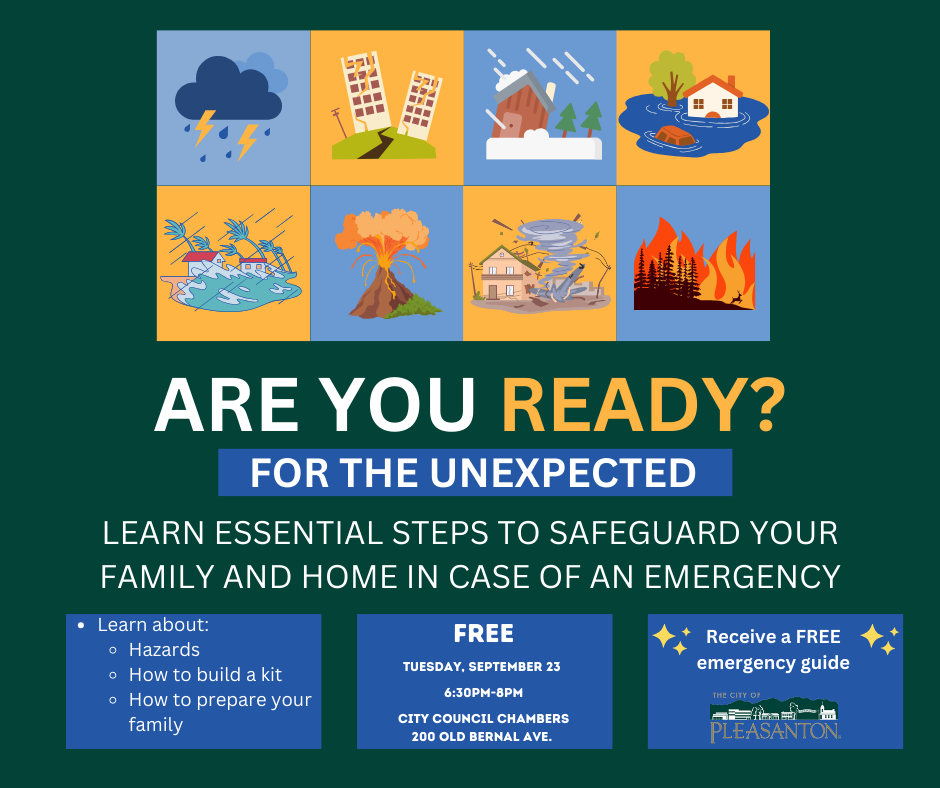
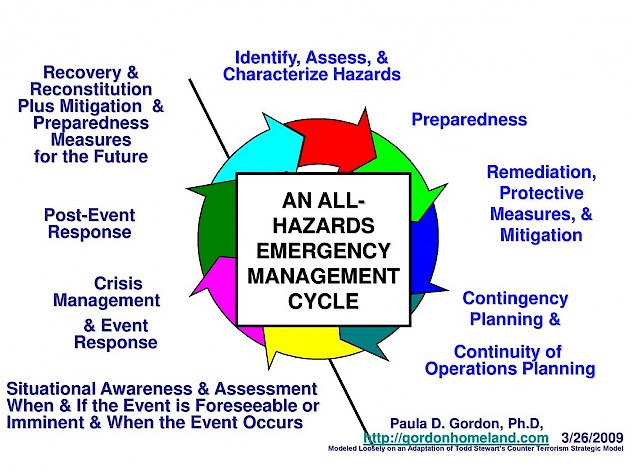
The all-hazards approach forms the foundation of a strong emergency preparedness plan. It covers a wide range of possible threats. This method ensures readiness for both expected and unexpected events.
By focusing on all hazards, organizations avoid gaps in their plans. This approach helps protect people, property, and operations from harm. It creates a flexible and comprehensive strategy for emergencies.
Combining Natural And Man-made Hazards
Emergency plans must include natural hazards like floods, hurricanes, and earthquakes. Man-made hazards such as chemical spills, fires, and cyber-attacks also need attention. Combining these risks creates a complete picture of potential dangers. This helps responders prepare for any scenario.
Each hazard type requires different resources and actions. Planning for both ensures no critical threat is overlooked. It also improves safety for everyone involved.
Flexibility In Response Planning
Flexibility is key to effective emergency response. Hazards can change quickly, so plans must adapt. The all-hazards approach supports this by promoting versatile strategies.
Flexible plans allow responders to switch tactics based on the situation. This reduces confusion and speeds up recovery. It also builds confidence among staff and the community.
Supply Chain And Resource Risks
Supply chain and resource risks pose serious challenges during emergencies. Delays or shortages can disrupt critical operations. Preparedness plans must address these risks clearly. Understanding potential supply chain issues helps keep resources available when needed most.
Resource risks include the unavailability of essential items like food, water, and medical supplies. Emergency plans must identify weak points in supply chains. This ensures timely response and recovery efforts.
Loss Of Essential Supplies
Essential supplies may become scarce during disasters. Transport routes can be blocked or damaged. Suppliers might face their own crises, halting deliveries. This loss puts people and operations at risk. Stockpiling key resources in safe locations helps reduce this danger. Regular inventory checks ensure supplies remain sufficient and usable.
Backup Resource Planning
Backup plans secure resources from multiple sources. Alternate suppliers and local vendors provide options if primary ones fail. Emergency caches store critical items for immediate use. Resource sharing agreements with nearby facilities add support. Clear communication with suppliers speeds up resource replacement. Planning backups protects against supply chain disruptions and resource shortages.
Credit: www.domesticpreparedness.com
Prioritizing Significant Threats
Prioritizing significant threats is essential in creating an effective emergency preparedness plan. It helps focus resources on the most dangerous hazards. This strategy reduces risks and improves safety for everyone involved. Identifying and ranking threats ensures the plan is realistic and practical.
Not all hazards pose the same level of danger. Some may cause minor disruptions, while others can lead to severe damage or loss of life. Prioritization helps emergency teams prepare for events that matter most.
Assessing Potential Impact
Assessing potential impact means understanding how a hazard can affect people, property, and operations. Look at possible injuries, damage, and downtime. Estimate how long recovery might take. Consider the number of people exposed to the hazard. This step guides decision-making for resource allocation and training.
Focusing On Life Safety And Service Continuity
Life safety is the highest priority in any emergency plan. Protecting people from harm comes first. Next, focus on service continuity. Keeping critical systems running prevents bigger problems. This includes power, water, and communication services. Plans should include ways to maintain or quickly restore these essential functions.
Categorizing Hazards
Understanding hazards is crucial for building a strong emergency preparedness plan. Categorizing hazards helps identify the types of risks a community or facility might face. This classification guides the planning process. It ensures responders are ready for specific threats. Clear categories also make training and communication easier. They allow for focused resource allocation and better risk management.
Natural Disaster Types
Natural disasters come from Earth’s forces. Common types include hurricanes, tornadoes, and earthquakes. Floods and wildfires also cause major damage. Each disaster affects areas differently. Some regions face multiple natural threats. Knowing these types helps create targeted plans. Preparation varies for each disaster type. For example, flood plans differ from wildfire responses.
Man-made Incident Groups
Man-made incidents result from human actions. These include fires, chemical spills, and power outages. Terrorism and cyber-attacks fall into this group. Industrial accidents also pose serious risks. Each incident type needs specific response steps. Plans must cover evacuation and containment. Training for these hazards improves safety. Understanding man-made hazards reduces response time.
Public Health Emergencies
Public health emergencies affect many people. Disease outbreaks and pandemics are common examples. Bioterrorism also fits here. These emergencies require health-focused responses. Quarantine, vaccination, and medical care are key actions. Planning includes communication with health agencies. Public health emergencies need ongoing monitoring. Early detection can save many lives.
Response Actions By Hazard
Response actions vary depending on the type of hazard faced. A well-crafted emergency preparedness plan outlines specific steps for different threats. These tailored actions help protect lives and reduce damage during incidents. Clear instructions ensure everyone knows what to do quickly and safely.
Step-by-step Procedures
Each hazard requires detailed procedures to follow. These steps guide staff and responders through the emergency. Procedures include initial alerts, safety measures, and recovery tasks. Clear, simple instructions improve response time and reduce confusion. Regular training on these steps keeps everyone prepared.
Communication Protocols
Effective communication is crucial during emergencies. Protocols define who communicates, how, and when. This ensures timely sharing of information and updates. Use multiple channels like phones, radios, and alarms. Clear communication prevents misinformation and coordinates response efforts well.
Evacuation And Shelter Plans
Evacuation plans specify safe routes and assembly points. Shelter plans identify secure locations for protection. Both plans consider different hazards and facility layouts. Practicing these plans helps people act calmly and efficiently. Regular updates keep plans relevant to changing conditions.
Commonly Excluded Hazards
Not all hazards receive equal attention in emergency preparedness plans. Some risks are often left out, though they can still impact safety and response efforts. Recognizing these commonly excluded hazards helps create more complete and effective plans. Ignoring them can leave gaps in readiness that put people and property at risk.
Routine Weather Warnings
Routine weather warnings like light rain or mild wind often get excluded. These events rarely cause major damage or disruption. Emergency plans tend to focus on severe weather such as hurricanes or tornadoes.
Still, routine weather can affect daily operations. Small floods or slippery roads may cause accidents or delays. Including these warnings improves preparedness and reduces minor but frequent risks.
Low-impact Events
Low-impact events include minor power outages or brief communication failures. They do not stop operations but cause inconvenience and reduced efficiency. Emergency plans may overlook these events as they seem less critical.
Preparing for low-impact events enhances resilience. Staff can respond quickly to small issues before they become bigger problems. Planning for these hazards helps maintain safety and continuity in all situations.
Frequently Asked Questions
What Hazards Included In A New Emergency Preparedness Plan Should Be Based On?
Hazards in a new emergency preparedness plan should be based on location, facility size, operations, equipment, and likely risks. Consider natural disasters, technological threats, and human-made emergencies to create a relevant, all-hazards approach tailored to specific site vulnerabilities.
Which Of These Hazards Is Not Considered In An Emergency Preparedness Plan?
A thunderstorm warning is usually not considered a separate hazard in emergency preparedness plans. It falls under general severe weather events.
What Are The Five Elements Of Emergency Preparedness?
The five elements of emergency preparedness are risk assessment, planning, resource management, communication, and training. These ensure readiness for various emergencies.
What Should Be Included In A New Emergency Preparedness Plan?
A new emergency preparedness plan should include location-specific hazards, facility operations, equipment risks, communication strategies, and supply management. It must address natural disasters, human-made threats, power failures, and extreme weather conditions to ensure comprehensive readiness.
Conclusion
A solid emergency plan covers all likely hazards. It fits the facility’s location and risks. Natural disasters, equipment dangers, and power outages matter. Planning ahead saves lives and reduces damage. Stay aware of possible threats every day. Keep the plan updated for new risks.
Preparedness means being ready, calm, and safe.