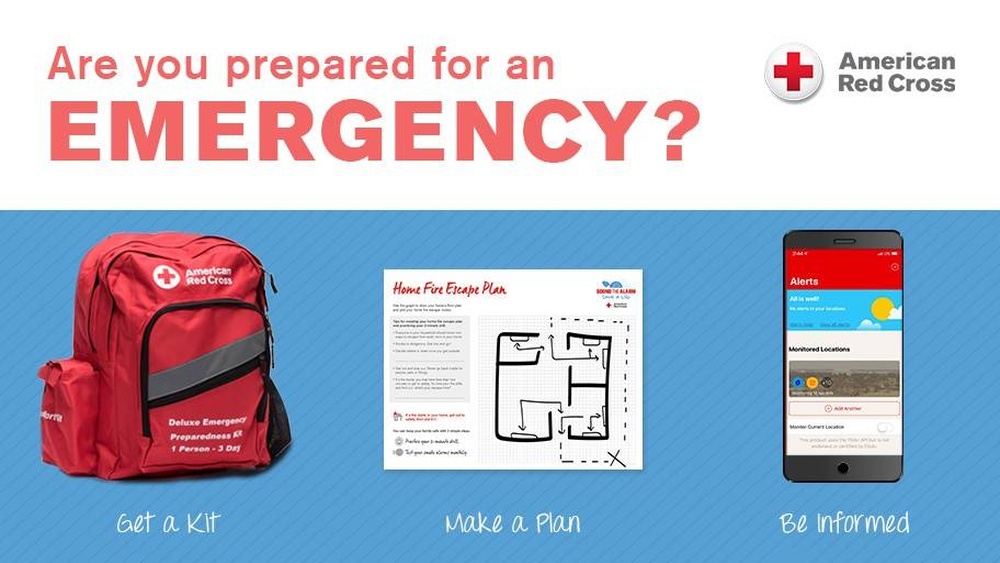

When disaster strikes, are you truly ready to protect yourself and your loved ones? Red Cross Emergency Preparedness is about more than just having supplies—it’s about having a clear plan, the right knowledge, and confidence to act fast.
Imagine staying calm and in control during an emergency, knowing exactly what steps to take. You’ll discover simple, practical ways to prepare for unexpected situations, from building your emergency kit to creating a family communication plan. Don’t wait for a crisis to catch you off guard—empower yourself today with Red Cross tips that could save lives.
Keep reading to learn how to make your home and family safer, starting now.
Credit: www.redcross.org
Emergency Kit Essentials
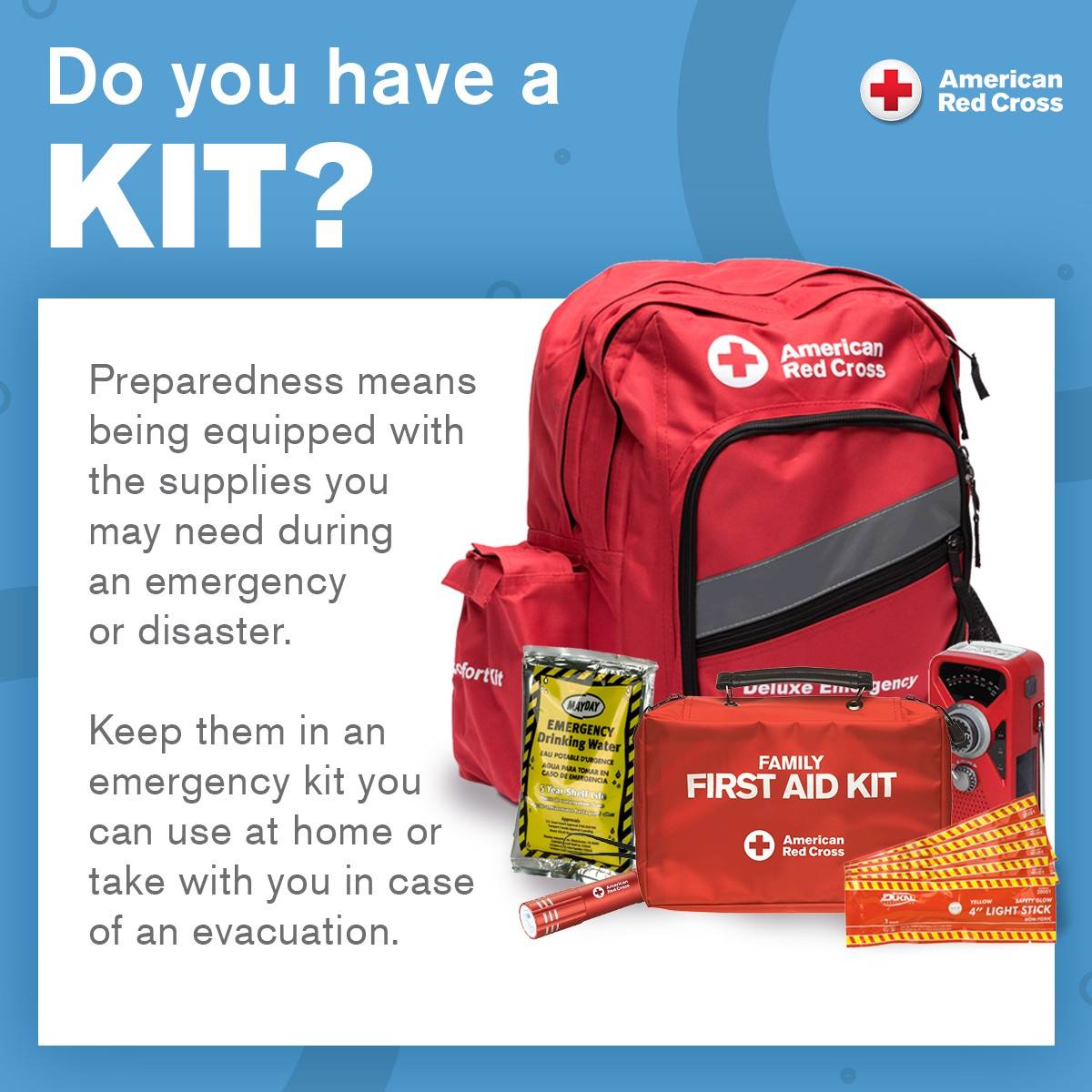
Preparing an emergency kit is a vital step in staying safe during disasters. A well-packed kit supports basic needs like food, water, and medical care. It helps you handle unexpected events calmly and confidently. Each item in the kit serves a purpose to keep you comfortable and secure.
Focus on essentials that cover survival, health, and communication. Keep the kit ready and check it regularly. Replace expired or used items to maintain effectiveness. Planning ahead can make a big difference in an emergency.
Water And Food Supplies
Water is the most important item in any emergency kit. Store at least one gallon per person per day. Keep a three-day supply of water for each person. Choose non-perishable food like canned goods and dry snacks. Foods that do not need cooking are best. Include baby food or special diet items if needed. Keep a manual can opener in the kit.
First Aid And Medications
A basic first aid kit can treat minor injuries fast. Include bandages, antiseptic wipes, and gauze pads. Add adhesive tape, scissors, and tweezers for cuts and splinters. Pack any prescription medicines needed regularly. Bring over-the-counter pain relievers and allergy medicine. Keep a list of all medications and dosages.
Lighting And Communication Tools
Emergency lighting helps when power is out. Use flashlights with extra batteries or solar-powered lights. Avoid candles to reduce fire risk. Include a battery-powered or hand-crank radio to receive news. A whistle can signal for help if needed. Keep a fully charged phone and portable charger in the kit.
Sanitation And Hygiene Items
Cleanliness prevents illness during emergencies. Pack hand sanitizer and moist towelettes for cleaning hands. Include soap and a small towel for washing. Bring toilet paper and plastic bags for waste disposal. Feminine hygiene products and diapers may be needed. Keep a toothbrush, toothpaste, and other personal items.
Clothing And Bedding
Extra clothing protects from weather changes. Include sturdy shoes and warm socks. Pack rain gear and a hat for sun or rain. Bring blankets or sleeping bags for warmth. Choose clothing that fits well and is easy to layer. Keep a change of clothes for each family member.

Credit: www.amazon.com
Creating A Family Plan
Creating a family plan is a key step in Red Cross emergency preparedness. It helps your family stay safe and calm during emergencies. A good plan covers risks, roles, routes, communication, and separation. Each part makes your family ready for surprises.
Identifying Local Risks
Know the dangers near your home. Floods, fires, storms, or earthquakes can happen. Learn which risks are most likely in your area. This knowledge guides your plan and helps you prepare better.
Assigning Roles And Responsibilities
Give each family member a clear task. One person may grab the emergency kit. Another may check on neighbors. Assign simple jobs that fit each person’s ability. This keeps everyone involved and ready.
Planning Evacuation Routes
Find two or more ways to leave your home safely. Practice these routes with your family. Know where to meet outside if you must leave quickly. Planning routes reduces panic and saves time.
Establishing Communication Methods
Decide how your family will stay in touch. Choose phones, texts, or a family meeting spot. Make sure everyone knows what to do if phones don’t work. Clear communication keeps families connected and informed.
Preparing For Separation
Plan for times when family members are apart. Know where each person will go in an emergency. Share contact info and meeting places. Being ready for separation lowers stress and keeps everyone safe.
Staying Informed
Staying informed is a key part of Red Cross emergency preparedness. Knowing what is happening around you helps make smart decisions. It keeps you ready for sudden changes and dangers. Simple tools and alerts can provide fast updates on emergencies.
Access to reliable information saves lives. It guides you on what to do next and where to go. Staying informed reduces panic and confusion during a crisis. Here are some ways to stay updated and prepared.
Using Emergency Apps
Emergency apps offer instant alerts about disasters. They provide information on nearby shelters and safety tips. Many apps send notifications for earthquakes, floods, or fires. Download trusted apps from official sources to stay connected. Use apps like the Red Cross Emergency app for real-time updates. Keep your phone charged to receive alerts anytime.
Monitoring Weather Alerts
Weather alerts warn about storms, heavy rain, or extreme heat. Local weather stations and national services send these alerts. Watch the news or use weather apps to stay updated. Alerts help you prepare for floods, hurricanes, or tornadoes. Follow instructions given by authorities to stay safe. Checking weather regularly can prevent last-minute surprises.
Understanding Warning Systems
Warning systems use sirens, text messages, or broadcasts to alert you. Each system has signals for different types of emergencies. Learn what each warning sound or message means in your area. Knowing these signs helps you act quickly and correctly. Some systems give time to evacuate or take shelter. Practice responding to warnings with your family to stay safe.
Home Safety Measures
Home safety is a key part of emergency preparedness. Small changes can protect your family in a crisis. Preparing your home helps reduce risk and keeps everyone safe. Focus on practical steps that are easy to do. These simple measures can save lives and prevent injuries.
Securing Heavy Items
Heavy objects can fall during emergencies like earthquakes. Secure shelves, TVs, and appliances to walls. Use brackets or straps to hold items firmly. This stops injuries from falling objects. Keep heavy items on lower shelves to reduce danger.
Installing Smoke And Carbon Monoxide Detectors
Smoke and carbon monoxide detectors alert you to dangers early. Install detectors in every bedroom and hallway. Test them monthly and replace batteries yearly. These devices save lives by giving early warnings of fire or gas leaks.
Creating Safe Zones
Safe zones are spots in your home built for protection. Choose areas away from windows and heavy objects. Make these spots clear of clutter and easy to reach. Teach family members where to go during emergencies. Safe zones provide shelter and reduce injury risks.
Marking Escape Routes
Clear escape routes help you leave quickly in danger. Plan at least two ways out of each room. Mark routes with visible signs or tape. Practice using these paths with your family. Knowing escape routes reduces panic and saves time in emergencies.
Special Considerations
Emergency preparedness requires special attention to unique needs. Some family members and pets need extra care during disasters. Planning for these special considerations helps keep everyone safe and calm.
Caring For Pets
Pets rely on us for food, water, and shelter in emergencies. Prepare a pet kit with food, water, medications, and a leash. Include a carrier or crate for easy transport. Know pet-friendly shelters or hotels in your area. Keep pet ID tags updated and visible. Never leave pets behind during evacuation.
Supporting Elderly And Disabled Family Members
Elderly and disabled people may need extra help during emergencies. Create a support plan that includes communication and transportation. Keep a list of their medications and health needs. Arrange for caregivers or neighbors to assist if needed. Make sure emergency exits are accessible. Provide extra blankets and mobility aids for comfort and safety.
Managing Medical Needs
Medical needs must be prioritized in emergency plans. Store extra medicines, prescriptions, and medical supplies. Carry a list of medical conditions and doctor contacts. Know how to operate medical devices during power outages. Plan for backup power sources if needed. Communicate medical needs clearly with emergency responders.
Credit: www.eglin.af.mil
Training And Skills
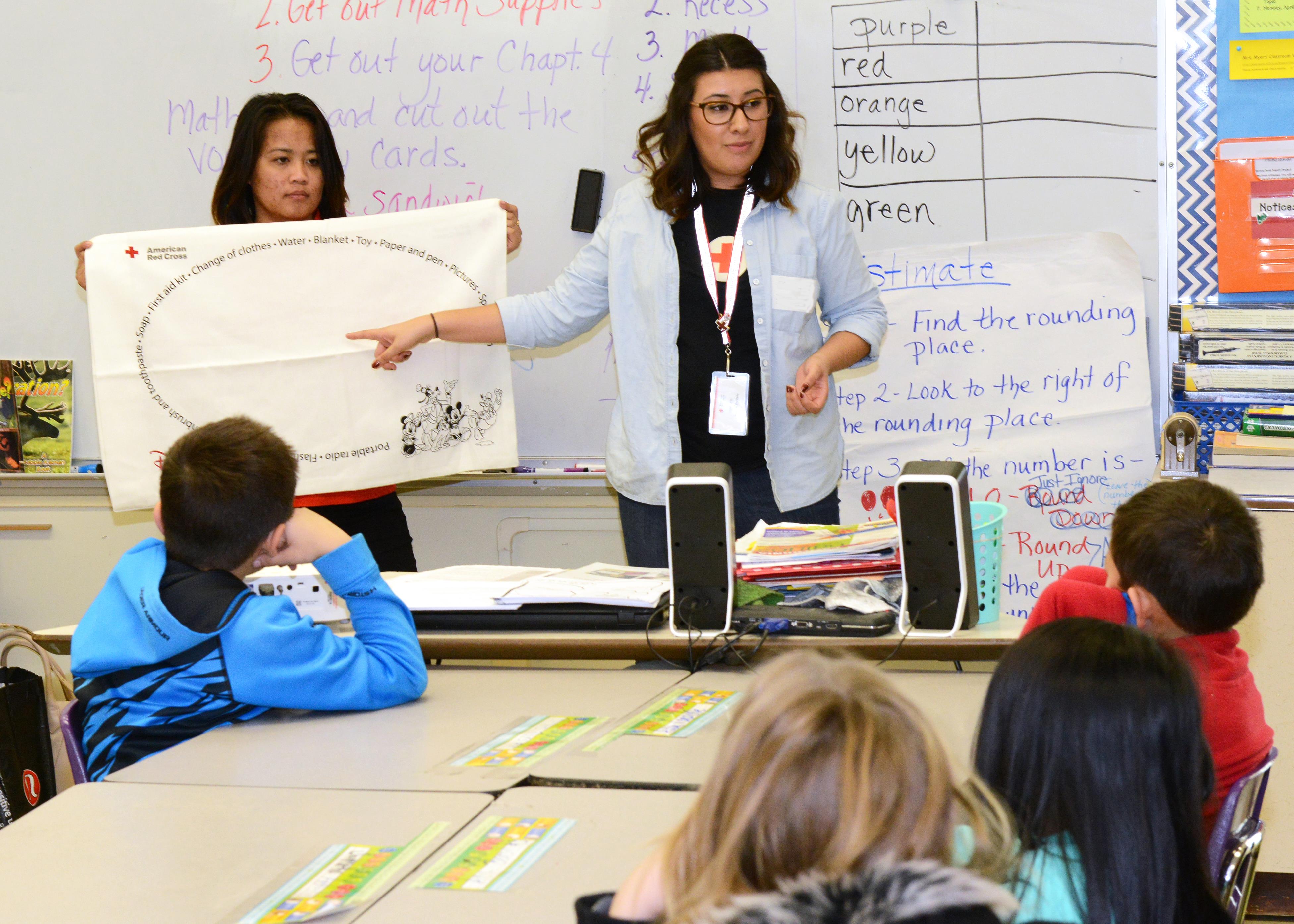
Training and skills form the backbone of effective emergency preparedness. The Red Cross offers practical courses that teach essential lifesaving techniques. These skills empower individuals to act confidently during crises. Being prepared reduces panic and increases the chance of positive outcomes. Each training session builds knowledge and readiness for real emergencies.
Learning Cpr And First Aid
CPR and first aid training help save lives in critical moments. The Red Cross teaches how to perform chest compressions and rescue breaths. Participants learn to treat wounds, burns, and choking. This knowledge can stabilize victims until professional help arrives. Simple actions like these make a big difference in emergencies.
Emergency Drills
Emergency drills prepare people to respond quickly and calmly. The Red Cross organizes drills for fires, earthquakes, and floods. Practicing evacuation routes and safety steps helps reduce confusion. Drills also highlight areas needing improvement in plans. Regular practice builds confidence and teamwork during real events.
Using Fire Extinguishers
The Red Cross trains individuals to use fire extinguishers safely. Knowing when and how to operate these devices stops small fires from spreading. Training covers different types of extinguishers and their uses. This skill protects lives and property in fire emergencies. Proper use of extinguishers can prevent disasters from worsening.
Recovery And Aftermath
Recovery after a disaster is a critical phase in emergency preparedness. It involves actions that help individuals and communities return to normal life. The Red Cross plays a vital role in supporting people during this time. Their guidance and services make recovery easier and safer. Understanding key steps in the aftermath can help you stay prepared and resilient.
Reconnecting With Family
Finding loved ones after a disaster brings relief and comfort. The Red Cross offers tools to help locate family members quickly. Using emergency communication plans reduces anxiety. Keep contact information updated and share it with your family. Staying calm and patient aids in reconnecting effectively.
Accessing Emergency Services
Emergency services provide crucial help after a disaster. The Red Cross coordinates with local responders to deliver aid. Services include medical care, shelter, and food distribution. Knowing how to reach these services speeds up recovery. Carry important documents and identification to access assistance easily.
Assessing Home Damage
Checking your home’s safety is important after an emergency. Look for structural damage, gas leaks, and electrical issues. Avoid entering unsafe buildings to prevent injuries. The Red Cross offers advice on damage assessment and cleanup. Document damage for insurance claims and recovery help.
Mental Health Support
Disasters can cause stress and emotional challenges. The Red Cross provides mental health resources and counseling. Talking about feelings helps manage anxiety and fear. Support groups connect survivors for shared healing. Seeking help early promotes stronger emotional recovery.
Frequently Asked Questions
What To Stockpile For 72 Hours?
Stockpile water (one gallon per person per day), non-perishable food, flashlight, batteries, first aid kit, hygiene items, warm clothing, and important documents for 72 hours.
Why Do People Say Not To Donate To Red Cross?
Some criticize the Red Cross for past mismanagement, lack of transparency, and inefficient use of donations. Critics urge donors to research before giving.
What Are The 5 P’s Of Preparedness?
The 5 P’s of preparedness are: Proper Planning Prevents Poor Performance. This means planning, preparing, protecting, practicing, and personal responsibility.
What Are 10 Items In A Survival Kit?
A survival kit includes water, non-perishable food, flashlight, extra batteries, first aid kit, hygiene supplies, warm blankets, communication device, change of clothes, and essential medications.
Conclusion
Being ready for emergencies saves lives and reduces risks. The Red Cross offers clear steps to prepare your family. Keep a kit with food, water, and essential supplies. Make a simple plan for communication and evacuation. Stay informed about local dangers and weather updates.
Practice safety skills like first aid and CPR regularly. Preparedness brings peace of mind in uncertain times. Start small, build your readiness over time. Your safety depends on the actions you take today. Trust the Red Cross guidance to help protect your home.