When disaster strikes, are you truly ready to handle the unexpected? Emergency preparedness work isn’t just about having supplies—it’s about creating a plan that protects you, your loved ones, and your workplace.
Imagine knowing exactly what to do, where to go, and how to keep everyone safe when every second counts. This guide will show you simple, practical steps to build your readiness from the ground up. By the time you finish reading, you’ll feel confident and equipped to face emergencies head-on.
Your safety starts with the choices you make today—let’s get prepared together.
Emergency Planning Basics
Emergency planning forms the foundation of effective preparedness. It helps organizations and individuals respond quickly and safely during crises. Understanding the basics ensures readiness for unexpected events.
Clear, simple steps build a strong emergency plan. This section covers essential elements to get started.
Setting Clear Objectives
Start by defining what the plan aims to achieve. Objectives guide all actions during an emergency. They focus on protecting lives, minimizing damage, and restoring normal operations. Clear goals keep everyone aligned and reduce confusion.
Identifying Potential Hazards
Knowing possible dangers helps prepare better responses. Hazards can be natural, like storms or floods, or man-made, such as fires or chemical spills. Assess your environment carefully to spot risks. This step allows planning for the most likely emergencies.
Creating Emergency Response Teams
Assigning roles improves coordination during incidents. Teams should include trained individuals responsible for communication, evacuation, first aid, and security. Regular training and drills keep teams ready. Clear leadership ensures quick decisions and effective action.

Credit: www.amazon.com
Essential Supplies To Stockpile
Preparing for emergencies means having the right supplies ready. These essentials help you stay safe, healthy, and connected during crises. Stockpiling key items ensures you can handle unexpected situations with confidence. Focus on water, food, medical needs, power, communication, and important documents. Each category plays a vital role in your emergency readiness.
Water And Food Requirements
Water is the most critical resource. Store one gallon per person each day for at least seven days. Choose non-perishable food items that last long without refrigeration. Canned meats, fruits, vegetables, and dried beans provide good nutrition. Energy bars and peanut butter offer quick, high-energy options. Keep a manual can opener handy. Powdered milk is a useful substitute for fresh milk.
Medical And Sanitation Supplies
A well-stocked first-aid kit is essential. Include bandages, antiseptic wipes, and any personal medications. Sanitation items like moist towelettes, garbage bags, and plastic ties keep hygiene manageable. Dust masks, soap, hand sanitizer, and toilet paper are important for cleanliness. These supplies reduce health risks during emergencies.
Power And Communication Tools
A battery-powered or hand-crank radio keeps you updated with emergency alerts. Flashlights with extra batteries provide reliable lighting when power fails. Keep your cell phone charged and have a backup power bank ready. These tools maintain communication and awareness, crucial in crises.
Important Documents And Cash
Store copies of important documents such as IDs, insurance papers, and medical records. Keep these in a waterproof container. Have some cash in small bills available. During emergencies, electronic payment systems may not work. Physical cash ensures access to supplies and services.
Additional Useful Items
Include items like blankets, clothing, and sturdy shoes. Multipurpose tools and duct tape can assist in repairs. Consider books, games, or other entertainment to ease stress. Having these extras improves comfort and resilience during tough times.
Building A Comprehensive Emergency Kit
Building a comprehensive emergency kit takes careful planning and smart choices. It ensures safety and comfort during unexpected events. A well-prepared kit can support you for days or weeks. Each item should serve a clear purpose and be easy to carry. Organizing your kit helps find things quickly in a crisis.
Selecting Durable Containers
Choose containers that protect supplies from water and damage. Plastic bins with tight lids work well. Metal containers offer strong protection but can be heavy. Use clear containers to see contents easily. Label each container with its contents and date. Stack containers safely to save space.
Balancing Nutrition And Shelf Life
Pick foods that last long without refrigeration. Canned goods like beans, vegetables, and meats provide good nutrition. Energy bars and dried fruits offer quick energy. Avoid foods that spoil fast or need cooking. Rotate food items to keep them fresh. Include a manual can opener for easy access.
Including Tools For Shelter And Repair
Pack items to create or fix shelter quickly. A compact tent or tarp protects from rain and wind. Include duct tape and rope for repairs. A sturdy multi-tool helps with many tasks. Gloves protect your hands during work. Keep a small sewing kit for fabric fixes.
Workplace Emergency Preparedness
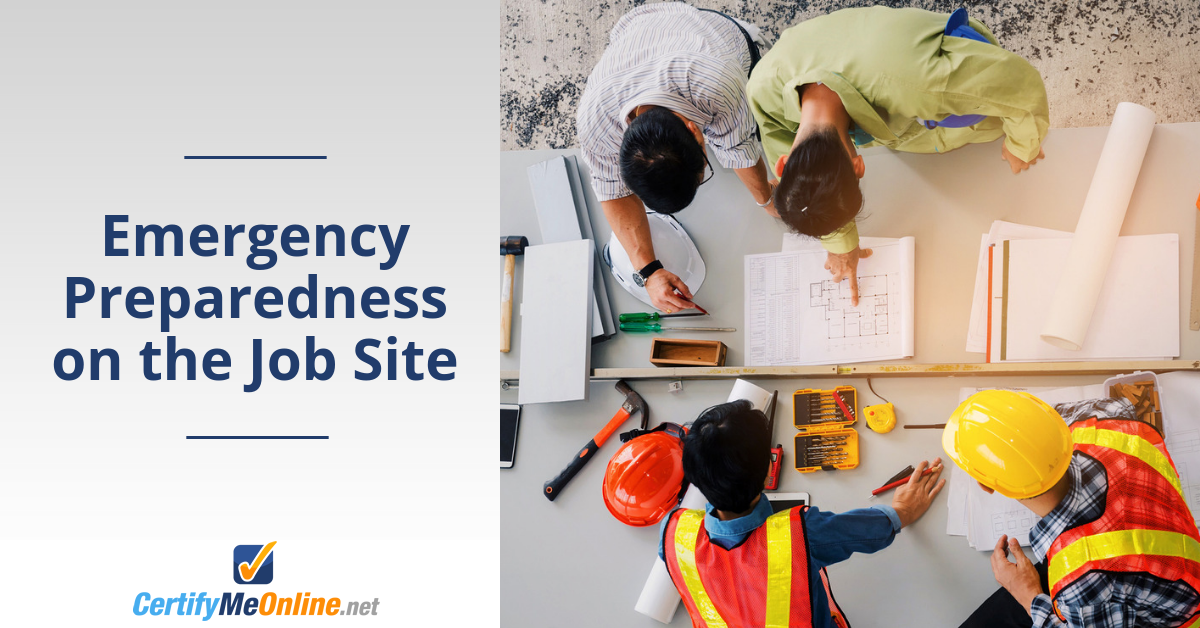
Workplace emergency preparedness protects employees and minimizes damage. Planning ahead saves lives and reduces confusion during crises. Employers must create clear plans and teach staff how to respond.
Preparation helps handle fires, natural disasters, or other emergencies swiftly. Everyone in the workplace should know their role and follow procedures calmly.
Developing Evacuation Plans
Evacuation plans guide workers to safety quickly. Mark all exits clearly and ensure paths are free of obstacles. Assign leaders to help guide employees during an emergency. Include special arrangements for people with disabilities. Update plans regularly to reflect any workplace changes.
Conducting Regular Drills
Drills test the effectiveness of emergency plans. Practice evacuations at least twice a year. Drills help employees learn routes and roles. They reduce panic by making responses familiar. After drills, review what worked and what needs improvement.
Training Employees On Emergency Procedures
Training builds confidence and readiness. Teach workers how to use fire extinguishers and first aid kits. Explain how to report emergencies and contact help. Provide clear instructions on sheltering in place if needed. Refresh training sessions annually to keep skills sharp.
Emergency Management Careers
Emergency management careers offer vital roles in protecting communities. Professionals plan, coordinate, and respond to disasters. They work with government agencies, nonprofits, and private sectors. These roles require strong problem-solving and communication skills.
Jobs in emergency management include specialists, coordinators, and directors. They ensure safety plans are ready and effective. The field grows as risks from natural and human-made disasters increase. It offers rewarding work with a clear purpose.
Educational Pathways
A bachelor’s degree in emergency management or related fields is common. Degrees in public safety, environmental science, or health also help. Coursework covers disaster planning, risk assessment, and crisis communication. Some colleges offer specialized emergency management programs.
Many employers prefer candidates with formal education. Hands-on training and internships provide practical knowledge. Continuing education keeps skills current with changing threats. Online courses offer flexible learning options.
Gaining Relevant Experience
Experience builds confidence and expertise in emergency roles. Internships with emergency services or government agencies add value. Volunteer work with disaster relief organizations is beneficial. Entry-level positions help develop essential coordination skills.
Participation in drills and simulations enhances readiness. Networking with professionals opens job opportunities. Real-life experience teaches quick decision-making under pressure. Employers value proven ability to manage crises effectively.
Certifications And Advanced Degrees
Certifications strengthen credentials and show commitment. Popular certifications include Certified Emergency Manager (CEM) and FEMA courses. These programs cover advanced planning and response techniques. They improve job prospects and professional growth.
Advanced degrees such as a master’s in emergency management deepen knowledge. These degrees focus on leadership, policy, and strategic planning. They prepare candidates for senior roles and specialized fields. Lifelong learning remains important in this dynamic career.
Staying Informed During Emergencies
Staying informed during emergencies is crucial for safety and quick decision-making. Reliable information helps you understand the situation and respond correctly. It reduces panic and guides you to take proper actions. Preparing communication tools beforehand ensures you won’t lose contact during power outages or network failures.
Using Battery-powered Radios
Battery-powered radios provide access to emergency broadcasts. They work without electricity, making them reliable during power cuts. Keep extra batteries ready to extend usage time. Choose radios with NOAA or weather band channels. These radios offer continuous updates on weather and safety instructions. Listening regularly helps you stay aware of changing conditions.
Maintaining Communication Devices
Keep your cell phone charged and ready for use. Store portable chargers or power banks for backup energy. Test your devices often to ensure they work properly. Consider having a list of emergency contacts saved. Text messaging may work better than calls during network congestion. Maintaining communication devices helps you connect with family and emergency services.
Monitoring Local Alerts And Updates
Local alerts provide specific information about your area. Sign up for text alerts or app notifications from local authorities. Monitor official websites and social media channels for updates. Pay attention to evacuation orders and safety warnings. Staying alert to local news helps you make timely decisions. Always verify information from trusted sources to avoid rumors.
Special Considerations For Different Scenarios
Emergency preparedness requires different approaches for each scenario. Each type of emergency demands unique plans and supplies. Understanding these special considerations helps ensure safety and readiness in any situation.
Natural Disasters
Natural disasters include hurricanes, earthquakes, floods, and wildfires. Prepare by securing heavy furniture and creating safe zones at home. Store enough water and non-perishable food for at least three days. Keep a battery-powered radio to receive weather updates. Plan evacuation routes and know local shelter locations. Have emergency kits ready with flashlights, first aid, and essential documents.
War And Conflict Situations
War or conflict requires extra caution and long-term planning. Stockpile water, food, and medical supplies for several weeks. Include a manual can opener and hygiene products. Keep copies of important documents and some cash in small bills. Find secure, hidden places for shelter. Stay informed through reliable news sources and avoid dangerous areas. Communication plans with family and friends are crucial in these times.
Pandemics And Health Emergencies
Pandemics demand hygiene and health-focused preparedness. Have a supply of face masks, hand sanitizer, and disinfectants. Keep enough prescription medicines and basic first-aid items. Plan for isolation if needed, with food and water for two weeks. Stay updated on health guidelines from trusted sources. Make arrangements for medical care and mental health support. Clean frequently touched surfaces regularly to reduce infection risks.

Credit: www.flexjobs.com
Community And Family Preparedness
Community and family preparedness form the backbone of effective emergency readiness. Strong bonds between neighbors and clear family plans boost safety during crises. Everyone plays a role in creating a resilient environment. Preparation is not just individual; it extends to those around us.
Coordinating With Neighbors
Neighbors can share resources and information quickly. Establish a communication plan for emergencies. Create a contact list and exchange it with trusted neighbors. Identify skills and supplies each person can offer. Plan meeting points in case of evacuation. Working together increases chances of mutual aid.
Creating Family Emergency Plans
Every family needs a clear, simple emergency plan. Decide on meeting places both near and far. Assign roles such as who gathers supplies or cares for pets. Practice the plan regularly with all family members. Keep important documents and emergency kits accessible. A well-rehearsed plan reduces panic during emergencies.
Supporting Vulnerable Individuals
Some people need extra help during emergencies. Identify elderly, disabled, or sick neighbors and family members. Check on them often and include them in plans. Arrange for transportation or special medical needs. Encourage community members to watch out for each other. Compassion strengthens the whole community’s preparedness.
Credit: www.certifymeonline.net
Frequently Asked Questions
How To Work In Emergency Preparedness?
Work in emergency preparedness by earning a relevant degree, gaining experience, obtaining certifications, and staying updated on safety protocols.
What Are The 5 Stages Of Emergency Preparedness?
The five stages of emergency preparedness are prevention, mitigation, preparedness, response, and recovery. Each stage helps reduce risks and ensures effective action during emergencies.
What Are The 5 P’s Of Preparedness?
The 5 P’s of preparedness are: Proper planning, Prevention, Preparation, Protection, and Practice. These steps ensure readiness for emergencies.
What Should I Stock Up On Before War?
Stock up on water (one gallon per person daily), non-perishable food, a first-aid kit, sanitation supplies, batteries, important documents, cash, and basic tools.
Conclusion
Emergency preparedness work saves lives and reduces risks. Planning ahead makes emergencies less stressful and more manageable. Keep essentials like water, food, and first-aid supplies ready. Stay informed with a battery-powered radio or phone. Practice your plan with family or coworkers regularly.
Small steps today protect you and your community tomorrow. Remember, readiness is a continuous effort, not a one-time task. Start building your emergency plan now for peace of mind.