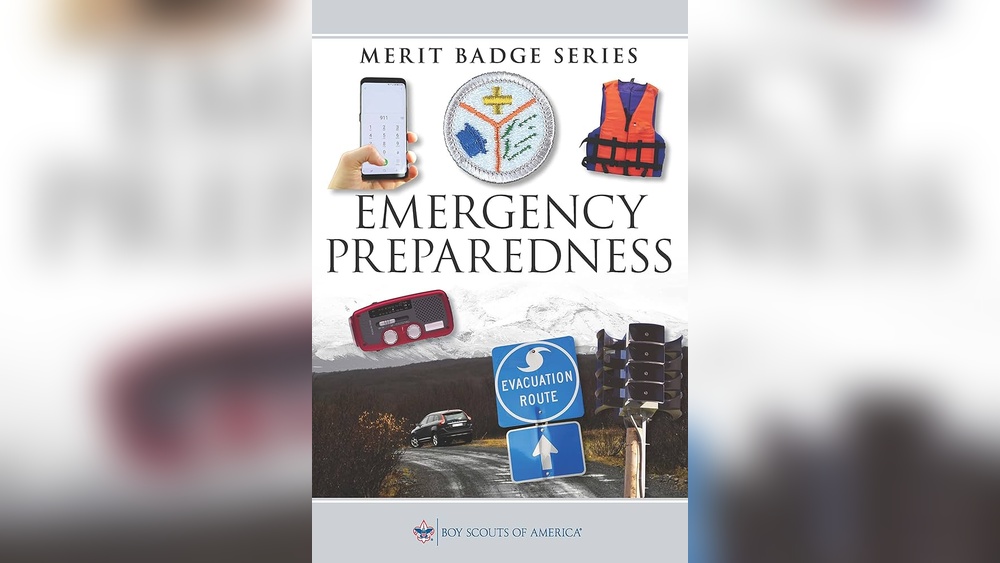

Are you ready to take control when emergencies strike? The Emergency Preparedness Merit Badge Pamphlet is your essential guide to learning how to stay safe and help others before, during, and after unexpected situations.
Whether you want to sharpen your first aid skills, create reliable emergency plans, or build a disaster kit that really works, this pamphlet breaks it all down into simple, easy steps. By diving into this resource, you’ll gain confidence and practical knowledge that could make a real difference in a crisis.
Keep reading to discover exactly how this pamphlet can empower you to be prepared and ready for anything life throws your way.
Credit: www.scouting.org
Merit Badge Basics
The Emergency Preparedness Merit Badge introduces Scouts to important safety skills. It teaches how to prepare for emergencies before they happen. Scouts learn what to do during and after emergency situations. This badge builds confidence and readiness.
The badge covers many topics. Scouts gain knowledge about planning, safety tools, and emergency kits. They explore ways to help others in their community. This merit badge is a key step for Scouts who want to serve and protect.
Badge Requirements
Scouts must complete several tasks to earn this badge. They start by learning about different types of emergencies. Scouts create a personal emergency plan for their family. They also prepare emergency supply kits for home, school, and car.
Scouts identify local emergency resources like fire departments and shelters. They explain the importance of communication during a crisis. The badge requires Scouts to practice skills such as fire safety and evacuation drills. Completing these steps shows Scouts are ready to act safely.
First Aid Connection
First Aid merit badge is a must before starting this badge. First aid teaches essential emergency care skills. It helps Scouts understand how to treat injuries and illnesses in an emergency. These skills are the foundation of emergency preparedness.
Knowing first aid allows Scouts to assist others quickly. It reduces panic and improves outcomes in real situations. This connection ensures Scouts are equipped to handle emergencies with calm and care.
Counselor Role
The counselor guides Scouts through the badge requirements. They provide knowledge, support, and feedback. Counselors help Scouts understand complex topics and complete tasks correctly. They encourage safety and responsibility during learning.
Counselors also share real-life experiences and practical tips. They check that Scouts meet all requirements. Their role is vital to help Scouts succeed and gain confidence.
Emergency Plans
Emergency plans are vital for safety during unexpected events. They guide families and communities on how to act quickly and calmly. Preparing these plans reduces panic and confusion. Each plan focuses on key areas to keep everyone informed and protected.
Family Preparedness
Families should create a clear emergency plan together. Decide on safe meeting spots both inside and outside the home. Prepare a list of emergency contacts everyone knows by heart. Keep emergency supplies like water, food, and first aid kits ready. Practice the plan regularly to ensure everyone understands their role.
Communication Strategies
Communication is crucial during emergencies. Choose a family member or friend outside the area as a contact point. Use text messages or social media to save phone lines for emergencies. Teach children how to call emergency services and share important information. Keep a list of phone numbers and addresses in your emergency kit.
Evacuation Procedures
Know the safest routes to leave your home or neighborhood. Plan how to evacuate pets and secure important documents. Pack a go-bag with essentials like clothes, medication, and food. Practice evacuation drills so everyone moves quickly and safely. Stay informed about evacuation orders from local authorities.
Disaster Kits
Disaster kits are vital for staying safe during emergencies. These kits hold all the items needed to survive and stay comfortable. Building a well-stocked disaster kit can reduce stress and improve your response.
Each disaster kit should fit your family’s needs and the types of emergencies you may face. Planning ahead means you can act quickly without searching for supplies.
Essentials To Include
Start with water and food. Store at least one gallon of water per person daily. Include non-perishable foods like canned goods and energy bars.
Add a first aid kit with bandages, antiseptic, and necessary medications. Include a flashlight with extra batteries and a battery-powered or hand-crank radio.
Don’t forget personal items like important documents, cash, and hygiene products. Pack clothing, blankets, and sturdy shoes to stay warm and dry.
Sheltering Supplies
Prepare for sheltering in place or evacuating by including tarps, plastic sheeting, and duct tape. These can help seal windows or create temporary shelter.
Include tools like a multi-tool or pocket knife. Pack gloves, dust masks, and rain gear to protect yourself from harsh conditions.
Consider comfort items such as books, games, or small toys if you have children. These help reduce anxiety during stressful times.
Kit Maintenance
Regularly check your disaster kit to keep items fresh and usable. Replace expired food, water, and batteries every six months.
Update personal documents and medications as needed. Adjust the kit for changing family needs or seasons.
Store your kit in an easy-to-access location known to all family members. Practice using the kit to ensure everyone knows what to do during an emergency.
First Aid Skills
First aid skills form the heart of emergency preparedness. These skills help you act quickly and confidently in emergencies. Learning first aid means you can provide help until professional aid arrives. It builds your confidence and makes you a valuable team member during crises.
Basic Techniques
Knowing basic first aid techniques saves lives. Start with checking the scene for safety. Always wear gloves if available to protect yourself. Learn how to clean wounds, stop bleeding, and dress cuts. Practice the Heimlich maneuver for choking emergencies. Understand how to perform CPR on adults, children, and infants.
Handling Common Injuries
Common injuries include cuts, burns, sprains, and fractures. For cuts, clean the wound and apply a bandage. Cool burns with running water for at least 10 minutes. Use a splint to stabilize broken bones and avoid moving the injured part. Elevate sprains and apply ice packs to reduce swelling. Always watch for signs of shock or infection.
Emergency Response
Effective emergency response means acting fast and calm. Call emergency services immediately for serious injuries. Provide clear information about the injury and location. Stay with the injured person and offer reassurance. Follow your training to keep the person safe and comfortable. Proper emergency response can prevent complications and save lives.
Survival Skills
Survival skills form a crucial part of the Emergency Preparedness Merit Badge Pamphlet. These skills help Scouts stay safe during unexpected events. Learning how to use limited resources, build shelters, and ensure clean water and safe food can save lives. Developing these abilities builds confidence and readiness for emergencies.
Resourcefulness Tips
Resourcefulness means using what you have wisely. Look around for natural items like sticks, leaves, and stones. Use a knife or sharp tool carefully to craft tools or start a fire. Stay calm and think creatively to solve problems. Practice making tools from simple materials. This skill helps in many survival situations.
Shelter Building
A good shelter protects from weather and keeps you warm. Choose a safe spot, away from hazards like falling branches. Use branches, leaves, and tarps to build a roof and walls. Make sure your shelter blocks wind and rain. Practice building different shelters, like lean-tos or debris huts. Shelter keeps you safe and comfortable.
Water And Food Safety
Clean water and safe food are vital for survival. Always boil water before drinking to kill germs. If boiling is not possible, use water purification tablets or filters. Find food sources like berries, nuts, and edible plants. Avoid unknown plants as some can be poisonous. Keep food dry and covered to avoid contamination.

Credit: www.scoutshop.org
Resilience Building
Building resilience is key in emergency preparedness. It helps Scouts face challenges calmly and confidently. Resilience means staying strong in tough times and recovering quickly.
The Emergency Preparedness Merit Badge Pamphlet teaches important skills to build resilience. These skills prepare Scouts for unexpected events and help them support others.
Mental Preparedness
Mental preparedness means training your mind to stay calm during emergencies. Scouts learn to focus and think clearly under pressure. This skill reduces fear and confusion. It helps Scouts make smart decisions fast. Practicing mental preparedness builds confidence and control.
Stress Management
Stress management teaches ways to handle anxiety and stay calm. Scouts learn breathing exercises and relaxation techniques. These reduce stress and improve focus. Managing stress keeps the body healthy and ready for action. It helps prevent panic in emergencies.
Community Support
Community support means working with others for safety and help. Scouts learn to share information and resources. Helping neighbors builds trust and strength in the group. A strong community can recover faster from disasters. Scouts play a key role in supporting their community.
Merit Badge Resources
The Emergency Preparedness Merit Badge offers valuable learning tools for Scouts. These resources guide Scouts through essential safety skills. Access to the right materials ensures a smooth badge-earning journey. Understanding each resource helps Scouts prepare effectively for emergencies.
Pamphlet Overview
The official pamphlet is the primary resource for this merit badge. It covers key topics like planning, safety, and emergency response. The pamphlet is easy to read and includes clear instructions. Scouts can use it to study the requirements step-by-step. It also contains helpful tips for real-life emergency situations.
Workbook Usage
The merit badge workbook is designed to track progress and answers. Scouts fill out the workbook as they complete each requirement. It acts as proof of their knowledge and skills. Counselors use the workbook to review a Scout’s work. This tool keeps learning organized and focused throughout the badge process.
Additional Materials
Besides the pamphlet and workbook, extra materials enhance learning. First aid manuals and safety guides are useful supplements. Videos and online tutorials can demonstrate emergency techniques clearly. Some Scouts also benefit from hands-on practice kits. Combining different materials enriches understanding and readiness.
Credit: usscouts.org
Frequently Asked Questions
What Is The Emergency Preparedness Merit Badge Pamphlet?
The pamphlet is an official guide helping Scouts learn emergency planning, first aid, and survival skills. It provides clear steps to meet badge requirements and prepare for real emergencies effectively.
How Does The Pamphlet Help Earn The Merit Badge?
It outlines the badge requirements and offers detailed instructions on safety, preparedness, and emergency response. Scouts use it to complete tasks and record their progress with counselor approval.
What Key Skills Are Taught In The Pamphlet?
The pamphlet teaches first aid, disaster planning, risk assessment, and resource management. It emphasizes resilience, quick thinking, and practical actions before, during, and after emergencies.
Is The Pamphlet Required For Eagle Scout Rank?
Yes, earning the Emergency Preparedness Merit Badge using the pamphlet is often required for Eagle Scout rank. It ensures Scouts develop critical life-saving and readiness skills.
Conclusion
Earning the Emergency Preparedness Merit Badge builds important life skills. Scouts learn how to stay safe before, during, and after emergencies. The pamphlet guides Scouts step-by-step through essential safety topics. It encourages planning, first aid, and quick thinking in tough situations.
Being ready helps protect families and communities. This badge teaches responsibility and confidence in emergencies. Scouts gain knowledge that lasts a lifetime. Everyone benefits from knowing how to act in a crisis. The pamphlet makes learning clear and simple for all Scouts.
Start preparing today for a safer tomorrow.