
When an emergency strikes, every second counts—especially in healthcare settings. That’s why the CMS Rule for Emergency Preparedness is crucial for you and your facility.
This rule ensures you have a solid plan in place to protect your patients, staff, and operations when disaster hits. Imagine knowing exactly what to do, who to contact, and how to keep everyone safe no matter the crisis. You’ll discover the key steps to build and maintain an effective emergency preparedness program that meets CMS requirements.
By the end, you’ll be equipped with practical insights that make your emergency readiness not just a requirement, but a true strength. Keep reading to learn how to turn uncertainty into confidence when it matters most.
Core Components
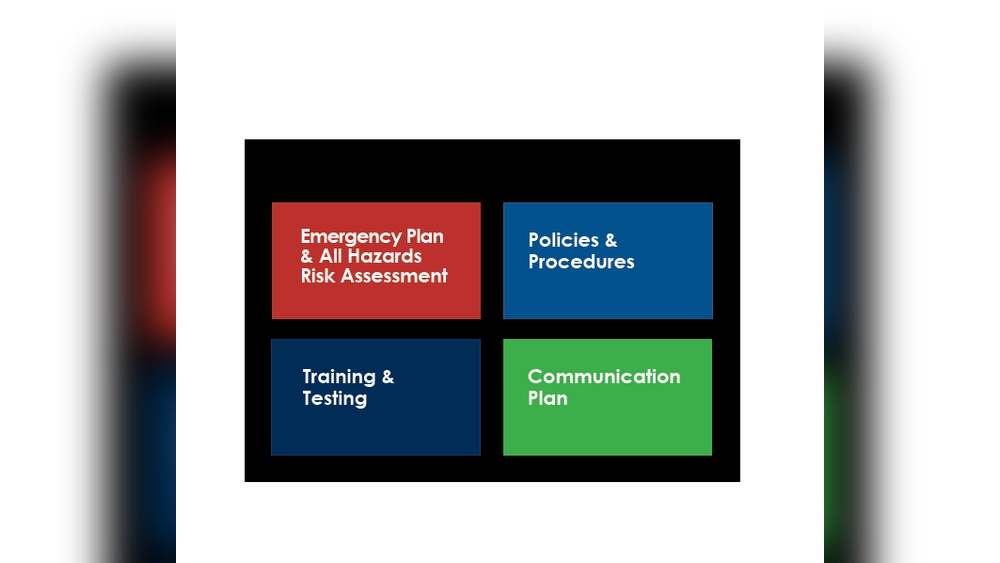
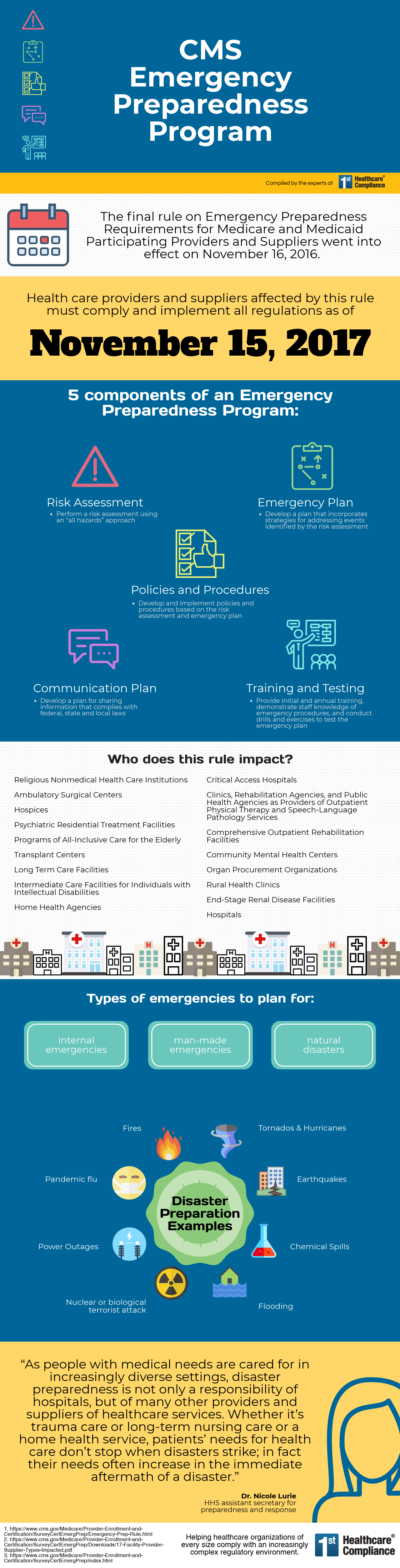
The CMS Rule for Emergency Preparedness requires healthcare providers to build a strong foundation. This foundation is made up of four core components. Each part works together to keep patients and staff safe during emergencies. Understanding these components helps facilities prepare well and respond quickly.
Emergency Plan
Providers must create an emergency plan based on an all-hazards risk assessment. This means identifying possible emergencies that could happen. The plan explains how to respond to each type of emergency. It covers steps to protect patients, staff, and visitors. The plan must be clear and detailed, ready for any situation.
Policies And Procedures
Facilities develop policies and procedures from the emergency plan. These rules explain actions for staff to follow during emergencies. They include care for patients and staff, evacuation methods, and sheltering in place. Tracking of patients and staff is also part of these procedures. This ensures everyone’s safety and accountability.
Communications Plan
A strong communications plan is essential during a crisis. It ensures clear communication with patients, families, and healthcare partners. The plan also connects to local, state, and federal emergency agencies. This helps share important information quickly. It prevents confusion and supports coordinated response efforts.
Training And Testing Program
Staff must be trained on emergency policies and procedures. New employees receive initial training to prepare them. Facilities conduct drills and exercises regularly. These include tabletop and full-scale drills to test readiness. Testing helps find gaps and improve the emergency plan. Regular training keeps everyone ready to act fast.
Credit: 1sthcc.com
Risk Assessment
Risk assessment is the first step in preparing for emergencies under the CMS Rule. It helps healthcare facilities identify possible threats and plan how to respond. A solid risk assessment considers many factors to protect patients and staff effectively.
All-hazards Approach
The all-hazards approach means planning for any type of emergency. It covers natural disasters, technological failures, and human-caused events. This broad view ensures no potential threat is overlooked. Facilities can create flexible plans that adapt to different emergencies.
Facility Location Considerations
Where a facility is located affects its risk level. Coastal areas might face hurricanes or floods. Urban centers may have risks like power outages or terrorism. Rural locations could face challenges with access to emergency services. These details guide the emergency plan’s focus.
Patient Population Factors
The types of patients influence emergency needs. Facilities with many elderly or disabled patients require special care plans. Children, patients with chronic diseases, or those needing life-support need extra attention. Understanding patient needs helps in resource planning and response.
Potential Hazards
Identifying specific hazards is essential. Examples include fires, floods, chemical spills, or pandemics. Each hazard requires different preparation steps. Facilities must evaluate past incidents and local risks to prepare thoroughly. This step builds the foundation for all emergency actions.
Policy Development
Policy development is a crucial part of emergency preparedness under the CMS Rule. It sets clear guidelines for healthcare facilities to protect patients and staff during emergencies. These policies must be detailed, practical, and easy to follow. They form the backbone of the facility’s emergency plan.
Each policy should address key areas such as subsistence, evacuation, sheltering, and tracking. Clear instructions help ensure everyone knows their roles and responsibilities. Proper policy development reduces confusion and speeds up response times during crises.
Staff And Patient Subsistence
Policies must ensure the availability of food, water, and medical supplies. Both staff and patients need access to these essentials during an emergency. Plans should include stockpiling and quick distribution methods. Consider special dietary needs and medication schedules. Reliable subsistence policies keep everyone safe and cared for.
Evacuation Procedures
Evacuation plans must be clear and easy to follow. They should identify safe routes and transportation options. Staff should know how to move patients quickly and safely. Policies must cover different emergency types like fires or floods. Regular drills help staff practice these procedures effectively.
Sheltering In Place
Sheltering in place means staying safely inside during some emergencies. Policies should explain when and how to shelter in place. This includes securing the building and maintaining a safe environment. Staff must know how to support patients in this situation. Supplies and communication tools should be ready and accessible.
Tracking Patients And Staff
Tracking systems must be part of emergency policies. They help locate patients and staff at all times. Policies should describe how to record arrivals, departures, and movements. Accurate tracking prevents loss and confusion during chaos. This ensures accountability and patient safety throughout the emergency.
Communication Strategies
Effective communication is crucial in emergency preparedness under the CMS Rule. Clear and timely information sharing saves lives and reduces confusion. Communication strategies support smooth operations and protect patients, staff, and families. These strategies cover internal messages, family updates, healthcare provider coordination, and public health agency liaison.
Internal Communication
Facilities must keep staff informed during emergencies. Use multiple channels like phones, radios, or emails. Messages should be simple and direct. Staff need quick updates on safety, roles, and changes. Regular drills help staff practice emergency communication. Clear internal communication ensures everyone knows their duties.
Family Notifications
Families need timely and accurate information about their loved ones. Facilities should have a plan to contact families fast. Use phone calls or text messages to update family members. Provide clear details on patient status and facility safety. Families feel reassured when they receive regular, honest updates.
Coordination With Healthcare Providers
Emergency response requires teamwork with other healthcare providers. Share patient information and resource needs efficiently. Coordinate transfers, treatments, and support services. Use secure communication tools to protect patient privacy. Collaboration helps maintain care quality during emergencies.
Liaison With Public Health Agencies
Facilities must connect with local, state, and federal public health agencies. Share emergency plans and status reports regularly. Receive guidance on evolving threats and resources. Report outbreaks or unusual events promptly. Strong ties with agencies improve overall community response.
Training And Drills
Training and drills form the backbone of the CMS Rule for Emergency Preparedness. They ensure staff know their roles and act confidently during crises. Regular practice keeps everyone prepared and aware of the latest procedures. This section breaks down key training types required by CMS.
Initial Staff Training
New staff members must complete emergency preparedness training before starting work. This training covers the facility’s emergency plan and safety protocols. It builds basic skills to handle emergencies effectively. Clear instructions help staff understand their duties during an incident.
Annual Exercises
Annual exercises test staff knowledge and readiness. These drills update employees on any changes in emergency plans. They reinforce proper responses to different emergency scenarios. Consistent practice reduces confusion and speeds up reaction times.
Full-scale Drills
Full-scale drills simulate real emergencies with all staff involved. They test coordination between departments and communication systems. These drills reveal weaknesses in the emergency plan. Staff gain hands-on experience managing complex situations.
Tabletop Exercises
Tabletop exercises are discussion-based sessions. Staff review emergency scenarios and discuss responses in a group setting. This method helps identify gaps in planning and decision-making. It encourages teamwork and problem-solving without physical activity.
Plan Updates
Keeping emergency preparedness plans current is vital for healthcare providers. Regular updates ensure plans address new risks and changing conditions. These revisions help staff respond effectively during emergencies. CMS requires providers to review and update their emergency plans regularly. This keeps all procedures relevant and practical.
Annual Review Requirements
CMS mandates an annual review of emergency preparedness plans. Providers must examine all plan components each year. This includes the emergency plan, policies, communication strategies, and training programs. Any gaps or outdated elements need immediate correction. Annual reviews help maintain readiness for all types of emergencies. Documentation of the review process is essential for compliance. Providers must keep records showing when and how updates occurred.
Updates For Long-term Care Facilities
Long-term care facilities face unique challenges in emergencies. CMS requires these facilities to update plans more often than once a year. Frequent updates reflect the special needs of residents and staff. These updates cover evacuation routes, medical supplies, and communication with families. Facilities must adjust plans based on new hazards or changes in resident care. Staff training and drills must also reflect these updates. Regular updates reduce risks and improve safety for vulnerable populations.
Coordination With Authorities
Coordination with authorities is vital under the CMS Rule for Emergency Preparedness. Healthcare providers must work closely with various agencies. This cooperation strengthens emergency response and ensures patient safety. Clear communication and shared plans reduce confusion during crises. Each level of government plays a unique role in supporting healthcare facilities.
Local And Tribal Agencies
Local and tribal agencies provide immediate support during emergencies. They understand the community’s specific risks and resources. Facilities must connect with local emergency managers and tribal leaders. Sharing emergency plans helps align response efforts. These agencies offer crucial guidance on sheltering and evacuation procedures. Collaboration builds trust and improves readiness on the ground.
Regional And State Officials
State and regional officials coordinate larger-scale emergency responses. They provide resources that local agencies may lack. Healthcare providers should engage with state health departments and emergency offices. These officials help integrate facility plans into broader state strategies. They also assist with training, drills, and communication networks. Strong links with state authorities enhance overall preparedness and recovery.
Federal Emergency Management
The federal government supports emergency efforts through agencies like FEMA. They offer funding, technical assistance, and national coordination. Healthcare facilities must understand federal guidelines and reporting requirements. FEMA resources can improve infrastructure and staff training. Coordination ensures access to aid during widespread disasters. Following federal guidance helps maintain compliance with the CMS Rule.
Credit: 1sthcc.com
Applicability And Impact
The CMS Emergency Preparedness Rule applies to many healthcare providers. It sets clear standards for emergency plans. These plans must protect patients, staff, and visitors during crises. Understanding who must follow these rules helps ensure compliance and safety.
The impact of this rule is broad. It improves readiness for natural disasters, pandemics, and other emergencies. Providers must create, update, and test their plans regularly. This ongoing effort builds stronger, safer healthcare environments.
Types Of Providers Affected
The rule applies to hospitals, nursing homes, and clinics. It also covers outpatient providers and home health agencies. All must follow CMS guidelines for emergency preparedness. The goal is consistent safety across all care settings.
Outpatient Provider Requirements
Outpatient providers must develop a tailored emergency plan. This plan should address evacuation and sheltering needs. Communication protocols with local authorities are essential. Staff must receive training and participate in drills annually.
Long-term Care Facilities
Long-term care facilities face stricter rules. They must review and update plans every six months. Extra focus is on patient tracking and safe evacuation. Coordination with local emergency services is mandatory. Training includes scenarios specific to elderly care.
Ambulatory Surgical Centers
Ambulatory surgical centers must prepare for emergencies affecting surgery schedules. They need clear policies for patient safety and staff roles. Communication plans must include emergency contacts and public health agencies. Regular testing of these plans is required.

Credit: compliancy-group.com
Frequently Asked Questions
What Is The Cms Emergency Preparedness Rule?
The CMS Emergency Preparedness Rule requires healthcare providers to create, update, and test comprehensive emergency plans. It covers risk assessment, policies, communication, training, and coordination with authorities. Providers must conduct annual reviews and drills to ensure readiness for all hazards.
Does The Cms Require Healthcare Providers To Have An Emergency Preparedness Plan?
Yes, CMS requires healthcare providers to have an emergency preparedness plan. It must include an emergency plan, policies, communication, training, and testing. Providers must update plans annually and coordinate with local and federal agencies.
What Are The Four Components Of Emergency Preparedness Requirements As Outlined By Cms?
CMS outlines four emergency preparedness components: an Emergency Plan, Policies and Procedures, a Communications Plan, and a Training and Testing Program.
What Is 42 Cfr 483.73 Emergency Preparedness?
42 CFR 483. 73 requires healthcare providers to create and maintain emergency plans, communication, training, and testing programs.
Conclusion
The CMS rule helps healthcare providers prepare for emergencies well. It guides them to create clear plans and train their staff regularly. Communication during crises stays strong with proper coordination. Regular updates keep the plans effective and ready. Following these rules protects patients and staff when disasters strike.
Emergency preparedness is essential for safer healthcare environments everywhere.
