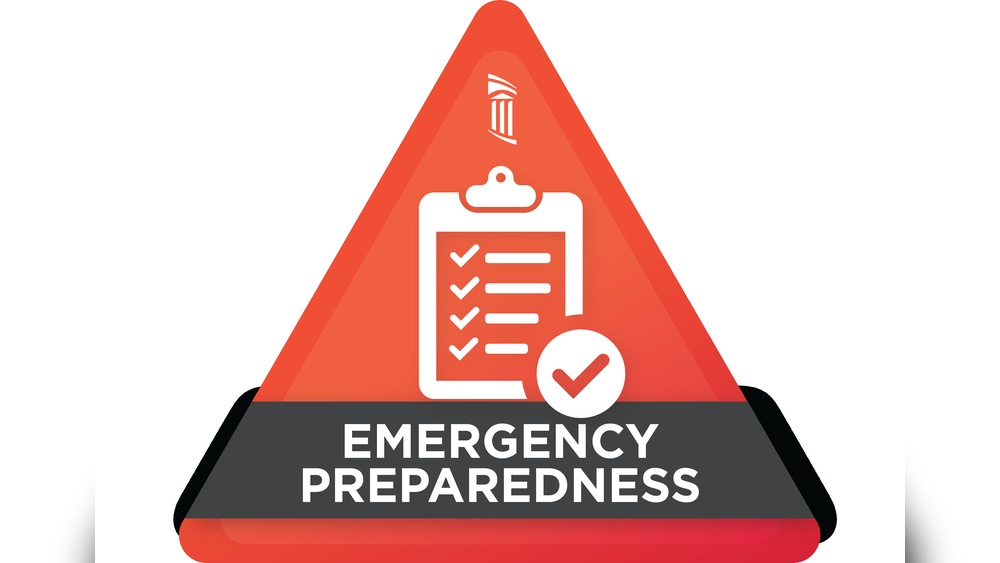

When it comes to staying safe during unexpected events, having the right tools can make all the difference. That’s where clipart for emergency preparedness steps in.
You might be wondering how simple images can help you plan better or spread important safety messages. The truth is, clear and engaging visuals grab your attention quickly and make critical information easier to remember. Whether you’re creating a safety plan for your family, school, or workplace, using emergency preparedness clipart can help you communicate vital steps in a way that sticks.
Ready to discover how these visuals can empower your readiness and keep you one step ahead? Keep reading to learn how to use clipart effectively for your emergency planning needs.

Credit: www.champaignhd.com
Types Of Emergency Clipart
Emergency clipart helps communicate important safety messages quickly. These visuals support emergency plans and training materials. They cover many situations and make information clear for all ages.
Different types of emergency clipart focus on specific threats and responses. Using the right clipart improves understanding and awareness. This section breaks down key categories of emergency clipart.
Natural Disaster Icons
Natural disaster clipart shows events like floods, earthquakes, and storms. These icons include symbols for tornadoes, hurricanes, and wildfires. They help people recognize dangers and prepare safely. Simple, clear images guide quick action during crises.
Medical Emergency Symbols
Medical clipart includes first aid signs, ambulance icons, and health symbols. These visuals explain medical help and emergency care steps. They assist in teaching CPR, wound care, and calling emergency services. Clear medical symbols improve response times.
Evacuation And Shelter Graphics
Evacuation clipart shows exit routes, assembly points, and shelter locations. These graphics guide people to safe zones during emergencies. They include signs for emergency exits, safe shelters, and meeting places. Such visuals reduce confusion and speed evacuation.
Fire Safety Visuals
Fire safety clipart features fire extinguishers, alarms, and escape plans. These images teach fire prevention and response techniques. They highlight fire exits, emergency ladders, and safe meeting spots. Using fire safety visuals helps save lives and protect property.
Credit: fordcountyphd.org
Sources For Clipart
Finding the right clipart for emergency preparedness helps make your message clear and effective. Various sources offer clipart tailored to safety, health, and disaster readiness themes. Choosing the right source depends on your budget, style preference, and usage needs. Here are some popular options for obtaining emergency preparedness clipart.
Free Online Resources
Many websites offer free clipart suitable for emergency preparedness. These platforms allow easy downloads without cost. Examples include Clker, OpenClipart, and Pixabay. They provide simple images like fire extinguishers, first aid kits, and warning signs. Free clipart is perfect for quick projects or personal use. Check usage rights before applying clipart to commercial work.
Stock Image Websites
Stock image sites offer high-quality, diverse clipart collections. Platforms like Shutterstock, iStock, and Adobe Stock feature professional emergency graphics. These sites charge fees but ensure unique, polished images. Stock clipart usually comes with licenses for commercial use. They cover a wide range of disaster scenarios and preparedness icons. Search filters help find specific clipart quickly.
Government And Health Departments
Official organizations publish clipart to promote safety and readiness. Websites of agencies like FEMA, CDC, and local health departments provide free, reliable images. These clipart sets often focus on public health and disaster response. Using government sources adds credibility to your content. These images are designed for easy understanding and clear communication.
Custom Design Options
Custom clipart offers unique visuals tailored to your needs. Hiring a graphic designer or using design tools creates original emergency preparedness images. Custom designs can match your brand style and messaging. This option is best for businesses or campaigns needing distinctive artwork. It requires more time and budget but delivers exclusive results.
Using Clipart In Safety Plans
Using clipart in safety plans helps make emergency information clearer and easier to follow. Visual aids support written instructions and improve understanding. Simple images catch attention quickly and explain key points without extra words.
Clipart adds value to safety plans by making messages more direct. It helps people remember steps to take during emergencies. Different types of clipart can suit various situations and audiences.
Enhancing Communication
Clipart improves communication by showing actions and hazards visually. Images reduce confusion in stressful moments. People grasp instructions faster with clear pictures beside text. Visual cues help overcome language barriers in diverse groups.
Simplifying Instructions
Complex safety steps become easier with clipart. Visuals break down procedures into simple parts. People follow instructions better when images guide them step-by-step. This reduces mistakes during emergencies and saves time.
Targeting Different Audiences
Clipart adapts to various age groups and cultures. Bright, simple images work well for children and older adults. Using familiar symbols helps everyone understand safety messages. Tailoring visuals ensures no one is left confused.
Combining Text And Visuals
Text and clipart together create powerful safety plans. Written words explain details while images highlight key points. This combination boosts retention and clarity. Plans become more accessible to people with different reading skills.
Credit: www.falmouthma.gov
Design Tips For Effective Clipart
Effective clipart design plays a crucial role in emergency preparedness materials. Clear visuals help people understand important messages fast. Good clipart can guide users during stressful situations. Follow simple design tips to create clipart that communicates well and supports emergency awareness.
Choosing Clear And Recognizable Icons
Select icons that are simple and easy to identify. Avoid complex shapes that confuse viewers. Use common symbols related to emergency tools and actions. Ensure icons clearly show their purpose at a glance. This clarity improves quick recognition in urgent moments.
Maintaining Consistent Style
Use a uniform style across all clipart images. Stick to the same color palette and line thickness. Consistency helps create a professional look. It also makes materials easier to follow. Avoid mixing different art styles in one set.
Ensuring Accessibility
Design clipart with all users in mind. Use high contrast colors for better visibility. Include simple shapes for colorblind users. Make sure icons are large enough to see clearly. Accessibility ensures everyone can understand the message.
Optimizing For Print And Digital
Create clipart that works well on paper and screens. Use vector formats to keep images sharp at any size. Check colors in both print and digital formats. Test icons on different devices and paper types. Proper optimization ensures clear visuals everywhere.
Legal And Licensing Considerations
Using clipart for emergency preparedness materials requires careful attention to legal and licensing issues. Understanding these rules helps avoid fines and protects your work. It also ensures respect for the original creators.
Understanding Usage Rights
Usage rights define how you can use a clipart image. Some rights allow only personal use. Others permit commercial use or modification. Check the license before downloading or using any clipart. This prevents misuse and legal problems.
Attribution Requirements
Some clipart licenses require giving credit to the creator. This means mentioning their name or website. Always follow these rules to respect the artist’s work. Failure to provide attribution can lead to legal trouble.
Avoiding Copyright Issues
Using clipart without permission can cause copyright violations. Avoid copying or sharing protected images without a license. Purchase images from trusted sites or use free resources with clear licenses. This keeps your project safe and legal.
Using Public Domain And Creative Commons
Public domain clipart is free to use without restrictions. Creative Commons licenses allow certain uses but may have conditions. Read each license carefully. Choose images that fit your project’s legal needs without extra cost.
Case Studies Of Clipart In Preparedness
Clipart plays a crucial role in emergency preparedness. Visual aids help people understand safety steps quickly. Case studies reveal how clipart improves communication in different settings. These examples show clipart’s impact on awareness, planning, and response.
Community Awareness Campaigns
Clipart makes safety messages clearer in community campaigns. Images of emergency kits, evacuation routes, and hazard symbols catch attention. These visuals help all ages and language skills grasp key points. Campaigns using clipart saw better public engagement and recall.
School Emergency Plans
Schools use clipart to explain emergency drills and safety rules. Simple icons mark exits, safe zones, and first aid stations. Teachers and students find it easier to follow plans with pictures. Clipart reduces confusion during drills and real emergencies.
Workplace Safety Protocols
Clipart supports clear safety guidelines in workplaces. Warning signs and equipment illustrations highlight risks and procedures. Employees learn faster and remember safety steps better. Clipart helps create a safer work environment by improving understanding.
Disaster Response Coordination
Emergency teams use clipart in maps and communication tools. Icons show resources, hazards, and team positions. Visuals speed up decision-making and coordination during crises. Clipart ensures all responders share the same clear information.
Frequently Asked Questions
What Is Clipart Emergency Preparedness?
Clipart emergency preparedness refers to visual graphics that illustrate emergency plans. These images help communicate safety steps clearly. They are useful in training, presentations, and educational materials for disaster readiness.
How Can Clipart Improve Emergency Training?
Clipart makes emergency training more engaging and easier to understand. Visual aids simplify complex procedures. This helps learners remember safety steps and follow protocols quickly during emergencies.
Where To Find Free Emergency Preparedness Clipart?
You can find free emergency preparedness clipart on sites like Clker, Pngtree, and Vecteezy. These platforms offer royalty-free vectors and images suitable for presentations and educational use.
Why Use Clipart For Emergency Plans?
Clipart visually represents emergency steps, making plans clearer and accessible. It helps diverse audiences grasp instructions quickly, improving response effectiveness during crises.
Conclusion
Using clipart for emergency preparedness boosts clear, quick communication. Visual aids help everyone understand safety steps easily. Simple images catch attention and explain plans fast. Preparing with clipart supports better readiness in any crisis. Keep visuals clear and relevant for best results.
Stay ready, stay safe with effective clipart use.