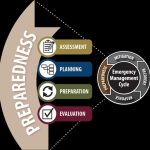

When disaster strikes, having the right tools at your fingertips can make all the difference. That’s why emergency preparedness clip art is an essential resource for anyone looking to create clear, effective safety materials.
Whether you’re putting together a family emergency plan, designing educational flyers, or organizing community alerts, these simple yet powerful images help you communicate critical information quickly and clearly. You’ll discover how using emergency preparedness clip art can boost your readiness efforts and make your messages stand out—so you’re always one step ahead when it matters most.
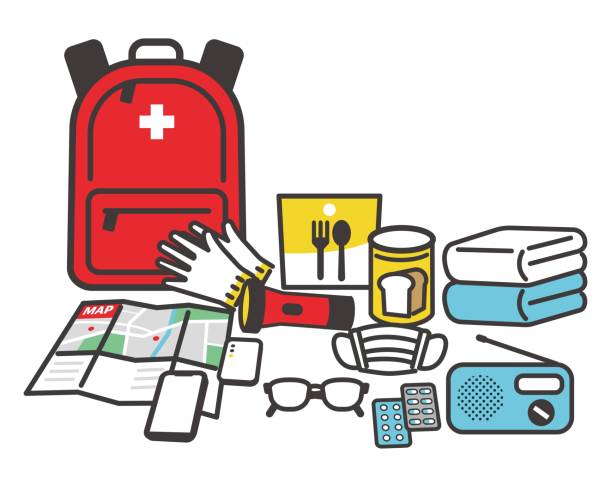
Credit: www.istockphoto.com
Importance Of Emergency Clip Art
Emergency clip art plays a vital role in safety and preparedness. It helps deliver clear messages quickly. People understand visual signs faster than long texts. This is crucial during emergencies when time is short. Using emergency clip art improves awareness and readiness in any environment.
Visual tools guide people on what to do next. They reduce confusion and stress. Emergency clip art supports training, drills, and safety plans. It makes important information accessible to all, including those with language barriers or reading difficulties.
Enhancing Safety Communication
Emergency clip art simplifies complex safety messages. It uses symbols and icons that everyone recognizes. This helps people act fast in dangerous situations. Clear visuals support verbal instructions and written plans. They make sure no one misses critical safety details.
In schools, offices, and public places, clip art aids quick understanding. It helps emergency responders find exits and equipment easily. Visual cues improve communication during drills and real emergencies. This leads to better cooperation and fewer accidents.
Visual Appeal In Safety Plans
Emergency clip art makes safety plans more attractive and engaging. Plain text can be boring and ignored. Adding images draws attention to important sections. People are more likely to read and remember the plan.
Well-designed clip art breaks up large blocks of text. It highlights key points and instructions. Visual elements improve clarity and reduce mistakes. This helps everyone stay prepared and confident in emergencies.
Types Of Emergency Clip Art
Finding quality clip art for emergency preparedness is essential for clear communication. Good images help explain safety steps and plans quickly. Using the right visuals also keeps your content engaging and easy to follow. Several sources offer clip art that fits these needs. Choose those that match your style and budget.
Stock Image Platforms
Stock image platforms provide a wide range of emergency preparedness clip art. These sites offer professional, ready-to-use graphics. They cover many themes like fire safety, first aid, and natural disasters. Paid options usually give higher quality and exclusive images. Popular platforms include Shutterstock, iStock, and Dreamstime. These sites allow easy searching by keywords and provide various file formats.
Free Vector Resources
Free vector resources offer cost-effective choices for clip art. They often provide simple, clean designs suitable for print and digital use. Websites like Pixabay, Vecteezy, and ClipSafari host many free emergency preparedness vectors. Users should check the license to ensure free commercial use. These resources work well for projects with limited budgets. They also allow customization using graphic software.
Commercial Clip Art Providers
Commercial clip art providers specialize in themed collections for businesses and educators. They offer curated packs focused on emergency preparedness topics. These packs often come with extensive rights for commercial use. Companies like The Noun Project and Envato Elements provide subscription-based access. This option suits users needing multiple images regularly. The quality is generally consistent and professionally designed.
Sources For Quality Clip Art
Using clip art in safety plans makes emergency information clear and easy to follow. Visuals help people understand steps fast. They catch attention and reduce confusion in stressful moments. Including clip art in your safety documents improves communication for all readers.
Simple images can explain complex instructions better than words alone. They guide users through emergency actions step-by-step. Clip art also breaks up large blocks of text, making plans less intimidating to read. This increases the chance people will actually use the safety plan when needed.
Integrating Graphics Effectively
Place clip art near related text for quick reference. Choose images that match the emergency topic exactly. Avoid clutter by limiting the number of visuals per page. Use consistent style and colors to keep the design clean. Proper spacing around clip art helps the eye focus. These steps ensure your safety plan looks organized and professional.
Customizing Clip Art For Clarity
Edit clip art to fit your plan’s needs. Change colors to match your branding or highlight key parts. Resize images so they are visible but not overwhelming. Add simple labels or arrows to explain actions clearly. Avoid overly detailed graphics that may confuse readers. Custom clip art improves understanding and keeps attention where it matters.
Balancing Text And Visuals
Use enough text to explain steps clearly. Let clip art support, not replace, important instructions. Keep sentences short and easy to read alongside images. Use bullet points or numbered lists to organize information. This balance helps readers process safety information quickly. A well-mixed plan reduces mistakes during emergencies.
Using Clip Art In Safety Plans
Emergency preparedness clip art offers many benefits for organizations. It helps them communicate safety plans clearly and effectively. Visual aids make complex information easier to understand. Organizations can use these images in different materials to improve their emergency readiness.
Improved Training Materials
Clip art makes training materials more visual and simple. Pictures help employees grasp emergency procedures faster. Visuals break down information into easy steps. This boosts learning and retention during safety training sessions. Trainers can create clear guides that everyone can follow.
Increased Engagement
Images attract attention and keep people interested. Using clip art in presentations or handouts makes content less boring. Engaged employees pay better attention to emergency rules. They remember safety tips more easily. This leads to a safer workplace with prepared staff.
Consistent Messaging
Clip art ensures the same message is shared everywhere. Using uniform images avoids confusion about safety instructions. Consistency builds trust and confidence in emergency plans. Everyone receives clear and identical information. This helps organizations maintain a strong safety culture.
Benefits For Organizations
Selecting the right clip art for emergency preparedness materials is important. The images should clearly support the message. This helps the audience understand the content quickly and easily. Simple and relevant clip art works best. Also, check the licensing terms to avoid legal issues.
Ensuring Relevance
Choose clip art that matches the emergency topic. Images related to first aid, fire safety, or natural disasters are ideal. Avoid unrelated or confusing pictures. The right visual aids help users focus on important information. They also increase trust and clarity.
Maintaining Simplicity
Pick clip art with clean and clear designs. Avoid complicated or busy images. Simple visuals make it easier for all readers to understand. Use basic shapes and limited colors. This style works well on different devices and print materials.
Checking Licensing Terms
Always read the license before using clip art. Some images are free for personal use only. Others require payment or credit to the creator. Using unlicensed clip art can cause legal problems. Choose clip art with clear and safe usage rights.
Credit: fordcountyphd.org
Credit: www.istockphoto.com
Frequently Asked Questions
What Are The 5 P’s Of Preparedness?
The 5 P’s of preparedness are: Proper Planning, Preparation, Prevention, Practice, and Protection. They ensure effective emergency readiness.
What Is A Good Quote For Preparedness?
A good quote for preparedness is: “Opportunity does not waste time with those who are unprepared. ” This highlights the importance of readiness.
What Are The 5 Phases Of Emergency Preparedness?
The five phases of emergency preparedness are mitigation, preparedness, response, recovery, and prevention. Each phase helps reduce risks and manage emergencies effectively.
What Are The 3 P’s Of Preparedness?
The 3 P’s of preparedness are Plan, Prepare, and Practice. Plan your response, prepare supplies, and practice drills regularly.
Conclusion
Emergency preparedness clip art helps communicate important safety messages clearly. Visuals catch attention and explain steps quickly. Use simple images to support your plans and training. They work well in schools, workplaces, and community centers. Keeping these visuals ready makes emergency planning easier for everyone.
Start gathering clip art to boost your readiness today. Stay safe and informed with clear, easy-to-understand graphics.