
When disaster strikes, will you be ready? Emergency management and preparedness are your best defenses against unexpected crises.
By understanding how to plan, organize, train, and equip yourself and your community, you can protect what matters most—your life, your family, and your property. This article will guide you through simple yet powerful steps to build confidence and resilience before an emergency happens.
Keep reading to discover how you can turn uncertainty into control and make sure you’re prepared for whatever comes your way.

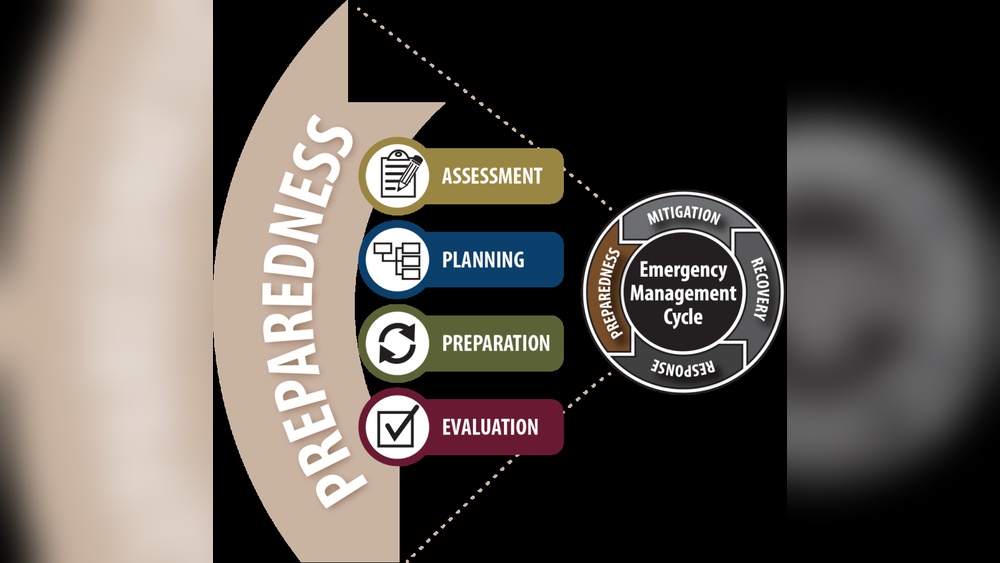
Credit: www.alleganyco.gov
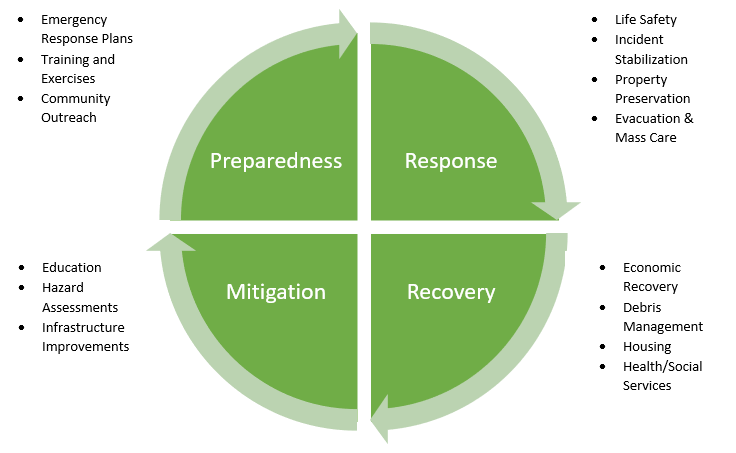
Credit: www.bemidjistate.edu
Frequently Asked Questions
What Is Preparedness In Emergency Management?
Preparedness in emergency management means planning, training, organizing, equipping, and exercising to respond effectively to disasters. It builds community capacity, minimizes damage, saves lives, and supports recovery by ensuring resources and personnel are ready for all hazards.
What Are The 5 Principles Of Emergency Management?
The five principles of emergency management are mitigation, preparedness, response, recovery, and coordination. These guide effective disaster risk reduction and recovery efforts.
What Are The 5 Stages Of Emergency Preparedness?
The 5 stages of emergency preparedness are planning, organizing, training, equipping, and exercising. These ensure effective response and recovery.
What Are The 4 Types Of Emergency Management?
The four types of emergency management are mitigation, preparedness, response, and recovery. These phases reduce risks, plan actions, manage incidents, and restore communities.
Conclusion
Effective emergency management and preparedness save lives and protect communities. Planning and training help everyone know their role. Organizing resources ensures quick, coordinated response during crises. Practicing drills reveals what needs improvement. Stockpiling supplies keeps people safe and cared for.
Constant evaluation makes plans stronger over time. Prepared communities recover faster and face less damage. Everyone plays a part in building resilience. Stay informed, stay ready, and work together. Preparedness is not a one-time task, but a continuous effort.