Are you ready to take charge when emergencies strike? The Emergency Preparedness Merit Badge Workbook 2025 is your key to mastering the skills that can make a real difference in critical moments.
Whether you’re a Scout eager to earn this badge or someone who wants to build confidence in handling unexpected situations, this workbook guides you step-by-step through what you need to know. Inside, you’ll find clear, easy-to-follow requirements and practical tasks designed to boost your readiness.
Keep reading to discover how this workbook can help you become someone who acts smart and stays calm when it matters most.
Credit: worksheets.clipart-library.com
Merit Badge Basics
The Emergency Preparedness Merit Badge Workbook 2025 guides Scouts through vital skills. It builds knowledge and confidence for handling emergencies. This badge teaches how to plan, prepare, and respond safely. Understanding the basics helps Scouts complete requirements effectively. The workbook is clear and easy to follow.
Badge Purpose
This badge aims to teach Scouts how to stay safe in emergencies. It focuses on planning ahead and knowing what to do during crises. Scouts learn to recognize hazards and make quick decisions. The badge builds skills useful for home, school, and community safety. It encourages responsibility and readiness for unexpected events.
2025 Requirements
The 2025 requirements cover important emergency topics. Scouts must show knowledge of emergency plans and survival skills. They practice first aid, fire safety, and communication during disasters. The tasks include creating an emergency kit and making a family safety plan. Scouts discuss real scenarios and demonstrate preparedness actions.
Workbook Structure
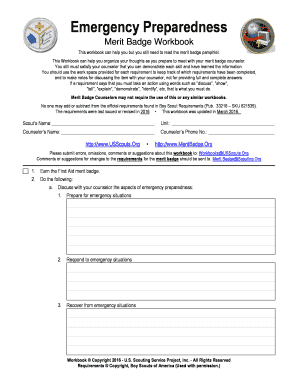
The workbook is organized to guide Scouts step-by-step. Each section matches a specific requirement with clear instructions. It includes questions, charts, and spaces for written answers. The layout helps Scouts track progress and stay focused. Extra pages allow Scouts to add details and notes easily.

Credit: www.coursehero.com
Planning For Emergencies
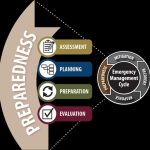
Planning for emergencies is a vital step to stay safe during unexpected events. It helps you prepare for different risks and know what to do. This section guides you through key parts of emergency planning. Understanding these ideas improves your readiness and confidence in any crisis.
Risk Assessment
Risk assessment means finding possible dangers around you. Think about natural disasters, accidents, or other emergencies. Learn which risks are most likely in your area. This knowledge helps you focus on what to prepare first. Write down the risks and plan how to handle each one.
Emergency Kits
Emergency kits hold supplies you may need during a crisis. Include water, food, first aid items, and tools. Customize your kit for your family’s needs. Check and update the kit regularly to keep it ready. Keep the kit in an easy-to-reach place for quick access.
Communication Plans
Communication plans ensure you can contact family during emergencies. Choose meeting spots and emergency contacts. Share your plan with everyone in your group. Practice the plan often so all know what to do. This helps reduce panic and confusion in tough times.
Safety Skills
Safety skills form the core of emergency preparedness. Scouts learn practical skills that protect themselves and others. These skills help respond calmly during crises. The Emergency Preparedness Merit Badge Workbook 2025 highlights key safety areas. Focus lies on first aid, fire safety, and evacuation plans. Each section builds confidence for real-life emergencies.
First Aid Essentials
First aid knowledge saves lives. Scouts study how to treat cuts, burns, and sprains. Learning to stop bleeding quickly matters. Knowing how to perform CPR can be critical. Scouts also practice treating shock and choking. These basics enable quick and effective help before professionals arrive.
Fire Safety
Fire safety prevents injuries and damage. Scouts learn how to identify fire hazards at home and outdoors. They practice using fire extinguishers properly. Understanding smoke alarms and escape routes is vital. Scouts also discover how to stop, drop, and roll if clothing catches fire. These lessons reduce fire risks and improve survival chances.
Evacuation Procedures
Evacuation plans save valuable time during emergencies. Scouts learn to recognize when to evacuate safely. They study how to choose the best exit routes. Preparing a go-bag with essentials is part of training. Scouts also practice meeting points to reunite with family. These steps ensure organized and safe evacuations.

Credit: www.scouterlife.com
During An Emergency
During an emergency, knowing how to act can save lives. Staying focused and making smart choices helps you and others stay safe. This section covers key skills to use during emergencies.
Staying Calm
Keeping calm helps you think clearly. Take deep breaths and focus on the present. Avoid panic, as it can cause mistakes. Clear thoughts lead to better decisions. Calmness also helps others stay calm.
Shelter Options
Finding shelter protects you from weather and danger. Look for safe places like sturdy buildings or natural cover. Know how to build a temporary shelter if needed. Choose a spot away from hazards like floods or falling objects.
Resource Management
Use your resources wisely to last longer. Conserve water and food carefully. Share supplies with others if possible. Keep tools and first aid kits ready for use. Managing resources well increases your chances of survival.
Aftermath Actions
After an emergency, actions taken in the aftermath are crucial. These steps help restore safety and order quickly. Scouts learn how to assess damage, start recovery, and assist others effectively. Understanding these actions is vital for successful emergency preparedness.
Damage Assessment
Damage assessment means checking the affected area carefully. Look for hazards like broken glass, downed power lines, or unstable structures. Note the extent of damage to homes, roads, and utilities. Report findings to emergency responders or authorities. This helps prioritize response and recovery efforts.
Recovery Steps
Recovery steps begin after damage is assessed. Clear debris to make paths safe and accessible. Repair essential services such as water, electricity, and communication. Organize supplies like food, water, and medical kits. Stay informed through reliable sources for updates and instructions.
Helping Others
Helping others strengthens community recovery and morale. Offer assistance to neighbors who may need support. Share resources like food, water, and shelter if possible. Provide emotional support to those affected by trauma. Follow safety rules to protect yourself and others while helping.
Community Involvement
Community involvement plays a key role in emergency preparedness. Scouts learn how to work with others to keep everyone safe. Being part of a community means sharing skills and resources. It builds strong bonds and helps during emergencies. This section highlights ways to engage with your community effectively.
Volunteer Opportunities
Volunteering is a great way to support your community. Many local groups need help with emergency drills and events. Scouts can join search and rescue teams or assist at shelters. Volunteering teaches responsibility and teamwork. It also gives hands-on experience in real situations.
Local Resources
Knowing local resources is vital for emergency readiness. Communities have fire stations, hospitals, and emergency centers. Scouts should learn where these places are located. Understanding who to contact in a crisis saves time. It helps you and your neighbors stay prepared.
Preparedness Education
Teaching others about emergency preparedness spreads awareness. Scouts can organize workshops or presentations at schools and clubs. Sharing tips on supplies and safety plans is helpful. Education reduces fear and confusion during disasters. It empowers everyone to act quickly and wisely.
Workbook Tips
Preparing for the Emergency Preparedness Merit Badge in 2025 requires careful attention to the workbook. This section shares practical tips to help Scouts complete the workbook smoothly. Following these tips saves time and ensures clear, complete answers.
Focus on clarity and organization. The workbook guides you through important steps to show your skills and knowledge. Use these tips to make your work neat and easy to review.
Answering Questions
Read each question carefully. Write your answers clearly and directly. Use short sentences to explain your thoughts. Avoid copying long text from the pamphlet. Instead, put answers in your own words. This shows you understand the topic well.
Using Extra Paper
Some questions may need longer answers. Use extra paper if needed. Label each page with your name and question number. Attach extra sheets securely to the workbook. Keep your handwriting neat and easy to read. This helps your counselor follow your work without confusion.
Counselor Discussions
Talk with your counselor about your answers. Ask questions if something is unclear. Share your experiences related to emergencies. These talks help deepen your learning and show your commitment. Be honest and open during discussions. Your counselor will guide you to improve and complete the badge requirements.
Frequently Asked Questions
What Is The Emergency Preparedness Merit Badge Workbook?
The workbook is a guide to help Scouts complete the 2025 Emergency Preparedness Merit Badge requirements. It includes tasks, questions, and activities focused on safety before, during, and after emergencies. This workbook aids in organizing and recording progress efficiently.
Who Can Benefit From The 2025 Emergency Preparedness Workbook?
Scouts working towards the Emergency Preparedness Merit Badge in 2025 will find it useful. It also benefits leaders and counselors by providing a clear framework to assist Scouts in learning vital emergency skills.
What Topics Are Covered In The 2025 Workbook?
The workbook covers emergency plans, first aid, disaster response, and safety preparedness. It emphasizes understanding risks, creating emergency kits, and knowing how to act in various emergency scenarios.
How Does The Workbook Help With Merit Badge Requirements?
It breaks down each requirement into manageable steps with clear instructions. Scouts can document their answers and progress, ensuring they meet all criteria needed to earn the badge successfully.
Conclusion
Earning the Emergency Preparedness Merit Badge builds important life skills. Scouts learn how to stay safe in many situations. This workbook guides Scouts step-by-step through each requirement. It helps Scouts understand what to do before, during, and after emergencies. Completing the badge shows readiness and responsibility.
Being prepared can save lives and reduce harm. Scouts gain confidence and knowledge that lasts a lifetime. Start this journey to become more aware and ready today.