Imagine waking up one day to a sudden storm, power outage, or any unexpected crisis. How ready are you to face it?
Emergency preparedness is all about taking simple but crucial steps to protect yourself, your loved ones, and your property before disaster strikes. It means having a clear plan, essential supplies, and the knowledge to act quickly and confidently. By understanding and practicing emergency preparedness, you can reduce fear, prevent panic, and increase your chances of staying safe when it really matters.
Keep reading to discover exactly what emergency preparedness involves and how you can start taking control of your safety today.
Emergency Preparedness Basics
Emergency preparedness basics lay the foundation for safety during unexpected events. Understanding key concepts helps individuals and communities act quickly and confidently. Preparation minimizes harm and supports recovery.
Key Definitions
Emergency preparedness means planning and acting before, during, and after a crisis. It includes creating plans, gathering supplies, and learning safety skills. Emergencies can be natural or man-made events that threaten health or safety.
Types Of Emergencies
Emergencies vary widely. Natural disasters include floods, earthquakes, hurricanes, and wildfires. Man-made emergencies cover power outages, chemical spills, and pandemics. Each type demands specific preparation steps to reduce risks.
Importance Of Being Prepared
Emergencies can happen suddenly without warning. Being prepared saves lives by ensuring quick, effective responses. It reduces panic and confusion during crises. Preparation also helps protect property and speeds up recovery.
Core Components
Emergency preparedness involves several key steps that help individuals and communities stay safe. These core components focus on planning, gathering supplies, understanding risks, working together, and practicing responses. Each part plays an important role in reducing harm during a crisis.
Planning Your Response
Start by making a clear plan for emergencies. Decide how family members will communicate and where to meet. Include evacuation routes and safe places. Planning ahead saves time and stress during real events.
Building An Emergency Kit
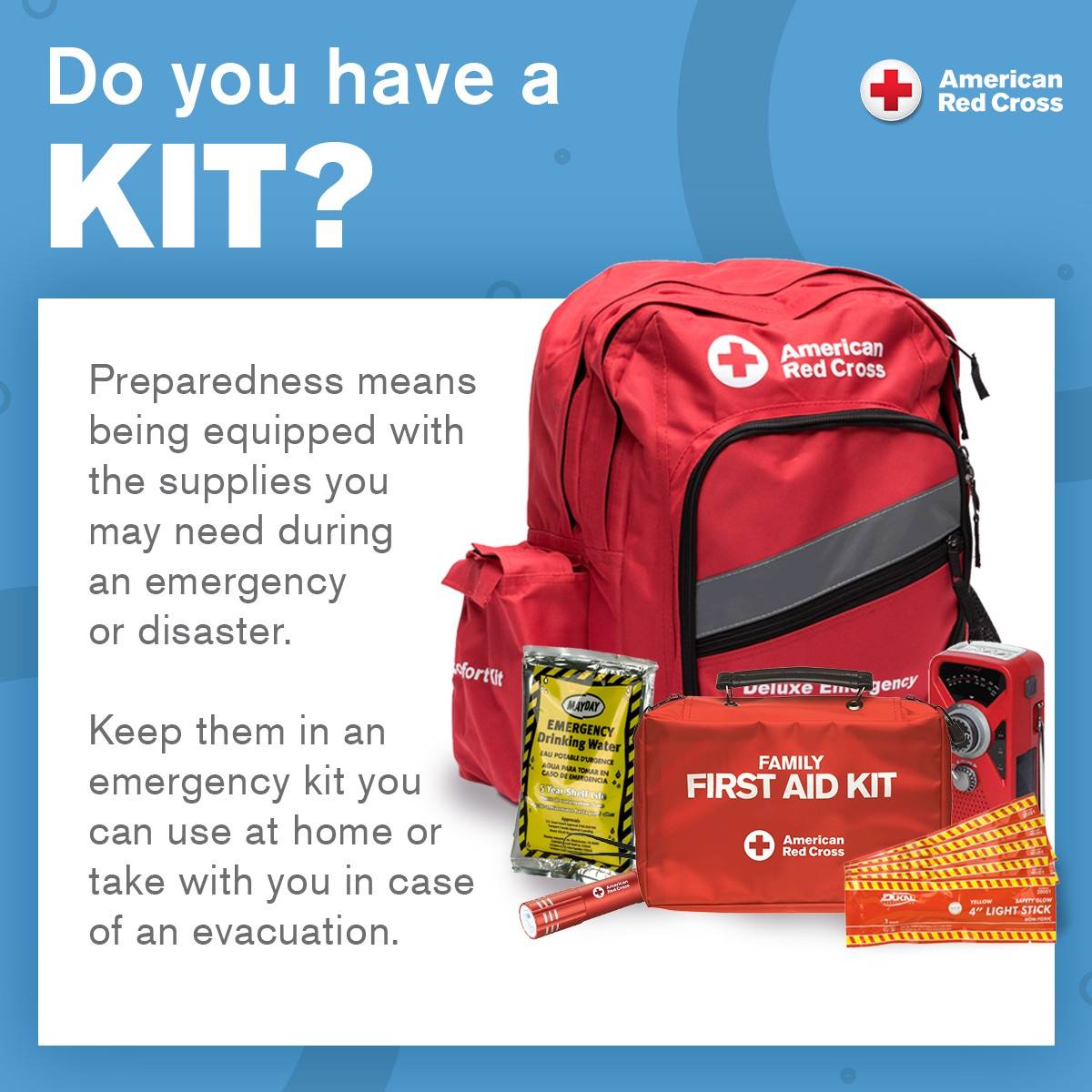
Prepare a kit with essentials for at least seven days. Include water, non-perishable food, medicines, and first-aid supplies. Add flashlights, batteries, and important documents. Having these items ready helps you stay self-sufficient.
Conducting Risk Assessments
Identify dangers common in your area, such as floods or earthquakes. Understand how these risks can affect your home and community. Use this information to improve your plan and reduce damage.
Community And Government Roles
Communities and governments work together to increase safety. They create early warning systems and offer training programs. Local agencies stockpile supplies and coordinate help during disasters. Being connected strengthens everyone’s response.
Regular Practice And Drills
Practice your emergency plan often with family or coworkers. Drills make sure everyone knows what to do quickly. Regular exercises help find weak points and improve your readiness. Practice builds confidence and reduces panic.
Planning Steps
Planning is a key step in emergency preparedness. It helps you know what to do in a crisis. Good planning reduces panic and confusion. It also speeds up your response and safety.
Each plan should cover how to communicate, where to go, and how to stay safe. These details make a big difference during emergencies. Below are important planning steps you must consider.
Communication Strategies
Clear communication is vital in emergencies. Decide how family members will contact each other. Choose a primary and backup way to talk. This can be phone calls, texts, or social media.
Pick an out-of-town contact to relay information. Share phone numbers and meeting points with everyone. Practice communication plans regularly to avoid confusion.
Evacuation Routes
Know all possible ways to leave your home or workplace. Plan multiple routes in case one is blocked. Mark safe places to meet outside your area.
Check routes for hazards like floods or traffic jams. Share routes with family and neighbors. Practice evacuations to make the process faster and safer.
Safety Protocols
Safety protocols guide your actions during different emergencies. Learn basic first aid and CPR. Teach everyone how to turn off utilities like gas and electricity.
Keep emergency supplies ready and accessible. Know how to shelter in place if evacuation is not safe. Follow official instructions and updates closely.
Emergency Kit Essentials
An emergency kit is a vital part of being ready for unexpected events. It contains the basic items needed to survive for several days without outside help. Having the right supplies can make a big difference during a crisis. A well-prepared kit helps protect you and your loved ones from harm.
Gathering emergency essentials requires focus on key areas. Food, water, medical items, and tools form the foundation of any good kit. Each category plays a specific role in keeping you safe and comfortable. Let’s explore what to include in each section.
Food And Water Supplies
Food and water are the most important parts of your emergency kit. Pack non-perishable food that does not need cooking. Examples include canned goods, energy bars, and dried fruit. Choose foods with a long shelf life and high nutrition.
Water is crucial. Store at least one gallon per person per day. Keep it in clean, sealed containers. Consider water purification tablets or filters in case you need to refill.
Medical And First-aid Items
Medical supplies help treat injuries and prevent infections. Include bandages, antiseptic wipes, and adhesive tape. Add pain relievers, allergy medicine, and any personal prescription drugs.
A basic first-aid manual is useful for guidance. Remember to update your kit regularly to replace expired items.
Tools And Equipment
Tools and equipment support survival and comfort. A flashlight with extra batteries is essential. Pack a multi-tool or knife for various tasks.
Other items to consider are a whistle for signaling, a radio for news updates, and sturdy gloves. These tools improve your ability to manage emergencies efficiently.
Assessing Local Risks
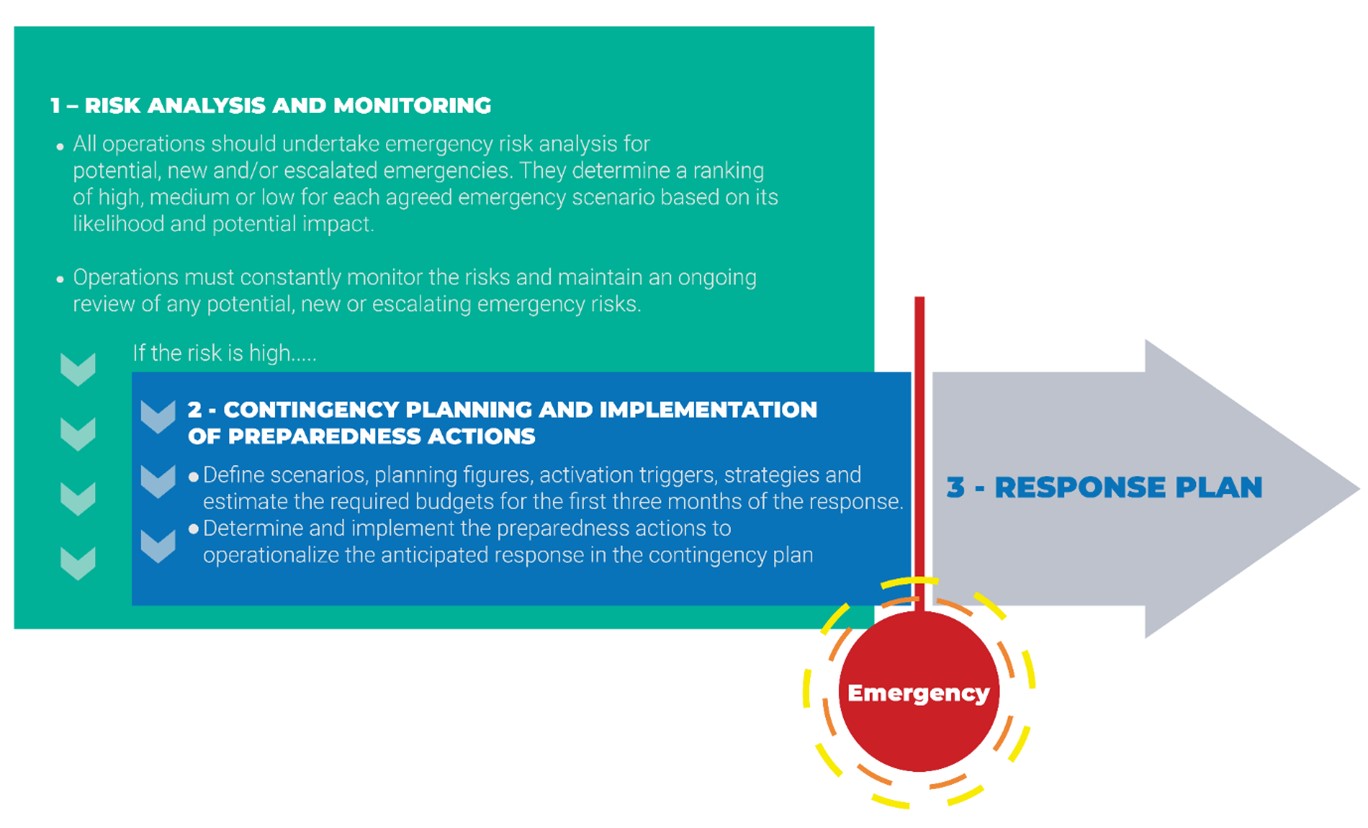
Assessing local risks is a vital step in emergency preparedness. Understanding the specific dangers in your area helps you create an effective plan. Different regions face different threats, so knowing these risks guides your actions and resource planning.
This assessment covers natural disasters, health emergencies, and man-made threats. Each category requires unique preparedness measures. Being aware of these risks reduces panic and increases your chances of staying safe.
Natural Disasters
Natural disasters vary by location. Areas near coastlines may face hurricanes or floods. Inland regions might experience tornadoes, earthquakes, or wildfires. Knowing which disasters are common helps you prepare the right supplies and evacuation routes. For example, flood-prone areas need waterproof storage for important documents and food supplies.
Tracking weather alerts and understanding warning systems also play a key role. Planning for these events minimizes damage and protects lives.
Health Emergencies
Health emergencies include outbreaks of diseases or pandemics. Local health risks depend on population density, sanitation, and healthcare access. Staying informed about recent health threats in your area allows you to take preventive steps.
Stocking up on medicines and hygiene products is wise. Knowing where to get medical help quickly can save lives during a health crisis. Preparing a plan for isolation or quarantine may also be necessary.
Man-made Threats
Man-made threats include accidents, industrial hazards, or acts of violence. Some areas may have risks related to nearby factories or transportation routes. Others might face security concerns or civil unrest.
Identifying these threats helps you avoid dangerous areas and prepare safety measures. Emergency contacts and communication plans are crucial in such situations. Awareness and readiness reduce the impact of these human-caused events.

Credit: www.omag.org
Community Preparedness
Community preparedness plays a vital role in managing emergencies effectively. It involves collective action where neighbors, local groups, and organizations work together. This cooperation strengthens the ability to respond and recover from disasters. Building a prepared community reduces risks and saves lives.
Training And Education
Training and education equip community members with essential skills. People learn how to react during emergencies. Workshops, drills, and classes teach first aid, evacuation routes, and safety protocols. Educated communities respond faster and more confidently, reducing panic and confusion.
Early Warning Systems
Early warning systems alert communities about impending dangers. These systems use sirens, texts, or broadcasts to spread information quickly. Timely warnings give people time to prepare or evacuate. Reliable alerts can prevent injuries and protect property.
Resource Stockpiling
Resource stockpiling means storing supplies for emergencies. Communities gather food, water, medicine, and tools. These resources support people when access to stores or help is limited. Stockpiles ensure basic needs are met during crises.
Maintaining Readiness
Maintaining readiness is essential in emergency preparedness. It ensures that plans stay relevant and that everyone remains confident in their roles. Continuous preparation reduces confusion during actual emergencies and improves response times.
Routine Drills
Routine drills help practice emergency plans regularly. They allow individuals to remember steps clearly and act quickly. Drills also identify weaknesses in the plan that need fixing. Consistent practice builds muscle memory and reduces panic.
Plan Updates
Emergency plans must be updated often. Changes in environment or family situations affect how a plan works. Updating keeps the plan accurate and useful. It ensures all contacts and resources are current and reachable.
Equipment Checks
Checking emergency equipment regularly is vital. Supplies can expire or get damaged over time. Regular checks make sure everything is ready to use. This includes food, water, first-aid kits, and communication devices.
Credit: www.redcross.org
Benefits Of Preparedness
Being prepared for emergencies offers many important benefits. It helps people stay safe and handle crises better. Preparation reduces harm to individuals and communities. It also supports faster recovery after disasters. The advantages of being ready go beyond immediate safety. They build strength for future challenges.
Saving Lives
Preparedness increases the chances of survival during emergencies. Knowing what to do can prevent panic and confusion. Having supplies ready means basic needs are met. Quick action saves lives by avoiding delays. Families and communities can protect each other better.
Reducing Impact
Emergency plans lower the damage caused by disasters. Preparedness helps reduce injuries and property loss. It allows for faster response and recovery. Clear steps minimize chaos and mistakes. This lowers costs and emotional stress for everyone involved.
Building Resilience
Being prepared strengthens individuals and communities over time. It teaches skills and builds confidence to face crises. Preparedness encourages cooperation and support among people. Resilient communities recover faster and adapt better. This readiness creates a safer environment for all.
Credit: emergency.unhcr.org
Frequently Asked Questions
What Is Meant By Emergency Preparedness?
Emergency preparedness means planning and acting to stay safe before, during, and after emergencies like disasters. It includes creating plans, assembling supplies, and training to reduce risks and impacts.
What Are The 5 Phases Of Emergency Preparedness?
The five phases of emergency preparedness are mitigation, preparedness, response, recovery, and prevention. Each phase helps reduce risks and manage emergencies effectively.
How Does Fema Define Preparedness?
FEMA defines preparedness as planning and taking actions to stay safe before, during, and after emergencies. It includes creating plans, gathering supplies, and training to reduce disaster impact.
What Are The 5 P’s Of Preparedness?
The 5 P’s of preparedness are: Proper Planning Prevents Poor Performance and Promotes Personal Protection. They ensure readiness for emergencies.
Conclusion
Emergency preparedness means planning ahead for safety. It helps protect you and your family during crises. Having a clear plan and emergency kit is vital. Knowing risks in your area allows better readiness. Communities and professionals also play a key role.
Practicing your plan increases confidence and response speed. Being prepared reduces harm and saves lives in emergencies. Simple steps today make a big difference tomorrow. Stay informed, stay ready, and stay safe always.