

Imagine controlling your entire home without lifting a finger. With voice controlled devices, you can turn on lights, adjust the thermostat, play your favorite music, and even lock the doors—all by simply speaking.
These smart gadgets are designed to make your life easier, more convenient, and surprisingly fun. Whether you’re tech-savvy or just getting started, understanding how voice control works can transform your daily routine. Ready to discover the best devices and how they fit into your lifestyle?
Let’s dive in and unlock the power of voice control together.

Credit: www.mediatechliving.com
Voice Tech Basics
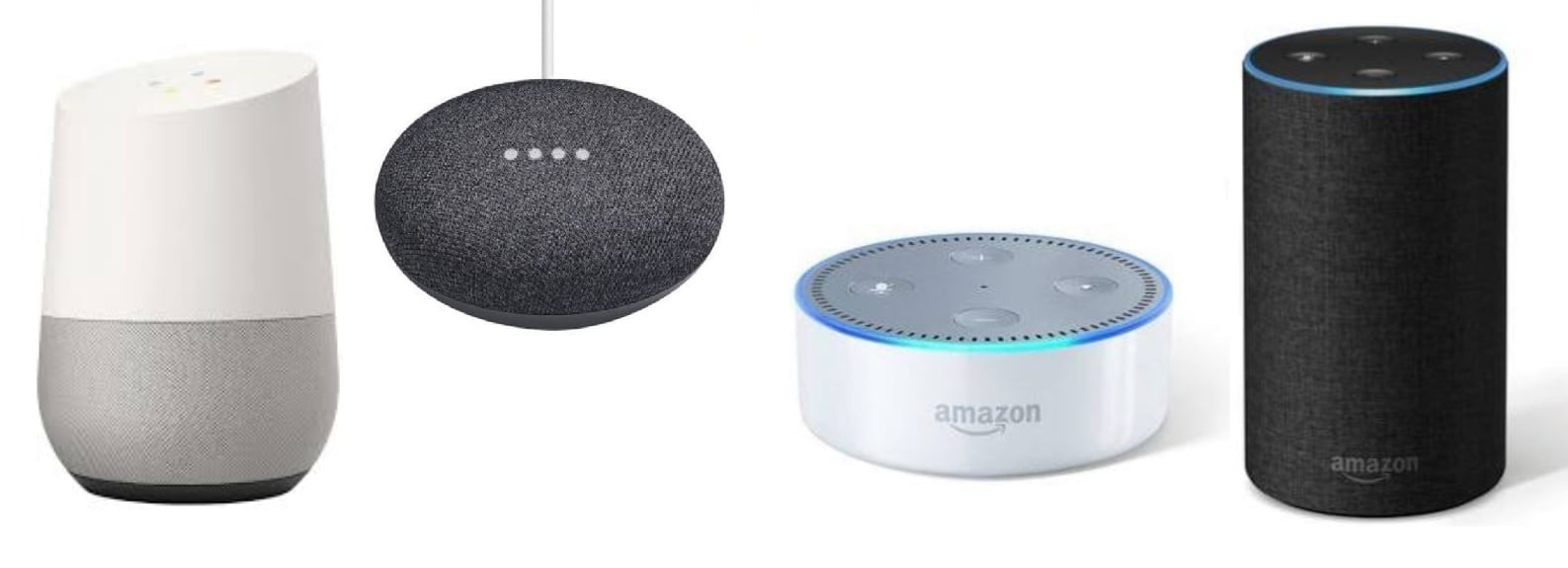
Voice-controlled devices have become common in many homes. They make daily tasks easier and faster. Popular voice assistants power these devices. They understand spoken commands and respond quickly. Each assistant offers unique features and benefits. Understanding these can help you pick the right one.
Alexa And Its Evolution
Alexa is Amazon’s voice assistant. It started in 2014 with the Echo speaker. Alexa controls smart home devices and plays music. It also answers questions and sets reminders. Over time, Alexa gained new skills. It now supports many third-party apps. Alexa works with many devices beyond speakers. It adapts to user preferences and improves over time.
Google Assistant Features
Google Assistant is known for its strong search ability. It understands natural language well. It helps with directions, weather, and calendar events. Google Assistant integrates with many apps. It supports multiple languages and accents. It works on smartphones, smart speakers, and smart displays. Google Assistant can control smart home devices easily.
Apple’s Siri Integration
Siri is Apple’s voice assistant. It is built into iPhones, iPads, and Macs. Siri helps with messages, calls, and reminders. It uses voice commands to open apps and settings. Siri works well with Apple’s HomeKit devices. It supports hands-free use with “Hey Siri.” Siri focuses on user privacy and security.
Credit: blog.zyxel.com
Popular Voice Assistants
Smart home applications are changing how people live. Voice controlled devices make daily tasks easier and faster. These devices respond to simple voice commands. They help control many home features without lifting a finger. Smart homes are becoming more comfortable and energy-efficient.
Voice Controlled Lighting
Voice controlled lighting lets you turn lights on or off by speaking. Adjust brightness or change colors with simple commands. This feature adds convenience, especially in the dark. It saves energy by turning off lights when not needed. Voice control also helps people with mobility issues.
Thermostats And Climate Control
Smart thermostats respond to voice commands for easy temperature control. Set your ideal room temperature without touching any buttons. These devices learn your schedule and adjust settings automatically. They help save energy by optimizing heating and cooling. Comfort and savings come together with voice control.
Security Systems And Doorbells
Security systems with voice control improve home safety. Arm or disarm alarms using your voice. Smart doorbells let you see and speak to visitors hands-free. Receive alerts and control locks through voice commands. These features provide peace of mind and quick response.
Kitchen And Household Appliances
Kitchen appliances like ovens, coffee makers, and refrigerators work with voice control. Start cooking, set timers, or check appliance status easily. Other household devices like vacuum cleaners also respond to voice commands. This technology frees up your hands for other tasks. It makes home management smooth and simple.
Smart Home Applications
Setting up voice control devices is easier than it seems. These devices respond to your voice, making daily tasks faster and hands-free. Proper setup ensures smooth operation and better user experience. Let’s explore how to set up your device effectively.
Choosing The Right Device
Select a device that fits your needs and budget. Popular options include smart speakers and displays. Check device compatibility with your home network. Consider the voice assistant it uses, like Alexa, Google Assistant, or Siri. Read reviews to find a reliable and easy-to-use product.
Installation Tips
Place your device in a central, open area. Avoid locations near noisy appliances or walls. Connect to a stable Wi-Fi network for best performance. Follow the manufacturer’s app instructions carefully. Update the device software to the latest version before use.
Customizing Voice Commands
Set commands that feel natural to you. Use simple phrases for better recognition. Personalize commands to control lights, music, or other smart devices. Test commands and adjust if the device misunderstands you. Regularly update your preferences for improved accuracy.
Setting Up Voice Control
Voice control technology changes how we interact with devices. It offers many benefits that improve daily life. From making tasks easier to saving energy, voice-controlled devices fit well in modern homes. They help users do more with simple spoken commands.
Convenience And Accessibility
Voice control lets users operate devices hands-free. This is helpful while cooking or driving. It also aids people with disabilities or limited mobility. Commands can turn lights on, play music, or set reminders quickly. No need to search for buttons or apps.
Energy Efficiency
Voice-controlled devices help reduce energy waste. You can turn off appliances or adjust thermostats by voice. This prevents leaving devices on by mistake. Scheduling devices with voice commands saves electricity and lowers bills. It supports a greener lifestyle with less effort.
Enhanced Home Security
Voice control improves home security systems. You can arm or disarm alarms using your voice. It is faster than using keys or codes. Some systems let you check cameras or lock doors remotely. This adds a layer of safety and peace of mind for homeowners.
Benefits Of Voice Control
Voice controlled devices offer convenience but also face several challenges. These issues can affect user experience and device performance. Understanding these limitations helps users make informed decisions.
Privacy Concerns
Voice controlled devices often listen for commands continuously. This raises worries about personal data security. Some devices may record conversations unintentionally. Users fear their private talks could be stored or shared. Manufacturers must improve data protection to build trust.
Connectivity Issues
These devices rely on stable internet connections. Poor Wi-Fi can cause delays or failures in responding. Connectivity drops limit device functionality. Remote areas with weak signals face bigger problems. Reliable internet is crucial for smooth operation.
Compatibility Problems
Many voice devices do not work well with all smart home products. Different brands use different communication standards. This leads to limited device integration and control. Users may need multiple apps or hubs. Greater compatibility would simplify smart home setups.
Challenges And Limitations
The future of voice-controlled devices is bright and full of innovation. Voice technology continues to evolve rapidly, changing how we interact with gadgets daily. New trends promise smarter, more connected, and user-friendly experiences.
These trends will shape the next generation of voice tech, making devices more efficient and accessible for everyone. Understanding these changes helps users stay ahead and enjoy the benefits of voice control.
Ai-driven Improvements
Artificial intelligence powers smarter voice assistants. They learn from user habits to respond better. Voice recognition improves, even in noisy environments. AI also enables natural conversations, making interactions smoother. This technology personalizes responses based on context and preferences. Devices become more helpful and intuitive over time.
Subscription Models
Many voice services now use subscription plans. These offer extra features like advanced voice commands and more skills. Users get regular updates and new content. Subscription models support ongoing improvements and customer support. They provide steady revenue for developers to enhance technology. This approach keeps devices fresh and valuable.
Integration With Other Smart Devices
Voice tech links more with smart home gadgets. Lights, thermostats, and security systems respond to voice commands. Integration creates seamless control of the home environment. Users can manage multiple devices using one voice assistant. This trend simplifies daily routines and boosts convenience. Smart ecosystems become more connected and efficient.
Future Trends In Voice Tech
Voice controlled devices are changing how we live at home. They bring ease and comfort with simple commands. Many devices offer unique features and fit different budgets. Knowing the top devices helps choose the best one for your needs.
Smart Speakers Comparison
Smart speakers are popular for voice control. Amazon Echo Dot offers clear sound and Alexa skills. Google Nest Audio provides great voice recognition and connects well with Google services. Apple HomePod focuses on audio quality and works best with Apple devices. Each speaker suits different users and homes.
Voice Controlled Appliances
Voice controlled appliances include lights, thermostats, and plugs. Ecobee Smart Thermostat adjusts home temperature with voice commands. GE Cync Indoor Smart Plug controls devices remotely. These appliances save energy and add convenience. They work with most smart speakers for easy control.
Home Automation Kits
Home automation kits bundle devices for full control. Smartmistusa offers kits with sensors, cameras, and hubs. They allow managing security and comfort through voice. Kits help start a smart home without buying separate parts. They are ideal for beginners and tech lovers alike.
Top Devices On The Market
DIY voice control projects offer a fun way to make everyday devices smarter. These projects let you create voice-controlled systems without buying expensive gadgets. By building your own, you learn how voice commands work and tailor devices to your needs.
Many DIY projects use simple tools and parts. You can control lights, fans, or robots with just your voice. These projects suit beginners and hobbyists alike.
Arduino-based Solutions
Arduino boards are popular in voice control projects. They are small, affordable, and easy to program. You can connect microphones and speakers to an Arduino for voice input and output.
Many tutorials show how to use Arduino with speech recognition modules. These modules process voice commands and trigger actions like turning on LEDs or motors. Arduino projects often require some coding but use simple languages like C++.
Arduino voice control projects work well for home automation. You can control lights, fans, or alarms with voice commands. These projects run on low power and work without internet.
Offline Voice Control Options
Offline voice control is good for privacy and reliability. These systems do not send your voice data to the cloud. They process commands locally on your device.
Raspberry Pi is a popular platform for offline voice control. It supports open-source software for speech recognition. You can install offline voice assistants that respond without internet.
Offline voice projects are ideal for secure environments. They reduce delays and work even with poor internet. These options help you keep control over your smart home data.
Credit: www.missionaudiovideo.com
Frequently Asked Questions
What Are Voice-controlled Devices?
Voice-controlled devices respond to spoken commands using assistants like Alexa, Google Assistant, or Siri. They include smart speakers, plugs, and home appliances. These gadgets simplify tasks by enabling hands-free operation and enhancing smart home automation.
Why Are People Getting Rid Of Alexa?
People are ditching Alexa due to discontinued features, device phase-outs, privacy concerns, and Amazon’s shift to new AI-powered versions.
Are Voice-activated Devices Always Listening?
Voice-activated devices listen for their wake word only. They do not continuously record or transmit audio without activation.
What Are The Voice Activated Devices For Seniors?
Voice-activated devices for seniors include Amazon Echo, Google Nest Hub, Apple HomePod, and smart home assistants. They simplify tasks using voice commands.
Conclusion
Voice controlled devices make daily tasks easier and faster. They respond to simple commands without needing hands. These devices fit well in homes and offices alike. Many options exist, from smart speakers to thermostats. Using voice control can save time and effort.
As technology grows, these devices become more helpful. Trying one could bring convenience to your life. Small changes like this improve comfort and efficiency. Voice controlled devices are a smart choice today.