
When you think about metal floors, what comes to mind? Maybe a cold, hard surface that’s all business?
But metal floor textures offer so much more than just durability—they bring character, safety, and style to your space. Whether you’re designing an industrial loft, upgrading a workshop, or creating a sleek modern environment, the right metal floor texture can change everything.
You’ll discover how different patterns, from smooth and polished to rugged and slip-resistant, not only affect the look but also the feel and function of your floors. Ready to explore how metal floor textures can transform your space and meet your specific needs? Keep reading, and you’ll learn everything you need to make an informed, confident choice.
Types Of Metal Floor Textures
Metal floor textures add style and function to any space. They influence slip resistance, durability, and visual appeal. Choosing the right texture depends on the environment and use. Different metal floor textures serve various purposes, from smooth elegance to rugged industrial looks.
Smooth Surfaces
Smooth metal floors offer a clean and polished look. They are easy to clean and maintain. These surfaces reflect light well, brightening the area. Smooth floors suit modern interiors and commercial spaces. They provide minimal grip, so careful use is needed in wet areas.
Brushed Finishes
Brushed metal floors have fine lines created by sanding. This texture reduces glare and hides scratches. It adds a subtle pattern that enhances the floor’s appearance. Brushed finishes are popular in offices and retail stores. They balance style with moderate slip resistance.
Hammered Patterns
Hammered metal floors feature small dents made by striking the surface. This creates a unique, handcrafted look. The uneven texture improves traction and reduces slipping. Hammered patterns work well in rustic or vintage designs. They add character while keeping safety in mind.
Rough And Raw Textures
Rough metal floors have an unfinished, natural feel. These surfaces show the metal’s grain and imperfections. They provide excellent grip and durability. Raw textures suit industrial settings and outdoor areas. Their rugged look complements heavy-duty environments.
Tread Plate Designs
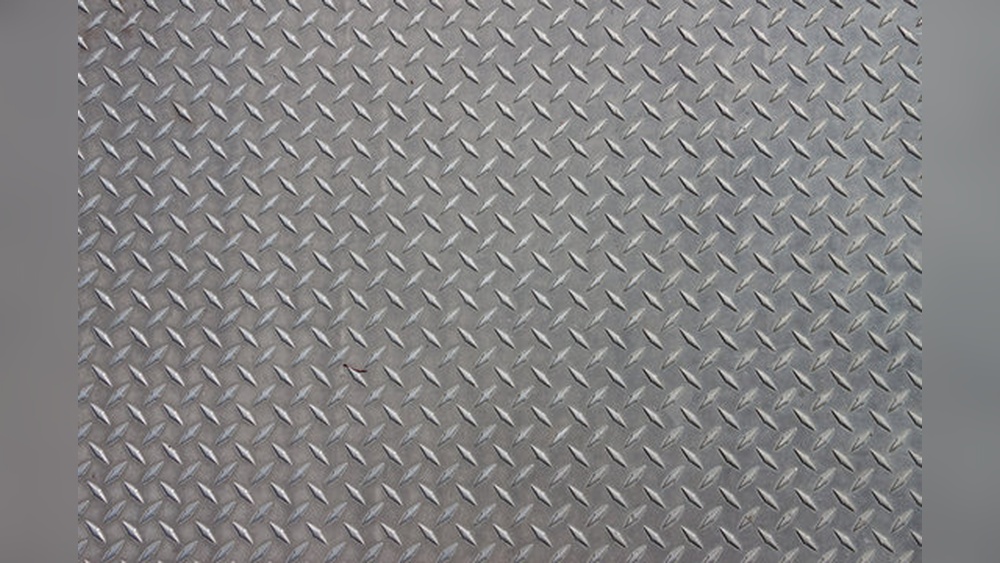
Tread plates, also called checker or diamond plates, have raised patterns. These patterns prevent slipping by increasing friction. Tread plates are common in factories, garages, and staircases. They combine strength with safety for high-traffic zones. The distinctive design also adds visual interest.
Techniques To Create Metal Textures
Creating metal floor textures involves various methods that give metal unique looks and feel. These techniques shape the metal’s surface to enhance its durability and style. Each process changes the texture, making it suitable for different uses and designs.
Casting And Cooling Effects
Casting involves pouring molten metal into molds. The metal cools and hardens, forming natural patterns. Cooling speed impacts the texture, causing smooth or rough finishes. This method creates strong, durable floor surfaces with unique looks.
Rolling And Hammering Methods
Rolling presses metal between rollers to flatten and shape it. This creates smooth or patterned textures depending on the roller design. Hammering uses repeated strikes to form dents and patterns. It adds a rugged, hand-crafted feel to metal floors.
Using Fabrics For Imprints
Pressing fabrics onto soft metal leaves detailed imprints. Different fabric weaves create various textures and patterns. This method adds decorative and tactile qualities to metal floors. It is a simple, creative way to customize metal surfaces.
Polishing And Brushing Processes
Polishing smooths metal by removing surface roughness. It creates shiny, reflective floor textures. Brushing uses abrasive brushes to produce fine lines or matte finishes. Both techniques improve metal’s appearance and resistance to wear.
Materials Commonly Used For Metal Floors
Metal floors are popular for their durability and sleek appearance. Various metals create different textures and strengths. Choosing the right material affects the floor’s performance and look. Below are common metals used for metal floors.
Steel Variants
Steel is strong and widely used in metal flooring. Carbon steel offers toughness and affordability. Stainless steel resists rust and has a shiny finish. Galvanized steel has a protective zinc coating to prevent corrosion. Each steel type suits different environments and needs.
Aluminum Options
Aluminum is lightweight and resists corrosion well. It is ideal for areas prone to moisture. Aluminum floors often have a patterned surface for grip. This metal also reflects heat, helping keep spaces cooler. It is easy to install and maintain.
Iron And Its Uses
Cast iron floors provide excellent strength and durability. They are often seen in industrial settings. Wrought iron offers a decorative look with good toughness. Iron floors can be prone to rust if not treated properly. Protective coatings extend their lifespan.
Specialty Alloys
Specialty alloys combine metals for unique benefits. Titanium alloys provide high strength and corrosion resistance. Nickel alloys withstand extreme temperatures and harsh chemicals. These alloys are used in specialized floors needing extra durability. They ensure long-lasting and reliable performance.

Credit: www.freepik.com
Benefits Of Textured Metal Floors
Textured metal floors offer several benefits beyond their industrial look. These floors provide practical advantages, making them popular in many settings. Their unique surface improves safety, strength, and appearance. They also simplify cleaning and upkeep. This makes textured metal floors a smart choice for many spaces.
Slip Resistance
Textured metal floors reduce the risk of slipping. The raised patterns create grip for shoes. This is useful in wet or oily areas. It helps prevent accidents and injuries. Safety improves for workers and visitors alike.
Durability And Strength
These floors withstand heavy use and impact. Metal’s strong nature resists dents and cracks. Textured surfaces hide scratches and marks well. This makes them last longer under tough conditions. They require less frequent replacement or repair.
Aesthetic Appeal
Textured metal floors add a modern, industrial look. The patterns catch light and create visual interest. They fit well in both commercial and residential spaces. The variety of textures allows customization. This enhances the overall design of any room.
Ease Of Maintenance
Cleaning textured metal floors is simple and quick. Dirt and debris do not stick easily. Most spills wipe off without much effort. They resist stains and corrosion too. This lowers maintenance time and cost for owners.
Design Ideas For Stylish Metal Floors
Metal floors bring strength and style to any space. Their unique textures create visual interest and add character. Choosing the right design idea helps match your metal floor to your décor. Explore creative styles that make metal floors stand out.
Industrial Look
The industrial look highlights raw, unfinished metal surfaces. Exposed steel plates or diamond tread patterns fit well here. This style blends with concrete, brick, and wood elements. It suits lofts, studios, and modern workspaces. Metal floors offer durability and a rugged charm.
Modern Minimalism
Modern minimalism favors clean lines and smooth finishes. Polished metal floors with subtle textures work best. Light silver or gray tones keep the space bright and open. Minimalist spaces benefit from sleek metal that reflects light. This style feels fresh, simple, and elegant.
Rustic And Vintage Styles
Rustic and vintage designs use aged or weathered metal textures. Patina, rust spots, or hammered finishes add warmth and history. Pair metal floors with wooden furniture for a cozy feel. This style suits farmhouse kitchens and vintage-inspired spaces. It creates a lived-in, authentic atmosphere.
Custom Patterns And Colors
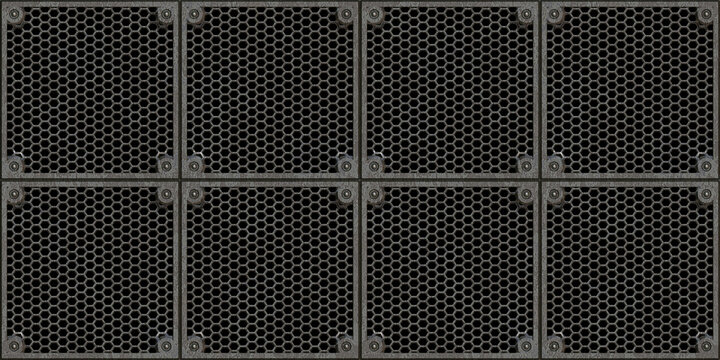
Custom patterns allow unique and personal floor designs. Geometric shapes, logos, or repeated motifs add flair. Colored metal floors bring energy and personality to rooms. Anodized or painted finishes offer many color options. Custom floors fit creative spaces and bold interior designs.
Credit: stock.adobe.com
Installation And Maintenance Tips
Installing and maintaining metal floor textures requires care and attention. Proper steps ensure durability and keep floors looking great. This section covers key tips for installation and upkeep. Follow these guidelines for a smooth process and lasting results.
Surface Preparation
Clean the floor surface thoroughly before installation. Remove dust, grease, and debris for better adhesion. Check for cracks or uneven areas and repair them. A smooth, dry surface improves the metal floor’s lifespan and appearance.
Proper Installation Techniques
Measure the area carefully to cut metal sheets accurately. Use appropriate tools such as metal shears or saws. Secure metal panels with screws or adhesive based on the floor type. Leave slight gaps for expansion to avoid warping. Follow manufacturer instructions for best results.
Cleaning And Upkeep
Regular cleaning keeps metal floors shiny and safe. Use mild detergent and warm water for washing. Avoid harsh chemicals that may damage the metal finish. Dry floors quickly to prevent rust and corrosion. Sweep or vacuum to remove dirt and grit daily.
Repair And Refinishing
Fix scratches and dents promptly to maintain floor quality. Use metal fillers or patch kits for minor damages. Sand rough spots before refinishing to ensure smoothness. Apply protective coatings or sealants to restore shine and prevent wear.
Applications Of Metal Floor Textures
Metal floor textures offer a wide range of practical and aesthetic uses. Their durability and slip resistance make them ideal for various environments. The unique patterns also add a modern, industrial look to spaces. Understanding where metal floor textures work best helps in choosing the right application.
Commercial Spaces
Metal floor textures are common in commercial settings. Factories and warehouses benefit from their toughness. The textured surface reduces slip hazards for workers. Retail stores use them for a stylish, durable floor. They handle heavy foot traffic without damage. Maintenance is simple, which saves time and cost.
Residential Uses
Homeowners use metal floor textures in kitchens and basements. They add a sleek and modern touch to interiors. Their resistance to stains and scratches makes them practical. Metal floors can also be a focal point in living rooms. They work well with minimalist and industrial designs.
Outdoor Installations
Metal floor textures are perfect for outdoor areas. Patios and walkways benefit from their weather resistance. The textured surface ensures safety in wet conditions. They do not warp or crack under sunlight or rain. Metal floors also blend well with natural surroundings.
Specialty Environments
Specialty spaces like hospitals and laboratories use metal floor textures. The floors meet strict hygiene and safety standards. Textured metal floors resist chemicals and heavy equipment wear. They support cleanroom and sterile environments effectively. These floors also offer easy cleaning and durability.

Credit: www.istockphoto.com
Frequently Asked Questions
What Is The Name Of The Metal Floor Pattern?
The metal floor pattern is called tread plate, also known as checker plate or diamond plate. It features raised lines for slip resistance.
How To Make Metal Look Textured?
Use hammers, rolling mills, or press fabrics onto metal to create textured patterns. Experiment with brushing or hammering for varied finishes.
What Is The Metal Texture?
Metal texture refers to the surface feel or appearance of metal. It ranges from smooth and polished to rough and hammered, shaped by processing methods like rolling, casting, or brushing. Textures enhance metal’s look, grip, and functionality in various applications.
What Is Brushed Metal Texture?
Brushed metal texture features fine, parallel lines created by brushing or sanding. It adds depth and a subtle shine to the surface.
Conclusion
Metal floor textures add style and safety to any space. They come in many patterns, like tread plate, which prevents slipping. Texturing metal can create unique looks and improve durability. Choosing the right texture depends on your needs and design goals.
Using textured metal floors can enhance both function and appearance. Consider metal floor textures for a strong, attractive surface.