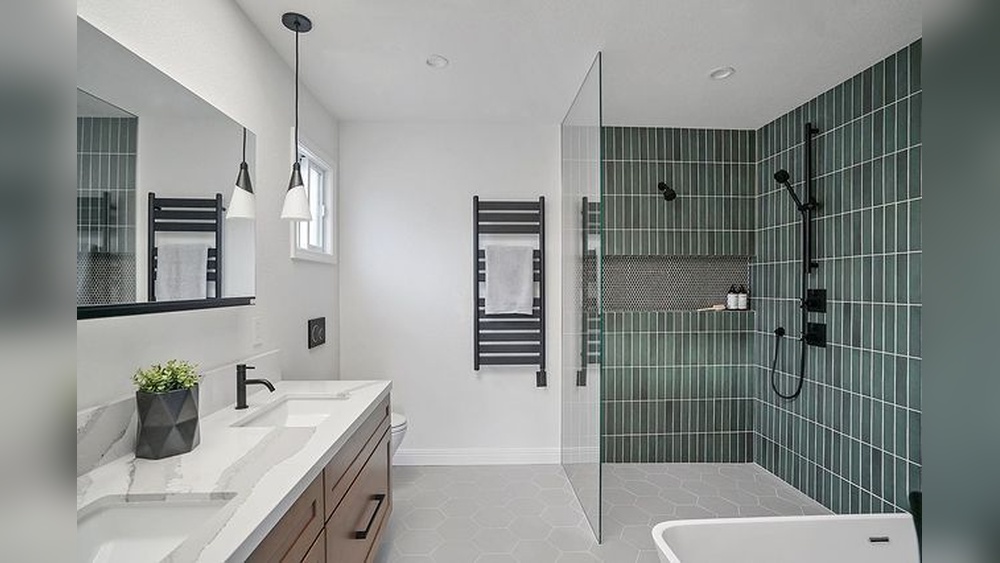

Imagine stepping into a bathroom where everything flows seamlessly—no barriers, no bulky shower doors, just sleek, open space. That’s the magic of wet room bathroom designs.
If you want your bathroom to feel modern, spacious, and easy to clean, a wet room might be exactly what you need. Whether you’re working with a compact space or dreaming of a luxury upgrade, understanding how to design your wet room can transform your daily routine.
Ready to discover how this stylish and practical design can elevate your bathroom? Keep reading, and let’s dive into the essentials of wet room bathroom designs that suit your lifestyle perfectly.

Credit: 34stjohn.com
Wet Room Essentials
A wet room is a stylish and practical bathroom choice. It blends the shower area with the rest of the room. This design needs careful planning and specific materials. Wet room essentials make sure the space stays safe and dry. These key elements help keep moisture under control. They create a clean and easy-to-maintain bathroom.
Focusing on the right features avoids water damage. Proper drainage and waterproofing are vital. Understanding these basics helps you build a perfect wet room. Let’s explore the essentials you must know.
Key Features
Wet rooms have an open-plan shower area without a shower tray. Walls and floors use water-resistant materials like tiles or sealed concrete. A slight floor slope directs water to the drain. Glass screens often separate the shower space. This prevents water from splashing everywhere. Good ventilation is important to reduce humidity. Non-slip flooring keeps the area safe. Lighting should be bright and moisture-proof. These features create a practical and elegant wet room.
Waterproofing Needs
Waterproofing is the most crucial step in wet room design. Floors and walls must have a waterproof membrane. This layer stops water from seeping into the structure. It covers the shower zone and extends beyond it. Sealing joints and corners prevents leaks. Use water-resistant paint or tiles on walls. Waterproofing protects your home from mold and damage. Proper installation ensures long-lasting durability. This step saves costly repairs later.
Drainage Solutions
Drainage controls water flow and prevents flooding. A linear or point drain is common in wet rooms. Floor slopes guide water naturally toward the drain. Position the drain away from doorways and high-traffic areas. A well-designed drain system clears water quickly. This keeps floors dry and safe. Some drains come with removable grates for easy cleaning. Good drainage supports the overall waterproofing system. It is essential for a comfortable shower experience.
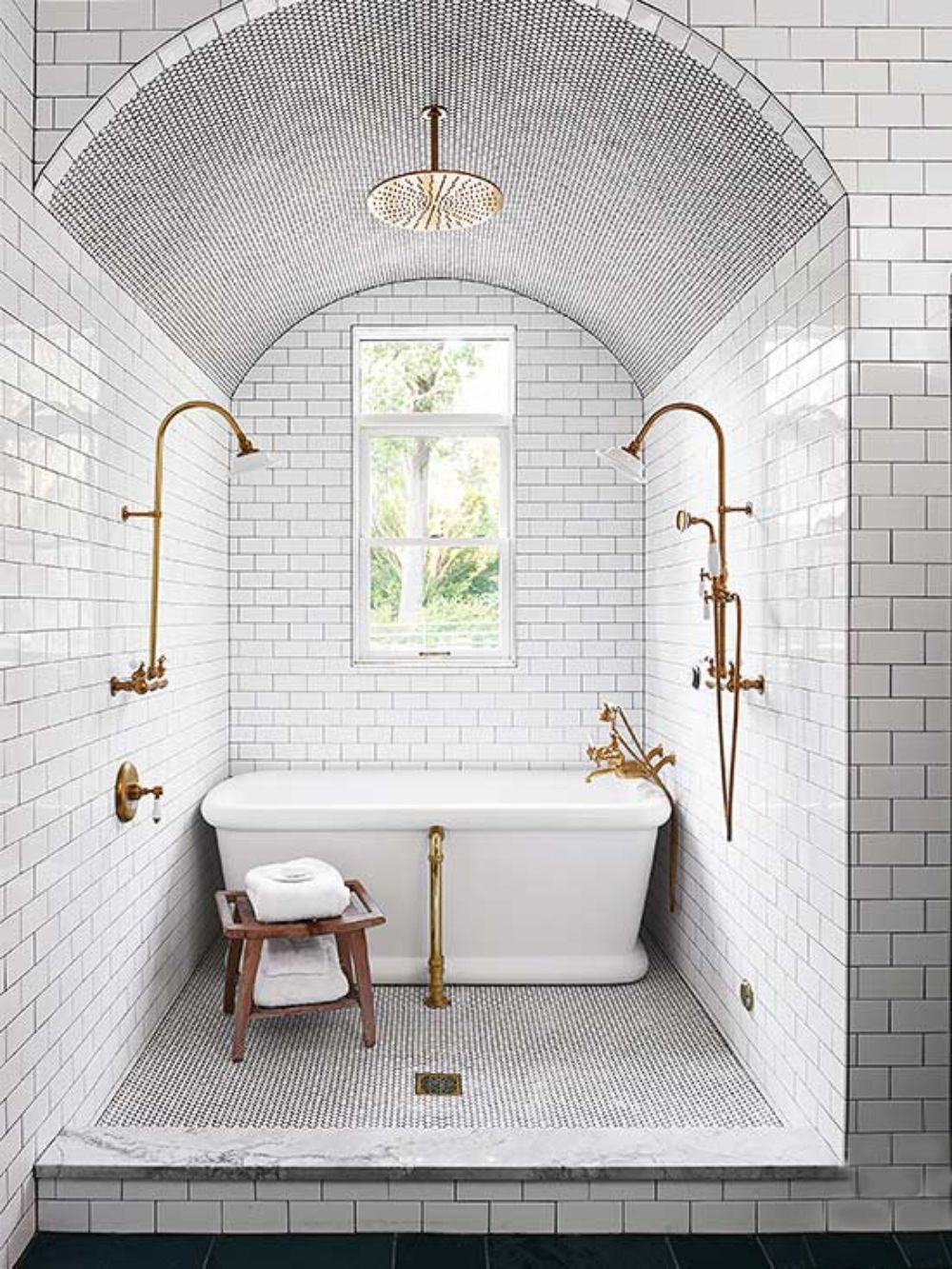
Credit: farmhouseliving.com
Design Ideas
Designing a wet room offers many exciting possibilities. This style blends function with modern looks. You can create a space that feels open and fresh. Careful planning helps you make the most of the room.
There are many ways to design a wet room. From simple, clean lines to rich, elegant touches. Small spaces can also feel roomy and comfortable. Here are some ideas to inspire your project.
Minimalist Styles
Minimalist wet rooms focus on simplicity. Use neutral colors like white, gray, or beige. Choose sleek fixtures with clean shapes. Clear glass panels keep the space open and bright. Avoid clutter by using built-in storage.
Floor and wall tiles should match for a seamless look. Large tiles reduce grout lines and make cleaning easier. Lighting is key. Soft, even light adds warmth without harsh shadows.
Luxury Elements
Luxury wet rooms feel like a spa. Use natural stone tiles or wood-effect finishes. Add a rainfall showerhead for a soothing experience. Heated floors bring comfort, especially in colder months.
Include a bench or seating area for relaxation. Add mood lighting with dimmers. Use high-quality fixtures in chrome or brushed metal. Mirrors with built-in lights enhance the sense of space.
Compact Space Tips
Wet rooms work well in small areas. Use light colors to make the room feel larger. Opt for a corner shower to save space. Frameless glass panels keep the area open and bright.
Install wall-mounted sinks and toilets to free floor space. Use vertical storage like shelves or cabinets above the sink. Keep the layout simple to avoid crowding. Good ventilation prevents moisture buildup.
Materials And Finishes
Choosing the right materials and finishes is key to a successful wet room bathroom design. These elements must resist water and moisture while adding style. Durable and water-resistant materials keep the space safe and easy to clean. The finishes also create the room’s look and feel, from sleek modern to warm and natural.
Tile Options
Tiles are the most popular choice for wet rooms. Porcelain and ceramic tiles offer strong water resistance. They come in many colors and patterns. Large format tiles reduce grout lines, making cleaning easier. Natural stone tiles add luxury but need sealing to prevent water damage. Textured tiles help prevent slipping in wet areas.
Glass And Metal
Glass shower screens create a clear barrier without closing off the room. Toughened safety glass stands up to moisture and impact. Metal fittings, such as chrome or brushed steel, provide durability and a modern look. These materials resist rust and corrosion, keeping the wet room looking fresh. Minimalist metal frames keep the design open and airy.
Water-resistant Flooring
The floor needs special care in a wet room. Vinyl flooring is waterproof, soft underfoot, and easy to install. Waterproof laminate options offer the look of wood with water protection. Concrete floors are durable and can be sealed to prevent water damage. Proper drainage under the floor is essential to avoid pooling water.
Space Planning
Space planning plays a key role in wet room bathroom designs. It ensures the room functions well and looks spacious. Careful planning helps avoid clutter and water issues. It also improves comfort and safety. Focus on size, layout, and ease of movement to create a perfect wet room.
Ideal Dimensions
The overall wet room should be at least 5 feet by 7 feet. This size allows enough space for showering and movement. For a wet room with a bathtub, consider a minimum of 7 feet by 9 feet. The shower area itself needs to be at least 3 feet by 3 feet. These dimensions help prevent water from spreading too far.
Layout Tips
Place the shower drain away from doorways and walkways. Use a glass screen to keep water contained without blocking light. Position the shower near existing plumbing to reduce costs. Keep storage areas dry by placing them outside the wet zone. Plan enough space between fixtures to avoid crowding.
Flow And Accessibility
Design the wet room for easy movement and access. Use a level floor without steps or thresholds. Ensure doorways are wide enough for all users. Install grab bars or handrails for extra safety. Keep controls and shelves within easy reach. Good flow makes the wet room user-friendly for everyone.
Cost Factors
Understanding the cost factors of wet room bathroom designs helps plan your budget well. Many elements affect the total expense. These include materials, labor, and the complexity of installation. Knowing these can guide your choices for a stylish and functional wet room.
Average Price Range
Wet room designs vary widely in price. Basic setups start around $3,000. Mid-range projects cost between $5,000 and $10,000. High-end designs with luxury features can exceed $15,000. Prices depend on room size and selected finishes.
Labor And Installation
Labor costs form a large part of the budget. Skilled workers must ensure proper waterproofing and drainage. Installation can take several days or weeks. Complex layouts or structural changes increase labor fees. Hiring experienced professionals reduces risks of leaks or damage.
Material Choices
Materials impact both cost and style. Tiles are popular for floors and walls. Porcelain and natural stone tiles cost more than ceramic ones. Waterproof membranes and sealants add to expenses but protect your space. Glass screens and quality fixtures also raise the budget. Choosing durable, water-resistant materials extends your wet room’s life.
Common Challenges
Designing a wet room bathroom brings a fresh, open feel to any home. Still, it comes with unique challenges. These challenges focus mainly on moisture, ventilation, and comfort. Addressing these issues early ensures a long-lasting and pleasant wet room.
Moisture Control
Wet rooms face constant exposure to water and steam. Without proper moisture control, walls and floors can suffer damage. Waterproof membranes must cover the entire wet area. Tiles and grout need sealing to stop water penetration. Regular inspections help spot leaks before they cause mold or rot.
Ventilation Solutions
Good airflow prevents humidity buildup inside the wet room. Installing an extractor fan is essential to remove steam fast. A window or vent also improves air circulation. Proper ventilation reduces damp smells and stops mold growth. Fans should run during and after showers to clear moisture.
Preventing Cold Floors
Cold floors make wet rooms uncomfortable. Heated floors offer a warm, cozy surface. Electric or water-based underfloor heating systems fit well under tiles. Insulating the floor beneath keeps heat from escaping. Warm floors improve the wet room experience, especially in colder climates.
Innovations
Innovations in wet room bathroom designs make these spaces more comfortable and efficient. Modern technology improves usability and safety. New features help control temperature, moisture, and cleanliness with ease.
Underfloor Heating
Underfloor heating keeps the wet room warm and dry. It prevents cold floors that can feel uncomfortable. The heat spreads evenly across the floor surface. This system uses electric cables or water pipes under tiles. It is energy-efficient and easy to control.
Smart Controls
Smart controls offer convenience for wet room users. They allow adjusting water temperature and lighting with a touch or voice command. Some systems monitor humidity and activate ventilation automatically. Smart controls can save energy and reduce water waste. They improve the overall bathroom experience.
New Waterproofing Tech
New waterproofing technology protects wet rooms from leaks and damage. Liquid membranes and waterproof boards create strong barriers. These materials are easy to install and last longer than traditional methods. Improved waterproofing helps prevent mold and structural problems. It ensures the wet room stays safe and clean.
Wet Room Maintenance
Maintaining a wet room bathroom is essential to keep it looking fresh and functioning well. Wet rooms have a unique design that allows water to flow freely across the floor. This open layout requires careful upkeep to prevent damage and keep the space hygienic.
Regular care helps avoid common problems like mold and water stains. Simple habits and the right cleaning tools make maintenance easier. Proper attention extends the life of your wet room and keeps it safe.
Cleaning Tips
Clean your wet room at least once a week. Use a mild detergent and warm water to wipe down surfaces. Avoid harsh chemicals that can damage waterproof seals. A soft brush or sponge works best to remove dirt and soap scum. Rinse thoroughly to prevent residue buildup. Dry the floor with a squeegee or towel to reduce water spots.
Preventing Mold
Mold grows in damp, poorly ventilated spaces. Keep the wet room dry by using an extractor fan or opening windows. Wipe down walls and floors after each use to remove excess moisture. Use mold-resistant paint and sealants during installation. Check corners and grout lines regularly for early signs of mold. Clean mold spots immediately with vinegar or a gentle mold cleaner.
Long-term Care
Inspect your wet room regularly for leaks or cracks in the waterproofing. Repair any damage quickly to avoid water seepage. Reapply sealants every few years to maintain water resistance. Keep drains clear of hair and debris to prevent blockages. Schedule professional inspections if you notice persistent dampness or odors. Good long-term care ensures your wet room stays functional and attractive for years.

Credit: 34stjohn.com
Frequently Asked Questions
What Are The Downsides Of A Wet Room?
Wet rooms can be costly to install due to waterproofing and drainage needs. They may feel cold and slippery. Water can spread easily, requiring regular cleaning. Poor ventilation risks mold growth. Limited privacy can be a concern without proper partitions or screens.
Are Wet Rooms Still In Style?
Wet rooms remain popular for sleek, modern bathrooms. They maximize space and offer easy maintenance. Proper waterproofing ensures durability. Many designers recommend glass screens to contain water and enhance style. Wet rooms suit both small and large bathrooms, keeping them contemporary and functional.
How Big Does A Bathroom Need To Be For A Wet Room?
A wet room should be at least 30-35 square feet for comfort. The shower area needs about 3×3 feet. Ensure proper drainage and waterproofing throughout the wet zone.
What Is The Average Cost Of A Wet Room?
The average cost of a wet room ranges from $5,000 to $15,000, depending on size and materials used. Premium designs may exceed this. Installation complexity and waterproofing also impact the price.
Conclusion
Wet room bathroom designs offer a sleek, modern look for any home. They make cleaning easier and save space effectively. Proper waterproofing and drainage prevent moisture problems. Glass screens help keep water contained without closing the space. Choose materials that resist water and are easy to maintain.
These designs fit both small and large bathrooms well. With thoughtful planning, wet rooms bring comfort and style together. Consider your needs and bathroom size before starting your project. Enjoy a fresh, open feel that wet rooms provide every day.