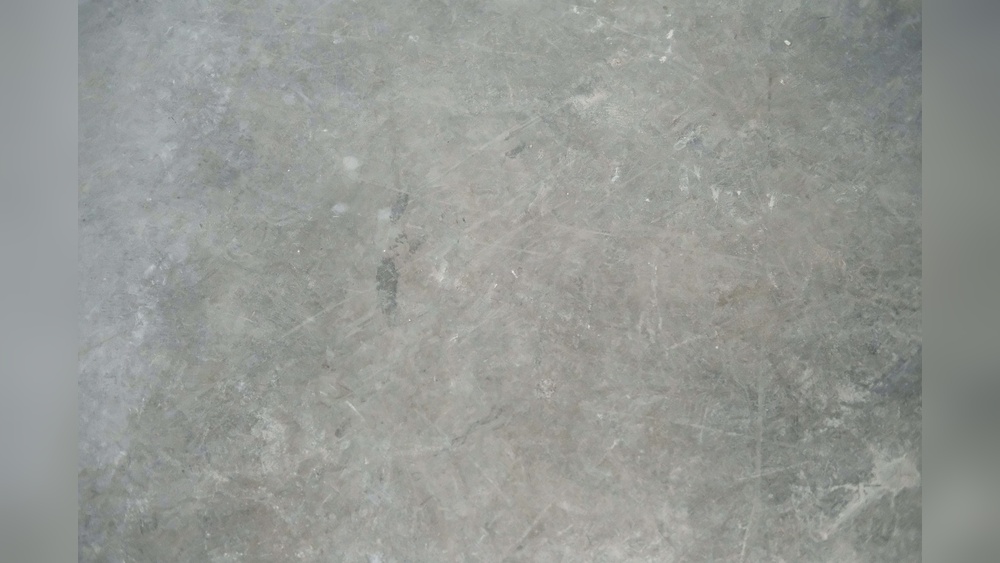

Are you looking to transform your concrete floors into something both durable and stylish? Sealed concrete floor texture offers an ideal solution that combines strength with a sleek appearance.
Whether you want a smooth, glossy finish or a subtle matte look, sealing your concrete can enhance its texture and protect it from wear and stains. Imagine walking on a floor that not only feels great underfoot but also stands up to daily use without losing its charm.
You’ll discover how sealed concrete textures can elevate your space, the different finishes available, and practical tips to achieve the perfect look for your floors. Keep reading to unlock the secrets of making your concrete floors look amazing and last longer.
Sealed Concrete Basics
Sealed concrete floors offer durability and style. They protect concrete from stains, dust, and damage. Sealing also enhances the floor’s texture and color. Understanding the basics helps you choose the right option for your space.
Learn what sealed concrete is, the types of sealers available, and the difference between matte and gloss finishes. This knowledge will guide your decision-making for a long-lasting floor.
What Is Sealed Concrete?
Sealed concrete means applying a protective layer on the concrete surface. This layer blocks moisture, dirt, and stains from entering the concrete. It also reduces wear and tear from foot traffic and cleaning. Sealing keeps the floor looking fresh and new for years.
Types Of Sealers
There are several types of concrete sealers to choose from. Penetrating sealers soak into the concrete and protect from inside. Topical sealers form a protective film on the surface. Acrylic sealers are easy to apply and dry quickly. Epoxy and polyurethane sealers offer strong protection and shine but need more care during application.
Matte Vs Gloss Finishes
Matte finishes give a natural, soft look to concrete floors. They hide scratches and dirt well. Gloss finishes create a shiny, polished appearance. They reflect light and make spaces look brighter. Glossy floors show marks easily but are easier to clean. Choose the finish based on your style and maintenance preference.
Texture Options
Sealed concrete floors offer a variety of texture options to enhance their look and feel. Choosing the right texture adds character and improves slip resistance. Each texture technique creates a unique surface, perfect for different spaces and styles.
Explore the common texture options below to find the perfect match for your sealed concrete floor.
Float And Trowel Techniques
Float and trowel are basic methods to finish concrete surfaces. Floating smooths the surface using a flat tool, removing rough spots. Troweling follows to create a denser, polished finish. This technique results in a smooth, durable floor ideal for indoor areas. It also helps seal the surface, preventing dirt and moisture buildup.
Stamped And Patterned Textures
Stamped concrete mimics natural materials like stone or brick. Patterns are pressed into the wet concrete with special molds. This method adds style and depth to plain concrete floors. It suits patios, walkways, and commercial spaces needing decorative appeal. The sealed finish protects the patterns and keeps the floor easy to clean.
Wood And Steel Float Effects
Wood float creates a subtle, brushed texture resembling wood grain. It gives floors a warm, natural look without using actual wood. Steel float produces a very smooth, almost shiny surface. This effect is great for modern, sleek designs in homes or offices. Both textures enhance the sealed concrete’s durability and appearance.
Application Process
The application process for sealed concrete floor texture is key to achieving a durable and attractive finish. Proper steps ensure the sealer bonds well and protects the floor effectively. Follow each stage carefully to get the best results.
Preparing The Surface
Start by cleaning the concrete floor thoroughly. Remove dirt, dust, grease, and old sealers. Use a broom and mop to clear loose debris. For stubborn stains, apply a concrete cleaner and scrub gently. Let the surface dry completely before moving on. Check for cracks or holes and repair them with concrete patching material. A smooth, clean surface helps the sealer stick better and last longer.
Choosing The Right Sealer
Select a sealer that matches your floor’s needs. Options include water-based, solvent-based, and acrylic sealers. Water-based sealers dry quickly and have low odor. Solvent-based sealers offer strong protection but release fumes. Acrylic sealers are easy to apply and enhance color. Consider the floor’s location, traffic, and exposure to moisture when picking a sealer. Always read the product label for specific uses and application tips.
Step-by-step Sealing Guide
Begin by stirring the sealer well without shaking. Pour a small amount onto the floor. Use a roller or brush to spread the sealer evenly. Work in small sections to avoid overlaps. Apply a thin, uniform coat and avoid puddles. Let the first coat dry as per manufacturer instructions. Apply a second coat for better protection if needed. Allow the floor to cure fully before walking or placing furniture on it. Proper sealing extends the floor’s life and maintains its texture.

Credit: www.freepik.com
Color And Style
Color and style play a key role in sealed concrete floor texture. They enhance the look and feel of any space. Concrete floors no longer have to be dull or plain. With various options, they can reflect your taste and match your decor.
Tinting Sealers
Tinting sealers add subtle or bold color to concrete floors. These sealers mix color pigments into the protective layer. This method changes the floor’s tone without hiding its texture. Tinting sealers allow a natural look with a splash of color. They also protect against stains and wear.
Combining Texture With Color
Texture and color work together to create unique floors. Rough or smooth textures change how colors appear. Dark colors emphasize texture depth. Light colors highlight surface details. Layering textured finishes with colored sealers adds dimension. This combination makes floors visually rich and interesting.
Popular Design Trends
Many homeowners choose earth tones for sealed concrete floors. Shades like brown, gray, and beige remain popular. These colors create warm and inviting spaces. Another trend is using bold colors in small areas. Accent zones or patterns break monotony and add style. Matte finishes are preferred for a modern, subtle look.
Durability Factors
Sealed concrete floors offer a strong surface that stands up to daily use. Their durability depends on several important factors. Understanding these factors helps maintain the floor’s appearance and function for many years. Proper care and timely repairs keep the floor looking great and lasting longer.
Wear Resistance
Sealed concrete floors resist scratches and abrasions well. The sealer creates a protective barrier against damage from foot traffic and heavy objects. It also prevents stains and moisture from penetrating the surface. Higher-quality sealers improve wear resistance and extend the floor’s life.
Maintenance Tips
Regular cleaning is key to durability. Sweep or vacuum to remove dirt and grit that can cause scratches. Use mild soap and water for wet cleaning. Avoid harsh chemicals or acidic cleaners that break down the sealer. Reapply the sealer every few years to maintain protection.
Repairing Damaged Areas
Minor chips or cracks can appear over time. Repair damaged spots quickly to prevent further wear. Clean the area well before applying a patch or filler. After repair, reseal the spot to blend it with the rest of the floor. Proper repairs help keep the floor strong and looking uniform.
Comparing Flooring Types
Choosing the right flooring type affects the look and feel of any space. Sealed concrete floor texture offers durability and a unique finish. It stands as a popular choice alongside polished concrete. Both have distinct qualities that suit different needs and styles.
Sealed Concrete Vs Polished Concrete
Sealed concrete has a protective layer that guards against stains and moisture. It keeps the surface matte or slightly glossy, depending on the sealer used. Polished concrete is ground and buffed to a smooth, shiny finish. It reflects light and creates a modern, sleek look.
Sealed concrete keeps texture visible and feels natural underfoot. Polished concrete feels harder and colder but is easier to clean. Both options are strong and long-lasting, suitable for homes and commercial spaces.
Pros And Cons
Sealed concrete resists spills and dirt well. It requires occasional resealing to maintain protection. It hides minor cracks and imperfections better than polished concrete. Polished concrete is low maintenance and does not need sealing. It can show scratches and stains more easily.
Sealed concrete offers more slip resistance due to its texture. Polished concrete can be slippery when wet. Sealed floors tend to feel warmer and softer than polished ones. Polished concrete fits modern designs, while sealed concrete suits rustic or industrial styles.
Cost Considerations
Sealed concrete usually costs less to install than polished concrete. The sealing process is quicker and requires fewer steps. Polished concrete involves grinding and buffing, raising labor and equipment costs. Both options save money over time due to durability and low upkeep.
Sealed concrete may need resealing every few years. Polished concrete keeps its shine longer but might require occasional polishing. Budget, style, and usage all influence the best choice for your floor.
Commercial And Residential Uses
Sealed concrete floor texture offers versatile benefits for both commercial and residential spaces. Its durability and low maintenance make it a top choice for various environments. These floors can withstand heavy use and still maintain an attractive appearance. The texture adds slip resistance and enhances the overall aesthetic.
Industrial Settings
Sealed concrete floors are common in factories and warehouses. They resist heavy machinery and constant foot traffic. The sealed surface prevents dust and chemical spills from damaging the floor. This makes cleaning easier and helps maintain a safe workspace. Their strength supports forklifts and other equipment without cracking.
Home Applications
Many homeowners prefer sealed concrete floors for kitchens and basements. The texture adds a modern look while protecting the floor from stains and moisture. Sealed floors in living areas offer a sleek finish that blends with different decor styles. The ease of cleaning makes them ideal for busy families and pet owners.
Outdoor Vs Indoor Suitability
Sealed concrete works well both indoors and outdoors. Outdoors, the textured surface provides extra grip during wet conditions. It resists weather damage like rain and UV rays. Indoors, sealing prevents dust and keeps floors shiny. Choosing the right sealant ensures the floor suits the specific environment perfectly.

Credit: www.istockphoto.com
Environmental Impact
Sealed concrete floor textures affect the environment in several ways. Choosing the right materials and methods can reduce harm. Understanding the environmental impact helps make better decisions for flooring projects.
Eco-friendly Sealers
Eco-friendly sealers use low or no volatile organic compounds (VOCs). These sealers release fewer harmful chemicals into the air. They help maintain indoor air quality and reduce pollution. Water-based sealers often fit this category. They are safer for workers and residents alike. Choosing eco-friendly sealers supports a healthier environment.
Longevity And Sustainability
Sealed concrete floors last longer than untreated ones. This durability means less frequent replacement or repairs. It reduces waste and the need for new materials. Proper sealing prevents cracks and damage from moisture. Maintaining floors extends their lifespan and lowers environmental strain. Sustainable flooring choices help conserve resources and energy.
Recycling Concrete Surfaces
Concrete can be recycled after its lifespan ends. Recycled concrete is crushed and used in new construction projects. This process saves natural resources and reduces landfill waste. Sealed concrete floors are easier to clean and maintain for recycling. Using recycled concrete supports a circular economy. It lowers the environmental footprint of building materials.
Credit: allgaragefloors.com
Frequently Asked Questions
What Do Sealed Concrete Floors Look Like?
Sealed concrete floors show a smooth, matte, or glossy finish. They can display various colors and subtle textures. This enhances durability and appearance while protecting the surface.
How To Get A Textured Finish On Concrete?
Use float or trowel tools to create patterns like swirls or arcs on wet concrete. Wood floats yield coarse texture; aluminum or steel trowels produce medium or smooth finishes.
What Is Poor Man’s Concrete?
Poor man’s concrete is a low-cost mix of cement, sand, and water used as a simple alternative to traditional concrete.
What Is The 20/30/40 Rule In Concrete?
The 20/30/40 rule in concrete guides mix proportions: 20% cement, 30% water, and 40% aggregates. This ratio ensures strength and durability.
Conclusion
Sealed concrete floor texture adds both style and protection to any space. It creates a smooth surface that is easy to clean and maintain. This finish can suit many designs, from modern to rustic. Choosing the right sealer helps keep floors durable and stain-resistant.
With proper care, sealed concrete floors last for years. They offer a practical and attractive solution for homes and businesses. Consider sealed concrete floors to improve your space’s look and function. Simple, effective, and long-lasting—sealed concrete floors meet many needs well.