
Are you ready to transform your bathroom into a stylish, inviting space? Choosing the right bathroom tiles can make all the difference, and seeing the perfect design images can spark your creativity like nothing else.
Whether you want a sleek, modern look or a cozy, classic vibe, the right tile design sets the tone for your entire bathroom. You’ll discover stunning bathroom tiles design images that will inspire your next renovation or refresh. Get ready to explore beautiful textures, colors, and patterns that can turn your bathroom into a personal retreat you’ll love every day.
Keep reading to find the perfect tile ideas tailored just for you!
Trendy Tile Styles
Trendy tile styles are transforming bathroom spaces with fresh, stylish looks. These designs add character and charm without overwhelming the room. Choosing the right tile style enhances both the feel and function of any bathroom. Let’s explore some popular tile trends that bring texture, elegance, and spaciousness to bathroom walls and floors.
Fluted Tiles For Texture
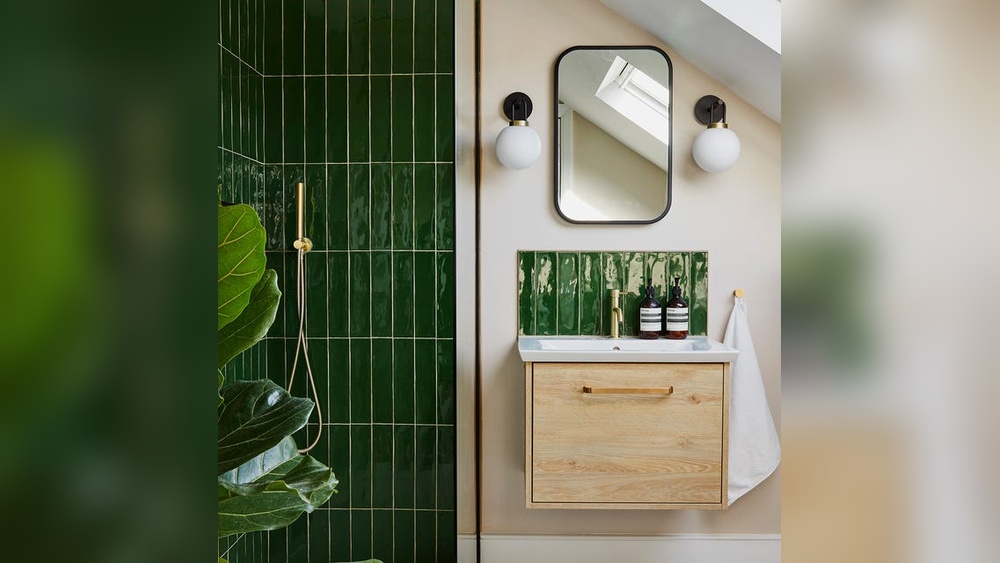
Fluted tiles create a unique textured surface. Their thin, linear shape features rounded, ribbed edges. This design adds depth and shadow to plain walls. Fluted tiles catch light differently, giving walls a lively, three-dimensional look. They work well in modern and minimalist bathrooms. The texture breaks monotony and adds subtle visual interest. These tiles often come in neutral colors for versatile styling.
Marble-effect Porcelain
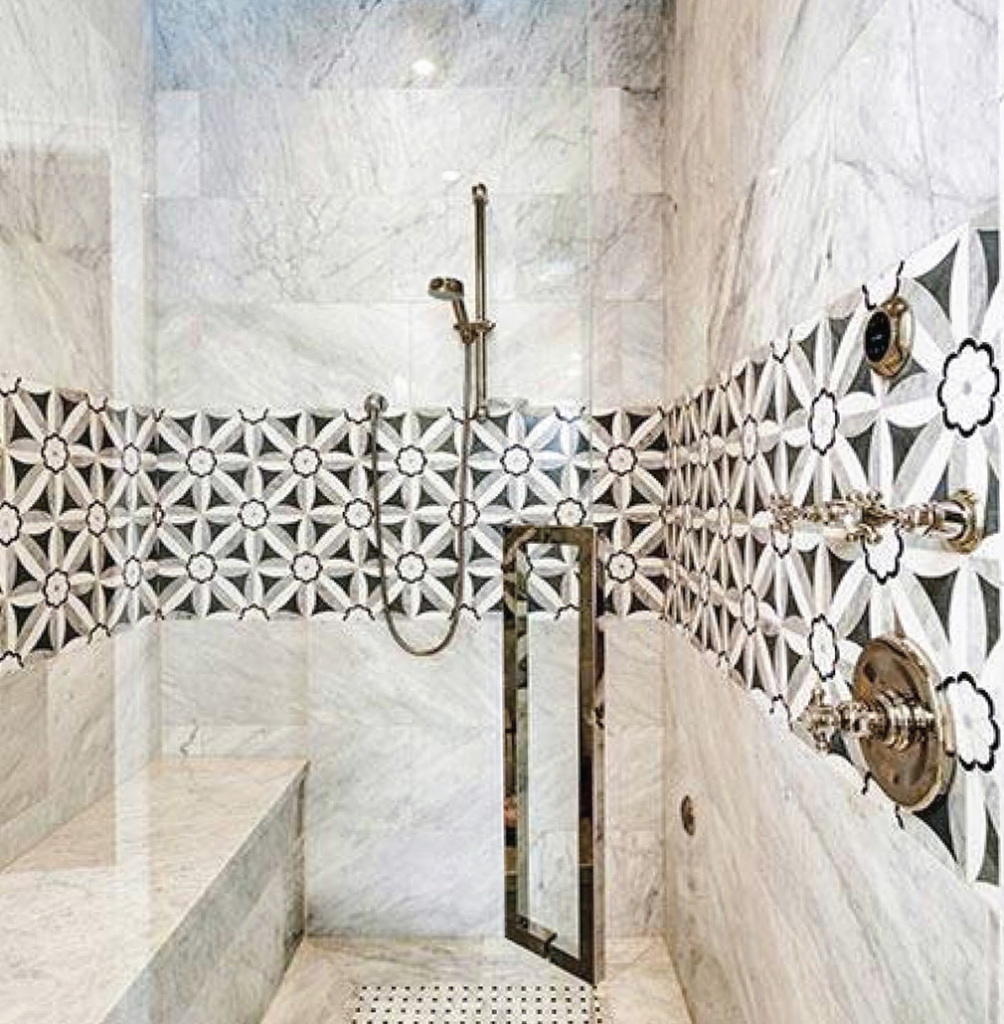
Marble-effect porcelain tiles mimic natural marble’s beauty and patterns. They provide luxury without the high cost or maintenance of real marble. These tiles offer smooth surfaces with elegant veins and swirls. Porcelain is durable and water-resistant, perfect for bathrooms. Marble-effect tiles brighten spaces and add a classic touch. They pair easily with various decor styles from traditional to contemporary.
Large Format Tiles
Large format tiles cover more surface area with fewer grout lines. This creates a clean, seamless look that makes bathrooms feel larger. These tiles reduce visual clutter and simplify cleaning. They suit floors and walls, especially in modern designs. Large tiles come in many finishes and patterns, including stone and concrete looks. Their smooth appearance adds a sleek, spacious vibe to bathroom interiors.
Credit: savannahsurfaces.com
Popular Tile Patterns
Bathroom tiles bring style and function to any space. Choosing the right tile pattern enhances the room’s look. Popular tile patterns offer unique designs that suit many tastes and spaces. These patterns create rhythm and interest on bathroom floors and walls. Explore some popular tile patterns to inspire your next bathroom project.
Third-shift Layout
The third-shift layout moves each row of tiles by one-third of the tile’s length. This creates a dynamic, staggered visual flow. It reduces visible seams and lippage on uneven tiles. The pattern works well with rectangular tiles, adding texture without overwhelming. This design fits both modern and classic bathrooms.
Brick And Staggered Patterns
Brick and staggered patterns mimic traditional brick walls. Each tile overlaps the one below by half its length. This pattern adds depth and interest to bathroom walls and floors. It hides grout lines better than straight rows. It suits ceramic, porcelain, or natural stone tiles beautifully.
Straight-set Minimalism
Straight-set minimalism aligns tiles in perfect rows and columns. It creates a clean and simple look that feels spacious. This pattern is easy to install and maintain. It suits small and large bathrooms alike. Straight-set tiles highlight the tile’s color and texture clearly.
Choosing Tile Colors
Choosing the right tile colors shapes your bathroom’s style and mood. Colors affect light, space perception, and atmosphere. Thoughtful choices make your bathroom feel fresh and inviting. Different shades suit different tastes and room sizes. Consider the feel you want before picking colors.
Neutral Shades
Neutral shades bring calm and timeless beauty. Whites, beiges, and grays work well for all styles. They pair easily with other colors and materials. Neutral tiles create a clean, spacious look in any bathroom. These shades offer flexibility for future decor changes. They balance bold fixtures or colorful accessories nicely.
Bold And Dark Tones
Bold and dark tones add drama and depth. Deep blues, blacks, or charcoal gray tiles create a striking effect. They suit modern and luxurious bathroom designs. Dark tiles hide dirt well and add warmth. Use them on feature walls or floors for contrast. Pair dark tiles with light fixtures to brighten space.
Light Colors For Small Spaces
Light colors make small bathrooms appear larger. Soft pastels, light blues, or pale greens enhance brightness. They reflect natural light and open up tight spaces. Light tiles create an airy, refreshing bathroom feel. Use glossy finishes to boost light reflection. Combine light colors with minimal decor for a clean look.
Materials And Finishes
Choosing the right materials and finishes for bathroom tiles shapes the room’s look and feel. These choices affect durability, maintenance, and style. Understanding options helps create a design that fits your needs and taste.
Ceramic And Porcelain
Ceramic tiles are popular for bathrooms due to their affordability and variety. They resist moisture well and come in many colors and patterns. Porcelain tiles are denser and less porous. They offer better water resistance and last longer. Both materials are easy to clean and maintain. Porcelain suits high-traffic areas. Ceramic works well for walls and light-use floors.
Natural Stone Options
Natural stone tiles add luxury and uniqueness to bathrooms. Common stones include marble, granite, and slate. Each stone has its own texture and color variations. Stone tiles require sealing to prevent water damage and stains. They give a warm, natural look that many homeowners love. Stone can be more expensive and needs more care than ceramic or porcelain.
Glossy Vs Matte Finishes
Glossy tiles reflect light and brighten small bathroom spaces. They feel smooth and look shiny. Glossy finishes show water spots and fingerprints more easily. Matte tiles offer a softer, subtle look. They hide dirt and water marks better. Matte finishes provide more grip, reducing slip risks. The choice depends on your style preference and practical needs.
Floor Vs Wall Tiles
Choosing the right tiles for your bathroom floors and walls matters a lot. Floor tiles and wall tiles serve different purposes. They need to meet different demands for safety, style, and strength. Understanding these differences helps you pick tiles that last and look great.
Durability Needs
Floor tiles face heavy foot traffic every day. They must be strong and resistant to cracks. Wall tiles do not bear weight but should resist moisture and stains. This means floor tiles are usually thicker and tougher. Wall tiles can focus more on style and finish.
Design Coordination
Matching floor and wall tiles creates a balanced bathroom design. Floor tiles often have simple patterns or muted colors. Wall tiles can be bold and decorative to add interest. Coordinating colors and textures unites the space without overwhelming it. Use images of tile designs to plan combinations that fit your style.
Slip Resistance
Bathroom floors can get wet and slippery. Tiles with a textured surface improve safety by providing grip. Smooth tiles may look nice but increase fall risk. Wall tiles do not need slip resistance but should be easy to clean. Choosing the right floor tile finish ensures a safe bathroom environment.

Credit: www.tilemountain.co.uk
Small Bathroom Tips
Small bathrooms need smart design choices to feel spacious and fresh. Tiles play a big role in creating an open, airy look. Choosing the right colors, layouts, and surfaces can make your bathroom appear larger.
Simple tricks with tile design can improve light flow and depth. These tips help maximize space without costly renovations. Use these ideas to boost your bathroom’s style and size illusion.
Using Light Colors
Light colors reflect more light and open up small spaces. Whites, creams, and pale blues create a clean, bright feel. Soft tones make walls and floors recede visually, making the room seem bigger. Avoid dark shades that absorb light and shrink the space.
Vertical Tile Layouts
Vertical tile patterns draw the eye upward, adding height to your bathroom. Tall, narrow tiles or vertical stripes create a sense of taller walls. This simple change can balance small floor space with visual height. Vertical layouts break flat surfaces and add interest.
Reflective Surfaces
Glossy tiles and mirrors bounce light around the room. Shiny surfaces add brightness and depth to small bathrooms. Consider polished ceramic or glass tiles for walls or backsplashes. Reflective tiles also help reduce shadows, keeping the space lively and inviting.
Installation Insights
Installing bathroom tiles requires care and attention. The right installation can enhance the design and ensure durability. Small errors can cause big problems over time. Understanding key installation tips helps achieve a smooth and beautiful finish.
Focus on proper techniques to avoid common issues like uneven surfaces or visible gaps. Quality installation makes tile designs look their best and last longer.
Minimizing Lippage
Lippage happens when adjacent tiles have different heights. This creates an uneven surface that can catch dirt and look unattractive. To minimize lippage, use high-quality tiles with consistent thickness. A proper layout pattern helps too.
Shifting tiles by one-third their length creates a visual flow. This pattern reduces the chance that high points line up. Using a level and spacers during installation ensures tiles sit flat. Take time to adjust each tile before the adhesive dries.
Hiding Imperfections
Even the best tiles can have slight flaws or uneven edges. Grout color plays a big role in hiding these imperfections. Choose a grout that matches the tile tone for a seamless look. Darker grout hides stains and chips better than light grout.
Use consistent grout lines and smooth application to mask small gaps. Seal grout properly to prevent discoloration. Careful cleaning after installation keeps tiles looking fresh and flawless.
Professional Vs Diy
Professional installers have experience with different tile types and layouts. They know how to prepare surfaces and handle tricky cuts. This can save time and prevent costly mistakes. Professionals often provide warranties for their work.
DIY installation can save money but requires patience and skill. Beginners should start with simple patterns and small areas. Follow instructions carefully and use the right tools. Practice on spare tiles before working on the bathroom walls or floor.
Consider your confidence and schedule when deciding between professional and DIY. Proper installation is key to enjoying your bathroom tile design for years.
Inspiration Sources
Finding ideas for bathroom tiles design can be exciting and fun. Inspiration sources help spark creativity and guide your choices. They show real examples and fresh styles. These sources often feature the latest trends, colors, and patterns. They make it easier to picture your dream bathroom.
Home Design Magazines
Home design magazines offer a wide range of bathroom tile images. They showcase expert designs and current trends. These magazines often include tips from professionals. You get ideas for colors, textures, and layouts. Printed or digital, they are a great resource for inspiration.
Online Galleries
Online galleries provide endless bathroom tiles design images. You can browse styles from classic to modern. These galleries often allow filtering by size, color, or pattern. They help compare different tile materials and designs. Many galleries feature user reviews and project photos.
Social Media Ideas
Social media platforms are rich with bathroom tile design ideas. Instagram and Pinterest host countless photos and videos. Users share their renovation projects and tile choices. Following designers and tile brands reveals new trends fast. Save posts to create your own mood board easily.

Credit: www.mystonefloor.com
Frequently Asked Questions
What Is The Current Trend On Bathroom Tile?
Fluted tiles with rounded edges create textured, multi-dimensional bathroom walls. Large-format tiles use staggered layouts to hide imperfections and add modern style.
What Is The 1/3 Rule For Tile?
The 1/3 rule for tile means shifting each tile row by one-third of the tile’s length. This creates a smooth, even surface and reduces visible grout lines. It hides imperfections and offers a modern look, improving tile layout flow and minimizing lippage on floors and walls.
Which Color Tiles Are Best For A Bathroom?
Neutral colors like white, beige, and light gray suit bathrooms best. They create a clean, bright, and spacious feel. These colors also complement various styles and are easy to maintain. Choose tiles with a matte finish to reduce slipping and enhance safety.
What Bathroom Tile Never Goes Out Of Style?
Classic subway tiles never go out of style. Their clean lines and timeless design suit any bathroom decor. White or neutral tones enhance elegance and versatility.
Conclusion
Bathroom tile designs bring style and function to any space. Choose patterns and colors that match your taste and bathroom size. Simple layouts can make small rooms feel bigger and brighter. Textured tiles add depth and interest without overwhelming the room.
Mixing different tile shapes creates a unique, modern look. Remember, good tile design balances beauty and practicality. Use these ideas to create a bathroom you enjoy every day. Explore images for inspiration and start planning your perfect tile design today.