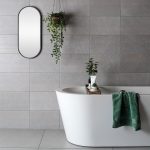
Imagine stepping into your bathroom and instantly feeling calm, refreshed, and free from clutter. That’s the power of minimalist bathroom design.
By focusing on clean lines, simple shapes, and smart storage, you can transform your space into a peaceful retreat. Whether your bathroom is large or small, embracing minimalism helps you create a stylish, functional area that makes your daily routine easier and more enjoyable.
Ready to discover how to bring serenity and elegance into your bathroom? Keep reading to learn the key ideas and tips that will help you design a minimalist bathroom you’ll love.
Key Elements
Minimalist bathroom design focuses on simplicity and function. It creates a calm and clean space. Key elements help achieve this look by keeping the design neat and efficient. These elements include clean lines, clutter-free counters, smart storage, and a light design touch. Each plays a vital role in making the bathroom feel spacious and inviting.
Clean Lines
Clean lines form the backbone of minimalist design. Straight edges and smooth surfaces reduce visual noise. Fixtures like sinks, cabinets, and mirrors should have simple shapes. Avoid ornate details or heavy patterns. This keeps the bathroom looking tidy and modern.
Clutter-free Counters
Clear counters make a bathroom feel open and fresh. Limit the number of items on surfaces. Store daily essentials out of sight. Wipe counters regularly to maintain a neat appearance. This practice improves both function and style.
Smart Storage
Smart storage solutions help hide clutter effectively. Use cabinets, drawers, and shelves that blend with the design. Floating vanities and built-in niches save floor space. Organize items by category for easy access. Good storage keeps the bathroom orderly and stress-free.
Light Design Touch
Lighting enhances the minimalist atmosphere. Soft, natural light works best. Use simple fixtures with clean designs. Consider recessed or wall-mounted lights to avoid bulk. Proper lighting highlights the space’s simplicity and warmth.
Color Palettes
Color palettes play a key role in minimalist bathroom design. They create a calm and balanced space. Choosing the right colors helps maintain simplicity and elegance. The palette should enhance natural light and open space. Soft, muted colors often work best for a soothing feel.
Neutral Tones
Neutral tones are the foundation of many minimalist bathrooms. Shades like white, beige, and gray bring a clean, fresh look. These colors reflect light well, making the room appear larger. Neutral tones also blend easily with natural materials like wood or stone. They help keep the focus on shapes and textures rather than bright colors.
Monochromatic Schemes
Monochromatic schemes use different shades of the same color. This creates a harmonious and unified look. For example, various grays from light to dark add depth without clutter. This approach keeps the bathroom calm and simple. It also allows subtle details to stand out without distraction.
Subtle Contrasts
Subtle contrasts add interest while keeping the minimalist style intact. Pairing soft whites with gentle grays or light wood tones works well. These contrasts highlight key features like fixtures or tiles. They add dimension without overwhelming the space. Subtle contrasts bring warmth and personality to a minimal bathroom.
Materials And Finishes
Choosing the right materials and finishes shapes the entire look of a minimalist bathroom. Each element must blend simplicity with style. The goal is to create a calm, uncluttered space that feels natural and fresh.
Materials in minimalist design often feature clean textures and muted tones. They highlight quality over quantity, inviting a sense of peace and order. Finishes are subtle, avoiding shine or busy patterns.
Natural Stone
Natural stone adds timeless beauty to minimalist bathrooms. Marble, granite, and limestone offer smooth surfaces with gentle veins. These stones create a serene and elegant atmosphere. Their unique patterns bring subtle interest without overwhelming the space.
Matte Surfaces
Matte finishes reduce glare and reflect soft light. They enhance the calm feeling that minimalist bathrooms aim for. Matte tiles and countertops also hide water spots and fingerprints better. This finish supports a clean, natural look that lasts.
Wood Accents
Wood accents bring warmth and texture into minimalist bathrooms. Light or medium tones work best to keep the space bright. Wooden shelves, vanity units, or trim add an organic touch. This natural element balances the coolness of stone and glass.
Glass Features
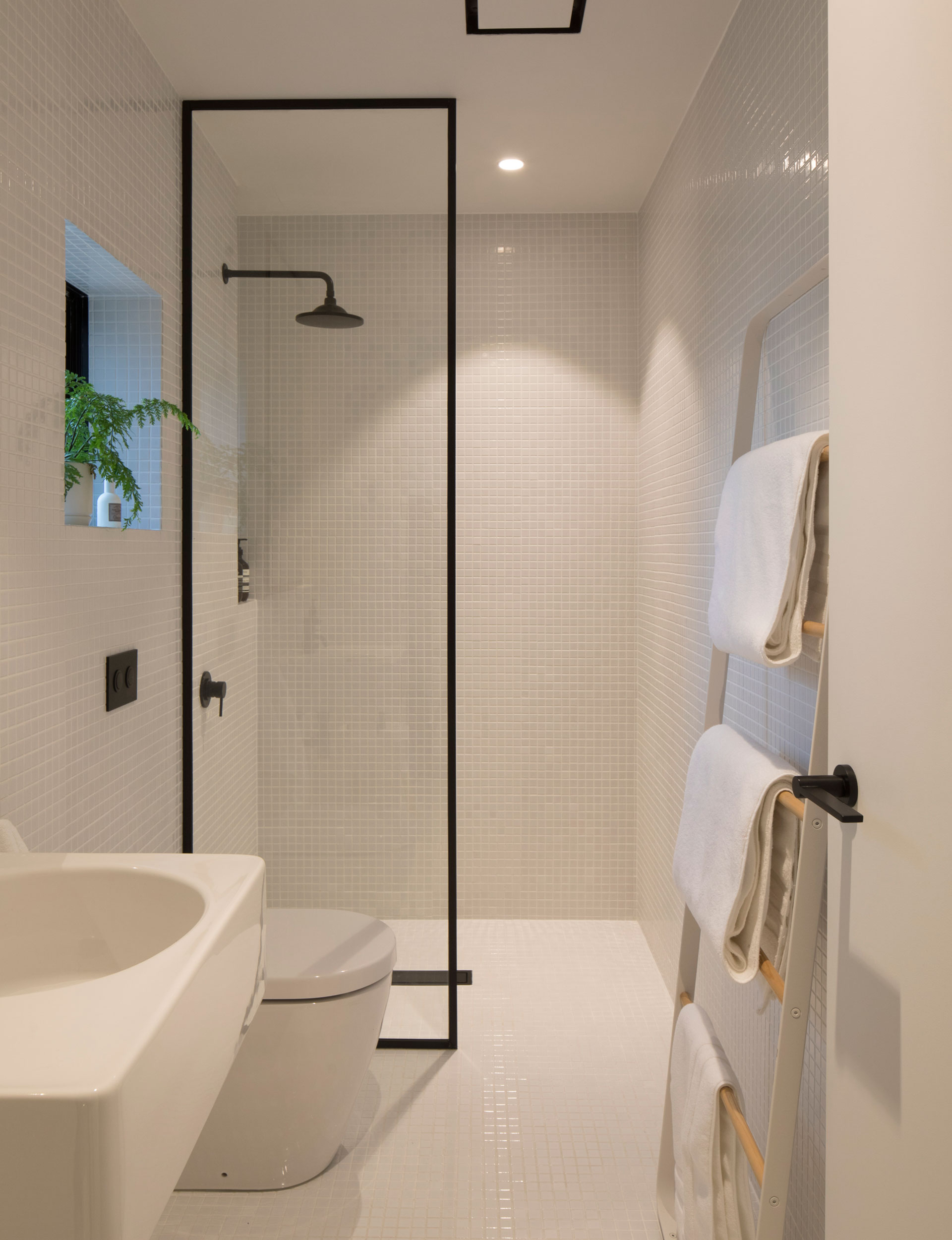
Glass features create openness and lightness in a minimalist design. Clear glass shower enclosures keep sightlines open. Frosted glass adds privacy without blocking light. Glass shelves or mirrors reflect light, making the bathroom feel larger.

Credit: 34stjohn.com
Space Optimization
Space optimization is vital in minimalist bathroom design. It enhances usability and creates a calm atmosphere. Efficient use of space makes even small bathrooms feel open and inviting.
Smart design choices keep the area clutter-free and organized. This approach focuses on simplicity and function, reducing unnecessary items and maximizing room.
Floating Vanities
Floating vanities free up floor space and add a modern look. They create an illusion of more room by exposing floor tiles underneath. Cleaning becomes easier with less furniture touching the floor.
These vanities offer storage without bulk. Drawers and cabinets keep essentials hidden, maintaining a tidy environment. Their sleek design fits perfectly into minimalist aesthetics.
Wall-mounted Fixtures
Wall-mounted fixtures save space by lifting elements off the floor. Toilets, sinks, and faucets fixed to walls open up the floor area. This makes the bathroom easier to clean and visually larger.
The fixtures have a simple, streamlined style. They reduce clutter and keep the focus on clean lines. This setup suits minimalist designs that value efficiency and elegance.
Built-in Storage
Built-in storage integrates seamlessly into bathroom walls. Shelves, niches, and cabinets blend with the design without taking extra space. They provide ample room for toiletries and towels.
This storage style keeps surfaces clear and organized. It avoids bulky furniture and supports a neat, minimalist look. Custom built-ins can match the bathroom’s color and texture for harmony.
Lighting Choices
Lighting plays a vital role in minimalist bathroom design. It sets the mood and highlights the simplicity of the space. Proper lighting makes the bathroom feel open and calm. Choosing the right lighting can enhance the clean lines and neutral tones typical of minimalism. Focus on natural light and minimalist fixtures to keep the space bright without clutter.
Natural Light
Natural light brings warmth and freshness to a minimalist bathroom. Large windows or skylights allow sunlight to fill the room. This light creates a soft and inviting atmosphere. Natural light reduces the need for artificial lighting during the day. It also emphasizes the clean and simple design elements.
Minimalist Fixtures
Choose lighting fixtures with simple shapes and neutral colors. Avoid ornate or bulky designs that distract from the minimalist style. Fixtures in matte black, white, or brushed metal work well. Wall sconces, recessed lights, or slim pendant lights fit the theme perfectly. Keep fixtures low-profile to maintain a clean ceiling line.
Ambient And Task Lighting
Use ambient lighting for general illumination. Soft, diffused lights create a calm environment. Add task lighting near mirrors for grooming and makeup. LED strip lights or small spotlights work great here. Balance both types to keep the bathroom functional and serene. Proper lighting zones support the minimalist feel without overpowering it.
Accessories And Decor
Accessories and decor play a vital role in minimalist bathroom design. They bring personality without clutter. The key is to choose items that are simple yet purposeful. Every piece should serve a function or add subtle style. This approach keeps the space calm and inviting.
Functional Minimalism
Prioritize items that combine beauty and use. Think sleek soap dispensers, minimal towel racks, and hidden storage. Avoid excess decoration that crowds surfaces. Choose neutral colors and clean shapes. This supports the minimalist look and helps keep your bathroom tidy.
Greenery And Plants
Small plants add life and freshness. They soften hard surfaces without overwhelming space. Opt for low-maintenance plants like succulents or air plants. Place them near natural light or on shelves. Greenery creates a peaceful, natural vibe that fits well with minimalism.
Textural Elements
Texture adds interest without clutter. Use towels, rugs, and baskets in natural fibers. Linen, cotton, or woven materials work well. Textures give warmth and depth to smooth surfaces. This contrast enhances the minimalist style and makes the bathroom feel cozy.
Common Mistakes
Designing a minimalist bathroom is about simplicity and calm. Many people make mistakes that reduce the space’s beauty and usefulness. Avoiding these common errors will help you create a clean and inviting bathroom.
Overcrowding
Adding too many items spoils the minimalist look. Keep only essential items visible. Too many decorations or products make the space feel small and messy. Choose storage solutions that hide clutter and keep counters clear.
Ignoring Functionality
Minimalist design must work well for daily use. A bathroom that looks good but is hard to use fails its purpose. Make sure storage is easy to reach. Fixtures should be comfortable and practical. Balance style with usability for a smooth experience.
Poor Lighting
Lighting changes the room’s mood and function. Dark or harsh lights make the space less inviting. Use soft, natural light or warm bulbs. Add layers with task lighting near mirrors. Good lighting highlights the clean lines and simple shapes of the design.
Local Inspirations
Local inspirations shape minimalist bathroom design in unique ways. They reflect the culture, climate, and lifestyle of the area. These influences bring character without clutter. In Austin, Texas, minimalism meets vibrant local trends. The result is a bathroom space that feels both fresh and familiar.
Austin Trends
Austin’s minimalist bathrooms focus on natural light and open space. Large windows and simple frames invite the outdoors in. Neutral tones mixed with soft greens reflect the city’s love for nature. Fixtures are sleek and often handmade by local artisans. Concrete sinks and wooden accents add warmth without excess. Austin designers favor clean lines and practical storage. This style emphasizes calmness and ease of use.
Texas Style Influences
Texas style blends rustic charm with modern simplicity. Minimalist bathrooms here use raw materials like stone and metal. Earthy colors such as sandy beige and deep brown dominate the palette. Textured walls and handcrafted tiles celebrate local craftsmanship. The style values durability and function alongside beauty. Open shelving and minimal decoration keep the space uncluttered. This approach creates a peaceful retreat with Texas spirit.
Budget-friendly Tips
Creating a minimalist bathroom does not need to drain your wallet. Smart budgeting helps achieve a clean, simple look without spending too much. Small changes and thoughtful choices make a big difference. Here are some budget-friendly tips to keep your minimalist bathroom stylish and affordable.
Affordable Upgrades
Start with small, inexpensive updates that refresh the space. Swap old faucets for sleek, modern designs. Replace light fixtures with simple, bright options to enhance the room’s feel. Add new hardware on cabinets for a quick style boost. These small changes cost less but create a fresh look.
Diy Projects
Take on simple projects to save money and add a personal touch. Paint walls in soft, neutral tones for a calm atmosphere. Install floating shelves to reduce clutter and keep essentials organized. Create your own art or decor using minimal materials. DIY projects keep costs low and add uniqueness.
Selecting Cost-effective Materials
Choose materials that look good but fit your budget. Opt for ceramic or porcelain tiles instead of expensive stone. Use laminate countertops for a clean look without high costs. Select water-efficient fixtures to save on water bills. Picking the right materials helps maintain style and save money.
Credit: homemagazine.nz
:max_bytes(150000):strip_icc()/minimalist-bathroom-ideas-5121176-hero-cfadc3ce3546468c95c2fc1118346dd8.jpg)
Credit: www.thespruce.com
Frequently Asked Questions
What Defines A Minimalist Bathroom Design?
Minimalist bathroom design focuses on simplicity, clean lines, and clutter-free spaces. It uses neutral colors and smart storage to create a serene environment.
How To Maximize Space In A Minimalist Bathroom?
Use wall-mounted fixtures, floating vanities, and built-in storage. Keep surfaces clear to enhance openness and maintain a streamlined look.
Which Colors Suit Minimalist Bathroom Designs Best?
Neutral tones like white, gray, beige, and soft pastels work best. These colors create a calm, airy, and timeless atmosphere.
What Materials Are Ideal For Minimalist Bathrooms?
Opt for natural materials like wood, stone, and matte ceramics. They add texture while maintaining the minimalist aesthetic.
Conclusion
A minimalist bathroom brings calm and order to your daily routine. Clean lines and simple colors create a peaceful space. Choosing smart storage keeps clutter out of sight. This design style fits any bathroom size or budget. Small changes can make a big difference in feel.
Embrace minimalism to enjoy a fresh, neat bathroom every day.