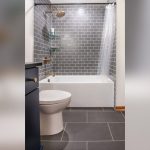
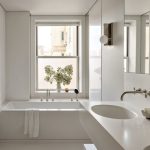
Your bathroom ceiling might be one of the most overlooked areas when it comes to design—but it shouldn’t be. Imagine stepping into your bathroom and looking up to see a ceiling that not only complements your style but also withstands moisture and keeps your space fresh.
Whether you want something sleek and modern or warm and inviting, the right bathroom ceiling design can transform your entire experience. You’ll discover simple yet effective ideas and materials that will help you choose the perfect ceiling for your bathroom.
Ready to elevate your bathroom’s style and functionality? Let’s dive in.

Credit: www.lorddecor.com
Materials For Bathroom Ceilings
Choosing the right materials for bathroom ceilings is key to durability and style. Bathrooms have high moisture levels. This can cause damage to unsuitable ceiling materials. Selecting moisture-resistant and easy-to-clean options helps maintain the ceiling’s look and function. Here are some popular materials that work well in bathrooms.
Pvc Panels
PVC panels resist water and humidity. They are lightweight and easy to install. These panels come in many colors and patterns. PVC does not warp or peel. It also prevents mold growth. Cleaning PVC panels is simple with a damp cloth.
Acrylic Ceilings
Acrylic ceilings offer a smooth, glossy finish. They reflect light well, brightening the bathroom. Acrylic is water-resistant and durable. It resists stains and is easy to maintain. These ceilings add a modern look to any bathroom.
Fiberglass Options
Fiberglass is strong and moisture-resistant. It does not absorb water, avoiding damage. Fiberglass ceilings can be painted or textured. They are lightweight and easy to cut. This material suits bathrooms with high humidity.
Water-resistant Drywall
Water-resistant drywall, also called green board, is made for damp areas. It has a special coating to block moisture. This drywall is affordable and easy to work with. It provides a smooth surface ready for paint or tile. Use it to avoid mold and mildew problems.
Metal Tiles
Metal tiles add a unique look to bathroom ceilings. Aluminum and stainless steel resist rust and moisture. These tiles are durable and easy to clean. Metal ceilings reflect light and create a spacious feel. They fit well in modern or industrial bathroom styles.
:max_bytes(150000):strip_icc()/KMIOct2021_057-ff656f9505734d6b816600675a1b29fa.jpg)
Credit: www.thespruce.com
Moisture And Mold Resistance
Bathrooms face high moisture levels daily. This makes choosing the right ceiling design crucial. Moisture can damage ceilings and cause mold growth. Mold harms health and ruins bathroom appearance. A ceiling must resist moisture and prevent mold buildup.
Importance Of Moisture Resistance
Moisture resistance protects the ceiling from water damage. It keeps the ceiling strong and durable over time. Moisture-resistant materials prevent peeling and swelling. They stop stains caused by water accumulation. This makes cleaning easier and maintains the bathroom’s look.
Proper moisture resistance also reduces repair costs. It avoids frequent ceiling replacements. It ensures the bathroom remains safe and healthy. Good moisture resistance helps maintain indoor air quality.
Mold Prevention Tips
Choose ceiling materials made for humid areas. Vinyl, PVC, and moisture-resistant drywall work well. Paint with mold-resistant coatings to add protection. Ensure proper bathroom ventilation to remove excess moisture. Use exhaust fans or open windows during showers.
Fix leaks promptly to stop mold growth. Clean ceilings regularly with mild cleaners to remove mold spores. Avoid installing carpets or fabrics near the ceiling. Keep humidity levels below 60% to reduce mold risk.
Ceiling Styles To Elevate Your Bathroom
Bathroom ceilings offer a unique chance to enhance your space. Choosing the right ceiling style can transform the bathroom’s mood and appearance. A well-designed ceiling adds depth and character to even small bathrooms. Explore various styles that suit different tastes and budgets.
Coffered Ceilings
Coffered ceilings feature sunken panels arranged in a grid pattern. This design adds a classic, elegant touch to any bathroom. It creates a sense of height and luxury without overwhelming the space. Wooden or painted coffers work well in both traditional and modern bathrooms.
Stretch Ceilings
Stretch ceilings use a flexible PVC film stretched across a frame. This style offers a smooth, reflective surface that brightens the room. It is moisture-resistant, making it ideal for humid bathrooms. You can choose from various colors and prints to customize your ceiling.
False Ceiling Designs
False ceilings hide wiring and pipes while adding style. They allow the installation of recessed lighting, improving bathroom ambiance. Materials like gypsum board or PVC make false ceilings durable and water-resistant. These ceilings can be simple or layered for a dramatic look.
Decorative Ceiling Tiles
Decorative ceiling tiles come in various patterns and textures. They add visual interest and a vintage charm to bathroom ceilings. Tiles are easy to install and maintain, suitable for DIY projects. Choose moisture-resistant tiles to ensure longevity in wet areas.
Lighting And Ventilation Ideas
Lighting and ventilation play a vital role in bathroom ceiling design. Good lighting improves visibility and mood. Proper ventilation prevents moisture build-up and mold. Combining these elements creates a healthy and pleasant bathroom atmosphere.
Integrated Lighting Options
Recessed lights offer a clean and modern look. They fit flush with the ceiling and spread light evenly. LED strip lights around the ceiling edges add soft, indirect lighting. Skylights bring natural light into the bathroom. Wall-mounted sconces near mirrors improve task lighting. Choose waterproof fixtures to ensure safety and durability.
Ventilation Solutions
Exhaust fans remove excess moisture quickly. Install fans with quiet operation for comfort. Ceiling vents help circulate fresh air effectively. Consider humidity-sensing fans that turn on automatically. Adding windows allows natural airflow and light. Proper ventilation reduces mold and keeps the space fresh.
Color And Finish Choices
Choosing the right color and finish for your bathroom ceiling shapes the room’s look and feel. Colors influence mood and brightness. Finishes affect durability and moisture resistance. Together, they create a balanced, stylish space. Bathroom ceilings need special care due to humidity. Select colors and finishes that hold up well. This ensures your ceiling stays beautiful longer.
Paint Finishes For Bathrooms
Bathrooms need paint that handles moisture well. Satin and semi-gloss finishes work best. They resist water and clean easily. Flat paint hides ceiling imperfections but may not last as long. Semi-gloss reflects light, making space feel bigger. Satin offers a soft shine and good durability. Use mildew-resistant paint to prevent mold growth. This keeps your bathroom ceiling fresh and safe.
Using Color To Enhance Space
Light colors open up small bathrooms. White, pale blue, or soft gray brighten the ceiling. These shades make the room feel taller and airier. Dark colors add drama but can shrink space visually. Use them in large bathrooms for a cozy vibe. Pastels give a calm, relaxing atmosphere. Choose colors that match your bathroom style and lighting. The right color lifts the ceiling and improves the whole room’s mood.
Diy Vs Professional Installation
Choosing between DIY and professional installation for your bathroom ceiling design depends on several factors. Both options offer unique benefits and challenges. Understanding when to take on the project yourself and when to call experts can save time and money. It also ensures your bathroom ceiling looks great and lasts long.
When To Diy
DIY suits small projects with simple designs. Basic paint jobs or installing ready-made panels can be done by most homeowners. You need some tools and patience. It saves money and adds personal satisfaction. DIY is good if you have time and want a custom touch.
Simple repairs or updates like fixing cracks or adding moisture-resistant paint also fit DIY. Avoid complex tasks like electrical work or heavy structural changes. Always check if you have the right skills before starting.
Hiring Experts
Professional installers handle complex bathroom ceiling designs. They bring experience, tools, and skills needed for tricky jobs. Experts ensure proper moisture protection and ventilation. They reduce risks of damage or future repairs.
Hiring pros is best for costly materials or custom designs. They can finish the job faster and cleaner. Professionals also follow building codes and safety rules. This guarantees your bathroom ceiling is safe and durable.

Credit: www.decorpad.com
Frequently Asked Questions
What Type Of Ceiling Is Best For A Bathroom?
The best bathroom ceilings use moisture-resistant materials like PVC, acrylic, fiberglass, or greenboard drywall. These prevent mold, resist warping, and handle steam well. Choose high-quality, water-resistant paint for drywall to enhance durability and maintain a fresh look.
What Is The Best Moisture-resistant Ceiling For A Bathroom?
The best moisture-resistant bathroom ceiling materials include PVC panels, acrylic, fiberglass, and moisture-resistant drywall with water-resistant paint. These options resist mold, mildew, and warping while offering durability and easy maintenance in humid bathroom environments.
How Do You Design A Bathroom Ceiling?
Design a bathroom ceiling using moisture-resistant materials like PVC, acrylic, or fiberglass panels. Choose durable, easy-to-clean options. Add moisture-resistant drywall with water-resistant paint for a classic look. Ensure proper ventilation to prevent mold and maintain ceiling integrity. Keep designs simple and functional.
What To Cover A Bathroom Ceiling With?
Cover bathroom ceilings with moisture-resistant materials like PVC panels, acrylic, fiberglass, or greenboard drywall painted with water-resistant paint. These options prevent mold, warping, and damage from humidity while ensuring durability and easy maintenance. Choose based on style and moisture levels for a lasting finish.
Conclusion
A well-designed bathroom ceiling improves both style and function. Choose moisture-resistant materials to prevent damage and mold. Simple designs can make small spaces feel larger and brighter. Adding texture or lighting creates a unique atmosphere. Keep maintenance easy with durable, water-friendly finishes.
A thoughtful ceiling design completes your bathroom’s look. It’s a small change with a big impact on comfort and beauty.