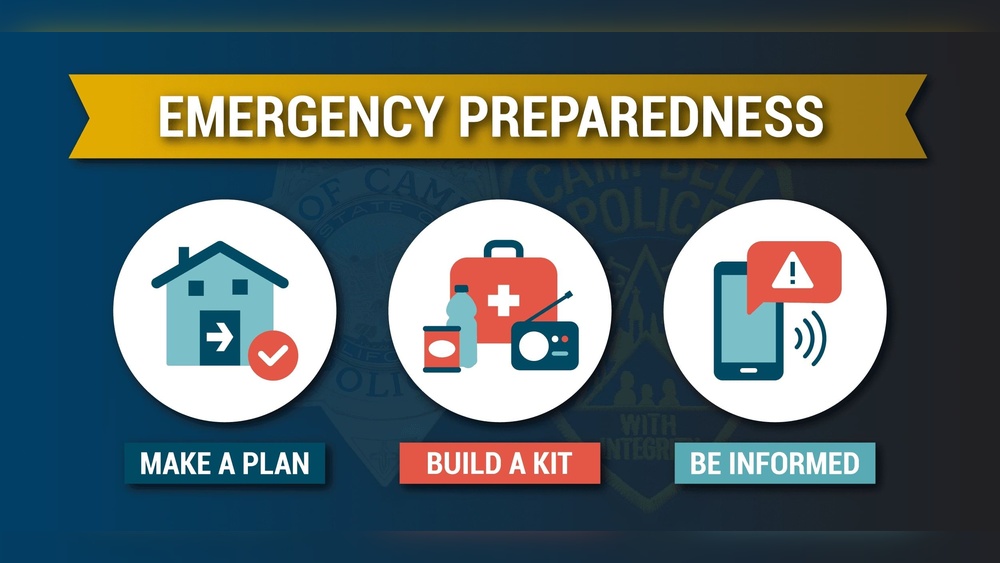

Are you truly prepared for an emergency? Whether it’s a sudden storm, a power outage, or an unexpected evacuation, having a solid Emergency Preparedness Plan can make all the difference for you and your loved ones.
Imagine knowing exactly what to do, where to go, and what to have on hand — reducing panic and keeping everyone safe. You’ll discover simple yet powerful steps to create your personalized emergency plan, build a reliable disaster kit, and ensure you’re ready for any situation.
Don’t wait for the unexpected to catch you off guard. Let’s get your emergency preparedness plan in place today.
Family Communication Plan
Creating a Family Communication Plan is vital for emergency preparedness. This plan helps family members stay connected during a crisis. It reduces confusion and fear. Every family member should know how to contact each other quickly and safely. A clear communication plan keeps everyone informed and calm.
Contact Methods
List all possible ways to reach each other. Include phone numbers, email addresses, and social media accounts. Use text messages as they often work when calls fail. Consider a group chat for quick updates. Teach children how to use these methods clearly.
Reunion Locations
Choose safe places to meet after an emergency. Pick one close to home and another outside your neighborhood. These spots should be easy to find and open at all times. Make sure all family members know these locations well. Practice going there as part of your plan.
Emergency Alerts
Sign up for local emergency alerts. Use apps and websites that send real-time warnings. Teach family members to listen to weather radios or local news. This information helps you act fast and stay safe. Knowing what is happening is key to effective response.
Evacuation Strategies
Evacuation strategies form the backbone of any strong emergency preparedness plan. They guide people safely out of danger zones and toward secure locations. Clear, simple plans reduce panic and confusion during emergencies. Everyone should know their role and the steps to follow. This section explains key elements of effective evacuation strategies.
Escape Routes
Escape routes are paths leading away from danger. They must be easy to find and use. Mark routes with clear signs and keep them free of obstacles. Plan multiple routes to avoid blockages. Practice these routes often with your family or team. Knowing escape routes saves lives in emergencies.
Safe Zones
Safe zones are designated places to gather during or after evacuation. They provide shelter and protection from hazards. Choose locations that are accessible and away from danger. Communicate these zones to everyone involved. Make sure safe zones have necessary supplies and first aid kits. Safe zones keep people secure and calm.
Transportation Options
Transportation options ensure people can leave quickly and safely. Identify available vehicles like cars, buses, or bikes. Plan for people without personal transport. Coordinate with neighbors or local services for help. Keep vehicles fueled and ready. Consider the needs of elderly or disabled persons. Efficient transportation moves people out of harm’s way fast.
Disaster Kit Essentials
A well-prepared disaster kit is vital for safety during emergencies. It ensures you have essential items to survive and stay comfortable. Building this kit carefully can make a big difference in a crisis.
Water And Food Supplies
Water is the most important item in any disaster kit. Store at least one gallon per person daily for three days. Pack non-perishable foods like canned goods, dried beans, and rice. Choose foods that need little or no cooking. Include snacks with high energy, such as nuts and granola bars. Remember to have a manual can opener and extra pet food if you have pets.
Lighting And Power
Power outages are common during disasters. Include flashlights with extra batteries in your kit. Battery-powered lanterns provide good lighting for larger areas. Consider solar-powered chargers for phones and small devices. Avoid candles to reduce fire risk. Keep your devices charged and have backup power options ready.
First Aid Materials
A first aid kit is essential to treat minor injuries. Include bandages, antiseptic wipes, and adhesive tape. Pack pain relievers, tweezers, and scissors. Add any personal medications and allergy treatments. Learn basic first aid skills to use these materials effectively.
Personal Hygiene Items
Maintaining hygiene helps prevent illness during disasters. Pack soap, hand sanitizer, and wet wipes. Include toothbrushes, toothpaste, and feminine hygiene products. Have toilet paper and plastic bags for waste disposal. Keep these items in waterproof containers to stay dry.
Special Needs Preparation
Preparing for emergencies requires special attention to unique needs. Planning ahead ensures safety and comfort for everyone involved. This includes pets, medications, and disabilities. Each element needs clear strategies to handle emergencies smoothly.
Pet Care Plans
Pets depend on you during emergencies. Prepare a kit with food, water, and medications for your pet. Include a leash, carrier, and vaccination records. Know pet-friendly shelters or hotels nearby. Practice evacuation drills with your pet to reduce stress.
Medication Management
Keep an updated list of all medications. Store enough supplies for several days or weeks. Use a waterproof container for pills and prescriptions. Share this list with family or caregivers. Know how to get refills quickly if needed.
Support For Disabilities
Identify specific needs related to disabilities. Include assistive devices like wheelchairs or hearing aids in your plan. Prepare extra batteries and chargers. Make sure emergency contacts understand these needs. Arrange for help during power outages or evacuations.
Power Backup Solutions
Power backup solutions are vital in emergency preparedness plans. They ensure continuous electricity during outages. Power backup supports essential devices and keeps homes safe. Planning for power loss helps reduce stress and danger. Choosing the right backup option depends on needs and budget.
Medical Device Power
Many people depend on medical devices that need constant power. Backup power keeps devices like oxygen machines running. Batteries may only last a few hours. Generators or uninterrupted power supplies (UPS) provide longer backup. Always test backup power for these devices regularly.
Charging Options
Keeping phones and small devices charged is crucial during emergencies. Portable power banks offer a simple charging solution. Solar chargers provide a renewable way to recharge devices. Car chargers can be useful if the vehicle has fuel. Multiple charging options increase readiness and security.
Alternative Energy Sources
Alternative energy sources reduce reliance on the grid. Solar panels capture sunlight to generate electricity. Wind turbines can produce power in windy areas. Small generators run on gas or propane for quick power. Using alternative sources helps maintain power longer during disasters.
.png)
Credit: myusf.usfca.edu
Risk-specific Planning
Risk-specific planning targets the dangers unique to your area or situation. This type of planning helps prepare for distinct emergencies. It reduces confusion during a crisis and increases safety. Each risk demands tailored steps to manage and lessen harm. Below are key areas to focus on for effective risk-specific plans.
Fire Safety Measures
Identify fire hazards in your home or workplace. Install smoke detectors on every floor and near sleeping areas. Test alarms monthly and replace batteries yearly. Keep fire extinguishers accessible and learn how to use them. Create a clear escape route for all family members. Practice fire drills regularly to build confidence and speed.
Flood And Storm Precautions
Know if your area is prone to floods or storms. Elevate important items above possible flood levels. Secure outdoor furniture and loose objects during storms. Have sandbags ready to block water entry points. Keep a weather radio to monitor alerts and updates. Prepare an emergency kit with water, food, and essential supplies.
Evacuation For Other Emergencies
Plan evacuation routes for earthquakes, chemical spills, or other threats. Choose safe meeting points outside the danger zone. Pack a grab-and-go bag with important documents and necessities. Inform all family members about the plan and practice it often. Stay calm and follow official instructions during evacuation. Keep emergency contacts handy at all times.
Information Gathering
Gathering accurate information is the first step in creating an effective emergency preparedness plan. It helps you understand potential risks and how to respond. Staying informed ensures safety for you and your family during crises. Use trusted sources and local updates to build a solid plan.
Reliable News Sources
Choose news outlets known for accurate reporting. National and local news channels provide timely updates. Avoid rumors and unverified social media posts. Trust official statements to get the facts straight. Reliable news keeps you aware of emergencies as they develop.
Local Emergency Services
Know your area’s emergency contacts and services. Police, fire departments, and medical facilities are key resources. Save their phone numbers and addresses. They offer guidance during floods, fires, or other disasters. Connecting with them early can speed up help when needed.
Weather And Hazard Updates
Monitor weather alerts from trusted agencies like the National Weather Service. Understand local hazards such as floods, storms, or earthquakes. Sign up for emergency alerts on your phone. Being aware helps you prepare and react quickly to changing conditions.
Credit: www.snohd.org
Plan Maintenance
Maintaining your emergency preparedness plan keeps your family safe and ready. A plan is not a one-time task. It needs regular attention to stay useful and effective. Checking and updating your plan helps avoid surprises during an emergency.
Regular Updates
Review your emergency plan every few months. Update contact numbers and meeting places as needed. Include new family members or pets in your plan. Remove outdated information to keep the plan clear. Regular updates make sure everyone knows what to do.
Family Drills
Practice your emergency plan with family drills. Run through different scenarios like fire or flood. Drills help family members learn their roles. They reduce fear and confusion during real emergencies. Schedule drills at least twice a year for best results.
Supply Checks
Check your emergency supplies regularly. Look for expired food, water, and medicines. Replace items that are damaged or missing. Keep your supplies organized and easy to reach. Proper supply checks ensure you have what you need at all times.

Credit: venngage.com
Frequently Asked Questions
What Are The 5 Phases Of Emergency Preparedness?
The five phases of emergency preparedness are mitigation, preparedness, response, recovery, and prevention. Each phase helps reduce risks and manage disaster impacts effectively.
What Are Emergency Preparedness Plans?
Emergency preparedness plans outline steps to handle disasters, ensuring safety, communication, evacuation routes, and essential supplies for survival.
What Are The 5 P’s Of Preparedness?
The 5 P’s of preparedness are: Proper Planning, Prior Preparation, Preventive Measures, Personal Protection, and Prompt Response.
What To Stockpile For 72 Hours?
Stockpile water (one gallon per person daily), non-perishable food, first aid kit, flashlight, batteries, medications, hygiene items, and important documents. Include pet supplies and a portable phone charger.
Conclusion
Emergency preparedness plans save lives and reduce risks during crises. Creating a simple plan helps your family act quickly. Keep essential supplies ready and know your emergency contacts. Practice your plan often to stay confident and calm. Being prepared means facing disasters with strength and care.
Start today to protect what matters most to you.


