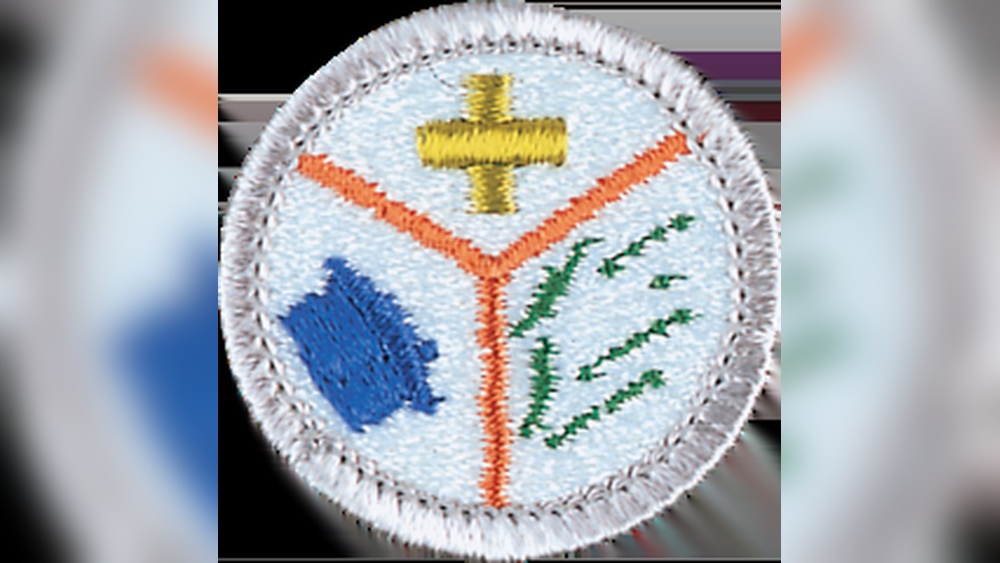

Are you ready to take control when unexpected emergencies strike? The Emergency Preparedness Merit Badge is your chance to learn essential skills that can protect you, your family, and your community.
Imagine knowing exactly what to do before, during, and after a disaster—giving you confidence and peace of mind. You’ll discover what it takes to earn this important badge, how to build a reliable emergency kit, and why being prepared isn’t just smart—it could save lives.
Keep reading to unlock the knowledge that turns uncertainty into action.
Credit: scoutingevent.com
Merit Badge Basics
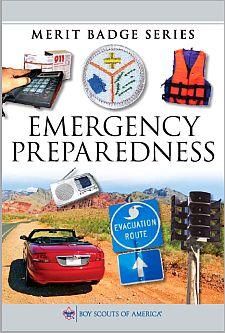
The Emergency Preparedness Merit Badge teaches Scouts how to stay safe during emergencies. It covers planning, safety skills, and helping others. Scouts learn practical steps to prepare for natural disasters and accidents. This badge builds confidence and responsibility. It is a valuable skill set for everyday life.
Understanding the basics of this merit badge helps Scouts focus on the right tasks. It ensures they meet all requirements and gain useful knowledge. Below are key details about the badge requirements, earning steps, and Scout responsibilities.
Badge Requirements
Scouts must complete several tasks to earn this badge. They need to discuss emergency plans for home, school, and community. Scouts should create a personal and family emergency kit. They also learn about local emergency services and how to contact them. The badge requires practicing safety skills and helping others in emergencies. Each requirement focuses on real-life preparedness and practical action.
Earning Steps
First, Scouts learn about different types of emergencies and risks. Next, they plan how to respond to these situations safely. Scouts build or inspect an emergency supply kit. They then discuss their plans with a counselor or leader. Scouts demonstrate their knowledge by explaining emergency steps. Finally, they practice skills like first aid and communication. These steps help Scouts gain confidence and readiness.
Scout Responsibilities
Scouts must take their learning seriously and complete each task carefully. They should ask questions to fully understand emergency procedures. Scouts must keep their emergency kits updated and ready. They should share their knowledge with family and friends. Scouts also need to practice safety drills regularly. Taking responsibility ensures they are prepared to help themselves and others.
Credit: usscouts.org
Emergency Types
Understanding different types of emergencies is crucial for earning the Emergency Preparedness Merit Badge. Emergencies come in many forms. Knowing these types helps Scouts prepare better. Preparation means safety for yourself and others.
Natural Disasters
Natural disasters happen without warning. Examples include earthquakes, floods, hurricanes, and tornadoes. These events can cause great damage. Scouts learn how to stay safe during each type. They also learn to create emergency plans and kits.
Man-made Emergencies
Man-made emergencies result from human actions. These include fires, chemical spills, and power outages. Some emergencies happen on purpose, like acts of violence. Scouts study how to react calmly and follow safety rules. They also learn to help others during these events.
Community Risks
Every community faces unique risks. These risks depend on location and local industries. For example, some areas have risks of floods or wildfires. Others may have factories with hazardous materials. Scouts identify local risks and plan accordingly. Knowing community risks improves overall readiness.
Preparedness Planning
Preparedness planning forms the core of the Emergency Preparedness Merit Badge. It teaches Scouts to think ahead and organize their actions before any emergency occurs. Proper planning reduces confusion and increases safety during crises. Scouts learn to work with their family and community to build strong preparedness habits.
Creating A Family Plan
Every family needs a clear plan for emergencies. Start by discussing different types of disasters that might happen. Decide where to meet if you get separated. Assign roles to each family member. Practice the plan regularly to build confidence. A good family plan helps everyone stay calm and safe.
Communication Strategies
Effective communication is vital during emergencies. Choose reliable ways to contact each other. Include phone calls, texts, and social media. Have a list of important phone numbers written down. Agree on signals or words to use in emergencies. Clear communication reduces panic and speeds up help.
Evacuation Routes
Know all possible ways to leave your home quickly. Identify several routes in case one is blocked. Mark safe places to stop along the way. Practice walking or driving these routes with your family. Keep your car’s gas tank full. Planning evacuation routes saves valuable time in a crisis.
Disaster Supplies
Disaster supplies are vital for staying safe during emergencies. Having the right items ready helps you manage unexpected situations calmly. Preparing these supplies teaches valuable skills for the Emergency Preparedness Merit Badge.
Knowing what to include in a disaster kit can make a big difference. It ensures you have food, water, and tools when help might not arrive quickly. Scouts learn how to plan and gather these essentials carefully.
Building A Disaster Kit
Start by choosing a durable container to hold your supplies. A backpack or plastic bin works well. Pack items that cover basic needs like food, water, and first aid. Include a flashlight, batteries, and a whistle for signaling. Think about your family’s specific needs, such as medications or baby supplies. Keep everything organized and easy to carry.
Essential Supplies
Water is the most important item; store at least one gallon per person per day. Pack non-perishable foods like canned goods and energy bars. A manual can opener is necessary for canned food. Include a first aid kit with bandages, antiseptics, and any personal medicines. Don’t forget tools like a multi-tool, matches in a waterproof container, and a radio. Warm clothing and blankets can protect against cold weather.
Maintenance Tips
Check your disaster kit every six months. Replace expired food and batteries promptly. Update medicines and personal items as needed. Keep your kit in a cool, dry place accessible to all family members. Practice using your supplies so everyone knows how to operate them. Regular maintenance ensures your kit stays ready for any emergency.
Safety Skills
Safety skills form the foundation of the Emergency Preparedness Merit Badge. Scouts gain essential knowledge to protect themselves and others during emergencies. These skills cover basic first aid, fire safety measures, and CPR techniques. Each skill is practical and can save lives in critical moments.
First Aid Basics
First aid teaches Scouts how to treat minor injuries immediately. Scouts learn how to clean wounds, stop bleeding, and handle burns. Understanding how to recognize shock and fractures is vital. These skills reduce the risk of complications before professional help arrives.
Fire Safety
Fire safety prepares Scouts to prevent and respond to fires. Scouts learn how to use a fire extinguisher correctly. Knowing escape routes and meeting points during a fire keeps everyone safe. Awareness of fire hazards at home and outdoors is also emphasized.
Cpr Essentials
CPR training enables Scouts to assist someone whose heart has stopped. Scouts practice chest compressions and rescue breaths in controlled settings. These actions maintain blood flow until medical help arrives. Quick CPR can increase survival chances in emergencies.
Community Resources
Community resources play a vital role in emergency preparedness. They offer support, information, and help during crises. Scouts earn the Emergency Preparedness Merit Badge by learning about these resources. Understanding local agencies and services strengthens readiness. It also builds connections that can save lives in emergencies.
Emergency Management Agencies
Emergency management agencies plan and coordinate local disaster response. They create safety plans and run drills. These agencies work with police, fire departments, and hospitals. Knowing your community’s emergency management agency helps you follow official guidance. Scouts can contact them to learn about local risks and safety tips.
Local Support Services
Local support services include shelters, food banks, and medical clinics. They provide aid during and after emergencies. These services assist families with basic needs and recovery. Scouts should identify nearby support centers and understand their roles. This knowledge helps Scouts guide others to proper help when needed.
Volunteer Opportunities
Volunteering boosts community resilience and personal skills. Many organizations seek volunteers for disaster preparedness and response. Scouts can join groups like the Red Cross or local emergency teams. Volunteering teaches teamwork, first aid, and communication. It also offers a chance to practice learned emergency skills in real settings.
Response Actions
Response actions are crucial during any emergency situation. Knowing how to act quickly and correctly can save lives and reduce harm. Scouts earning the Emergency Preparedness Merit Badge learn essential skills to stay safe and help others. These actions focus on staying calm, finding shelter, and assisting those in need. The following sections explain important steps to take during an emergency.
During An Emergency
Stay calm and think clearly. Assess your surroundings to identify any dangers. Follow your family or group’s emergency plan. Listen to official instructions from authorities. Use a whistle or signal to alert others if needed. Avoid unnecessary risks or hazards. Move to a safe location if your current place is unsafe. Keep important items like your emergency kit nearby. Conserve phone battery and use calls only for urgent needs.
Sheltering Techniques
Find a safe place to protect yourself from harm. This could be a basement, interior room, or designated shelter. Close doors and windows to keep out smoke or debris. Use blankets or clothing to cover vents if needed. Stay low to avoid smoke during fires. Keep your emergency supplies, such as water and food, close. Maintain communication with family or rescue teams. Remain in shelter until authorities say it is safe to leave.
Helping Others
Check if anyone nearby needs help. Offer assistance without putting yourself at risk. Provide first aid for minor injuries if trained. Share water, food, or blankets with others. Stay with those who are scared or confused. Help direct people to safe areas if you know the way. Notify emergency responders about anyone needing urgent care. Encourage everyone to stay calm and follow safety instructions.
Recovery Steps
Recovery steps are critical after any emergency. They help restore normal life and reduce future risks. Scouts learn how to handle cleanup, emotional healing, and rebuilding safely. Each step requires care and planning to ensure full recovery.
Post-emergency Cleanup
Start cleanup only when authorities say it is safe. Remove debris carefully to avoid injury. Use gloves and masks to protect yourself from dust and germs. Check for mold and water damage inside buildings. Dispose of damaged items properly. Clean surfaces with disinfectants to prevent illness.
Emotional Support
Emergencies affect feelings deeply. Talk about your experience with friends or family. Listen to others and share your thoughts calmly. Help younger Scouts express their fears and questions. Seek help from counselors or community support groups if needed. Emotional care is as important as physical recovery.
Rebuilding And Prevention
Plan rebuilding with safety in mind. Use strong materials and follow local building codes. Fix hazards like loose wires or broken structures quickly. Learn ways to prevent future emergencies, such as installing smoke detectors. Preparing for the next event reduces risk and improves safety.
Merit Badge Projects
The Emergency Preparedness Merit Badge involves practical projects that teach Scouts how to act during emergencies. These projects build skills in planning, safety, and community service. Scouts learn through active participation, gaining confidence and knowledge to handle real-life situations.
Service Activities
Service activities are key parts of the badge. Scouts may help organize community safety events or assist local emergency groups. Volunteering at shelters or preparing disaster kits also counts. These activities show Scouts how to support others in times of need.
Hands-on Training
Hands-on training teaches Scouts how to respond to emergencies. They practice first aid, fire safety, and evacuation drills. Learning these skills by doing helps Scouts remember them better. It also prepares them to stay calm and act quickly.
Documentation And Reporting
Scouts keep records of their training and service work. Writing reports about their activities helps Scouts reflect on what they learned. Proper documentation is important in real emergencies to share information clearly and quickly. This skill adds to their preparedness and responsibility.

Credit: www.scoutshop.org
Frequently Asked Questions
What Is The Emergency Preparedness Merit Badge?
The Emergency Preparedness Merit Badge teaches Scouts how to plan for and respond to emergencies. It covers preparing disaster kits, understanding emergency plans, and helping communities. Earning it builds skills for safety before, during, and after disasters.
How Do Scouts Prepare A Family Disaster Kit?
Scouts use a checklist to gather essentials like water, food, and first aid supplies. The kit should support all family members for at least three days. This preparation ensures readiness for sheltering during emergencies.
Who Is The Community Emergency Management Director?
This person coordinates local emergency plans and responses. Scouts learn their role to understand how communities prepare, protect, and recover from disasters. It highlights the importance of local leadership in emergencies.
Why Is Planning Important For Emergency Preparedness?
Planning helps identify risks and necessary resources. It ensures quick, organized actions during unexpected events. Scouts develop critical thinking and leadership skills by creating emergency plans.
Conclusion
Earning the Emergency Preparedness Merit Badge builds vital life skills. Scouts learn how to stay safe during disasters. They prepare kits and create plans for emergencies. Understanding local emergency services helps Scouts act wisely. This badge teaches responsibility and readiness for any situation.
Every Scout gains confidence to protect themselves and others. Being prepared can save lives and reduce panic. The knowledge gained benefits Scouts throughout their lives. Start practicing these skills today for a safer tomorrow.