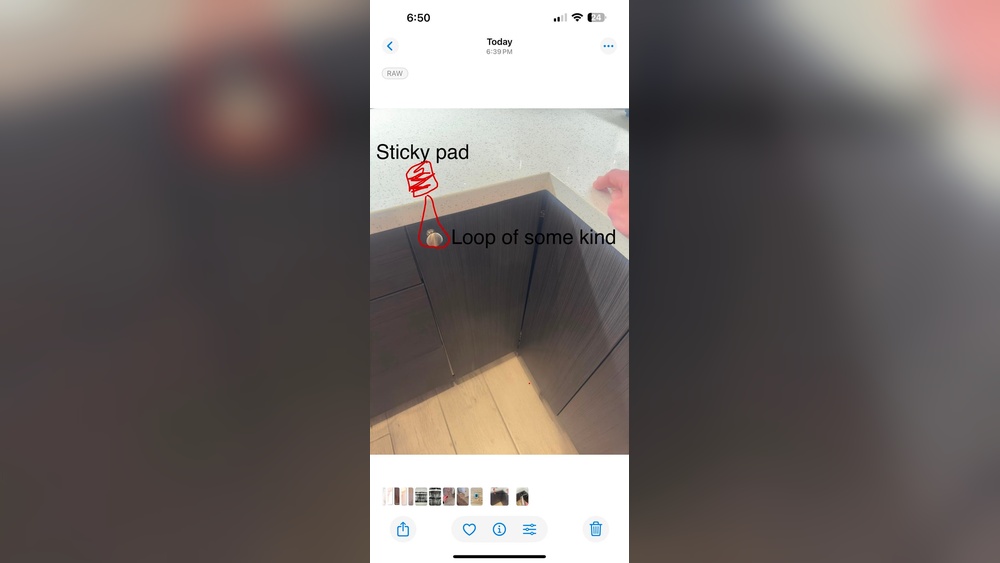

When it comes to keeping your little one safe at home, sharp corners can be a hidden hazard you might overlook. You want your child to explore freely, but those edges on tables, countertops, and furniture can pose a real risk of bumps and bruises.
What if you could turn those dangerous corners into safe zones without sacrificing style or convenience? You’ll discover simple, effective child proof ideas for corners that you can easily apply in your home. Whether you prefer DIY solutions or ready-made protectors, these tips will give you peace of mind and keep your child safe as they grow and play.
Keep reading to learn how to create a safer environment that protects your child’s curious spirit and your peace of mind.
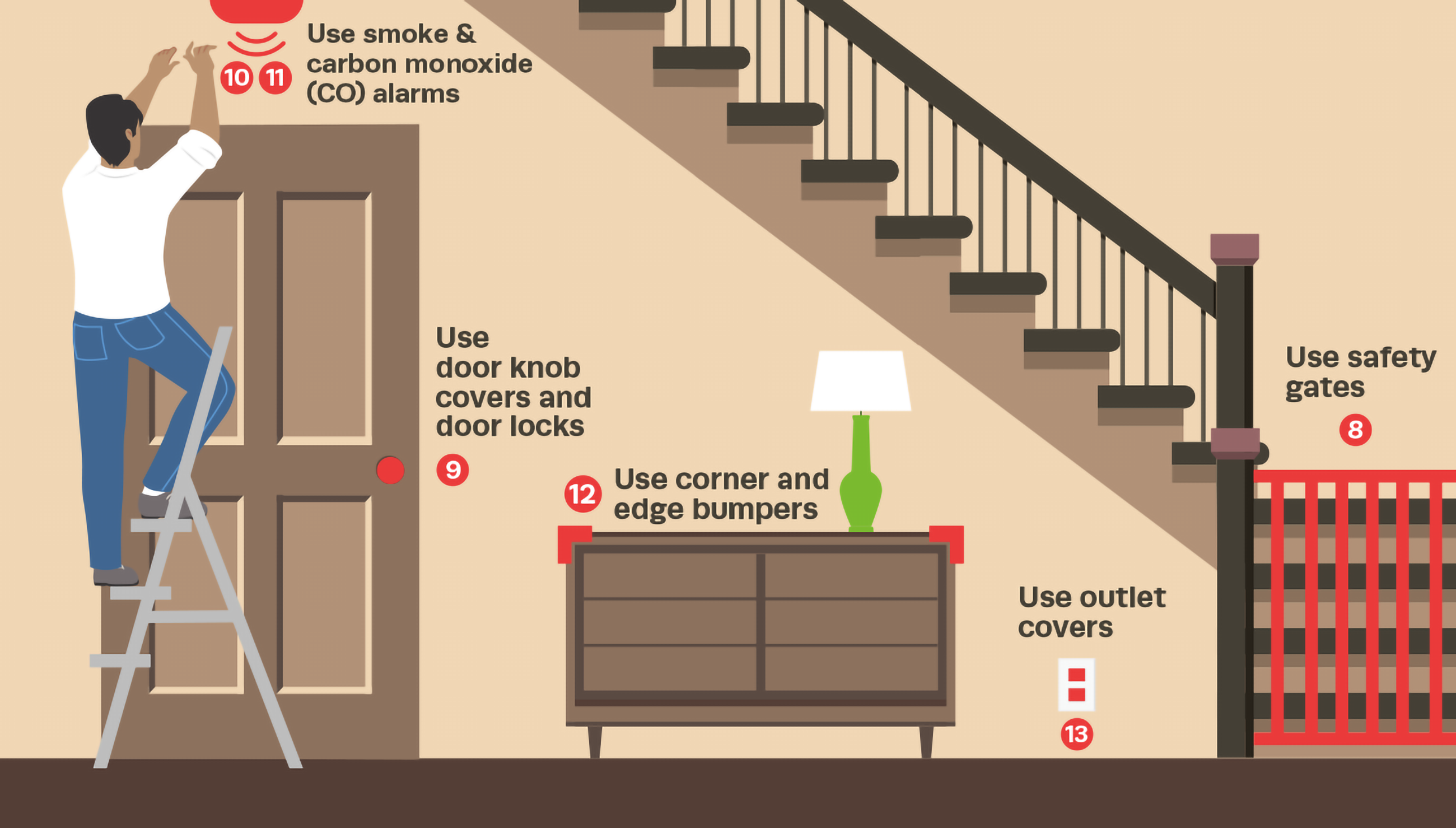
Credit: www.cpsc.gov
Corner Hazards In Homes
Sharp corners in homes pose hidden dangers for young children. These edges can cause bruises, cuts, or worse injuries. Parents and caregivers must recognize these risks to create safer spaces. Identifying common hazard points helps in planning effective child proofing strategies.
Common Injury Spots
Living rooms often have tables with sharp corners. Kitchen counters and cabinets also present risks. Fireplace hearths and shelves can be dangerous. Staircase railings and ledges add to potential hazards. Many furniture pieces have hard edges children can bump into.
Risks For Toddlers And Babies
Toddlers are curious and quick movers. They often fall or trip near sharp corners. Babies learning to crawl or walk face risks of head injuries. Their soft skulls are vulnerable to bumps and bruises. Without protection, corners can cause pain and fear in children.
Types Of Corner Protectors
Corner protectors come in different types to keep children safe. Each type suits various furniture and needs. Choosing the right protector can prevent injuries from sharp edges. Understanding the options helps in making the best choice for your home.
Here are some common types of corner protectors used for childproofing.
Foam Guards
Foam guards are soft and lightweight. They absorb impact well to reduce injury risk. These guards are easy to cut and fit on corners. Many parents like foam for its gentle cushion and easy installation. They work well on tables and counters with sharp edges.
Rubber Cushions
Rubber cushions offer firm yet flexible protection. They stick firmly to corners and stay in place. Rubber is durable and resists wear and tear. These cushions help soften hard edges without changing furniture look. They are great for high-traffic areas in the home.
Silicone Covers
Silicone covers are soft and stretchy. They wrap around corners completely for full protection. Silicone is easy to clean and safe for babies to touch. These covers come in different sizes for various furniture types. They provide a secure fit and long-lasting safety.
Clear Vs Colored Options
Clear protectors blend with furniture and stay less visible. They suit homes where style matters. Colored options add a fun look and can match room decor. Bright colors also help children see the protected edges clearly. Both types offer the same safety benefits.
Diy Corner Proofing Ideas
DIY corner proofing ideas help protect toddlers from sharp edges at home. These simple projects use common materials to soften corners. They offer an affordable way to keep children safe.
Many parents prefer DIY options for quick and easy corner protection. These solutions fit different furniture styles and budgets. They also allow for creative and customized safety measures.
Using Soft Materials
Soft materials like foam, felt, or fabric reduce corner hardness. Foam sheets can be cut to size and glued on sharp edges. Felt strips wrapped around corners provide gentle cushioning. Use double-sided tape for easy attachment. Soft materials absorb impact and prevent injuries effectively.
Creative Cushioning Techniques
Use pool noodles cut into small sections as corner guards. Cover them with colorful fabric or duct tape for a fun look. Apply silicone or rubber bumpers for invisible protection. Wrap corners with bubble wrap secured by tape for a temporary cushion. These ideas add safety and style to your home.
Temporary Vs Permanent Solutions
Temporary solutions like tape-on foam protectors are easy to remove. They work well for renters or short-term needs. Permanent options involve attaching cushions with screws or strong glue. These last longer and offer stronger protection. Choose based on your home situation and how long you need safety.
Installation Tips
Installing corner protectors correctly keeps your child safe and prevents accidents. Proper installation ensures the guards stay in place through daily bumps and touches. Follow these simple tips to install corner protectors securely and effectively.
Choosing The Right Adhesive
Use strong adhesives designed for child safety products. Double-sided foam tape or heavy-duty adhesive strips work well. Avoid weak glues that dry fast but do not hold firmly. Check if the adhesive is safe for furniture surfaces. Some adhesives may damage paint or wood finishes.
Cleaning Surfaces
Clean corners thoroughly before attaching protectors. Remove dust, dirt, and grease with rubbing alcohol or mild soap. Dry the area completely to help the adhesive stick better. Clean surfaces improve the bond and prevent protectors from falling off. Avoid using oily cleaners that can leave residue behind.
Ensuring Secure Attachment
Press the protector firmly against the corner for at least 30 seconds. Hold it steady without sliding to let the adhesive set. Check edges to make sure they stick without gaps. Let the adhesive cure for a few hours before letting children play nearby. Recheck protectors regularly and replace if they loosen.
Best Places To Use Corner Guards
Corner guards protect children from sharp edges at home. They reduce injuries by softening hard corners. Using corner guards is a simple way to childproof many areas. Some spots need corner guards more than others due to frequent child activity. This section highlights the best places to install corner guards for safety and peace of mind.
Furniture Edges
Tables, desks, and cabinets often have sharp corners. These edges can cause cuts or bruises if a child bumps into them. Placing corner guards on furniture edges makes these areas safer. Soft guards absorb impact and prevent injuries during play or walking. Furniture in living rooms and bedrooms benefits most from corner protection.
Fireplace Hearths
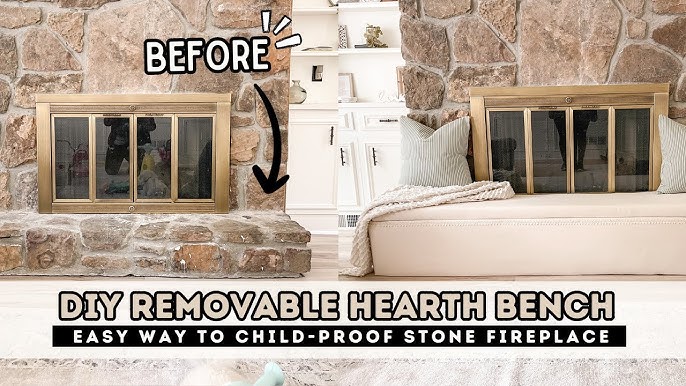
Fireplace hearths are hard and dangerous for children. Their low height makes them easy to bump into. Corner guards cushion these edges and reduce injury risk. Use heat-resistant guards designed for fireplaces to ensure safety. Protecting hearth corners is crucial in homes with toddlers and active kids.
Staircase Corners
Staircases have many sharp corners that pose risks. Children running or playing near stairs may fall and hit these edges. Corner guards on staircase railings and steps soften impacts. This protection lowers the chance of serious injury. Install guards on both sides of stairs for complete safety.
Kitchen Counters
Kitchen counters have sharp corners at child height. Kids often move quickly in kitchens, increasing accident chances. Corner guards on counters prevent cuts and bruises. Choose easy-to-clean guards that blend with kitchen decor. Protecting kitchen corners helps keep children safe in busy homes.

Credit: www.reddit.com
Popular Products And Brands
Choosing the right corner protectors is important for child safety at home. Many brands offer reliable products to soften sharp edges. These products come in different materials like foam, rubber, or clear plastic. Parents often prefer trusted brands for durability and ease of use. This section highlights popular products and brands that parents trust for corner protection.
Top-rated Baby Proofing Guards
Dreambaby is a well-known brand for corner protectors. Their foam and rubber guards are soft and easy to install. KidKusion offers clear corner cushions that blend with furniture. These guards are thick and absorb impact well. Clippasafe also provides durable edge protectors with strong adhesives. Many parents choose Zulay Home for affordable and effective soft corner guards. Perma Child Safety features simple, reliable corner cushions with good stickiness. These top-rated products have high ratings and positive reviews from users.
Where To Buy Locally And Online
Local stores like Home Depot, Target, and Walmart stock popular corner guards. Home Depot offers several brands including Dreambaby and KidKusion. Target carries affordable options and often has sales. Walmart features KidKusion and Baby Proof Me products with free delivery. Ace Hardware sells Dreambaby classic foam protectors nearby. Online platforms like Amazon, eBay, and Etsy provide wider selections. Buying online allows reading customer reviews and comparing prices easily. Local and online shopping both provide convenient access to child proofing guards.
Price Ranges And Value Options
Corner protectors vary in price from budget to premium levels. Basic foam guards can cost as low as $3.92 at Home Depot. Clear plastic cushions usually range between $7 and $12. Sets with multiple pieces or rolls of edge cushions cost more, about $25 to $45. Zulay Home and NOWSTO offer affordable packs with good quality under $10. Investing in well-made guards ensures lasting safety and comfort. Many parents find mid-range products offer the best balance of price and durability.
Maintenance And Safety Checks
Keeping corner protectors safe and effective needs regular care. Simple maintenance and safety checks help prevent injuries. These checks ensure protectors stay attached and intact. They also reduce risks of choking or hazards from worn parts. Consistent attention keeps your child’s space secure.
Regular Inspection Tips
Check corner protectors often for any damage or loosening. Gently press each protector to see if it moves. Look for cracks, tears, or missing pieces. Clean them with mild soap and water to remove dirt. Make inspections part of your weekly routine to stay safe.
Replacing Worn Protectors
Replace any protector that shows signs of wear or breaks. Old protectors may lose cushioning and stickiness. Using damaged protectors can cause harm instead of preventing it. Keep spare protectors on hand for quick swaps. Choose soft, durable materials for long-lasting safety.
Avoiding Choking Hazards
Small parts from broken protectors can be choking risks. Remove loose pieces immediately from your child’s reach. Use corner guards that fit tightly and do not peel easily. Regularly check for tiny bits that may fall off. Keep protectors clean and intact to protect your child.
Credit: www.youtube.com
Additional Safety Measures
Adding corner guards is a great start to childproofing. Extra safety steps help protect toddlers better. These measures work well with corner protection to reduce risks. Keep your child safe with simple, smart practices.
Supervision And Childproofing
Watching your child closely is key to safety. No product replaces a caring adult’s attention. Stay near your child in risky areas. Combine supervision with corner guards for best results. Alert eyes prevent many accidents quickly.
Combining With Other Safety Products
Use corner guards with other safety gear. Baby gates block off dangerous rooms or stairs. Outlet covers stop electrical shocks. Cabinet locks prevent access to harmful items. Together, these products create a safer home environment.
Educating Caregivers
Teach all caregivers about childproofing rules. Share how to use corner guards and safety gear properly. Consistent care helps avoid accidents. Clear communication ensures every adult follows safety steps. Caregiver awareness is part of a strong safety plan.
Frequently Asked Questions
How To Baby Proof Wall Corners?
Cover sharp wall corners with soft foam or rubber corner guards. Secure them firmly using adhesive strips. Regularly check for loose guards to ensure safety. Choose clear or colorful guards to blend with decor. This prevents injuries and creates a safer environment for babies.
How To Make Your Own Corner Protector?
Cut foam or sponge into corner shapes. Wrap with fabric or tape. Secure with strong adhesive. Attach to sharp edges.
What Can You Use Instead Of Door Monkey?
Use foam corner protectors, safety gates, door stops, or childproof locks instead of a door monkey. These ensure child safety effectively.
Do Corner Protectors Work?
Corner protectors effectively reduce injury risk by cushioning sharp edges. They offer practical safety for toddlers and prevent furniture damage.
Conclusion
Childproofing corners keeps your home safe and worry-free. Soft guards and cushions reduce injury risks for toddlers. Choose easy-to-install protectors that fit your furniture style. Regularly check and replace worn safety covers to maintain protection. Simple steps make a big difference in child safety.
Create a safer space where kids can explore freely. Safety at home means peace of mind every day.