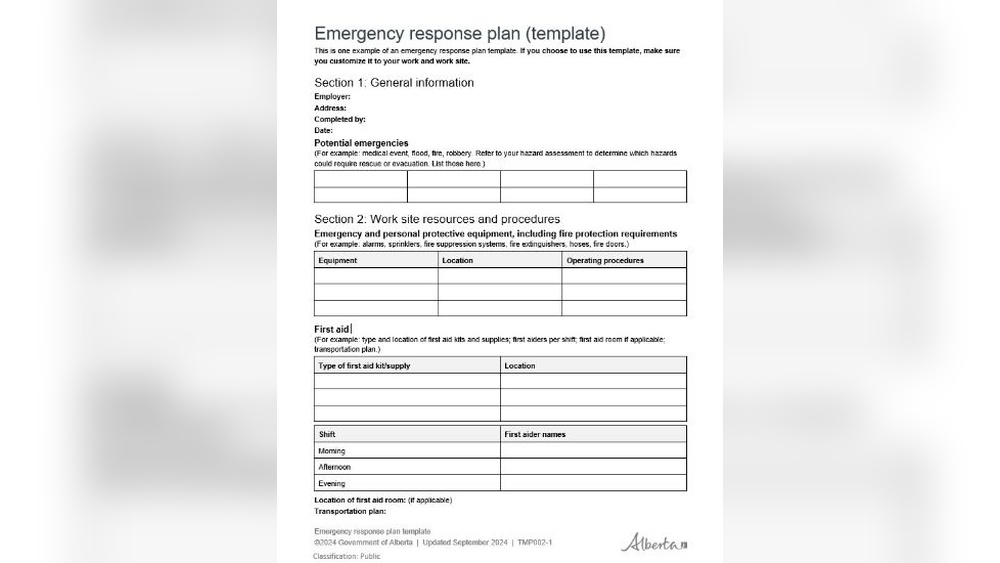

When an emergency strikes, every second counts—and being unprepared can cost you more than just time. You might think emergencies won’t happen to you, but the truth is, they can disrupt your life without warning.
That’s why having a clear, easy-to-follow Emergency Preparedness Plan is essential for protecting yourself, your loved ones, and your property. This Emergency Preparedness Plan Template is designed to guide you step-by-step, so you can create a plan that fits your unique needs.
Ready to take control and ensure you’re ready for whatever comes your way? Keep reading, and let’s build your safety net together.
Key Elements
An effective emergency preparedness plan depends on several key elements. These elements guide your actions before, during, and after an emergency. They ensure everyone knows their part and that resources are used wisely. Understanding these elements helps you create a plan that works well in any situation.
Scope And Objectives
The scope defines what emergencies the plan covers. It sets clear boundaries for what to prepare for. Objectives state the goals the plan aims to achieve. They focus on safety, quick response, and minimizing damage. Clear scope and objectives keep the plan focused and effective.
Roles And Responsibilities
Assigning roles ensures each person knows their duty. It avoids confusion and delays during an emergency. Responsibilities include who leads, who communicates, and who manages resources. Defining roles helps teams act quickly and confidently.
Communication Plan
A strong communication plan keeps everyone informed. It details how to share information before and during emergencies. This includes alerts, updates, and instructions. Reliable communication prevents panic and supports coordinated action.
Resource Management
Resource management involves identifying and organizing supplies and equipment. It ensures essential items are available when needed. This includes food, water, medical kits, and tools. Proper resource management supports survival and recovery efforts.
Common Emergency Scenarios
Emergencies can happen at any time. Preparing for common emergency scenarios helps reduce panic and confusion. A solid emergency preparedness plan covers various types of situations. Knowing what to expect allows you to act quickly and safely. Below are some typical emergencies to consider when creating your plan.
Natural Disasters
Natural disasters include events like hurricanes, earthquakes, floods, and tornadoes. These can cause significant damage and disrupt daily life. Your plan should include safe spots in your home and ways to communicate with family. Keep emergency supplies ready, such as water, food, and flashlights. Stay informed about weather alerts in your area.
Utility Failures
Utility failures involve loss of electricity, water, or gas services. These outages can last from a few hours to several days. Prepare backup power sources like batteries or generators. Store extra water for drinking and hygiene. Know how to safely turn off utilities if needed to avoid hazards. Plan activities that do not rely on electricity.
Medical Emergencies
Medical emergencies require quick and calm action. Keep a first aid kit accessible and stocked with essentials. Learn basic first aid and CPR to assist others. List emergency contacts and nearby hospitals. Include medications and medical information for family members in your plan. Practice how to call for help and describe the situation clearly.
Evacuation Situations
Evacuations may be necessary during fires, floods, or other dangers. Identify multiple evacuation routes from your home and workplace. Prepare a grab-and-go bag with important documents, clothes, and supplies. Arrange a meeting place for your family outside the danger zone. Stay updated on evacuation orders and follow official instructions promptly.
Step-by-step Plan Creation
Creating an emergency preparedness plan requires clear, simple steps. This ensures safety and quick action during crises. A step-by-step plan helps organize tasks and responsibilities effectively. It reduces confusion and improves response time. Follow the key stages below to build a strong plan.
Risk Assessment
Start by identifying possible risks in your area. Consider natural disasters, fires, floods, or power outages. Evaluate how likely each event is to happen. Assess how these risks could affect people and property. This helps prioritize which emergencies need detailed planning.
Developing Response Procedures
Create clear instructions for each identified risk. Define what actions to take during an emergency. Include evacuation routes, shelter locations, and communication methods. Assign roles to team members or family for quick response. Keep the procedures easy to follow and accessible.
Training And Drills
Practice the plan regularly with everyone involved. Conduct drills to simulate emergency situations. Training helps people remember their roles and actions. It also reveals any weak points in the plan. Update training materials based on drill results for better preparedness.
Review And Updates
Regularly check the plan to keep it current. Update contact information, resources, and procedures as needed. Review after real emergencies or drills to improve the plan. Continuous updates ensure the plan stays effective and reliable.

Credit: www.communitycommons.org
Family Preparedness
Preparing your family for emergencies brings peace of mind. It means everyone knows what to do when disaster strikes. A clear plan helps reduce panic and confusion. Family preparedness covers key elements like contact lists, meeting spots, special needs, and communication methods. These steps keep your loved ones safe and connected during a crisis.
Emergency Contact List
Create a list of important phone numbers for each family member. Include relatives, neighbors, doctors, and emergency services. Keep this list in several places. Make sure everyone can access it easily. Update the list regularly to avoid outdated information. This helps quick contact when needed most.
Meeting Points
Choose safe locations for your family to meet after an emergency. Pick one place near your home and one outside your neighborhood. This gives options if one area is unsafe or unreachable. Practice going to these spots so everyone remembers. Meeting points help reunite family members quickly and safely.
Special Needs Planning
Consider any special needs family members might have. This includes medical conditions, disabilities, or allergies. Prepare necessary supplies like medications or equipment in advance. Inform all family members about these needs. Plan extra time and help for those who require it. This ensures no one is left behind during emergencies.
Communication During Crisis
Decide how your family will communicate if separated. Use text messages, social media, or emergency apps. Agree on a primary and backup method. Practice using these tools before an emergency happens. Clear communication keeps everyone informed and reduces fear.
Workplace Preparedness
Workplace preparedness is essential for every business. It helps protect employees and reduces damage during emergencies. Having a clear plan ensures everyone knows their tasks and stays safe. A well-prepared workplace can handle crises calmly and efficiently. This section covers key elements of workplace preparedness.
Employee Roles
Assign specific roles to employees before emergencies occur. Each person should know their duties clearly. Roles may include team leaders, first aid responders, or communication coordinators. Training employees in their roles builds confidence and speeds up response times. Clear roles prevent confusion and keep the workplace organized during a crisis.
Evacuation Routes
Design and mark evacuation routes in all work areas. Routes must be easy to find and free of obstacles. Regular drills help employees memorize exit paths. Evacuation plans should include safe meeting points outside the building. Clear routes save lives by guiding workers quickly to safety.
Emergency Supplies
Stock emergency supplies like first aid kits, flashlights, and water. Supplies should be accessible and checked regularly. Include items for specific needs, such as medications or protective gear. Well-stocked supplies help employees manage injuries and stay safe until help arrives. Prepare enough for all staff present during work hours.
Coordination With Local Authorities
Build relationships with local emergency services and authorities. Share your preparedness plan with them for feedback. Authorities can provide valuable advice and quick support. Coordination ensures faster response and clear communication during emergencies. Keep contact information updated and easily available to all employees.

Credit: ivinsutah.gov
Tools And Resources
Having the right tools and resources is key for an effective emergency preparedness plan. They help organize your actions and keep you ready for any situation. Using these resources makes planning easier and clearer for everyone involved.
Below are some helpful tools and resources that support your emergency preparedness efforts. Each one plays a vital role in creating a strong, easy-to-follow plan.
Templates And Checklists
Templates and checklists provide a clear structure for your plan. They include important steps and items to cover. Using them saves time and reduces mistakes. You can find free or paid templates online to suit your needs.
Checklists help track tasks like supplies, contacts, and safety measures. They ensure nothing is missed during preparation or an emergency.
Mobile Apps
Mobile apps offer quick access to emergency information and alerts. Many apps provide real-time updates on weather, disasters, and safety tips. Some apps allow you to create personalized emergency plans and notify family members.
Using these apps keeps you connected and informed no matter where you are. They are easy to use and often available for free.
Community Resources
Community resources include local emergency services, shelters, and support groups. These resources provide help during and after emergencies. Knowing where to find them improves your response time and safety.
Local governments often share emergency plans and conduct drills. Participating in these activities increases your awareness and readiness.
Training Programs
Training programs teach essential skills for emergencies. They cover first aid, fire safety, and evacuation procedures. Many organizations offer free or low-cost classes for all ages.
Joining training sessions builds confidence and knowledge. It prepares you to act calmly and effectively in a crisis.
Legal And Regulatory Considerations
Creating an emergency preparedness plan requires careful attention to legal and regulatory factors. These considerations ensure the plan meets local, state, and federal laws. Compliance with these rules protects organizations and individuals during emergencies. Ignoring legal requirements can lead to penalties or ineffective response efforts.
Understanding the legal framework helps design a plan that is both practical and lawful. It also builds trust with employees, customers, and the community. Clear guidelines on compliance, reporting, and record keeping must be part of every preparedness plan.
Compliance Requirements
Emergency plans must follow laws set by government agencies. Different regions have specific rules about safety and emergency readiness. Businesses and organizations must identify which laws apply to them. These laws cover building codes, fire safety, health regulations, and environmental protection.
Failure to comply can result in fines or legal action. Regular updates to the plan keep it aligned with changing regulations. Training staff on compliance ensures everyone understands their responsibilities.
Reporting Procedures
Clear reporting procedures are essential in emergencies. Plans must outline who to notify and how to report incidents. Reporting may involve local authorities, emergency services, or regulatory bodies. Timely and accurate reporting helps coordinate effective response efforts.
Documentation of incidents must be thorough and follow legal standards. This can help during investigations or insurance claims. Establishing a chain of communication prevents confusion during critical moments.
Record Keeping
Maintaining proper records is a legal necessity in emergency preparedness. Records include training logs, incident reports, and equipment maintenance. Accurate record keeping supports accountability and continuous improvement.
Records also prove compliance during audits or inspections. Digital and physical copies should be stored securely and be easily accessible. Regular review of records helps identify gaps in the emergency plan.

Credit: venngage.com
Frequently Asked Questions
How To Write An Emergency Preparedness Plan?
Identify likely emergencies, assign roles, list supplies, create communication steps, plan evacuation routes, and regularly update the plan.
What Are The 5 P’s Of Preparedness?
The 5 P’s of preparedness are: Proper Planning Prevents Poor Performance. This emphasizes planning, prevention, and preparation for emergencies.
What Is An Example Of A Preparedness Plan?
An example of a preparedness plan is a family emergency plan that includes evacuation routes, communication methods, and emergency supplies.
What Are The 5 Components Of An Emergency Action Plan?
The five components of an emergency action plan are hazard identification, communication procedures, evacuation routes, roles and responsibilities, and training drills.
Conclusion
Creating an emergency preparedness plan helps protect your family and home. Use a clear template to list important steps and contacts. Practice your plan regularly to stay ready for any situation. Keep your plan simple and update it often as needs change.
Being prepared brings peace of mind and safety to everyone. Start today to build a stronger, safer tomorrow.


