
Imagine enjoying every movie, game, or concert with crystal-clear sound that fills your space—without cluttering your room. You want powerful home theatre audio, but maybe your living area isn’t huge, or you prefer a clean, minimal look.
What if you could have immersive, rich sound that doesn’t take up half your space? This is exactly what space-saving home theatre audio solutions offer. You’ll discover smart, stylish ways to transform your home entertainment setup. Get ready to make your sound system work for you—maximizing every inch while delivering an unforgettable audio experience.
Keep reading to find out how to enjoy big sound in a small space!

Credit: www.amazon.com
Compact Speaker Types
Choosing the right compact speakers can make a big difference in your home theatre setup. Small speakers save space without losing sound quality. They fit well in apartments and rooms with limited space. Compact speakers come in many types, each offering unique benefits. Understanding these types helps you pick the best option for your needs.
Bookshelf Speakers
Bookshelf speakers are small and easy to place on shelves or desks. They deliver clear sound and good bass for their size. These speakers fit perfectly in smaller rooms or tight spaces. Their compact design does not block your view or take too much space. They often work well as front or surround speakers in a home theatre system.
Soundbars And Slim Bars
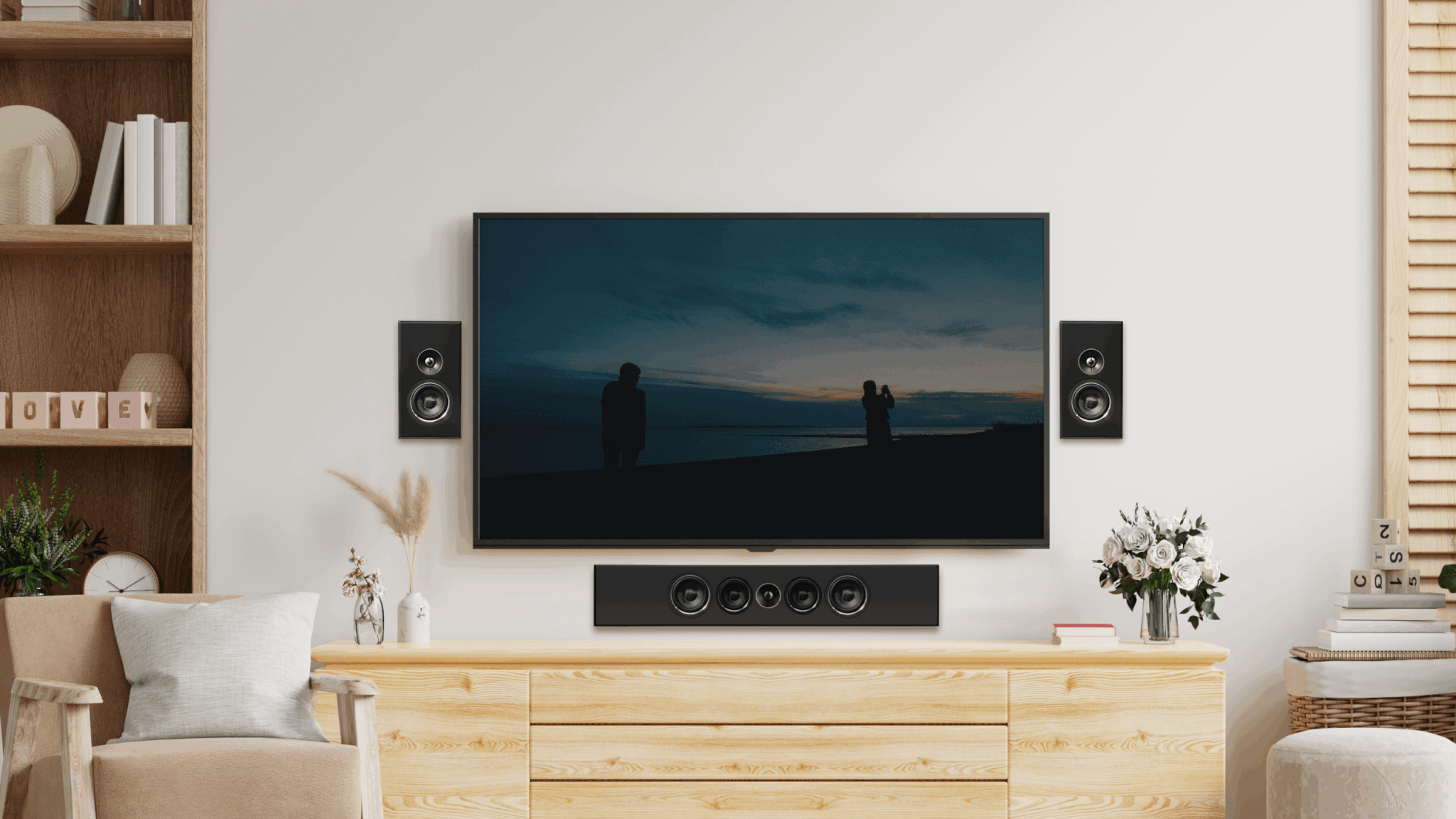
Soundbars are long, slim speakers that sit below your TV. They combine multiple speaker drivers in one unit for wide sound coverage. Soundbars need very little space and hide easily in front of your TV. Slim bars offer a sleek look and simple setup. Many models include built-in subwoofers, improving bass without extra equipment.
In-wall And In-ceiling Speakers
In-wall and in-ceiling speakers install directly into your room’s walls or ceiling. They save floor and shelf space by staying out of sight. These speakers create a clean, modern look in your home theatre. Proper installation can provide excellent sound coverage and quality. They are perfect for rooms where space is tight or clutter is a concern.
Wireless And Bluetooth Options
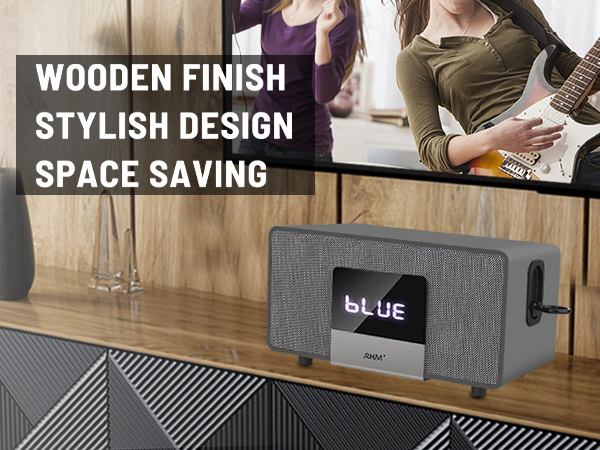
Wireless and Bluetooth speakers remove the need for many cables. They offer flexible placement since you do not need to connect wires. Many wireless speakers deliver impressive sound quality and easy control. Bluetooth options let you stream music and movies from mobile devices. These speakers suit small spaces and modern, minimalist setups.
Optimizing Room Acoustics
Optimizing room acoustics is essential for a space-saving home theatre audio setup. Good acoustics improve sound clarity and depth. They reduce noise and echoes. This makes movies and music more enjoyable. Small rooms can be tricky, but smart adjustments help a lot. Below are key tips to enhance your home theatre sound.
Soundproofing Basics
Soundproofing blocks outside noise from entering your room. It also stops sound from escaping. Use thick curtains or heavy drapes on windows. Seal gaps around doors and windows with weather stripping. Carpets and rugs on floors absorb sound well. Adding door sweeps can reduce noise leaks.
Managing Reflections And Echoes
Reflections cause echoes that blur sound details. Place soft materials on walls to reduce reflections. Avoid bare walls and hard floors. Use thick curtains or fabric wall hangings. Rugs and cushions also help lower echoes. Position speakers away from flat surfaces.
Using Acoustic Panels
Acoustic panels absorb sound waves to improve clarity. Install panels at first reflection points on walls. Choose panels made from foam or fabric-wrapped materials. These panels come in many sizes and colors. They fit well in small rooms without taking space. Panels reduce harsh sounds and improve bass response.
Furniture And Layout Tips
Furniture affects how sound travels in a room. Use soft furniture like sofas and armchairs to absorb sound. Avoid placing all furniture against walls. Arrange seating to face the screen directly. Keep speakers at ear level for best sound. Small shelves with books can help break sound waves.
Subwoofer Placement Tips
Placing your subwoofer correctly enhances your home theatre audio without using extra space. Good placement helps bass sound clear and full. Small rooms need careful planning to avoid boomy or weak bass. Wireless subwoofers offer more options for where you put them. This guide shares tips for the best subwoofer spots.
Importance Of Bass
Bass creates the deep sounds that make movies exciting. It adds power to explosions and music beats. Poor bass placement can cause uneven sound or rattling. A well-placed subwoofer fills the room with smooth, strong bass. This improves the overall audio experience greatly.
Ideal Locations For Small Rooms
Place the subwoofer near a corner for stronger bass. Corners boost low frequencies but can cause booming if too close. Try placing it along a wall, not blocking walkways. Avoid tight spots or behind furniture that muffles sound. Test different spots by playing bass-heavy tracks and listen carefully.
Wireless Subwoofers For Flexibility
Wireless subwoofers allow more freedom in placement. You can move them without running cables across the room. Place them where they sound best without clutter. Wireless models suit small spaces and modern setups. They help keep your home theatre neat and organized.
Receiver And Amplifier Choices
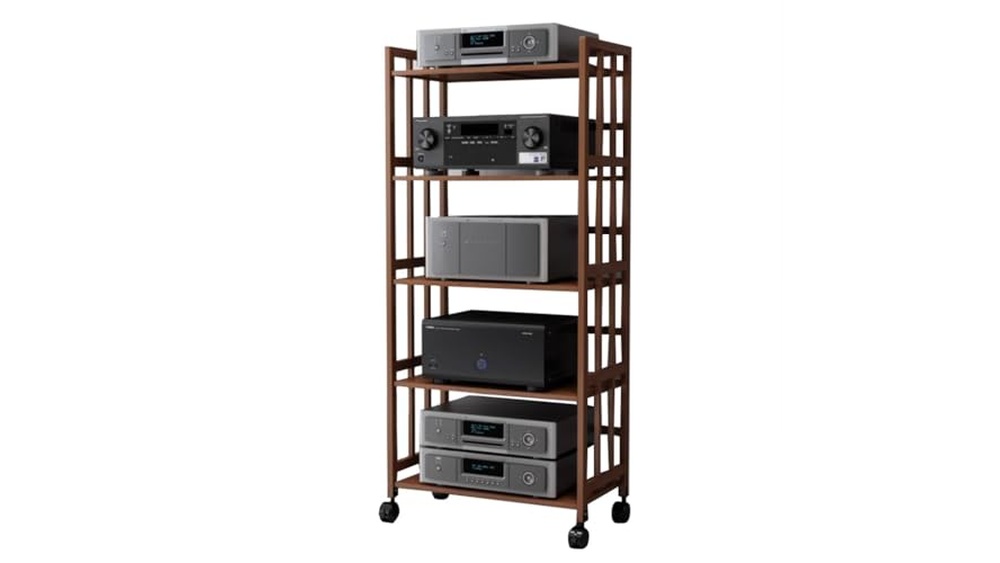
Choosing the right receiver and amplifier is key for space-saving home theatre audio. These components control sound quality and speaker output. You want devices that fit your room without crowding it. Compact models and smart features help keep your setup neat. Understanding the options makes it easier to pick what suits your space and needs.
Compact Av Receivers
Compact AV receivers are smaller but powerful units. They combine multiple audio and video functions into one box. Their size saves space on shelves or in cabinets. These receivers support surround sound and modern formats like Dolby Atmos. Many models include wireless streaming and smart home integration. Compact AV receivers offer great sound without the bulk.
Multi-channel Amplifiers
Multi-channel amplifiers power several speakers at once. They provide clear, balanced sound for home theatre systems. Some models are slim and easy to hide behind furniture. Separate amplifiers let you customize sound for each speaker zone. This setup improves audio quality while keeping devices out of sight. Multi-channel amps suit those who want a flexible, neat system.
Receiver Features To Consider
Look for receivers with HDMI inputs that support 4K video. Built-in Wi-Fi and Bluetooth allow wireless music streaming. Automatic speaker calibration helps adjust sound for your room size. Support for voice assistants adds convenience. Choose models with easy-to-use controls and clear displays. These features enhance your experience without requiring extra space.
Space-saving Installation Ideas
Space-saving installation ideas help create a home theatre audio setup without clutter. They keep your space neat and maximize comfort. Smart placement of speakers can enhance sound quality and room aesthetics. These ideas suit small rooms or open areas with limited space.
Wall Mounting Speakers
Wall mounting speakers frees up floor space instantly. It keeps speakers off tables and shelves. Mount them at ear level for clear sound. Use sturdy brackets designed for your speaker size. This method works well for surround and front speakers. It also gives a clean, modern look to your room.
Using Speaker Stands
Speaker stands provide flexibility and save shelf space. They allow easy adjustment of speaker height and angle. Choose stands with a small footprint to reduce floor use. Some models come with cable management to hide wires. Stands are ideal for bookshelf speakers and compact units. They help direct sound towards listeners perfectly.
Hidden And Invisible Speakers
Hidden and invisible speakers blend into walls or ceilings. They save the most space and reduce visual clutter. These speakers use special grills or paintable covers. They deliver good sound without bulky boxes. Installation requires careful planning and professional help. Hidden speakers suit minimalist designs and small rooms.
Credit: www.alibaba.com
Calibration And Setup
Setting up your space-saving home theatre audio system correctly ensures the best sound quality. Calibration and setup adjust the audio to fit your room’s shape and size. Proper setup enhances every movie and song, making your small system perform like a big one.
Automatic Room Calibration Tools
Many modern home theatre systems include automatic calibration tools. These tools use microphones to measure sound in your room. They adjust speaker levels and delays to match room acoustics. This process saves time and improves audio accuracy. Automatic calibration helps even beginners get clear, balanced sound.
Manual Sound Adjustment
Manual adjustments let you fine-tune audio to your taste. You can change speaker volume, crossover frequencies, and distances. Adjust settings to reduce echoes or boost bass. Manual control is useful if your room has unusual shapes or furniture. It allows you to customize sound beyond automatic settings.
Balancing Volume And Tone
Balancing volume and tone creates a natural listening experience. Avoid setting the volume too high or too low. Use tone controls to adjust bass, midrange, and treble frequencies. Proper balance prevents sound distortion and ear fatigue. Good balance makes dialogues clear and sound effects immersive.
Popular Compact Audio Brands
Choosing the right compact audio brand can greatly improve your space-saving home theatre setup. Many brands offer small but powerful speakers that fit well in limited spaces. These brands focus on clear sound and easy installation. They help create an immersive movie experience without bulky equipment. Below are some popular compact audio brands that stand out in the market.
Sony And Bose
Sony offers compact speakers with crisp sound and rich bass. Their designs suit small rooms and tight spaces. Sony’s home theatre systems often include wireless options for easy setup.
Bose is known for sleek, small speakers with excellent sound quality. Their compact home theatre audio systems provide surround sound without large units. Bose products blend well with modern home decor.
Yamaha And Denon
Yamaha makes compact audio devices with clear sound and strong performance. Their home theatre receivers support multiple speakers in a small footprint. Yamaha products are reliable and easy to use.
Denon offers space-saving audio systems with high-definition sound. Their compact receivers and speakers fit nicely in small rooms. Denon focuses on delivering quality audio in a minimal space.
Sonos And Polk Audio
Sonos is popular for wireless compact speakers that connect easily. Their home theatre kits allow flexible speaker placement without wires. Sonos systems deliver balanced sound in small setups.
Polk Audio produces small speakers with powerful sound output. Their compact designs suit apartments and smaller home theatres. Polk Audio combines affordability with good audio quality.
Budget-friendly Options
Creating a home theatre audio system without spending a fortune is possible. Budget-friendly options save space and deliver good sound quality. These solutions fit well in small rooms or apartments. They help you enjoy movies and music without clutter or high costs.
Affordable Soundbars
Soundbars offer great sound in a slim package. They fit easily under your TV or on a shelf. Many models include built-in subwoofers for deep bass. Some soundbars support wireless connections for less cable mess. They give clear dialogue and rich audio for films and shows.
Compact Speaker Bundles
Small speaker bundles include several speakers and a subwoofer. These packs provide surround sound without large equipment. They are easy to place on shelves or walls. Compact bundles often come with wireless options. This setup creates an immersive experience in limited space.
Diy Acoustic Treatments
Improving sound doesn’t always mean new gadgets. DIY acoustic treatments use simple materials like foam or fabric. These reduce echoes and improve sound clarity. You can place them on walls or ceilings. DIY options are cheap and customize to your room’s needs.
Smart Home Integration
Smart home integration makes space-saving home theatre audio systems easier to use and more flexible. It links your audio devices with your smart home network. This connection allows you to control sound and settings without extra remotes or complex setups.
Smart integration fits well in small spaces. It reduces clutter by combining audio controls with other smart devices. Enjoy clear sound and simple operation in one compact system.
Voice Control Features
Voice control lets you manage your home theatre audio hands-free. Speak commands to play, pause, or change volume quickly. It works with popular assistants like Alexa and Google Assistant.
This feature saves space by removing the need for physical remotes. You can control your sound system even from another room. Voice control adds convenience and modern style to your setup.
Multi-room Audio Systems
Multi-room systems spread sound throughout your home without wires everywhere. Connect several speakers to play the same music or different sounds in each room. This setup fits neatly into your living space.
These systems are perfect for small homes. They help you save space by using wireless speakers. Enjoy seamless sound without bulky equipment or tangled cables.
App-based Sound Management
Use apps on your phone or tablet to control your home theatre audio. Adjust settings, switch audio sources, and manage volume with a few taps. Apps provide a user-friendly interface that fits in your pocket.
This method reduces the need for extra buttons or devices. You can customize sound profiles easily to match your room size and preferences. App control keeps your space tidy and your audio experience smooth.
Maintenance And Upgrades
Maintaining a space-saving home theatre audio system keeps it performing well and extends its life. Regular upkeep avoids common issues and preserves sound quality. Upgrading parts smartly improves your experience without extra clutter. This section covers simple care, signs to upgrade, and tips to future-proof your setup.
Cleaning And Care Tips
Dust can harm speakers and electronics over time. Use a soft, dry cloth to wipe surfaces weekly. Avoid liquid cleaners near speaker grills and connections. Keep vents clear to prevent overheating. Check cables regularly for wear and secure connections. Store remote controls and accessories in a dedicated spot. These small steps keep your system running smoothly.
When To Upgrade Components
Notice sound distortion or weak bass? It may be time to upgrade speakers or subwoofers. If your receiver lacks modern features like Bluetooth or HDMI inputs, consider a newer model. Upgrades can also include smarter remotes or wireless options. Replace worn cables to maintain signal quality. Upgrade parts that improve sound or convenience without adding bulk.
Future-proofing Your Setup
Choose equipment with multiple input types and compatibility. Look for devices supporting the latest audio formats and wireless standards. Modular designs allow easy part replacement or expansion. Keep firmware updated for new features and security. Plan your layout to add speakers or components without space issues. This approach saves money and keeps your system current longer.
Credit: hometheaterreview.com
Frequently Asked Questions
Is Sound Deadening Worth It In Home Theater?
Sound deadening enhances home theater sound clarity by reducing echoes and outside noise. It creates a more immersive, realistic experience worth the investment.
What Is The 1/3 Speaker Rule?
The 1/3 speaker rule means placing speakers one-third along room walls for balanced sound. It improves audio clarity and imaging.
How Do I Optimize My Home Theater Audio?
Place speakers correctly, prioritize subwoofer bass, calibrate audio settings, use sound-absorbing materials, and choose equipment fitting your room size.
What Is The Golden Rule For Home Theater?
The golden rule for home theater is to balance sound, screen size, and seating for an immersive, comfortable viewing experience.
Conclusion
Space-saving home theatre audio brings great sound without big equipment. Choose compact speakers that fit your room well. Wireless options reduce clutter and make setup easy. Position speakers carefully for clear, immersive sound everywhere. Small soundbars or in-wall speakers work well in tight spaces.
Good audio enhances movies, shows, and music at home. Enjoy big sound in a small area with smart choices. Save space and still get quality entertainment every day.