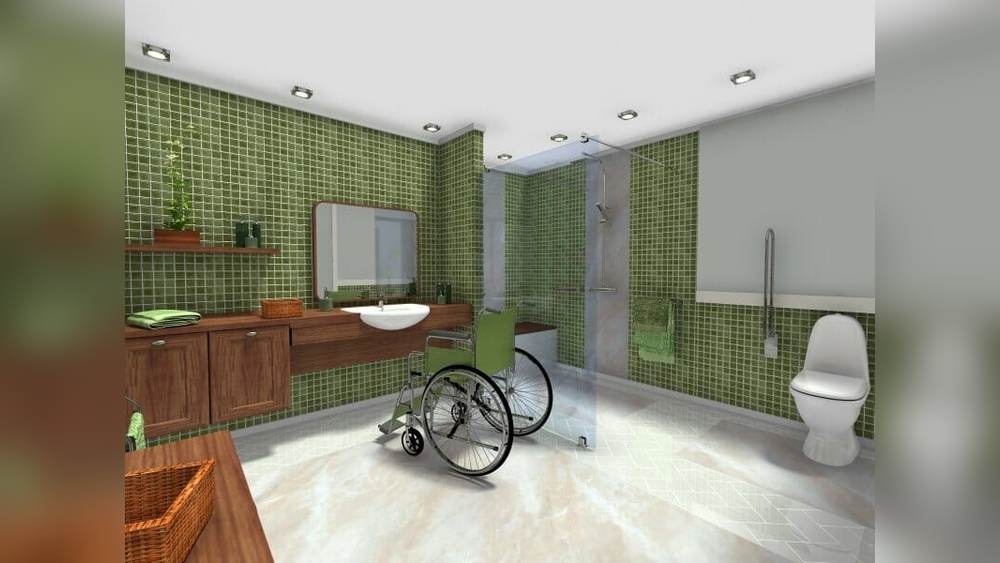

Designing a bathroom that works perfectly for you is more than just style—it’s about comfort, safety, and independence. If you use a wheelchair, your bathroom needs to fit your unique needs, making daily routines easier and more enjoyable.
Imagine moving freely without obstacles, reaching everything you need with ease, and feeling confident in your space. This guide will show you simple, practical ways to create a bathroom designed just for you. Keep reading to discover how thoughtful design can transform your bathroom into a place that truly supports your lifestyle.
Credit: metrobathandtile.com
Space Planning
Space planning is vital for creating a bathroom that wheelchair users can navigate easily. Thoughtful layout improves safety and comfort. It helps users move freely without obstacles. Designing with enough room makes daily tasks simpler and less stressful.
Clear Floor Space
Clear floor space means open areas without furniture or fixtures blocking paths. It allows wheelchair users to reach sinks, toilets, and showers comfortably. At least 30 by 48 inches of clear space is recommended in front of fixtures. This space should be free of rugs or mats that can cause slipping or tipping.
Turning Radius
Turning radius is the space needed for a wheelchair to make a full circle. Bathrooms should have a clear turning space of at least 60 inches in diameter. This room helps users change direction easily without backing up. A good turning radius prevents accidents and makes the bathroom more accessible.
Doorway Widths
Doorways must be wide enough to allow wheelchairs to pass through smoothly. A minimum width of 32 inches is ideal, but 36 inches provides extra comfort. Sliding doors or doors that open outward save space inside. Proper doorway widths reduce frustration and improve bathroom usability.
Accessible Fixtures
Accessible fixtures are essential in a bathroom designed for wheelchair users. These fixtures help users move freely and perform daily tasks safely. Properly chosen fixtures improve comfort and independence.
Careful selection of sinks, grab bars, and toilets ensures ease of use. Fixtures must fit the space while meeting accessibility standards. This section covers key fixture types to consider.
Wheelchair-friendly Sinks
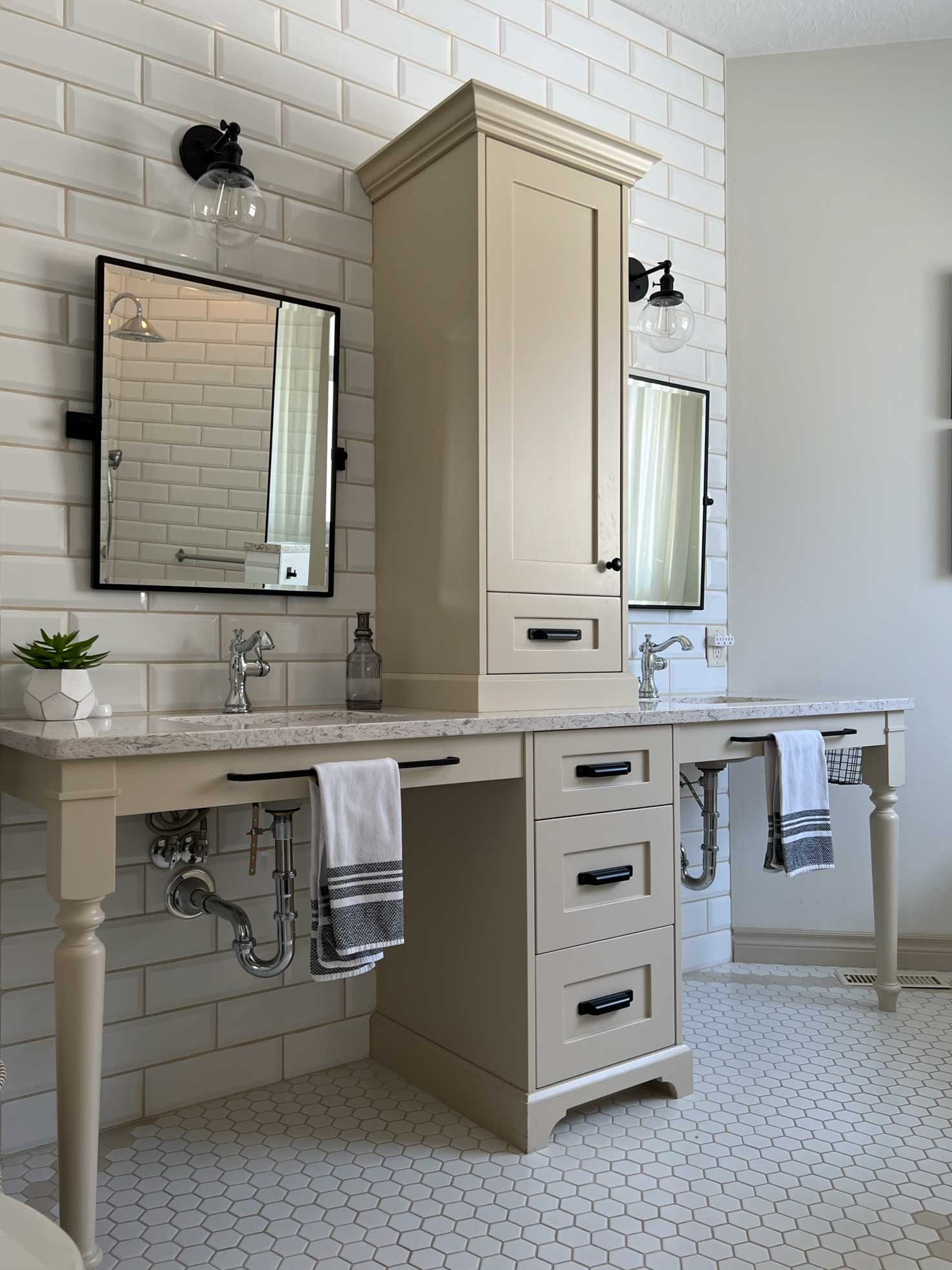
Wheelchair-friendly sinks have clear space underneath. This allows users to roll their chairs close to the sink. Sinks should be mounted at a height between 29 and 34 inches.
Lever-style or touchless faucets are easier to operate. Rounded edges prevent injuries in tight spaces. Easy-to-reach soap dispensers add convenience.
Grab Bars And Supports
Grab bars provide stability and support. They help users transfer and maintain balance. Install bars near toilets, showers, and tubs.
Grab bars should be securely anchored to walls. Horizontal and vertical bars offer different types of support. Choose corrosion-resistant materials for durability.
Accessible Toilets
Accessible toilets are higher than standard models. Seat heights between 17 and 19 inches ease transfers. Clear floor space around the toilet is necessary.
Toilets with side or front controls improve usability. Some models include built-in grab bars for extra support. Consider elongated bowls for comfort and safety.
Shower And Bath Solutions
Shower and bath solutions are vital for wheelchair users to maintain safety and independence. Designing these spaces requires thoughtful planning and practical features. The goal is easy access and comfort without barriers.
Different options suit various needs and bathroom sizes. Each solution focuses on ease of use, stability, and accessibility. Proper design boosts confidence and daily convenience.
Roll-in Showers
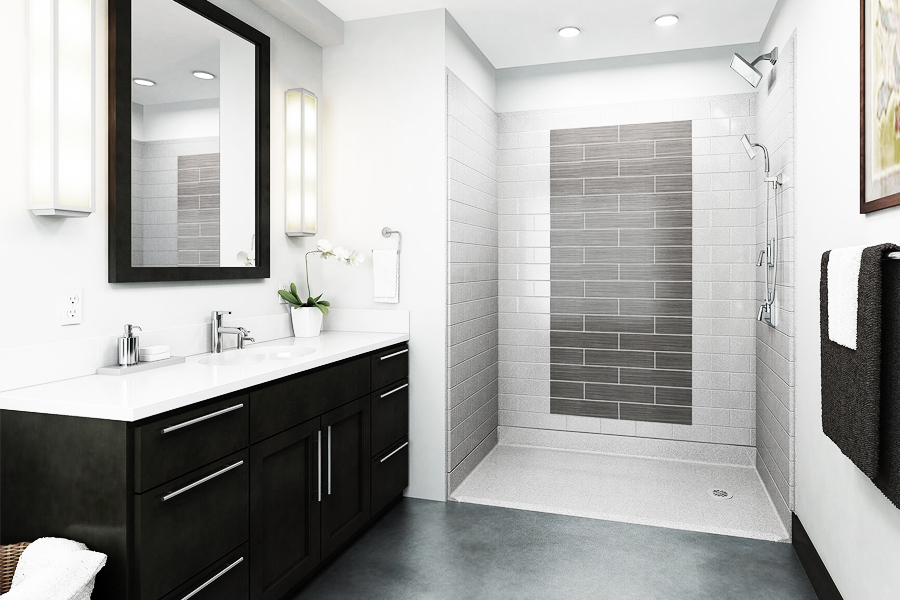
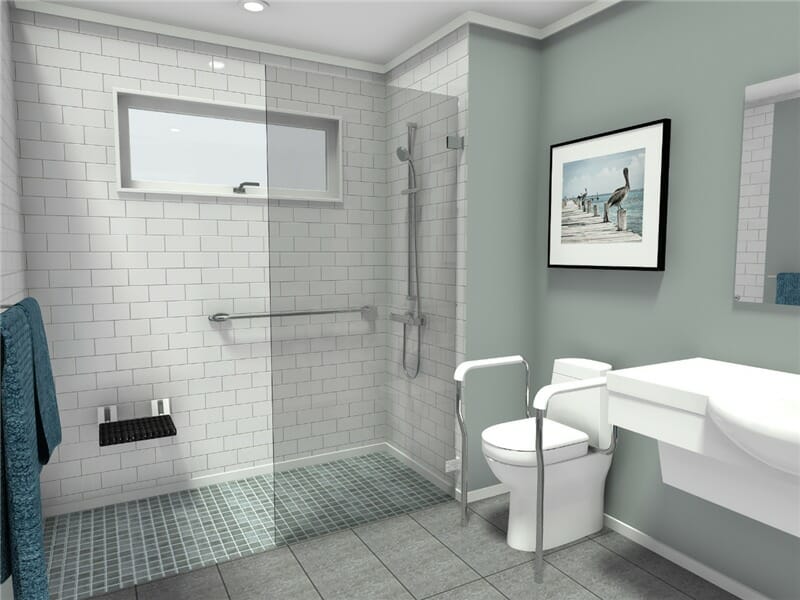
Roll-in showers have no step or curb. The flat floor allows a wheelchair to enter smoothly. These showers often include grab bars and fold-down seats. A handheld showerhead adds flexibility and ease. Waterproof floors and walls keep water contained safely. This design makes showering easier and safer for wheelchair users.
Transfer Benches
Transfer benches help users move from a wheelchair into the tub safely. They extend over the bathtub edge, providing a stable seat. This reduces the risk of slipping or falling. Benches are usually made of non-slip materials for extra safety. They make bathing more comfortable for those with limited mobility.
Wet Room Designs
Wet rooms are fully waterproof bathrooms without barriers. The entire room acts as a shower area. A gentle slope in the floor allows water to drain away. These designs give wheelchair users freedom to move. Walls and floors have slip-resistant finishes. Wet rooms combine style with practical accessibility for all users.
Credit: www.roomsketcher.com
Flooring And Surfaces
Choosing the right flooring and surfaces in a bathroom is key for wheelchair users. The floor must offer safety, comfort, and easy movement. It should reduce slipping risks and allow smooth rolling of wheelchairs. Waterproof and durable materials also help keep the bathroom clean and long-lasting.
Slip-resistant Materials
Slip-resistant floors prevent falls and increase safety. Materials like textured tiles or rubber mats provide good grip. Avoid glossy or wet-prone surfaces that can cause slipping. Slip-resistant floors give confidence to wheelchair users and caregivers.
Smooth Transitions
Floor transitions should be flat and even. Raised edges or thresholds create barriers for wheelchairs. Use ramps or flush transitions between rooms and shower areas. Smooth transitions make it easier to move around without getting stuck or tipping.
Waterproof Options
Waterproof floors protect from damage and mold. Vinyl, sealed tiles, and certain treated woods resist water well. Waterproof surfaces also clean easily and stay hygienic. This choice keeps the bathroom safe and looking good for years.
Lighting And Controls
Lighting and controls play a vital role in a bathroom designed for wheelchair users. Good lighting ensures safety and ease of movement. Controls must be accessible and simple to operate. Thoughtful lighting reduces accidents and enhances comfort.
Motion-activated Lighting
Motion-activated lights turn on automatically when someone enters. This feature helps users avoid fumbling for switches. It also saves energy by turning off when the room is empty. Motion sensors should be placed at wheelchair height for easy detection.
Easy-to-reach Switches
Light switches and controls must be within easy reach from a seated position. Installing them lower on the wall makes access simple. Large, flat switches are easier to use than small buttons. Clear labels help users identify controls quickly.
Natural Light Integration
Natural light brightens the bathroom and improves mood. Windows or skylights should be positioned to avoid glare. Using frosted glass maintains privacy while letting in daylight. Natural light also reduces the need for artificial lighting during the day.
Credit: erinzubotdesign.com
Storage And Accessibility
Storage and accessibility play key roles in designing bathrooms for wheelchair users. Easy-to-reach storage helps users find items independently. It also keeps the space organized and safe. Thoughtful storage solutions reduce bending and stretching, making daily routines smoother.
Low-level Storage
Low-level storage keeps essentials within reach. Shelves or cabinets placed 24 to 48 inches from the floor work best. This height fits most wheelchair users comfortably. Items like towels, toiletries, and cleaning supplies should be stored here. Open shelving can make items easier to spot and grab quickly.
Pull-out Shelves
Pull-out shelves improve access inside cabinets. They slide out fully, allowing users to reach items in the back. This design reduces the need to lean or stretch deeply. Pull-out shelves also help keep things organized and visible. Installing smooth, easy-glide mechanisms makes using shelves effortless.
Accessible Cabinets
Accessible cabinets feature wide doors and handles that are easy to grip. Cabinets mounted at lower heights suit wheelchair users best. Soft-close hinges prevent slamming and injury. Inside, adjustable shelves allow customization for different storage needs. Clear labeling inside cabinets adds convenience and speed.
Technology Integration
Technology plays a key role in making bathrooms easier to use for wheelchair users. It helps increase independence and safety. Modern devices and smart systems adapt to user needs and space limits. These tools make daily routines smoother and more comfortable.
Smart Showers
Smart showers allow easy control of water temperature and flow. Users can set preferences with a touch or voice command. Some models have timers to avoid water waste. Adjustable spray patterns improve comfort and accessibility. Smart showers often include slip-resistant floors and grab bars for safety.
Voice-controlled Devices
Voice control helps operate lights, fans, and faucets hands-free. It reduces the need to reach switches or knobs. Commands can be simple and customized for each user. Voice assistants connect with many bathroom appliances. This technology supports users with limited hand mobility.
Emergency Alert Systems
Emergency alert systems provide quick help in case of falls or accidents. They can be activated by buttons or voice commands. Some systems send alerts to family or caregivers automatically. Sensors detect unusual movements or long inactivity. These systems increase confidence and security for wheelchair users.
Design Aesthetics
Design aesthetics in a bathroom for wheelchair users matter a lot. The space should be practical yet pleasing to the eye. Good design blends function and style smoothly. It creates a welcoming and comfortable environment. This section explores ways to achieve beautiful and accessible bathroom design.
Inclusive Style Choices
Choose styles that suit all users. Simple, clean lines work best. Avoid overly complex patterns that confuse or overwhelm. Use fixtures that are easy to reach and operate. Style should not limit mobility or access. Consider modern and classic designs that blend well with accessibility needs. A well-designed bathroom looks great and works well for everyone.
Color Contrast
Color contrast helps people see better. Use light and dark colors to highlight edges and corners. Contrast between walls, floors, and fixtures guides movement safely. Avoid colors that blend too much together. Clear color differences reduce accidents. Bright or muted tones can both work if chosen carefully. Proper color contrast adds both safety and style.
Comfort And Warmth
Comfort is key in bathroom design. Use warm lighting that feels soft and welcoming. Add textures that feel good to touch, like smooth tiles or soft mats. Keep the space cozy but easy to clean. Warm colors create a relaxing mood. A bathroom that feels warm invites users to enjoy their time there. Balance comfort with accessibility for the best result.
Frequently Asked Questions
How To Design A Wheelchair-accessible Bathroom?
Design a wheelchair-accessible bathroom by ensuring wide doorways, clear floor space, and grab bars near fixtures. Use roll-in showers and adjustable-height sinks. Choose non-slip flooring and install easy-to-reach controls. Maintain a minimum 60-inch turning radius for maneuverability. Prioritize safety and comfort throughout the layout.
Does Medicare Pay For A Handicap Bathroom Remodel?
Medicare usually does not cover handicap bathroom remodels. It may pay for medical equipment or modifications deemed medically necessary.
What Does An Ada-compliant Bathroom Look Like?
An ADA-compliant bathroom features wide doorways, grab bars, a wheelchair-accessible sink, and a roll-in shower. It ensures clear floor space and proper fixture heights for ease of use.
How Big Should A Bathroom Be For A Wheelchair?
A wheelchair-accessible bathroom should be at least 60 inches wide and 56 inches deep for clear maneuvering space.
Conclusion
Designing a bathroom for wheelchair users improves safety and comfort daily. Thoughtful layouts and accessible fixtures make a big difference. Space to move freely helps users feel independent and secure. Simple changes, like grab bars and roll-in showers, increase ease of use.
Prioritizing accessibility ensures the bathroom meets everyone’s needs. Small details create a welcoming and practical environment. A well-designed bathroom supports dignity and enhances quality of life. Consider these tips to create a space that works well for all. Accessibility is key to a better bathroom experience for wheelchair users.