
When you think about hardwood flooring, what comes to mind? Is it just a surface to walk on, or could it be the heart of your home’s style?
The texture of your hardwood floor does more than catch the eye—it shapes the whole feel of your space. Whether you want a smooth, polished look or a rustic, wire-brushed finish, the texture you choose can transform your rooms in ways you might not expect.
You’ll discover how different hardwood flooring textures can bring out the best in your home, boost its value, and create a welcoming atmosphere that’s truly yours. Ready to find the perfect texture that speaks to your style? Keep reading to unlock the secrets of hardwood flooring texture and make your floors a stunning feature in your Austin, Texas home.
Hardwood Floor Texture Types
Hardwood flooring texture types greatly affect the look and feel of your floors. Texture adds depth and character to any room. Choosing the right texture can highlight wood’s natural beauty or create a rustic charm. Various texture options suit different styles and preferences. Understanding these types helps you pick the best fit for your space.
Smooth And Matte Finishes
Smooth finishes have a sleek, polished surface. They show off the wood grain clearly. Matte finishes reduce shine for a soft, natural look. Both types feel smooth underfoot. These finishes work well in modern and classic interiors. They are easy to clean and maintain.
Wire Brushed Effects
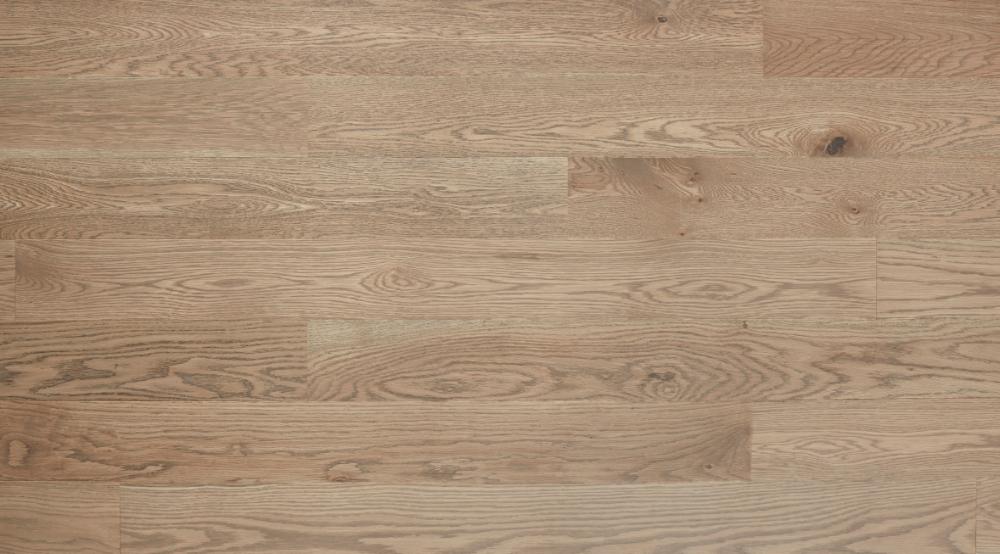
Wire brushed textures reveal the wood’s natural grain by removing soft wood. This creates a slightly rough surface. The effect adds depth and a subtle rustic touch. It hides scratches and dirt better than smooth finishes. Wire brushed floors fit well in casual or rustic homes.
Hand-scraped And Distressed Looks
Hand-scraped floors have unique grooves and marks made by artisans. Distressed textures mimic natural wear and aging. These floors add warmth and character to any room. They bring a vintage or farmhouse style. Imperfections make every plank one of a kind.
Embossed And Patterned Surfaces
Embossed textures add a three-dimensional effect to the wood surface. Patterns may include geometric shapes or wood grain enhancements. These floors create striking visual interest and a tactile feel. Embossed surfaces suit bold, artistic, or traditional designs. They bring a unique style to hardwood flooring.
Choosing Plank Styles
Choosing the right plank style shapes the entire look of your hardwood floor. Different plank styles bring unique textures and patterns that influence room size and feel. Your choice can highlight the wood’s natural beauty or create a bold design statement. Understanding popular plank styles helps you pick the best fit for your space and style.
Wide Plank Flooring
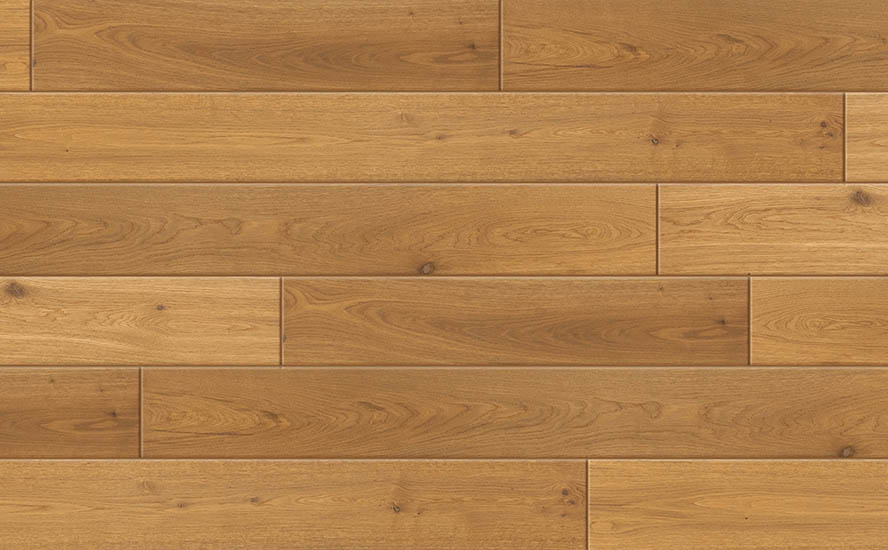
Wide plank flooring features boards wider than traditional planks. They create a spacious, open feel in any room. Wide planks show off the wood grain and texture clearly. This style suits rustic and modern homes alike. It works well in large spaces to add warmth and character.
Mixed Width Designs
Mixed width designs combine planks of different widths in one floor. This style adds visual interest and a natural, handcrafted look. It breaks up the uniformity of regular plank floors. Mixed widths highlight the wood’s texture and grain variety. They fit well in casual, cozy interiors.
Classic Patterns: Herringbone And Chevron
Herringbone and chevron are timeless hardwood floor patterns. Both use short planks arranged in angled, repeating shapes. Herringbone creates a zigzag effect with staggered ends. Chevron forms a continuous V shape with cut ends. These patterns add elegance and texture to any room. They work great in traditional and contemporary spaces.
Color Trends In Hardwood
Choosing the right color for hardwood flooring shapes the mood of any room. Colors influence the feel, style, and lighting. Hardwood flooring offers a wide palette of colors to fit various tastes and spaces. This section explores popular color trends that bring texture and warmth to your floors.
Light Natural Tones
Light natural tones create a fresh and airy atmosphere. Shades like oak, maple, and birch add brightness. These colors open up small rooms and pair well with modern decor. Their subtle grain patterns highlight the wood’s natural beauty. Light floors also reflect more light, making spaces feel larger.
Rich Dark Shades
Rich dark shades bring depth and elegance to floors. Walnut, mahogany, and cherry offer warm, luxurious hues. Dark floors create strong contrasts with light walls and furniture. They hide dirt and scratches better than lighter colors. These shades add a cozy, classic look to living areas.
Neutral And Grey Hues
Neutral and grey hues are popular for contemporary homes. These colors blend well with many design styles. Grey tones soften the wood’s texture and provide a modern, calm feeling. Neutral shades like beige and taupe offer versatility. They suit both casual and formal settings.
Credit: johnsonhardwood.com
Creating Depth With Texture
Texture plays a key role in hardwood flooring. It adds depth and interest beyond color and pattern alone. Different textures create a unique feel underfoot and change how light reflects off the surface. This makes a room more inviting and rich.
Choosing the right texture can turn plain hardwood floors into stunning focal points. It brings out the natural beauty of the wood. Below are ways to create depth with texture in hardwood flooring.
Layering Grain And Finish
Wood grain varies widely between species and cuts. Layering grain patterns adds visual complexity. Pairing this with a matching finish enhances the depth. A glossy finish highlights the grain’s natural lines. Matte or satin finishes soften the look, giving a more subtle texture.
Combining different grains and finishes creates a dynamic floor that feels alive. This layering technique works well in both modern and traditional spaces.
Combining Patterns And Plank Widths
Mixing plank widths breaks up uniformity, adding texture through shape. Wider planks show off the wood’s character more boldly. Narrower planks offer a finer, more detailed texture. Combining these widths creates rhythm and balance.
Patterns like herringbone or chevron add another layer of texture. They catch light differently and guide the eye across the floor. This adds movement and depth to the room.
Using Distressed Finishes For Character
Distressed finishes add a worn, rustic texture full of character. Techniques like hand-scraping or wire brushing create grooves and indentations. These textures catch shadows and highlight the wood’s history.
This finish style makes the floor feel lived-in and warm. It works well in casual, cozy, or vintage-inspired spaces. Distressed textures invite touch and add a tactile element to the room.
Eco-friendly Hardwood Options
Choosing eco-friendly hardwood options benefits the planet and your home. These choices reduce waste and preserve natural forests. Eco-friendly floors bring natural beauty with less environmental harm.
Many hardwood textures come from sustainable sources. They show unique patterns and rich colors while supporting green practices. Explore different options that fit your style and values.
Reclaimed Wood Choices
Reclaimed wood comes from old buildings and furniture. It has a rich history and unique texture. Using reclaimed wood saves trees and reduces landfill waste. Each plank tells a story with its knots and grain. This wood often has a weathered look that adds charm. It suits rustic and modern designs alike.
Engineered Wood Benefits
Engineered wood uses thin layers of real wood glued together. This method uses less solid wood overall. It offers strong, stable flooring with less chance of warping. Engineered wood comes in many textures and finishes. It works well in areas with moisture, like kitchens. This option combines beauty with sustainability.
Sustainable Sourcing Practices
Hardwood from sustainably managed forests supports forest health. These forests grow new trees to replace harvested ones. Certification programs like FSC ensure responsible harvesting. They protect wildlife and water resources. Sustainable sourcing means less impact on the environment. Choose flooring with clear certification labels for trust.
Maintaining Hardwood Texture
Hardwood flooring texture adds beauty and character to any room. Maintaining this texture keeps floors looking fresh and natural. Proper care protects the wood’s unique surface and extends its life.
Different hardwood textures require specific maintenance methods. Matte and textured floors need gentle cleaning to keep their look intact. Distressed surfaces need extra caution to avoid damage. Refinishing worn textures restores the floor’s original charm.
Cleaning Matte And Textured Floors
Use a soft broom or vacuum with a hardwood floor attachment. Avoid harsh scrubbers that can damage the texture. Clean spills immediately with a damp cloth. Use a mild cleaner designed for hardwood floors. Avoid oily or wax-based products that leave residue. Regular gentle cleaning helps preserve the floor’s natural finish.
Preventing Damage To Distressed Surfaces
Place felt pads under furniture legs to prevent scratches. Avoid dragging heavy items across the floor. Use rugs in high-traffic areas to reduce wear. Keep pet nails trimmed to avoid surface dents. Control humidity to prevent wood expansion or contraction. Careful use preserves the distressed look without adding unwanted damage.
Refinishing Tips For Worn Textures
Lightly sand the floor to remove old finish and smooth rough spots. Use a sanding screen for textured surfaces to keep depth intact. Choose a finish that matches the original texture and sheen. Apply thin, even coats and allow proper drying time. Avoid heavy sanding that can flatten the texture. Regular refinishing keeps floors looking vibrant and new.
Styling Spaces With Textured Floors
Textured hardwood floors bring depth and character to any room. Their unique surfaces catch light and shadow, creating a warm, inviting feel. Styling spaces with these floors allows creativity in design and layout. The texture helps anchor furniture and decor, making rooms feel complete and balanced.
Rustic And Traditional Interiors
Textured hardwood floors fit perfectly in rustic and traditional rooms. Rough, hand-scraped, or wire-brushed textures add charm and history. They pair well with wooden furniture and natural fabrics. These floors highlight the beauty of aged wood and craftsmanship. The texture makes spaces feel cozy and lived-in, ideal for family rooms or country-style kitchens.
Modern And Minimalist Looks
In modern spaces, subtle wood textures add quiet elegance. Smooth, matte finishes with light textures keep the look clean. The texture prevents the room from feeling too cold or flat. Pairing textured floors with sleek furniture softens the overall vibe. It adds interest without clutter, perfect for minimalist homes and offices.
Mixing Textures With Rugs And Furniture
Combining textured hardwood floors with soft rugs creates contrast and comfort. Rugs can highlight floor texture by framing areas and adding color. Using varied textures in furniture, like leather or linen, complements the wood’s natural grain. This mix creates layered, inviting spaces that feel rich yet balanced. Textured floors act as a strong base for creative styling.
Credit: www.junckershardwood.com
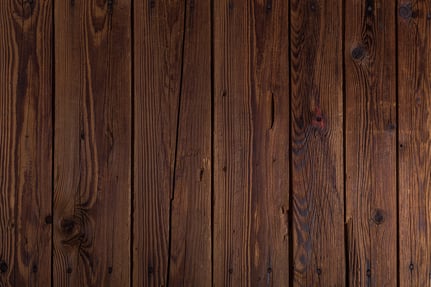
Credit: castlebespokeflooring.com
Frequently Asked Questions
What Are The 5 Types Of Hard Flooring?
The five types of hard flooring are hardwood, engineered wood, laminate, luxury vinyl plank (LVP), and tile. Each offers durability and distinct style options.
What Is The Newest Trend In Hardwood Floors?
The newest hardwood floor trend features wide planks, eco-friendly materials, and unique patterns like herringbone. Matte finishes and reclaimed wood gain popularity.
What Is The Difference Between Wood Grain And Texture?
Wood grain shows the natural pattern of wood fibers. Texture refers to the surface feel, such as smooth or rough. Grain affects appearance; texture affects touch and finish.
What Are The Three Grades Of Hardwood Flooring?
The three grades of hardwood flooring are: Select (clear, minimal knots), Number 1 Common (minor imperfections), and Number 2 Common (more knots and color variation).
Conclusion
Hardwood flooring texture adds depth and style to any room. It creates a warm, natural look you can enjoy every day. Choosing the right texture helps highlight wood grain and hides scratches well. Whether smooth or wire-brushed, texture changes the floor’s feel and appearance.
Simple maintenance keeps textured floors looking fresh and beautiful. Consider texture carefully to match your home’s style and needs. A textured hardwood floor brings charm and lasting value to your space.