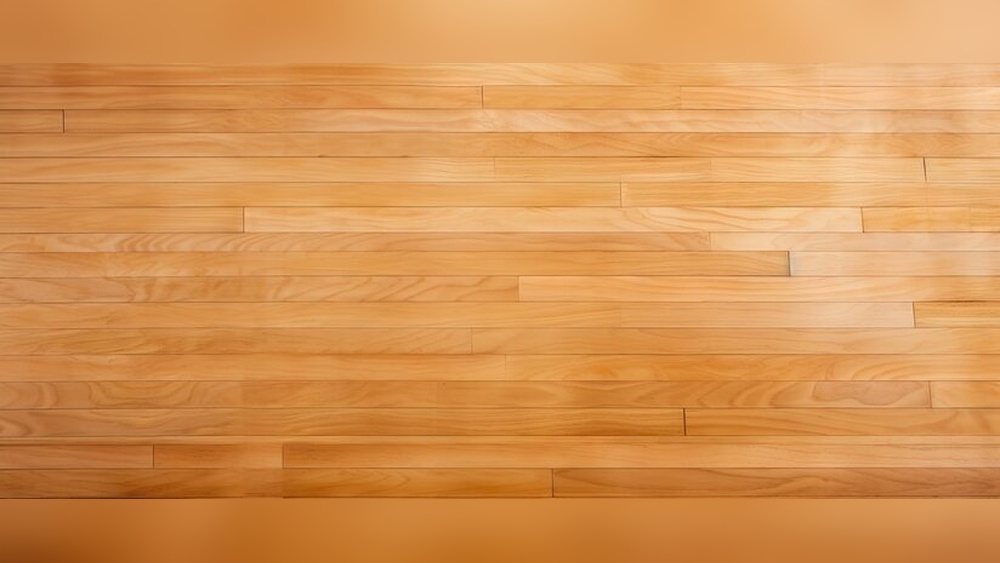

When it comes to basketball, the court beneath your feet plays a bigger role than you might think. The texture of a basketball court floor isn’t just about looks—it affects how the game feels, how you move, and even how the ball bounces.
Whether you’re a player, coach, or just a fan, understanding the different floor textures can change the way you experience the game. You’ll discover why certain materials like maple hardwood are the top choice for professional courts, what makes floors shine, and how texture impacts performance.
Ready to learn what makes the perfect basketball court floor texture? Let’s dive in.
Credit: stock.adobe.com
Wood Flooring Materials
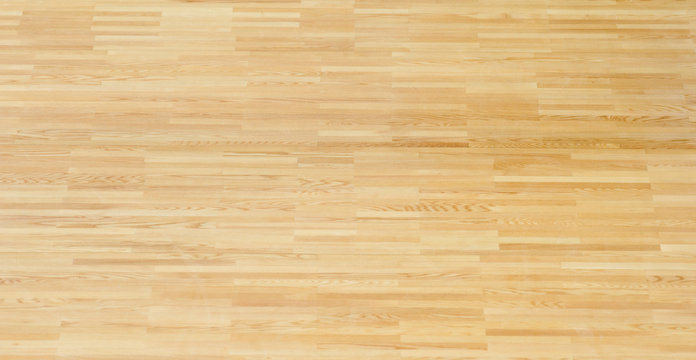
Wood flooring materials form the foundation of many basketball courts. They create a smooth, consistent surface that helps players move easily. Wood floors also add a classic look to any gym. Among the types of wood, maple hardwood stands out as the top choice for basketball courts across the world.
Maple Hardwood Benefits
Maple hardwood is strong and dense. This makes it perfect for heavy use in sports. It resists dents and scratches better than other woods. Maple also has a fine grain, giving the floor a uniform look. This wood is easy to maintain and can last for decades. Its light color helps reflect light, brightening the court.
Durability And Shock Absorption
The hardness of maple wood supports intense movements. It absorbs shocks well, reducing stress on players’ joints. This helps prevent injuries during jumps and quick stops. The wood’s natural flexibility adds comfort. Durable maple floors withstand wear from frequent games and practices. This makes it a cost-effective option for sports facilities.
Glossy Finish And Traction
Basketball courts often have a glossy finish on maple floors. This finish protects the wood from moisture and dirt. It also enhances the floor’s look with a shiny surface. The finish is designed to provide good traction. Players can make quick cuts and fast turns without slipping. Proper traction improves performance and safety on the court.
Synthetic Flooring Options
Synthetic flooring options for basketball courts offer durability and consistent performance. These floors provide excellent grip and shock absorption. They are low-maintenance and often more affordable than traditional wood floors. Synthetic floors adapt well to different environments, including indoor and outdoor courts.
Vinyl And Pvc Tiles
Vinyl and PVC tiles are popular synthetic flooring choices. These tiles are easy to install and replace when damaged. They offer good traction for quick movements on the court. PVC tiles resist moisture and stains, making them ideal for humid areas. Their surface texture helps reduce the risk of slipping during play.
Polyurethane Surfaces
Polyurethane surfaces provide a smooth and resilient court texture. They absorb shock, protecting players’ joints from impact. This flooring type resists wear and tear from constant use. Polyurethane floors can be customized with colors and markings. They also require minimal maintenance, saving time and cost.
Comparing Synthetic And Wood Floors
Wood floors offer a classic look and natural feel underfoot. They provide excellent bounce for the basketball. Synthetic floors, on the other hand, are more durable in harsh conditions. Synthetic options handle moisture better and need less upkeep. Wood floors may need refinishing, while synthetic floors last longer without it. Both types support good traction, but synthetic surfaces often have better shock absorption.
Outdoor Court Surfaces
Outdoor basketball courts need surfaces that withstand weather and use. The right floor texture improves play and safety. It also affects ball bounce and player movement. Choosing a durable and suitable surface is key for any outdoor court.
Asphalt Advantages
Asphalt is a common choice for outdoor courts. It offers a smooth, hard surface that holds up well. Asphalt handles heavy use and resists cracking in mild weather. It provides good traction for players. Maintenance is simple and cost-effective compared to other options.
Concrete Bases
Concrete bases create a strong and stable court foundation. They last longer than many other materials. Concrete is less flexible but very durable. It can be finished with coatings to improve grip and protect against weather. This surface works well in areas with extreme temperatures.
Modular Tile Systems
Modular tile systems are made of interlocking plastic tiles. They offer excellent drainage to prevent water pooling. These tiles provide good shock absorption and reduce injury risks. Installation is easy and quick, with no special tools needed. They come in many colors and textures for customization.
Grip And Traction Factors
Grip and traction on a basketball court floor are crucial for player safety and performance. Proper grip helps players move quickly without slipping. Traction controls how well shoes stick to the floor during fast turns and stops. The floor’s texture plays a vital role in delivering the right balance of grip and smoothness. A well-designed surface allows players to perform at their best while reducing injury risks.
Surface Texture Impact
The texture of a basketball court floor affects how shoes interact with the surface. Rough textures provide better grip by increasing friction. Smooth surfaces may feel slick and cause slipping. Courts with moderate texture ensure players have control over their movements. The right surface texture supports quick cuts and sudden stops. It also helps maintain balance during intense play.
Effect Of Gloss And Shine
Glossy floors look attractive but can influence traction. A highly shiny surface may become slippery, especially with dust or moisture. Matte finishes offer more consistent grip by reducing glare and slick spots. Some courts use a semi-gloss finish to balance shine and traction. Players often prefer floors that do not create visual distractions from glare. The floor’s gloss level directly impacts player confidence and safety.
Balancing Grip And Ball Bounce
Grip and ball bounce must work together for optimal court performance. Too much roughness can slow the ball and affect dribbling. A very smooth floor improves bounce but may reduce traction. Courts aim for a surface that supports fast ball movement and secure footing. This balance helps players handle the ball with precision and move freely. Proper floor design enhances both playability and safety on the court.
Maintenance And Longevity
Proper maintenance of basketball court floors extends their life and keeps them safe. Regular care preserves the texture and appearance of the surface. It also prevents damage from daily use and environmental factors. A well-maintained floor offers better traction and player comfort.
Cleaning Techniques
Use a dry dust mop daily to remove dirt and dust. Avoid wet mopping that can damage wood floors. For synthetic floors, use a damp mop with mild cleaner. Never use harsh chemicals or abrasive tools. Clean spills immediately to prevent stains and slippery spots.
Preventing Wear And Tear
Place mats at entrances to reduce dirt from shoes. Encourage players to wear clean, non-marking shoes. Avoid dragging heavy equipment across the floor. Rotate high-traffic areas if possible to distribute wear. Maintain stable indoor humidity to prevent wood from warping.
Resurfacing Tips
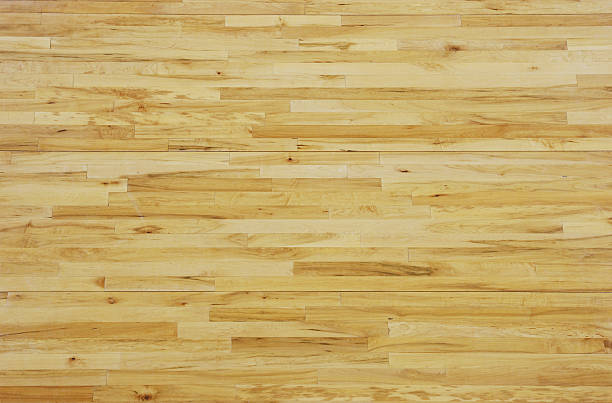
Resurface the floor every few years to restore smoothness. Sand the surface lightly before applying a fresh finish. Use finishes designed for basketball courts to maintain grip and shine. Schedule resurfacing during off-season to avoid play disruption. Regular inspections help spot areas needing attention early.
Credit: www.istockphoto.com
Choosing The Right Floor
Choosing the right basketball court floor is crucial for safety, performance, and durability. The floor texture affects how players move and how the ball bounces. Selecting a floor that fits your specific needs improves the playing experience and extends the court’s life.
Indoor Vs Outdoor Needs
Indoor courts require smooth, polished surfaces. Hardwood floors, especially maple, are common for indoor use. They provide good grip and consistent bounce. Outdoor courts need tougher materials. Concrete or asphalt with textured coatings handle weather well. These surfaces resist cracks and wear from sun and rain.
Budget Considerations
Flooring costs vary widely. Hardwood floors cost more upfront and need regular maintenance. Synthetic floors offer a balance of cost and durability. Outdoor surfaces like concrete are cheaper but may require resurfacing over time. Consider installation, upkeep, and lifespan when budgeting for your floor.
Performance Priorities
Performance depends on floor texture and material. Hardwood floors offer excellent ball control and player comfort. Synthetic floors provide shock absorption and reduce injury risks. Outdoor floors focus on durability and traction. Choose a floor that matches your play style and intensity.

Credit: www.mamabearsquiltshop.com
Frequently Asked Questions
What Is The Flooring Material For The Nba Basketball Court?
NBA basketball courts use maple hardwood flooring for durability, excellent ball bounce, and shock absorption, making it the top indoor choice.
Why Are Basketball Floors So Shiny?
Basketball floors shine due to polished maple hardwood, providing smooth traction and consistent ball bounce. The finish enhances durability and aesthetics.
What Is The Best Flooring For A Basketball Court?
Maple hardwood is the best flooring for basketball courts due to its durability, shock absorption, and excellent ball bounce. Synthetic options like polyurethane and PVC offer affordable, durable alternatives with good grip and cushioning.
What Is The Floor Of A Basketball Court Made Of?
The floor of a basketball court is mainly made of maple hardwood indoors. Outdoor courts often use asphalt or concrete. Synthetic options like vinyl or PVC tiles provide durability and cushioning for various settings.
Conclusion
Choosing the right basketball court floor texture affects player safety and game quality. Smooth maple wood floors offer excellent grip and durability. Synthetic floors provide good shock absorption and cost less. Each texture has benefits depending on court use and location.
Proper maintenance keeps floors safe and looking great. Knowing these details helps make smarter flooring decisions. A well-chosen floor supports better play and longer court life.