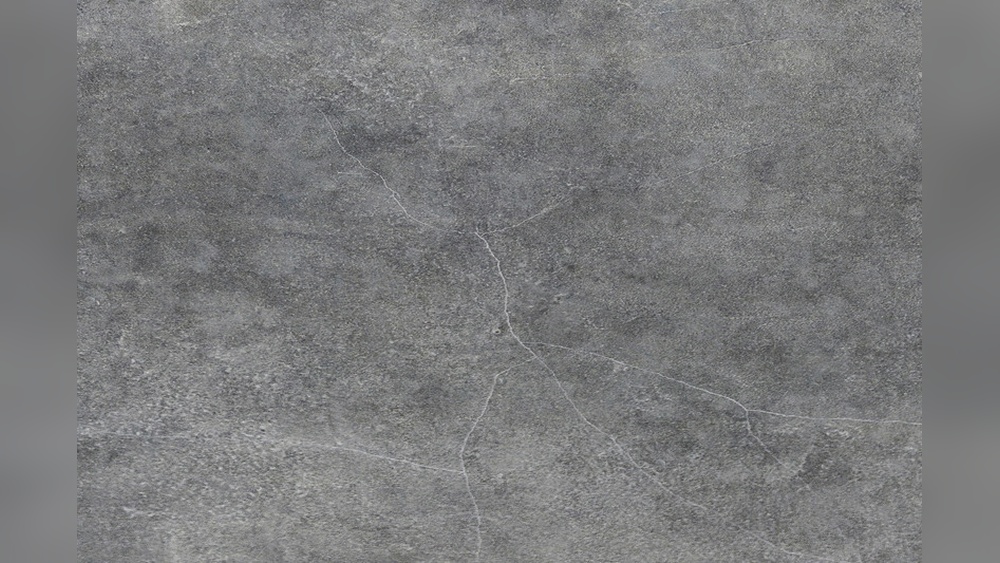

Are you looking to transform your plain cement floor into something stylish and unique? Cement floor texture is the secret to adding character, grip, and durability to your space without breaking the bank.
Whether you want a smooth, polished look or a rough, stone-like finish, the right texture can make your floor stand out and feel more inviting. You’ll discover simple, effective ways to add texture to your cement floors that suit your style and needs.
Keep reading to find out how you can easily upgrade your floors and create a surface that’s both beautiful and practical.
Benefits Of Cement Floor Texture
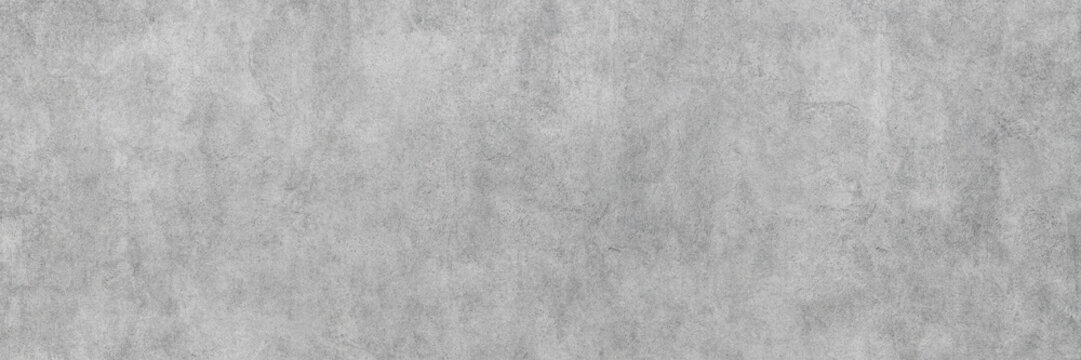
Cement floor texture offers many advantages for homes and businesses. It enhances floors with strength and style. Textured cement floors stand out for their practicality and visual charm. This makes them a smart choice for various spaces.
Durability And Longevity
Cement floor textures add toughness to floors. They resist cracks, chips, and wear from daily use. This makes floors last longer without damage. Cement textures hold up well in heavy traffic areas. They protect the surface from moisture and stains. This durability reduces the need for frequent repairs.
Aesthetic Appeal
Textured cement floors bring a unique look to any room. They create visual interest with patterns and finishes. This makes floors attractive and modern. Different textures can match various design styles. From smooth to rough, options suit all tastes. The natural color of cement adds a clean, fresh feel.
Low Maintenance
Cement floor textures require little upkeep. They do not trap dirt or dust easily. Cleaning takes only simple sweeping or mopping. Textured surfaces hide minor stains and marks well. This reduces the time spent on cleaning chores. Sealed cement textures resist spills and stains effectively.
Credit: stock.adobe.com
Popular Cement Floor Textures
Cement floor textures offer both style and function. They improve slip resistance and enhance floor appearance. Various textures fit different spaces and needs. Here are some popular cement floor textures widely used today.
Knockdown Texture
Knockdown texture features a smooth, mottled look. It is created by applying a thin layer of cement. Then, a trowel lightly flattens raised areas. This texture hides small imperfections well. It is popular for patios and walkways.
Broom Finish
Broom finish gives a rough, linear texture. A broom is dragged across wet cement to make lines. It improves traction and prevents slipping. This finish is common for driveways and sidewalks. It is simple and cost-effective to apply.
Stamped Patterns
Stamped patterns mimic stone, brick, or tile. Special molds press designs into wet cement. This texture adds elegance without extra materials. It suits both indoor and outdoor floors. Stamped cement offers many design options.
Polished Concrete
Polished concrete is smooth and shiny. The surface is ground and polished with diamond pads. It creates a modern, clean look. Polished floors are durable and easy to maintain. They work well in homes, offices, and stores.
Preparation Before Texturing
Proper preparation is key to achieving a durable and attractive cement floor texture. It sets the foundation for the texture to adhere well and last longer. Taking the time to prepare the floor correctly prevents future problems like peeling or cracking.
The preparation process involves cleaning, priming, and selecting the right materials. Each step matters. Skipping any can affect the final look and strength of the textured floor.
Cleaning And Surface Prep
Start by removing all dirt, dust, and debris from the floor. Use a broom or vacuum to clear loose particles. Then, scrub the surface with a stiff brush and mild detergent. This removes grease, oil, and stains that block good adhesion.
Rinse the floor with clean water and let it dry completely. Check for cracks or holes and fill them with a suitable patching compound. Smooth out rough spots to create an even surface for texturing.
Priming The Floor
Apply a primer designed for concrete floors. Priming seals the surface and improves bonding between the cement and texture. Use a roller or brush to spread the primer evenly. Allow it to dry fully before adding texture.
Primer also helps to reduce dust and prevents the texture from absorbing moisture too quickly. This step is important for a strong, lasting finish.
Choosing The Right Materials
Select materials that match your project needs and local climate. Consider the texture type, durability, and finish. Common materials include cement-based overlays, acrylic coatings, and textured stamps.
Pick products that are easy to work with and suitable for your floor’s condition. Quality materials enhance appearance and extend the life of the textured floor.
Techniques For Applying Texture
Applying texture to cement floors enhances both their look and function. Different techniques create unique patterns and finishes. These methods improve grip and add visual appeal. Homeowners and professionals choose textures based on style and use.
Using Overlays With Trowel Or Spray
Overlays are thin layers applied over existing concrete. They help create smooth or rough textures. A trowel spreads the overlay evenly across the surface. Spraying works well for larger or uneven areas. This technique allows for various designs and finishes.
Stamping Patterns On Wet Concrete
Stamping adds decorative patterns before concrete hardens. Large rubber stamps press into the wet surface. They mimic stone, brick, or tile textures. This method creates a stylish, durable floor. Timing is key to avoid damage during stamping.
Creating A Knockdown Finish
The knockdown finish starts with a sprayed or troweled surface. After a short wait, a wide knife lightly drags over the concrete. This flattens raised peaks and softens the texture. The result is a subtle, smooth look with character.
Applying Broom Finish
The broom finish is simple and effective for slip resistance. After pouring, a broom is pulled across the surface. This leaves fine, parallel lines or grooves. It improves traction on outdoor floors and walkways. The texture is practical and easy to create.
Tools And Materials Needed
Creating a beautiful cement floor texture requires the right tools and materials. These items help shape, pattern, and protect the floor surface. Using proper equipment ensures a smooth and lasting finish. The process becomes easier and more efficient with the correct tools.
Trowels And Sprayers
Trowels smooth and level the cement surface. They come in various shapes and sizes. A steel trowel is ideal for finishing concrete floors. Sprayers apply texture or sealants evenly. Airless sprayers work best for large areas. Hand sprayers suit small or detailed sections.
Stamp Mats And Rollers
Stamp mats add decorative patterns to fresh cement. They press designs into the wet surface. Rollers create consistent texture over large floors. Some rollers have special patterns for unique looks. Both tools help achieve professional-style floor textures.
Mixing Equipment
A sturdy mixing container holds cement, water, and additives. Electric mixers speed up blending and ensure consistency. Hand mixers work well for small projects. Accurate mixing is key to a strong and even floor texture.
Sealants And Protective Coatings
Sealants protect the cement floor from stains and damage. They enhance color and add shine. Choose sealants designed for concrete floors. Protective coatings increase durability and ease cleaning. Applying these finishes extends the life of the textured floor.
Design Ideas For Cement Floors
Cement floors offer a versatile base for many design styles. Their texture and durability make them ideal for creative finishes. With the right design ideas, cement floors can transform any space. From subtle looks to bold statements, cement floors adapt well.
Explore popular design ideas that enhance cement floor texture. These ideas suit homes, offices, and commercial spaces. Each style brings a unique feel and character to the floor.
Stone And Wood Imitation
Cement floors can mimic natural materials like stone and wood. Stamping and coloring create realistic patterns. This option brings warmth and texture without the cost of real wood or stone. It suits both modern and classic interiors. Easy to maintain and durable, it fits high-traffic areas perfectly.
Geometric Patterns
Geometric patterns add a modern and artistic touch to cement floors. Shapes like triangles, hexagons, and diamonds create eye-catching designs. Use contrasting colors to highlight the patterns. This style works well in living rooms and offices. It adds personality and breaks the monotony of plain floors.
Rustic And Industrial Looks
Rustic and industrial styles highlight the raw beauty of cement floors. Rough textures and unfinished surfaces emphasize an urban feel. Combine with metal and wood furniture for a complete look. This design suits lofts, cafes, and creative workspaces. It celebrates simplicity and rugged charm.
Custom Color Options
Custom colors let you personalize cement floors to match any decor. Use dyes, stains, or paints for vibrant or subtle tones. Color choices range from soft pastels to bold shades. This option creates unique floors that reflect your style. It also helps define different zones in open spaces.
Maintenance Tips For Textured Floors
Textured cement floors add beauty and grip to any space. Maintaining these floors keeps their look fresh and extends their life. Proper care prevents dirt buildup and damage. Follow simple steps to keep textured floors in top shape.
Regular Cleaning Routines
Sweep or vacuum textured floors often. Dirt and debris can settle in grooves and cause wear. Use a soft broom or vacuum with a brush attachment. Mop floors with mild soap and warm water. Avoid harsh chemicals that can erode texture. Dry floors fully to prevent moisture damage.
Sealing And Resealing
Apply a sealant to protect textured cement floors. Sealers block stains and moisture from entering. Choose a product made for textured concrete. Reseal floors every one to three years. Resealing restores protection and enhances floor appearance.
Repairing Damages
Inspect floors regularly for cracks or chips. Small damages can worsen over time. Use concrete patch or filler to fix cracks. Smooth the patch to match floor texture. For larger damage, consult a professional. Timely repairs keep floors safe and attractive.
Avoiding Common Issues
Keep heavy furniture off textured floors or use pads. Sharp objects can scratch or chip surfaces. Avoid excessive water or spills that cause stains or mold. Prevent dirt buildup by placing mats at entrances. Proper care minimizes wear and preserves floor texture.
Cost Factors And Budgeting
Understanding the cost factors and budgeting for cement floor texture helps plan your project well. Costs vary based on materials, labor, and installation methods. Proper budgeting ensures you get quality results without overspending.
Material Costs
Materials include cement, additives, and texture tools. Prices depend on quality and type. Decorative finishes or special stamps can increase costs. Bulk purchases often reduce the price per unit. Always compare prices from different suppliers.
Labor Expenses
Labor costs depend on complexity and time required. Skilled workers charge more but deliver better results. Large projects may lower hourly rates. Extra work like surface prep or repairs adds to labor expenses. Clear communication with contractors avoids surprises.
Long-term Savings
Textured cement floors last longer and need less maintenance. They resist cracks and stains better than plain floors. This reduces repair costs over time. Energy efficiency can improve with certain finishes. Investing in quality saves money in the long run.
Diy Vs Professional Installation
DIY saves money but requires skills and tools. Mistakes can lead to costly repairs. Professionals ensure even texture and durability. They work faster and use proper techniques. Weigh your skills and budget before deciding.
Where To Buy Cement Floor Texture Products
Finding the right products for cement floor texture is key to achieving the desired look and durability. Several options exist for purchasing these materials. Each source offers different advantages depending on your project needs and budget.
Home Improvement Stores
Large home improvement stores stock various cement floor texture products. These stores provide easy access to popular brands and supplies. You can find texture additives, stamping tools, and sealers. Staff often offer helpful advice for beginners. Prices are competitive, and many stores offer seasonal discounts.
Specialty Suppliers
Specialty suppliers focus on concrete and flooring materials. They offer a wider selection of texture products and professional-grade tools. These suppliers carry unique textures and finishes not found in general stores. Their experts can recommend specific products for complex projects. Specialty suppliers often cater to contractors and serious DIYers.
Online Marketplaces
Online marketplaces provide convenience and variety for buying cement floor texture products. You can compare many brands and prices quickly. Customer reviews help in choosing quality items. Some sellers offer detailed product descriptions and usage tips. Delivery options allow you to get materials directly to your home or job site.
Local Contractors And Experts
Local contractors and flooring experts can be a valuable resource. They often sell or recommend trusted texture products. These professionals understand local climate and flooring conditions. Consulting them ensures you select materials suited for your area. Hiring them can also save time and guarantee a quality finish.

Credit: unsplash.com

Credit: www.freepik.com
Frequently Asked Questions
How To Add Texture To Concrete Floor?
Add texture to a concrete floor by applying overlays, stamping patterns on wet concrete, or using a broom finish. Clean the surface well first. Use a primer for overlays to ensure adhesion. Choose tools based on the desired texture, like knockdown or stone-like finishes.
What Is Textured Concrete Called?
Textured concrete is commonly called stamped or patterned concrete. It features designs created by stamping, broom finishes, or overlays for decorative effects.
How To Make Cement Floor Look Nicer?
Clean the floor thoroughly, then apply a concrete stain or paint for color. Add texture using overlays or stamping. Seal to protect and enhance shine.
Can You Put A Skim Coat Of Concrete Over Existing Concrete?
Yes, you can apply a skim coat over existing concrete. Clean and repair the surface first. Use a bonding agent for better adhesion. Apply a thin, even layer for a smooth finish.
Conclusion
Cement floor textures add style and grip to plain surfaces. They improve safety and enhance any room’s look. Simple methods like broom finishes or stamping create unique designs. Proper cleaning and preparation ensure lasting results. Choose the right texture for your space and needs.
Textured cement floors offer both function and beauty. They suit homes, offices, and outdoor areas well. Enjoy a durable floor that stands out easily.