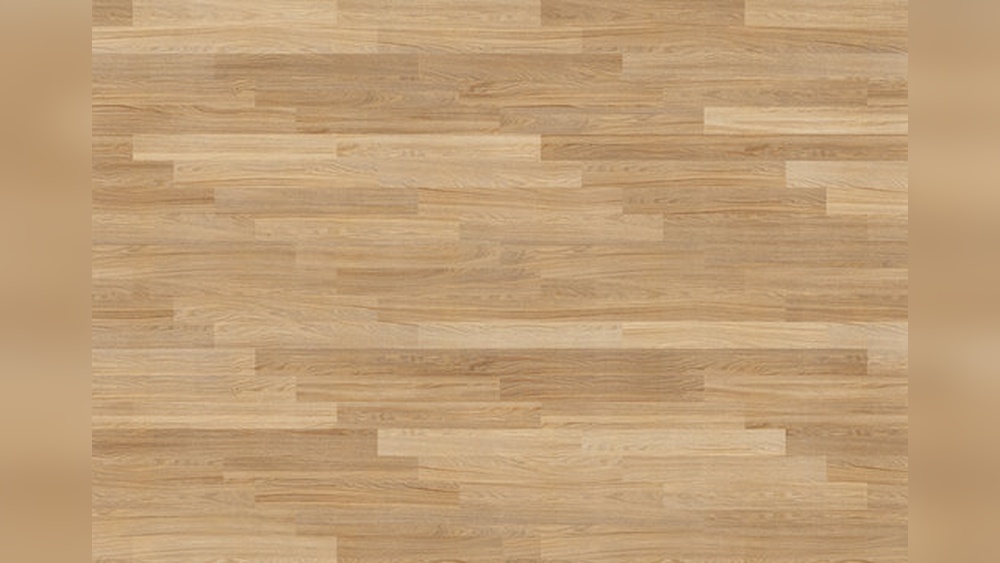

Are you looking to transform your space with flooring that brings warmth, character, and timeless beauty? Wooden texture flooring might be exactly what you need.
Imagine the natural grain patterns and rich tones of wood under your feet, creating an inviting atmosphere in every room. Whether you want the classic charm of oak or the modern appeal of herringbone designs, wooden texture flooring offers versatility that fits your style and lifestyle.
Keep reading to discover how this flooring choice can elevate your home, the different types available, and tips to choose the perfect fit for you. Your dream floor is just a few steps away!

Credit: www.havwoods.com
Benefits Of Wooden Texture Flooring
Wooden texture flooring offers many benefits that enhance any space. It blends beauty and practicality in one solution. This type of flooring adds character and improves the room’s atmosphere. Here are key advantages to consider.
Timeless Elegance And Warmth
Wooden texture flooring brings natural charm to homes. It creates a warm and inviting environment instantly. The classic look suits both modern and traditional designs. Light or dark tones add depth and richness to spaces.
Durability And Longevity
Wood floors are strong and built to last for decades. They resist daily wear and tear better than many materials. Proper care keeps them looking new for years. This flooring is an excellent long-term investment for any home.
Easy Maintenance
Cleaning wooden texture floors is simple and quick. Sweeping or vacuuming removes dust and dirt easily. Occasional mopping with a damp cloth keeps floors fresh. No special cleaners are needed, saving time and effort.
Versatility In Design
Wooden texture flooring fits various styles and rooms. It complements living rooms, kitchens, and bedrooms alike. Many finishes and patterns are available to match your taste. This flooring adapts to changing decor trends with ease.
Types Of Wooden Texture Flooring
Wooden texture flooring offers warmth and natural beauty to any space. Various types suit different needs and budgets. Understanding each type helps in choosing the right one for your home or office. Below are the main types of wooden texture flooring you can consider.
Solid Hardwood
Solid hardwood is made from a single piece of wood. It is strong and can be sanded and refinished multiple times. This flooring lasts for decades with proper care. It gives a classic and authentic wooden look. Solid hardwood is ideal for high-end homes and areas with low moisture.
Engineered Wood
Engineered wood has a thin layer of real wood on top of plywood layers. This makes it more stable than solid wood. It resists moisture and temperature changes better. Engineered wood looks real and is easier to install. It fits well in basements and kitchens.
Laminate Flooring
Laminate flooring imitates wood using a photographic layer under a clear protective coat. It is affordable and simple to maintain. Laminate is scratch and stain-resistant. It is perfect for busy homes and places with pets or children. Though not real wood, it offers a convincing wooden texture.
Luxury Vinyl Plank
Luxury vinyl plank (LVP) mimics wood with vinyl materials. It is waterproof and very durable. LVP suits areas prone to moisture, such as bathrooms and basements. It is soft underfoot and easy to clean. This type combines style and practicality for modern homes.
Popular Wood Species For Flooring
Wooden texture flooring adds warmth and charm to any space. Choosing the right wood species affects the floor’s durability and look. Each wood type offers unique colors and grain patterns. Some woods are harder and last longer, while others bring rich tones and smooth finishes. Below are popular wood species commonly used for flooring.
Oak
Oak is a classic choice for wooden floors. It has a strong, durable surface that resists wear. The grain is pronounced, giving floors a textured look. Oak comes in red and white varieties. Both offer warm, natural colors that fit many styles. Oak floors are easy to maintain and can be refinished many times.
Maple
Maple wood is known for its smooth, fine grain. It often shows a light, creamy color that brightens rooms. Maple is very hard, making it good for high-traffic areas. Its subtle texture suits modern and traditional designs. Maple floors can take stains well, allowing for custom colors.
Hickory
Hickory is one of the hardest woods used for flooring. It shows strong color contrasts with light and dark streaks. This wood creates a rustic, natural appearance. Hickory floors handle heavy use and last long. The unique grain patterns add character to any room.
Walnut
Walnut offers rich, dark tones with a smooth texture. It is softer than oak and hickory but still durable. Walnut floors bring elegance and depth to spaces. The wood has fine, straight grains with occasional waves. This species works well in both classic and contemporary interiors.
Choosing The Right Texture And Finish
Choosing the right texture and finish for wooden texture flooring shapes the room’s style and feel. The texture affects how the floor looks and how it feels underfoot. The finish changes the wood’s shine and protection level. Both factors influence the floor’s durability and maintenance needs.
Select textures and finishes that suit your lifestyle and decor. Consider the room’s use, lighting, and design theme. These choices make the flooring blend well and last longer.
Smooth Vs. Hand-scraped Textures
Smooth wooden floors have a clean, polished look. They feel soft and flat to the touch. Smooth floors are easier to clean but may show scratches more.
Hand-scraped textures add character with slight grooves and marks. They hide dents and scratches well. This texture suits rustic or traditional homes and adds warmth.
Matte, Satin, And Glossy Finishes
Matte finishes offer a natural, low-shine look. They hide dust and scratches better than shiny finishes. Satin finishes have a soft glow, balancing shine and subtlety.
Glossy finishes reflect light strongly, making floors look bright and clean. They highlight the wood grain but show imperfections easily. Choose finishes based on how much shine you want.
Distressed And Wire-brushed Options
Distressed wood has a worn, aged look with intentional marks and dents. It fits vintage or farmhouse styles well. This texture hides wear and adds personality.
Wire-brushed flooring has a rough surface with the soft wood removed. It creates a tactile texture that feels natural. This option is durable and hides scratches effectively.
Installation Methods
Wooden texture flooring offers warmth and style to any space. Choosing the right installation method ensures durability and ease of maintenance. Each method has unique steps and benefits. Understanding these helps in selecting the best fit for your home or office.
Nail Down
The nail down method uses nails or staples to fix wooden planks to a wooden subfloor. This technique provides a strong hold and long-lasting stability. It is ideal for solid hardwood floors. Installation requires a clean, dry surface and careful alignment of planks. Professionals often recommend this for its durability.
Glue Down
Glue down installation involves applying adhesive directly to the subfloor. This method works well on concrete or plywood floors. It reduces noise and prevents movement of the wood. The glue must be spread evenly for a secure bond. It suits engineered wood flooring and some solid wood types.
Floating Floors
Floating floors do not attach to the subfloor. Instead, planks connect to each other, resting above the floor surface. This method allows slight movement and is easier to install. It works on various surfaces, including concrete and existing floors. Floating floors can expand and contract with temperature changes.
Click Lock Systems
Click lock systems use interlocking edges to join planks without nails or glue. This method is popular for DIY projects. Installation is quick and clean, with planks snapping into place. It suits engineered and laminate wood flooring. Click lock floors are easy to replace or repair if needed.
Credit: architextures.org
Maintaining Wooden Texture Floors
Wooden texture floors add warmth and charm to any space. Maintaining them keeps their natural beauty alive. Proper care prevents damage and extends floor life. Regular attention helps preserve the wood’s rich texture and color. Follow simple steps to keep wooden floors looking great every day.
Cleaning Tips
Use a soft broom or vacuum to remove dust. Avoid harsh chemicals that can damage the wood finish. Clean spills immediately with a damp cloth. Use a wood-safe cleaner for deeper cleaning. Do not use excess water; it can warp the wood. Dry the floor thoroughly after cleaning to prevent moisture damage.
Preventing Scratches And Damage
Place felt pads under furniture legs to avoid scratches. Avoid dragging heavy items across the floor. Use rugs or mats in high-traffic areas to protect the wood. Keep pet nails trimmed to prevent gouges. Maintain stable indoor humidity to stop wood from shrinking or swelling. Regularly check for signs of wear and address them quickly.
Refinishing And Repairs
Refinish floors every few years to restore their shine. Light sanding and a new coat of finish can refresh worn areas. For deep scratches or dents, use wood filler or consult a professional. Prompt repairs prevent further damage and costly replacements. Follow manufacturer guidelines for refinishing to maintain warranty and floor quality.
Wooden Texture Flooring Trends
Wooden texture flooring remains a favorite choice for many homeowners. It adds warmth and natural beauty to any room. The latest trends bring fresh styles and eco-friendly options. These trends highlight patterns, plank sizes, and sustainable materials. They help create unique and inviting spaces with timeless appeal.
Herringbone And Chevron Patterns
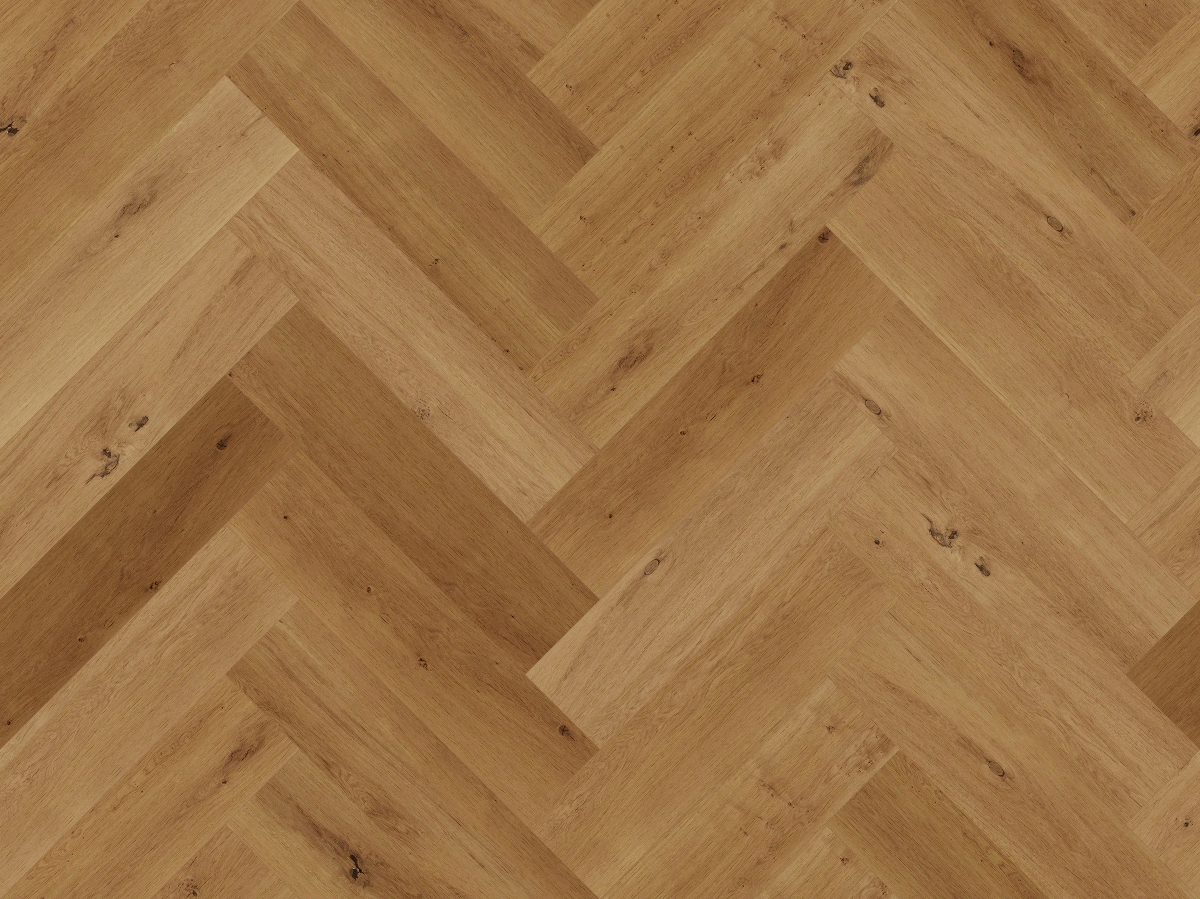
Herringbone and chevron patterns are popular designs for wooden floors. They create a sense of movement and elegance. These patterns fit well in both modern and classic interiors. The angled arrangement of planks makes rooms look larger. They add a stylish twist to traditional wooden flooring.
Wide Planks And Mixed Widths
Wide planks are trending for their bold and rustic look. They show off the wood grain more clearly. Mixed widths bring a natural and handcrafted feel. This style breaks the uniformity and adds depth to floors. Both options work great in open and spacious rooms.
Eco-friendly And Sustainable Choices
More people choose eco-friendly wooden flooring today. Sustainable materials come from responsibly managed forests. Bamboo and reclaimed wood are common green options. These choices reduce environmental impact and last a long time. They offer beauty without harming nature.
Credit: stock.adobe.com
Cost And Budget Considerations
Choosing wooden texture flooring involves careful cost and budget planning. Understanding the expenses helps in selecting the best option within your budget. Costs vary by material, installation, and long-term benefits. This section breaks down key factors to consider.
Material Costs
Wood flooring materials range widely in price. Solid hardwood tends to cost more than engineered wood. Different wood species affect the price, with oak and maple usually more affordable. Exotic woods like teak or mahogany come at a premium. Budget also depends on plank size and finish type. Always check prices per square foot before buying.
Installation Expenses
Installing wooden texture flooring requires skill and time. Professional installation costs vary based on floor type and room size. Solid wood floors often need more preparation and time, raising labor costs. Engineered wood can be quicker to install, lowering expenses. Additional costs may include removing old flooring and subfloor repairs. Get multiple quotes to find a fair price.
Long-term Value
Wood flooring offers durability that can save money over time. Quality wood floors last decades with proper care. They can increase a home’s resale value significantly. Some wood types can be sanded and refinished multiple times. This extends the floor’s life and keeps it looking new. Consider maintenance costs as part of your budget planning.
Wooden Texture Flooring In Austin, Texas
Wooden texture flooring adds warmth and charm to Austin homes. It blends natural beauty with modern style. This flooring choice suits the vibrant lifestyle and diverse architecture of Austin, Texas. Residents prefer it for its timeless appeal and durability. Wooden texture floors create cozy spaces and elevate interior design.
Popular Local Suppliers
Austin offers many trusted wooden flooring suppliers. Local stores often stock hardwood, engineered wood, and laminate options. Suppliers like Castle Bespoke Flooring and Lamiwood Flooring provide quality materials. They serve both new constructions and renovation projects. These suppliers help homeowners find styles matching Austin’s unique tastes.
Climate Considerations
Austin’s climate affects wooden flooring choices. The city has hot summers and mild winters. Wood expands and contracts with humidity changes. Engineered wood performs better in this environment than solid hardwood. Proper sealing and maintenance protect floors from moisture damage. Choosing the right wood species helps floors last longer in Austin.
Design Inspirations From Austin Homes
Austin homes mix rustic and modern design. Exposed beams and natural wood floors create a warm look. Many use wide planks in natural or light finishes. Patterned wood floors add character to living rooms and kitchens. Combining wood texture flooring with colorful rugs is a popular trend. This creates inviting and stylish living spaces.
Frequently Asked Questions
What’s The Best Flooring That Looks Like Wood?
Luxury vinyl plank (LVP) offers the most realistic wood look with waterproof durability and easy maintenance. Laminate flooring also mimics wood well and suits budget-friendly projects. Both provide excellent wood texture without the cost or upkeep of real hardwood.
What Are Those Fake Wood Floors Called?
Fake wood floors are called laminate, vinyl plank, or engineered hardwood flooring. They mimic real wood’s appearance affordably and durably.
What Are The Disadvantages Of Wooden Flooring?
Wooden flooring can scratch easily and requires regular maintenance. It is sensitive to moisture, causing warping or swelling. Installation costs are higher compared to other options. Wooden floors may fade under direct sunlight and can be noisy without proper insulation.
What Is The Rule Of 3 Flooring?
The rule of 3 flooring balances three key elements: texture, color, and pattern. This creates visually appealing, harmonious wood floors.
Conclusion
Wooden texture flooring adds warmth and charm to any space. It offers durability and a timeless look. Easy to clean and maintain, it suits busy homes well. Many styles and finishes fit different tastes and budgets. Choosing wooden flooring can boost your home’s comfort and value.
Enjoy the natural beauty that wooden floors bring every day.