
Do you love crafting but feel cramped by your small space? You’re not alone.
Creating a functional and inspiring craft room in a limited area can seem like a challenge, but with smart organizing ideas, you can turn your small space into a creative haven. Imagine having every tool and supply within easy reach, your work surface clear and inviting, and your materials beautifully stored without clutter.
You’ll discover practical, budget-friendly craft room organizing ideas designed specifically for small spaces. Whether you’re working with a tiny corner or a compact room, these tips will help you maximize your space, boost your creativity, and enjoy every moment you spend crafting. Ready to transform your craft area? Let’s dive in!
Credit: www.designeatrepeat.com
Space-saving Furniture
Space-saving furniture transforms small craft rooms into practical, efficient workspaces. It helps keep your crafting area neat and accessible. Choosing the right pieces maximizes every inch without clutter.
Foldable Tables And Desks
Foldable tables and desks are perfect for small spaces. They open up when you need to work and fold down to save space. These tables make it easy to switch between crafting and other activities. Choose lightweight models for easy moving and storage.
Rolling Cabinets And Carts
Rolling cabinets and carts add flexible storage to your craft room. Move them wherever you need extra supplies or tools. Their wheels make rearranging simple and fast. Use drawers and shelves to keep items organized and within reach.
Wall-mounted Desks
Wall-mounted desks free up floor space in small craft rooms. They fold down to create a work surface and fold back up when done. This furniture keeps your crafting area open and tidy. Install shelves above for extra storage and easy access.
Vertical Storage Solutions
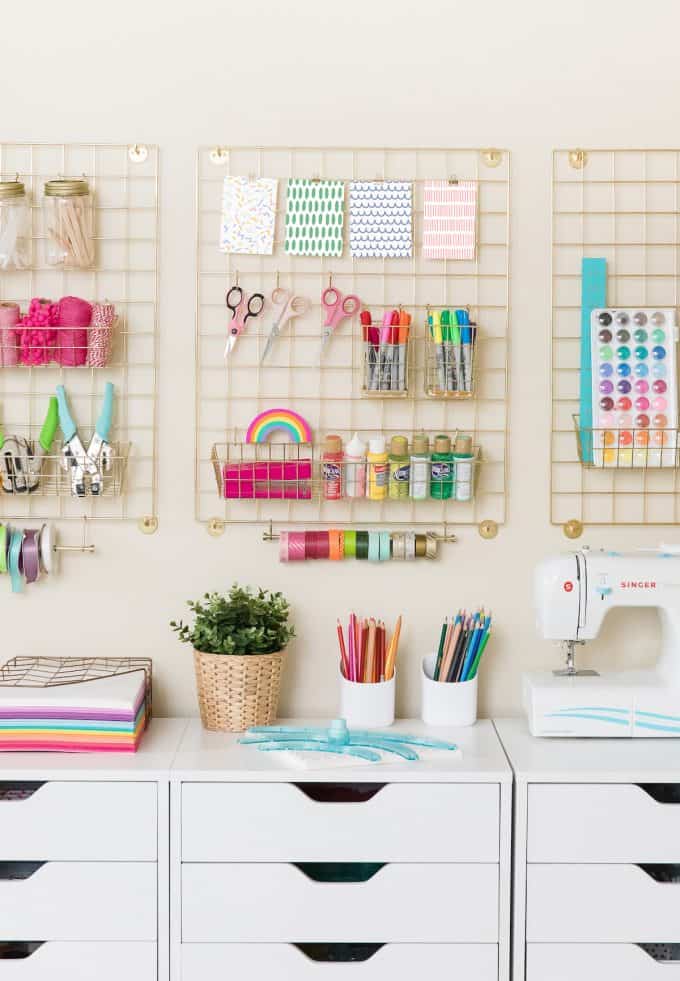
Vertical storage solutions save space and keep your craft room tidy. They make use of walls, freeing up valuable floor area. With the right setup, every tool and supply has its place. This approach works well in small crafting rooms where space is limited.
Pegboards And Hooks
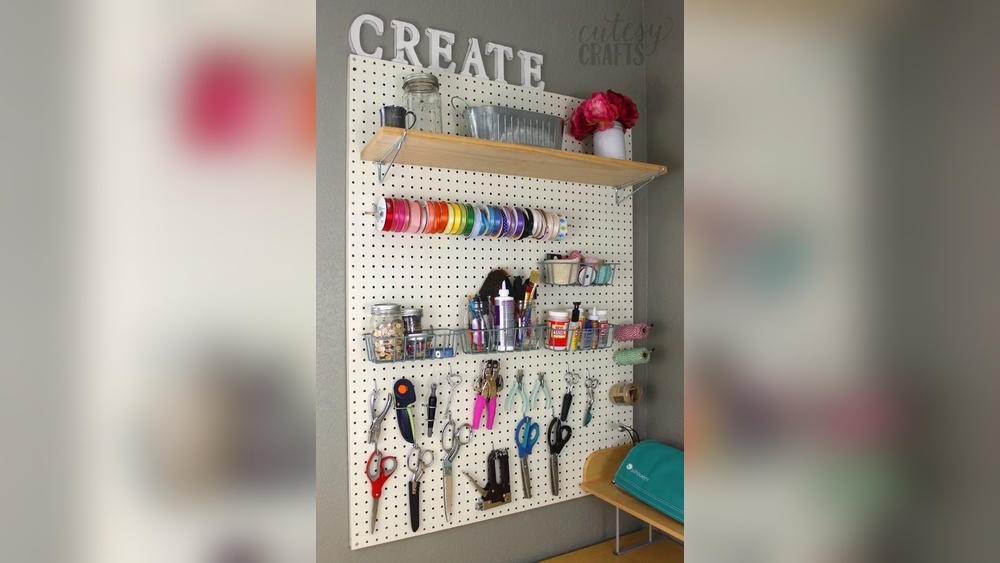
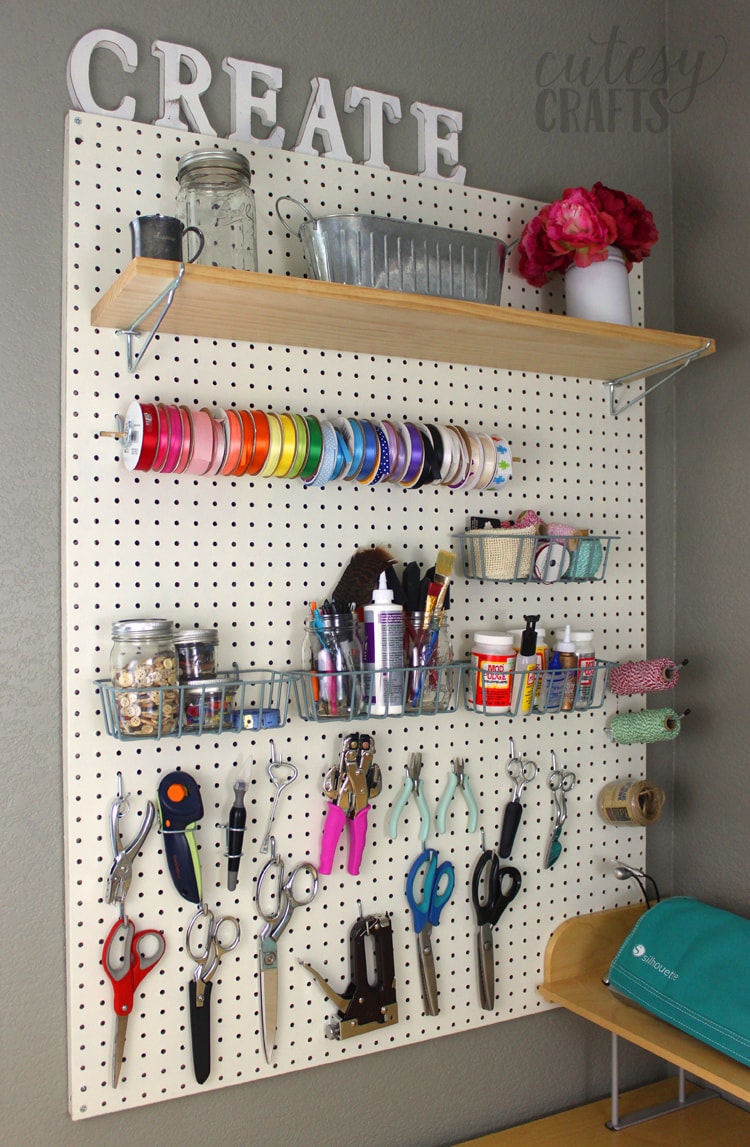
Pegboards offer flexible storage for many craft tools. Hang scissors, rulers, and brushes on hooks for easy access. Rearrange hooks anytime to suit your changing needs. Pegboards keep your workspace clear and tools visible.
Wall Shelves And Cubes
Wall shelves and cubes store bins, paper, and yarn neatly. Use open cubes for quick grabbing or closed shelves to hide clutter. Group supplies by type to stay organized. These shelves use vertical space without crowding your room.
Built-in Cabinets With Doors
Built-in cabinets provide hidden storage to keep your craft room neat. Cabinets with doors hide supplies from view, reducing visual clutter. They offer deep storage for larger items like fabric and paper stacks. Custom cabinets fit perfectly in small spaces.
Smart Container Choices
Choosing the right containers makes a big difference in small craft rooms. Smart container choices help keep supplies tidy and easy to find. They also save space and reduce clutter. Good containers fit well in tight spots and keep items visible. This keeps crafting fun and stress-free.
Clear Plastic Bins
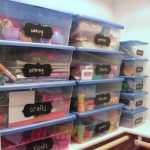
Clear plastic bins show what is inside without opening. They help you spot needed supplies fast. These bins come in many sizes to fit different items. Stack them neatly to use vertical space well. Clear bins keep craft materials dust-free and organized.
Stackable Drawers
Stackable drawers offer multiple compartments in a small footprint. They are perfect for sorting small items like beads or buttons. Drawers slide out easily for quick access. Label each drawer for faster finding. Their stackable design saves room on shelves or tables.
Repurposed Jars And Tins
Repurposed jars and tins add charm and function to your space. Use jars for brushes, pencils, or ribbons. Tins work well for buttons, pins, or small tools. Clean and decorate these containers to match your style. They provide an eco-friendly way to organize craft supplies.
Credit: cutesycrafts.com
Organizing Craft Supplies
Organizing craft supplies is key to a tidy and efficient small crafting room. Keeping everything in order saves time and reduces stress. A well-organized space helps you focus on creativity instead of searching for materials.
Smart organizing starts with sorting supplies. Clear categories make it easier to find what you need fast. Using labels and dividers boosts order and keeps things neat.
Sorting By Category
Group craft supplies by type. For example, keep paints, brushes, and markers in separate piles. Sort fabrics, threads, and ribbons in their own sections. This method reduces clutter and speeds up your work.
Use containers or bins for each category. Transparent boxes help you see contents quickly. Keep frequently used items within easy reach. Store less-used supplies higher or in less accessible spots.
Labeling Systems
Labels clarify where each supply belongs. Use clear, easy-to-read labels on bins, drawers, and shelves. Write labels by hand or print them for a clean look. Consistent labeling keeps your craft room orderly.
Color-coded labels add visual cues. For instance, use blue for paints and red for sewing supplies. This system lets you spot categories quickly. Change or update labels as your supply mix changes.
Using Dividers And Trays
Dividers separate small items like beads, buttons, and pins. Use adjustable dividers inside drawers or boxes. Trays with compartments keep tiny supplies organized and visible. These tools prevent mixing and spilling.
Stackable trays save space and keep your desk tidy. Clear trays allow easy access without digging. Combine trays and dividers to customize storage for your needs. This setup maximizes every inch of your small craft room.
Maximizing Small Corners
Small corners in a craft room often get overlooked. Yet, these tiny spaces can hold great potential. Organizing them well can create more room for crafting tools and materials. Clever use of corners keeps the space tidy and efficient. It helps maintain a clear workspace and inspires creativity. Explore practical ideas to maximize every inch of your small crafting area.
Corner Shelving Units
Corner shelving units fit perfectly into small spaces. They use vertical space to store supplies. Shelves can hold jars, boxes, and small baskets. Open shelves keep items visible and easy to reach. Choose sturdy materials to support craft tools. Adjustable shelves add flexibility for different sized items. This setup frees up table space for projects. It also adds decorative appeal to your craft room.
Compact Workstations
Compact workstations make use of corner areas efficiently. They fit snugly, providing a dedicated spot to work. Look for desks with built-in storage or foldable tops. These workstations keep essential tools close at hand. They reduce clutter by offering drawers and compartments. A comfortable chair fits easily without crowding the room. This design supports long crafting sessions in small spaces.
Multi-purpose Furniture
Multi-purpose furniture offers storage and function in one piece. Examples include ottomans with hidden compartments or benches with shelves. These pieces save space by serving double duty. They provide places to sit, store, and organize supplies. Choose furniture that complements your room style. Lightweight options are easy to move and rearrange. Multi-purpose furniture helps keep small corners neat and useful.

Credit: www.youtube.com
Budget-friendly Ideas
Creating a craft room in a small space can be both fun and affordable. Budget-friendly ideas help maximize your area without spending much. Organizing your supplies smartly keeps your space neat and inspiring. Simple solutions make crafting more enjoyable and efficient.
Diy Storage Projects
Building your own storage saves money and fits your needs. Use inexpensive wood or crates to make shelves and cubbies. Customize containers with paint or labels for easy access. Stackable boxes and jars keep small items tidy and visible. Simple DIY racks can hold scissors, ribbons, and brushes.
Thrifty Finds And Hacks
Secondhand stores offer hidden treasures for craft storage. Look for baskets, tins, and small furniture pieces. Use tension rods under shelves to hang tools or rolls of paper. Repurpose shoe organizers to sort supplies by type or color. Clear containers from dollar stores help see everything at a glance.
Upcycling Household Items
Transform everyday items into useful craft organizers. Old jars make perfect holders for pens and brushes. Use muffin tins to separate beads and buttons. Turn empty cereal boxes into magazine holders or drawer dividers. Tin cans decorated with fabric or paper become stylish storage cups.
Creative Layouts
Creative layouts maximize every inch of a small craft room. Thoughtful design helps separate tasks and materials. This approach keeps the space neat and inspires creativity. Smart layouts balance storage, work areas, and comfort.
Planning the layout carefully can make crafting easier and more enjoyable. It allows for quick access to tools and materials. It also creates a flow that suits how you work. Small spaces benefit from clear zones and flexible furniture.
Zoning Craft Areas
Divide your craft room into zones for different activities. Have a cutting zone, a sewing zone, and a painting zone. This keeps supplies organized and reduces mess. Each zone should have the tools and storage it needs. Zoning helps focus and speeds up projects. Use rugs or furniture placement to mark zones clearly.
Open Vs. Closed Storage
Open storage shows all supplies and adds visual interest. Use shelves, pegboards, and clear bins for easy access. Closed storage hides clutter and protects materials. Cabinets and drawers keep the room tidy and calm. Mix open and closed storage for balance. This approach fits different supplies and personal style.
Incorporating Seating
Comfortable seating is essential in a small craft room. Choose chairs with good support and adjustable height. Consider stools that tuck under tables to save space. Seating near storage areas improves workflow. A small bench with storage underneath adds value. Proper seating keeps you comfortable during long projects.
Maintaining Organization
Keeping a small craft room tidy takes effort every day. Organization helps you find supplies fast. It also makes your space feel larger and more inviting. Simple routines keep clutter away. Regular checks stop mess from building up. These habits save time and stress in your crafting zone.
Daily Clean-up Habits
Spend five minutes each day tidying your craft room. Put tools back in their spots right after use. Wipe down surfaces to remove dust and glue. Sort scraps into bins or trash. Daily care stops clutter from piling up. It keeps your work area ready for your next project.
Seasonal Decluttering
Set a day every few months to clear out old supplies. Check for items you no longer use or need. Donate or recycle what is still good. Toss broken or dried-up materials. Seasonal decluttering frees space and refreshes your room. It helps you focus on current projects.
Rotating Supplies
Keep only what you need at hand. Store extra materials in bins or boxes. Change out supplies based on your projects or seasons. Rotating your items prevents overcrowding. It also reminds you of forgotten craft tools. This practice keeps your space neat and your creativity flowing.
Frequently Asked Questions
What Are The Best Storage Ideas For Small Craft Rooms?
Use vertical shelving, wall-mounted organizers, and stackable bins to maximize space. Clear containers help identify supplies quickly. Multi-functional furniture like rolling carts adds mobility and extra storage.
How Can I Organize Craft Supplies In Limited Space?
Sort supplies by category, use labeled drawers, and keep frequently used items accessible. Utilize pegboards for tools and small items. Declutter regularly to maintain order and avoid overcrowding.
What Furniture Suits A Small Crafting Room?
Choose compact, foldable tables or desks with built-in storage. Rolling carts and stackable storage cubes save floor space. Wall-mounted desks and shelves free up room while providing work surfaces.
How Do I Create An Inspiring Small Craft Room?
Incorporate good lighting, bright colors, and personal decor. Keep the space tidy with organized storage. Use open shelves to display finished projects and motivate creativity.
Conclusion
A small craft room can feel cozy and inspiring. Use shelves, bins, and drawers to keep supplies neat. Vertical storage saves space and keeps tools easy to reach. Clear containers help you find items quickly. Label everything to avoid clutter and save time.
Personal touches make your space inviting and fun. Keep only what you need to stay organized. With smart planning, even small rooms work well for crafting. Enjoy creating in your tidy, well-arranged craft space.