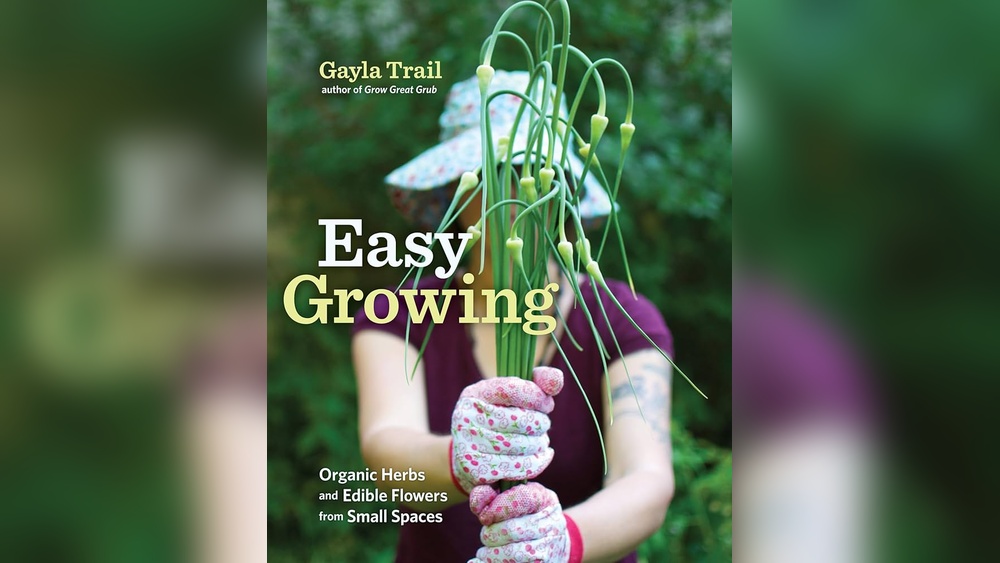

Imagine stepping outside your door or glancing at your windowsill and seeing fresh, vibrant herbs and edible flowers ready to enhance your meals. You don’t need a big garden or fancy tools to grow these natural flavors and colors.
Whether you have a tiny balcony, a small patio, or just a sunny corner inside your home, you can easily nurture organic herbs and edible flowers that bring life to your cooking and joy to your day. In this guide, you’ll discover simple tips and tricks to grow these beautiful plants in even the smallest spaces, making your kitchen garden dreams a reality without the hassle.
Ready to transform your small space into a thriving organic oasis? Let’s get started!
Choosing Small Spaces
Choosing the right small space is key to growing organic herbs and edible flowers successfully. Even limited areas can support a thriving mini garden. Focus on spots that receive enough sunlight and offer easy access for care. Small spaces can be surprisingly versatile and productive with the right plants and containers.
Balconies And Patios
Balconies and patios provide excellent spots for small gardens. They often get direct sunlight, which herbs and flowers need. Use pots, hanging baskets, or vertical planters to maximize space. These areas allow fresh air and easy watering, helping plants grow strong and healthy.
Windowsills And Indoor Spots
Windowsills are perfect for indoor gardening. They catch natural light, especially south-facing ones. Small containers or trays fit well here. Indoor herbs like basil, mint, and chives thrive in these cozy spots. Indoor gardening also protects plants from harsh weather and pests.
Unexpected Cracks And Corners
Small cracks and corners outside your home can host surprising gardens. Herbs like thyme and oregano grow well in tight spaces. These areas often stay warm and dry, ideal for hardy plants. Look for any nook or crevice with some light and try planting there. It’s a clever way to use every inch of space.

Credit: www.ebay.com
Best Organic Herbs
Growing organic herbs in small spaces brings fresh flavors and natural beauty close to home. These herbs thrive with minimal care and fit well on balconies, windowsills, or tiny garden beds. Choosing the right herbs helps ensure success and year-round enjoyment.
Hardy And Drought-tolerant
Hardy herbs survive tough conditions and need little water. Thyme, rosemary, and oregano do well in dry soil and full sun. These herbs are perfect for busy gardeners or hot climates. They stay green and flavorful even in poor soil.
Moisture-loving Varieties
Some herbs prefer moist, rich soil and partial shade. Basil, chives, and mint grow best with regular watering. These plants add bright colors and strong scents to small spaces. Keep their soil damp but not soggy for healthy growth.
Perennial Vs Annual Choices
Perennials come back year after year, saving time and effort. Examples include sage and mint. Annual herbs, like basil and cilantro, live for one season. They need replanting but offer fresh crops all summer. Mix both types for a varied and steady supply.
Top Edible Flowers
Edible flowers bring color, flavor, and nutrition to small-space gardens. They grow well alongside herbs and can brighten any meal. These flowers are easy to cultivate and perfect for beginners. Their beauty and taste make gardening even more rewarding.
Easy To Grow Varieties
Some edible flowers thrive in small spaces and limited sunlight. Nasturtiums are bright and peppery, growing well in containers. Calendula adds a splash of yellow or orange and is simple to care for. Pansies offer mild, sweet flavors and come in many colors. Violas, similar to pansies, are hardy and fast-growing. These varieties need minimal fuss and bloom quickly.
Culinary Uses
Edible flowers add fresh flavor and decoration to dishes. Nasturtiums work well in salads and sandwiches. Calendula petals can brighten soups or rice dishes. Pansies and violas are perfect for garnishing desserts and drinks. Flowers can be candied or frozen in ice cubes. Their subtle flavors enhance many recipes.
Seasonal Bloom Tips
Most edible flowers bloom in spring and summer. Start seeds indoors early to extend the season. Provide good sunlight and regular watering for steady blooms. Deadhead spent flowers to encourage new growth. Some flowers, like calendula, tolerate light frost. Adjust care based on your local climate for best results.

Credit: www.amazon.com
Planting Techniques
Planting techniques are key to growing organic herbs and edible flowers in small spaces. Using the right methods helps plants thrive and produce well. Proper planting ensures healthy roots and better growth even in limited areas. This section covers soil preparation, container selection, and companion planting to guide your small space garden.
Soil Preparation
Good soil is the foundation of healthy plants. Use loose, well-draining soil rich in organic matter. Mix compost or aged manure into your soil to add nutrients. Avoid heavy clay soils that hold too much water. Light, airy soil lets roots grow easily and access oxygen. Check soil pH; herbs usually prefer slightly acidic to neutral soil. Prepare soil by removing weeds and breaking up clumps before planting.
Container Selection
Choosing the right container affects plant health and space use. Pick containers with drainage holes to prevent water buildup. Shallow pots work well for herbs with small root systems. Use lightweight containers like plastic or fabric pots for easy moving. Group small containers together to save space and create microclimates. Consider vertical planters or hanging baskets to maximize limited areas. Clean containers before use to avoid diseases.
Companion Planting
Companion planting improves growth and protects plants naturally. Plant herbs and flowers that help each other nearby. For example, basil repels pests and improves tomato flavor. Marigolds deter harmful insects from many herbs. Pair plants with similar water and light needs to simplify care. Avoid planting herbs that compete for nutrients side by side. Companion planting increases yields and keeps your garden healthy.
Watering And Feeding
Watering and feeding are key to thriving organic herbs and edible flowers. Proper care helps plants grow strong in small spaces. Understanding how to water and feed plants keeps them healthy and productive.
Organic Fertilizers
Organic fertilizers provide natural nutrients to herbs and flowers. Compost, worm castings, and fish emulsion are great choices. These fertilizers improve soil health and boost plant growth gently. Avoid chemical fertilizers to keep your garden truly organic.
Watering Schedules
Set a consistent watering schedule for your plants. Most herbs need water every few days, depending on weather and pot size. Check the soil moisture before watering to avoid dryness or sogginess. Early morning watering helps reduce evaporation and supports plant health.
Avoiding Overwatering
Overwatering can harm roots and cause mold or rot. Ensure containers have good drainage to prevent water buildup. Let the top inch of soil dry before watering again. Watch for yellow leaves or wilting, signs your plants might be too wet.
Pest And Disease Control
Pest and disease control is crucial for healthy herbs and edible flowers. Small spaces can still face challenges from insects and illnesses. Proper care helps plants grow strong and produce more. Organic methods protect your garden and the environment.
Natural Pest Deterrents
Many herbs and flowers naturally repel pests. Planting basil near tomatoes keeps flies away. Marigolds deter harmful nematodes and beetles. Lavender and rosemary smell strong, driving off mosquitoes and moths. Companion planting creates a protective shield without chemicals.
Common Herb And Flower Diseases
Mildew often appears as white powder on leaves. Leaf spot causes brown or black patches. Root rot happens if soil stays too wet. Herbs like mint and oregano can suffer from rust, showing orange spots. Early detection stops spread and saves plants.
Organic Treatment Methods
Neem oil controls many insects and fungi safely. Soap sprays remove soft-bodied pests like aphids. Garlic and chili pepper sprays repel insects naturally. Removing affected leaves prevents disease spread. Good air circulation and clean tools reduce problems too.
Harvesting Tips
Harvesting herbs and edible flowers from small spaces requires care and timing. Proper harvesting keeps plants healthy and boosts flavor. Knowing when and how to pick ensures fresh, tasty additions to your meals. Storing and preserving your harvest helps extend its use beyond the garden.
When To Pick Herbs
Pick herbs early in the morning after dew dries. This is when oils and flavors are strongest. Snip leaves or stems before plants flower for best taste. Use sharp scissors to avoid damaging plants. Regular harvesting encourages new growth and keeps herbs bushy.
Harvesting Edible Flowers
Pick edible flowers just as they open fully. Choose flowers with bright colors and no spots or damage. Harvest in dry weather to avoid mold or rot. Handle flowers gently to keep petals intact. Use flowers soon after picking for the freshest flavor and appearance.
Storage And Preservation
Store fresh herbs in a glass of water or wrap in a damp cloth. Keep them in the fridge for up to a week. Dry herbs by hanging small bunches in a dark, airy place. Freeze herbs in ice cube trays with water or oil. For edible flowers, store in a cool place and use quickly.
Creative Uses In Cooking
Growing organic herbs and edible flowers in small spaces opens up exciting ways to enhance your cooking. These fresh ingredients bring new flavors and colors to everyday dishes. Even limited space can yield a variety of herbs and flowers to experiment with.
Using your homegrown herbs and flowers creatively can transform simple meals into delightful experiences. From infused oils to colorful garnishes, the possibilities are endless. Let’s explore some easy, tasty ideas that add freshness and charm to your kitchen.
Herb-infused Recipes
Fresh herbs add unique flavors to many recipes. Chop basil or thyme into pasta sauces for a burst of taste. Mix chopped chives or parsley into mashed potatoes for extra zest. Use mint or cilantro in salads to brighten flavors instantly.
Try making herb-infused oils by steeping rosemary or oregano in olive oil. Drizzle this oil over grilled vegetables or bread for a simple upgrade. Herb butters, blended with garlic and herbs like tarragon, make a tasty spread or topping.
Flower Garnishes
Edible flowers add a beautiful touch to your dishes. Sprinkle nasturtium or pansy petals on salads for a pop of color. Use violets or calendula petals to decorate cakes and desserts, making them look inviting.
Flowers like borage or chamomile also pair well with cold drinks. Place a few petals in iced tea or lemonade for a pretty, fresh look. Their mild flavors enhance the drink without overpowering it.
Herbal Teas And Infusions
Growing herbs for tea is simple and rewarding. Fresh mint, lemon balm, or chamomile leaves make soothing herbal teas. Steep a handful of leaves in hot water for several minutes and enjoy a calming drink.
Combine different herbs to create your own blends. For example, mix lavender with lemon verbena for a fragrant, relaxing tea. Herbal infusions can also be chilled for refreshing summer beverages.
Troubleshooting Common Issues
Growing organic herbs and edible flowers in small spaces brings joy and fresh flavors. Yet, challenges may arise. Troubleshooting helps keep plants healthy and thriving. Understanding common issues saves time and effort. This guide highlights key problems and solutions.
Growth Problems
Slow growth often signals poor soil or lack of nutrients. Use organic compost to enrich the soil. Check for root crowding in small containers. Repot plants into larger pots if roots look cramped. Yellow leaves usually mean overwatering or poor drainage. Let soil dry out between watering sessions. Some herbs need more sunlight; place them near bright windows or outdoors.
Pest Infestations
Common pests include aphids, spider mites, and whiteflies. These tiny insects suck plant juices and cause damage. Spray plants with a mix of water and mild soap to remove pests. Introduce natural predators like ladybugs if possible. Keep plants clean and remove dead leaves to prevent infestations. Use neem oil as a safe, organic pesticide when needed.
Environmental Challenges
Herbs and flowers suffer from extreme temperatures. Too much heat can dry out leaves quickly. Move plants to shaded areas during hot afternoons. Cold drafts may stunt growth or kill tender plants. Protect them by moving indoors or using covers. Air circulation is important but avoid strong winds. Regularly check humidity and water plants accordingly.
Sustainable Gardening Tips
Sustainable gardening helps you grow herbs and edible flowers with care for the earth. It saves resources, reduces waste, and supports healthy plants. Small spaces can still be green and eco-friendly. Simple habits make a big difference in your garden’s impact.
Seed Saving
Save seeds from your healthiest plants each season. This practice lowers costs and preserves plant varieties. Collect seeds once flowers and herbs dry out. Store them in cool, dry places until next planting. Seed saving builds a self-sustaining garden over time.
Composting Basics
Compost turns kitchen scraps and garden waste into rich soil. It feeds your plants naturally and reduces trash. Start a small compost bin or pile near your garden. Add fruit peels, vegetable scraps, and dry leaves. Turn the pile regularly to speed decomposition.
Water Conservation
Water your herbs and flowers early in the morning or late evening. This reduces evaporation and saves water. Use a watering can instead of a hose for precise watering. Mulch around plants to keep soil moist longer. Collect rainwater for a free and natural supply.

Credit: www.abebooks.com
Frequently Asked Questions
What Are The Easiest Organic Herbs For Small Spaces?
Basil, thyme, chives, and mint are great for small spaces. They require minimal care and grow well in containers or windowsills, making them ideal for organic gardening in limited areas.
How Can I Grow Edible Flowers Indoors Successfully?
Choose flowers like nasturtiums and pansies that thrive indoors. Provide ample sunlight, well-draining soil, and regular watering to ensure healthy growth and vibrant blooms suitable for culinary use.
What Soil Type Suits Organic Herbs And Edible Flowers Best?
Use well-draining, nutrient-rich organic soil with compost mixed in. This promotes healthy root development and supports the growth of herbs and edible flowers in small containers or garden beds.
Can I Grow Herbs And Edible Flowers On A Patio?
Yes, patios are perfect for container gardening. Use pots or raised beds with good drainage, place them in sunny spots, and water regularly for thriving organic herbs and flowers.
Conclusion
Growing organic herbs and edible flowers in small spaces is simple. Even tiny areas can become a lush garden. Fresh flavors and colors brighten your meals daily. These plants need little care and thrive easily. Enjoy gardening without a big yard or much time.
Start small, be patient, and watch your garden grow. Small efforts bring great rewards and joy. Your kitchen garden awaits—give it a try!