
Are toys taking over your limited space and making your home feel cluttered? You’re not alone.
When every square foot counts, finding smart ways to organize toys can feel like a real challenge. But what if you could turn chaos into calm, and make cleanup quick and simple? By using clever storage tricks designed specifically for small spaces, you can create a neat, functional area that both you and your kids will love.
Ready to reclaim your space without sacrificing fun? Let’s dive into easy, practical solutions that will transform how you organize toys in your home.
Credit: www.organizedmom.net
Maximize Vertical Space
Maximizing vertical space helps organize toys in small areas efficiently. Using the walls and tall corners frees up the floor. This method creates more room for play and storage. Vertical storage keeps toys visible and easy to reach. It also helps maintain a neat environment.
Shelving Units
Shelving units fit perfectly against walls or in corners. They provide multiple layers to hold toys of all sizes. Choose adjustable shelves to fit bigger or smaller toys. Open shelves allow kids to find toys quickly. Use baskets on shelves to group small items together.
Stackable Drawers
Stackable drawers save space by building storage upwards. They offer separate compartments for sorting different toys. Clear drawers help identify contents without opening them. Lightweight drawers are easy for kids to pull out. Label each drawer for quick clean-up and organization.
Pegboards
Pegboards create flexible vertical storage for toys and accessories. Hooks and baskets hang on the board to hold various items. Pegboards work well for art supplies and small toys. They can be placed at child height for easy access. This keeps toys off the floor and in order.
Use Storage Containers
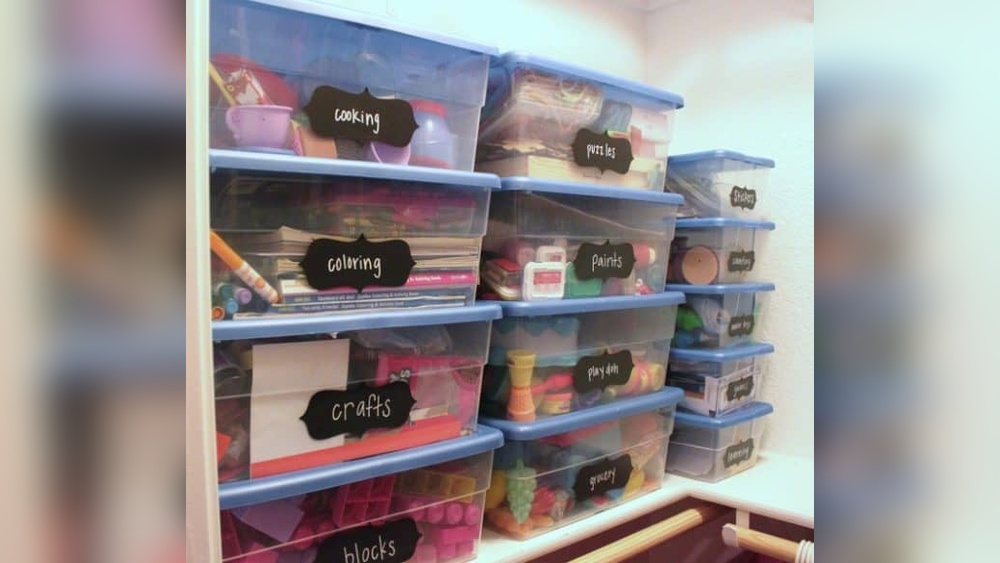
Storage containers help keep toys neat and easy to find. They use space efficiently and protect toys from damage. Containers come in many shapes and sizes, making them perfect for small spaces. Choosing the right container type helps organize different toy categories. Clear containers also allow quick toy spotting, saving time during playtime and cleanup.
Bins And Baskets
Bins and baskets hold many toys in one place. Use them to group similar toys together. Choose stackable bins to save floor space. Open baskets offer quick access to toys. Label bins for easy identification. Wicker baskets add a cozy look to the room. Plastic bins are durable and easy to clean.
Storage Bags
Storage bags are flexible and soft for small spaces. They fit into corners or under furniture. Use clear bags to see the toys inside. Drawstring bags work well for stuffed animals. Vacuum bags can shrink bulky toys for compact storage. Storage bags are light and easy to move around. They keep toys dust-free and organized.
Compartment Trays
Compartment trays separate small toys neatly. Perfect for sorting LEGO pieces or art supplies. Use trays inside drawers or on shelves. They prevent toys from mixing and cluttering. Clear trays make finding toys faster. Some trays stack to save space. Trays with lids keep toys secure during storage.
Creative Storage Solutions
Creative storage solutions make toy organization simple and fun in small spaces. They help keep toys neat and easy to find. Using clever ideas saves space and reduces clutter. Kids learn to tidy up with style.
Closet Organization
Closets offer hidden storage for toys. Add shelves or hanging organizers to use vertical space. Use clear bins to separate different toys for quick access. Label containers with pictures or words to help kids find their toys. Keep frequently used toys at eye level. Store seasonal or less-used toys higher up.
Rolling Carts
Rolling carts add flexible storage to small rooms. They can move from room to room with ease. Use multi-tier carts to store various toy types separately. Label each tier to keep things orderly. Roll carts under tables or beds when not in use. This keeps the room tidy and toys within reach.
Declutter Regularly
Decluttering toys regularly helps keep small spaces tidy and manageable. It prevents clutter build-up and creates more room for play. Regularly sorting toys allows you to focus on what your child truly enjoys. This practice makes cleaning up faster and less stressful for both parents and kids.
Sort And Donate
Start by sorting toys into groups: keep, toss, or donate. Remove broken or unused toys to free up space. Donate toys that are still in good condition but no longer played with. This helps others and reduces clutter in your home. Make sorting a fun activity with your child to teach them about giving.
Limit New Toys
Set a rule to only add a few new toys at a time. This prevents the toy collection from growing too large. Encourage quality over quantity when choosing toys. Explain to children why it is important to keep toys organized and limited. This habit helps maintain order in small spaces over time.
Implement Toy Rotation
Implementing toy rotation helps keep play areas neat and toys interesting. It reduces clutter and makes small spaces feel larger. Kids enjoy toys more when they see them as new and exciting again. Rotating toys also teaches children to appreciate what they have.
Store Extras Out Of Sight
Keep unused toys in bins or boxes. Store them in closets, under beds, or on high shelves. Clear containers work well to see contents without opening. Label each box to find toys quickly. This method frees up space in play areas and lowers mess.
Rotate Toys Weekly
Switch out toys every week to keep playtime fresh. Put some toys away and bring others out. This routine stops children from getting bored. It also limits the number of toys out at once, making cleaning easier. Rotate by categories like puzzles, cars, or dolls for variety.

Credit: mandabio.net
Label Everything
Labeling is key to keeping toys organized in small spaces. Clear labels help children and adults find and return toys quickly. Labels reduce mess by guiding where each toy belongs. This method saves time and keeps the area tidy.
Use Clear Labels
Use labels with simple words or pictures. Clear labels show what goes inside each box or bin. This makes it easy for kids to clean up without asking for help. Labels on transparent containers add extra clarity. Avoid clutter by keeping labels neat and readable.
Color Coding
Assign colors to different toy types. For example, red for cars, blue for blocks, and green for art supplies. Color coding helps kids identify toys fast and sort them properly. Use colored stickers or tape on bins and labels. This adds a fun and visual way to keep toys organized.
Create Defined Play Zones
Creating defined play zones helps keep toys organized and easy to find. It gives each type of toy its own space. Kids learn where things belong and can clean up faster. Small spaces feel less cluttered with clear areas for play. Setting boundaries guides children to use toys properly and respect the space.
Separate Areas By Toy Type
Divide your play area by toy categories. Group puzzles, blocks, dolls, and cars separately. Use bins or shelves labeled for each type. This stops toys from mixing and creates order. Kids enjoy knowing where to get their favorite toys. It also makes tidying up quick and simple.
Use Rugs Or Mats
Place rugs or mats to mark different play zones. Choose colors or patterns to define each area. Rugs make the space cozy and inviting for kids. They help children understand where one play zone ends and another begins. This visual cue keeps toys in their spots and reduces mess.

Credit: www.thekimsixfix.com
Involve Kids In Organization
Involving children in organizing toys creates good habits early. It helps them understand the value of tidiness and responsibility. Kids feel proud when they help put things away. This shared effort makes small spaces feel less cluttered and more manageable. Teaching organization skills also boosts their confidence and independence.
Teach Sorting Skills
Sorting toys by type or size makes cleanup easier. Show kids how to group similar items together. Use clear bins or labeled boxes for each group. Sorting teaches kids to recognize categories and make decisions. This skill helps keep small spaces neat and organized every day.
Make Cleanup Fun
Turn tidying up into a playful activity. Set a timer and challenge kids to finish before it goes off. Play cleanup songs to create a happy mood. Celebrate their efforts with praise or small rewards. Making cleanup fun encourages kids to participate more often and enjoy the process.
Frequently Asked Questions
How Do You Organize Toys In A Small Space?
Maximize vertical space with shelves and stackable drawers. Use clear bins, pegboards, and rolling carts for easy access. Declutter regularly and rotate toys to save space and keep the area organized.
What Is The 20 Toy Rule?
The 20 toy rule limits each child to 20 toys at a time, promoting organization and reducing clutter effectively.
What Is The 10 Toy Rule?
The 10 toy rule limits children to keep only ten toys out at once. It encourages tidiness and easier organization.
What Is The Montessori Approach To Toy Storage?
The Montessori approach to toy storage emphasizes accessible, low shelves and open bins. It promotes independence by allowing children to choose and return toys easily. Toys stay organized and visible, encouraging exploration and responsibility within a tidy, child-friendly environment.
Conclusion
Organizing toys in small spaces takes simple steps and smart choices. Use shelves and stackable bins to save floor space. Clear containers help find toys quickly and keep things neat. Regularly sorting toys keeps clutter under control. Rotate toys to keep playtime fresh and storage light.
Small spaces can feel bigger with good organization. Start with what you have and add solutions that fit your home. A tidy play area makes cleanup easier and more fun. Keep it simple, stay consistent, and enjoy the calm.