
Are you looking for the best way to keep your home canned goods fresh, organized, and easy to find? Proper storage isn’t just about tucking jars away—it can make a big difference in how long your preserves last and how quickly you can access them when you need them.
Whether you have a small collection or a pantry full of homemade jams, pickles, and sauces, knowing the right storage solutions can save you time, protect your food, and even reduce waste. You’ll discover simple, effective tips and creative ideas to store your home canned goods safely and stylishly.
Ready to transform your pantry into a well-organized haven for your delicious creations? Let’s dive in!
Ideal Storage Conditions
Proper storage is key to keeping home canned goods fresh and safe. Ideal storage conditions help maintain flavor, texture, and nutritional value. Several factors affect how well your canned goods last over time.
Temperature And Humidity
Store canned goods in a cool place between 50°F and 70°F. Avoid areas that get too hot or cold, like near ovens or unheated garages. High humidity can cause rust on metal lids and damage seals. Keep the storage area dry to prevent mold and corrosion.
Light Exposure
Light can fade the color and reduce nutrients in canned foods. Use a dark space to protect jars from sunlight and artificial light. A pantry or cupboard away from windows works best. Covering jars with cloth or storing them in opaque containers also helps.
Optimal Locations
Choose a stable spot like a basement, closet, or pantry. Avoid places near heat sources, hot pipes, or uninsulated attics. Keep jars off damp floors by using shelves or pallets. Organize jars so older ones are in front to use first.
:strip_icc()/close-up-cans-white-wire-racks-pantry-4A0-w2Kaq8x83Aarhdkj5w-3a017f16f17f42ac917635e227eda3be.jpg)
Credit: www.bhg.com
Best Storage Practices
Proper storage of home canned goods extends their shelf life and keeps food safe. Follow best storage practices to maintain quality and flavor. Store jars in the right environment and handle them carefully.
Labeling Jars
Label each jar with the food name and canning date. Use waterproof markers or printed labels. Clear labels help you find items quickly and track freshness. Avoid writing directly on lids, as it can rub off.
Sealing And Inspection
Check each jar’s seal before storage. Press the center of the lid; it should not pop up or down. Inspect lids for dents or rust that might break the seal. During storage, watch for bulging lids or leaks as signs of spoilage.
Jar Organization
Store jars upright to protect seals and prevent leaks. Arrange jars so older ones are in front. This “first-in, first-out” method reduces waste. Use sturdy shelves that can hold the weight of many jars safely.
Protection From Damage
Keep jars away from direct sunlight to preserve food quality. Avoid damp areas to prevent rust on lids. Place jars on shelves with lips or edges to stop them from falling. Handle jars gently to avoid cracks or chips.
Handling Canning Bands
Remove canning bands after jars seal tightly. This prevents rust and allows you to check the seal easily. Leave bands on only while processing jars. Store bands separately to reuse with future canning projects.
Diy Storage Solutions
DIY storage solutions offer practical and budget-friendly ways to organize home canned goods. These methods maximize space and keep your jars safe. Easy to create with common materials, DIY options bring order to your pantry or cellar. Each solution suits different spaces and needs, allowing you to customize your storage.
Upcycled Soda Box Organizers
Use empty soda boxes to create simple storage organizers. Cut dividers inside the boxes to hold jars firmly. These boxes keep jars upright and prevent them from knocking into each other. They are lightweight and easy to stack. Paint or cover boxes with decorative paper for a neat look.
Wooden Tiered Racks
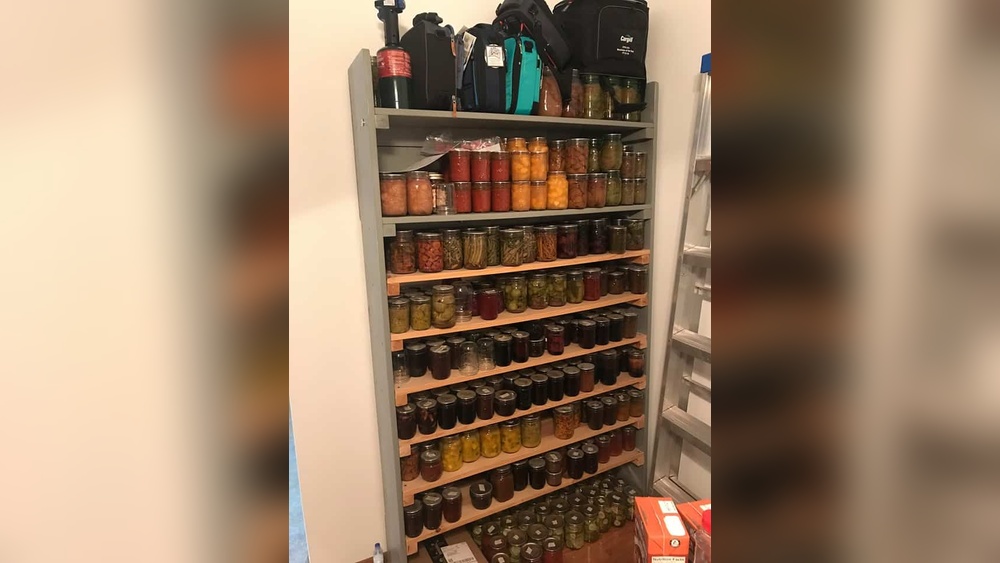
Build tiered racks from scrap wood for better jar visibility. Each tier holds a row of jars, so you can see labels clearly. This design saves shelf space and makes access easier. Stain or paint the wood to match your pantry style. Sturdy racks protect jars from falling.
Wall-mounted Shelves
Wall-mounted shelves free up floor space and keep jars within reach. Install strong brackets and wooden planks on an empty wall. Arrange jars by type or date to find them quickly. These shelves can be placed at any height. They add a rustic charm to your storage area.
Clear Storage Bins
Clear plastic bins are great for grouping canned goods by category. They protect jars from dust and make it easy to spot contents. Choose bins with lids for extra protection. Stack bins safely on shelves or in closets. Labels on bins help maintain organization and quick access.
Maximizing Space
Maximizing space is essential for storing home canned goods safely and efficiently. Proper use of available space helps keep your pantry tidy and accessible. It also protects your jars from damage. Smart storage ideas make it easier to find what you need quickly.
Vertical Storage Ideas
Use tall shelves to stack jars vertically. This saves floor space and keeps jars visible. Clear plastic bins help group jars by type. Stack bins carefully to avoid crushing jars below. Wall-mounted racks can hold jars in a vertical line. This keeps counters free and jars organized.
Rotational Racks
Rotational racks spin to show all canned goods. They allow easy access to every jar without moving others. These racks use space efficiently and keep jars in order. Place the newest cans at the back and older ones in front. This helps with the first-in, first-out system.
Shelf Lip Usage
Shelf lips stop jars from sliding off shelves. Small lips or raised edges keep jars safe. Use adhesive strips or attach wooden slats to create lips. This adds safety especially on deep shelves. Shelf lips also help separate rows of jars for better organization.
Budget-friendly Tips
Storing home canned goods does not have to be costly. You can use simple, budget-friendly ideas to keep your jars safe and organized. These tips help you save money and make your storage space more efficient.
Creative Reuse Of Materials
Look around your home for items you can reuse. Old crates, wooden pallets, or even cardboard boxes make great storage containers. Clean them well and stack jars carefully inside. This method reduces waste and keeps your cans in order. Using what you already have is smart and cheap.
Simple Labeling Methods
Labeling jars helps you find foods quickly. Use masking tape or paper tags to write the content and date. A permanent marker works well and lasts a long time. Stick the labels on the lids or sides of jars. Clear labels save time and prevent confusion.
Affordable Shelving Options
Look for secondhand shelves at thrift stores or online markets. Metal or wooden shelves are sturdy and hold many jars. You can also build your own shelves with inexpensive wood planks and brackets. Wall-mounted shelves save floor space and keep jars easy to reach.

Credit: www.home-storage-solutions-101.com
Common Storage Mistakes
Storing home canned goods properly is key to keeping food safe and tasty. Many people make simple mistakes that can spoil their hard work. Understanding common storage errors helps protect your jars and their contents. Avoiding these errors keeps your canned goods fresh longer and reduces waste.
Avoiding Heat Sources
Heat damages canned food quickly. Avoid storing jars near ovens, heaters, or direct sunlight. High temperatures cause jars to lose their seal. This leads to spoilage and unsafe food. Choose cool places like basements or pantries for storage. Keep canned goods away from hot pipes or appliances.
Preventing Moisture Damage
Moisture causes rust on metal lids and breaks seals. Do not store jars on damp floors or walls. Use shelves to keep jars off concrete or wet surfaces. A dry environment stops rust and mold growth. Check your storage area for leaks or humidity. Proper ventilation helps reduce moisture buildup.
Ignoring Seal Checks
Always check jar seals before and during storage. A broken seal lets air and bacteria inside. This spoils the food and risks health. Press down on lids to test if they are tight. Look for bulging lids or leaks as warning signs. Discard any jars with broken seals immediately.
:max_bytes(150000):strip_icc()/265589197_585590976030006_4067302895385036514_n-91c5c3a30bc446f0b94e759a610d01fa.jpg)
Credit: www.thespruce.com
Frequently Asked Questions
What Is The Best Way To Store Home Canned Goods?
Store home canned goods in a cool, dark, and dry place. Keep jars upright, label them clearly, and check seals regularly. Avoid heat sources and moisture to maintain food quality and safety.
How To Organize Canned Goods Diy?
Use labeled jars and store them upright on tiered shelves or clear bins. Arrange by date for easy rotation. Keep in a cool, dry, dark place to maintain freshness. Remove metal bands after sealing to prevent false seals. DIY racks from wood or upcycled boxes offer organized, accessible storage.
Can You Eat 20 Year Old Canned Goods?
Eating 20-year-old canned goods risks foodborne illness due to spoilage or seal failure. Check for bulging lids, leaks, or rust. Discard if any signs of damage or off-odor appear. Generally, canned goods last 1-5 years for best quality and safety.
How Long Will Homemade Canned Foods Last?
Homemade canned foods last about 1 to 2 years when stored in a cool, dark, and dry place. Always check seals and appearance before use.
Conclusion
Storing home canned goods correctly keeps food fresh and safe. Choose a cool, dark, and dry spot for storage. Always label jars with dates and contents for easy tracking. Keep jars upright to protect seals and prevent leaks. Organize jars by date so you use older items first.
Check seals regularly to catch spoilage early. With simple steps, your canned goods last longer and stay tasty. Proper storage saves money and reduces food waste at home.