
Struggling to keep your small space neat and clutter-free? You’re not alone.
When every inch counts, organizing can feel like a puzzle with missing pieces. But what if you could transform your cramped corners into a calm, functional haven? This guide will show you simple, smart ideas that make the most of your space—without expensive renovations or bulky furniture.
From clever storage hacks to easy decluttering tips, you’ll discover how to create room to breathe and live better. Ready to unlock the full potential of your small space? Let’s dive in!
:strip_icc()/craft-storage-closet-organization-6d9AXrqx4EPAky8ExbZCrP-0f4c86aa2f5e44bdb4810879906176cf.jpg)
Credit: www.bhg.com
Declutter First
Decluttering is the first step to organizing small spaces. Clearing out clutter frees up room and makes organizing easier. Without excess items, every storage solution works better. Start by removing things you no longer need or use.
Focus on making your space simple and functional. A clutter-free area feels larger and more peaceful. This process helps you see what you really have and what you can keep.
Start Small
Begin decluttering with a small area like a drawer or shelf. Completing a small task gives a quick win and motivation. Sort items into keep, donate, and throw away piles. Small steps lead to big changes over time.
Digitize Documents
Paper clutter takes up valuable space. Scan important documents and save them digitally. This reduces piles of papers and makes finding files easier. Use cloud storage or an external drive to keep them safe and organized.
Adopt One In, One Out
Keep clutter from building up by removing one item for each new one brought in. This habit controls the number of belongings. It helps maintain balance and prevents overcrowding in small spaces.
Avoid ‘just In Case’ Items
Items kept for “just in case” rarely get used. They take up space that could be better used. Be honest about what you truly need. Let go of things that have no clear purpose or use.
Use Vertical Space
Using vertical space is a smart way to organize small areas. Walls and doors offer extra storage without taking floor space. This method keeps rooms tidy and items easy to find. It also opens up your living space, making it feel larger.
Install Shelves And Pegboards
Shelves add storage above eye level. Use floating shelves for books, plants, or decor. Pegboards hold tools, kitchen utensils, or craft supplies. Arrange hooks and baskets for small items. Both options free up counters and floors.
Hang Items On Doors
Doors are often unused spots for storage. Hang shoe racks or organizers on the back of doors. Use hooks for bags, scarves, or cleaning tools. This keeps clutter off surfaces and within easy reach.
Maximize Closet Storage
Closets benefit from vertical storage ideas too. Add extra shelves above hanging rods. Use hanging organizers for shoes or accessories. Stack clear bins for seasonal clothes. These tricks use space from floor to ceiling well.
Utilize Hidden Spaces
Hidden spaces offer great storage options in small rooms. Using these often-overlooked areas helps keep your space tidy and open. Clever storage in hidden spots frees up visible areas for daily use.
Simple ideas can transform unused corners into practical storage. Below are some easy ways to use hidden spaces effectively.
Under-bed Storage
The space under your bed is perfect for storing items. Use flat containers or rolling bins to keep things organized. Store seasonal clothes, shoes, or extra bedding here. This keeps clutter out of sight but easy to access.
Choose containers with lids to protect your items from dust. Clear bins help you find what you need quickly. Bed risers can create extra height for larger storage boxes. This method uses space that usually remains empty.
Behind Furniture
Spaces behind sofas, dressers, or desks often go unused. Slim shelves or rolling carts fit well in these narrow gaps. Store books, magazines, or small household items here. This hides clutter but keeps items within reach.
Attach hooks or pockets to the back of furniture for extra storage. Use this space for remote controls, chargers, or keys. This trick keeps surfaces clean and organized.
Inside Multi-use Furniture
Furniture that doubles as storage saves space and adds function. Ottomans or benches with hidden compartments store blankets or toys. Beds with built-in drawers hold clothes or linens.
Look for coffee tables or desks with shelves underneath. These provide storage without adding extra pieces. Multi-use furniture helps keep your room open and less crowded.
:strip_icc()/cubby-storage-bins-cabinet-3ymwhSAWq0bAYqDUCqATFB-55faa8ba46394cfbb5a5480381ab6008.jpg)
Credit: www.bhg.com
Choose Smart Furniture
Choosing smart furniture is key to organizing small spaces effectively. It helps save room and keeps your area tidy. Select pieces that do more than one job to maximize every inch. Smart furniture can fit your lifestyle and space needs perfectly.
Multifunctional Pieces
Multifunctional furniture serves more than one purpose. For example, a sofa bed acts as seating and a guest bed. Ottomans with storage hold blankets or toys inside. Tables with shelves underneath keep books or magazines. These pieces reduce clutter and free up space.
Modular And Mobile Options
Modular furniture lets you arrange parts in many ways. You can add or remove sections as needed. Mobile furniture on wheels moves easily from room to room. This flexibility adapts your space for different tasks. It also makes cleaning and rearranging simple.
Fold-away Furniture
Fold-away furniture saves space by tucking away when not in use. Wall-mounted desks fold up to clear floor space. Folding chairs stack neatly without taking much room. Murphy beds fold into walls, freeing up the bedroom during the day. These options keep your small space open and usable.
Creative Storage Solutions
Creative storage solutions turn small spaces into organized, functional areas. They help keep items tidy and easy to find. Using smart storage ideas also maximizes every inch available.
These solutions are simple and affordable. They fit into different rooms like kitchens, bedrooms, or offices. The key is to choose the right tools and place them smartly.
Use Bins And Containers
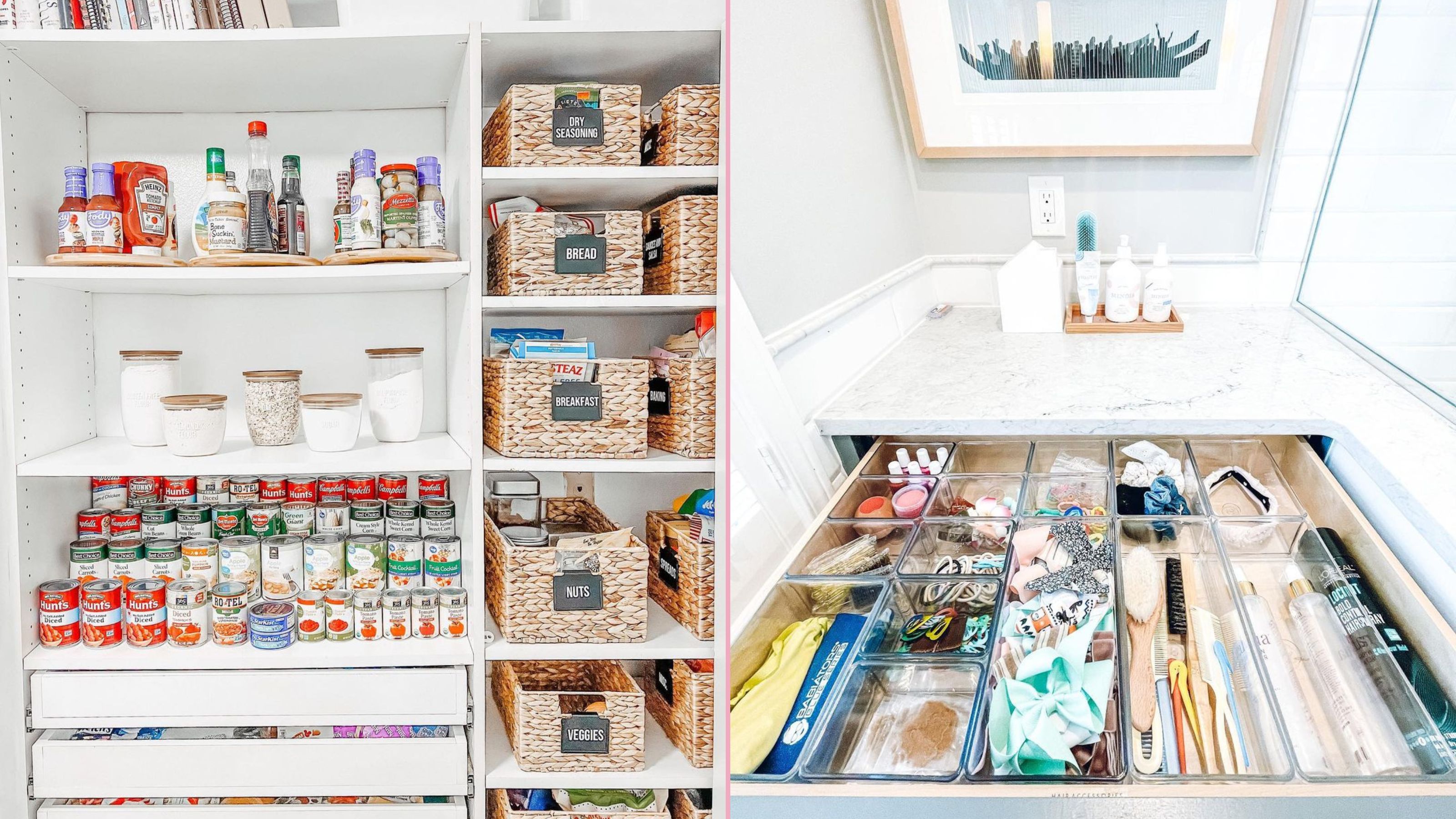
Bins and containers store items neatly and save space. Clear bins help you see what’s inside quickly. Label them for easy identification. Stackable containers make use of vertical space well. They keep clutter off the floor and surfaces.
Add Drawer Dividers
Drawer dividers separate items and prevent mess. They keep small things like socks, utensils, or office supplies in place. Dividers make drawers easier to organize and clean. Adjustable dividers fit any drawer size. This simple addition improves storage efficiency greatly.
Magnetic And Hanging Organizers
Magnetic organizers stick to metal surfaces for quick access. They hold tools, spices, or office supplies. Hanging organizers use wall or door space well. They can store shoes, accessories, or cleaning supplies. Both types free up shelf and drawer space. They keep important items visible and reachable.
Credit: www.realhomes.com
Zone Your Space
Zone your space to make small rooms feel larger and more useful. Dividing areas by activity helps keep things neat and clear. It also guides how you use each part of the room. This method creates order and improves flow in tight spaces.
Separate Areas By Function
Assign specific tasks to different parts of your room. For example, set one corner for reading and another for relaxing. Use rugs or furniture to mark these zones clearly. This separation helps prevent clutter and keeps items where they belong.
Define Entry And Hallway Zones
Make your entryway inviting by creating a small storage spot. Use hooks, shelves, or a bench with baskets. This keeps shoes, keys, and bags organized. Hallways can hold slim shelves or hooks for coats and hats. These zones reduce mess and make daily routines easier.
Create Dedicated Workspaces
Designate a quiet spot for work or study. Use a small desk or wall-mounted table to save space. Add storage boxes or shelves for supplies. A clear workspace boosts focus and separates work from relaxation areas. This setup works well in shared or multi-use rooms.
Maintain Regularly
Keeping a small space organized requires regular attention. It is not a one-time task but a continuous habit. Small spaces fill up quickly, making maintenance essential. Regular upkeep prevents clutter from piling up. It also helps keep your home feeling open and calm. Here are some simple ways to maintain your small space effectively.
Frequent Decluttering
Set aside time each week to remove unnecessary items. Get rid of things you no longer use or need. This keeps your space from becoming crowded. Decluttering often stops messes from building up fast. It also makes cleaning easier and faster.
Seasonal Reorganization
Change how you organize your space with each season. Store off-season clothes and items out of sight. Rotate items to keep only what you use nearby. This frees up room and keeps things fresh. Seasonal shifts help you see what you really need.
Simplify Incoming Items
Be careful about what you bring into your home. Avoid buying things that add clutter. Choose quality over quantity to keep possessions manageable. Think twice before accepting gifts or free items. Simplifying what enters your space reduces future mess.
Frequently Asked Questions
How To Organize Things In A Small Space?
Declutter regularly and sort items by necessity. Use vertical and hidden spaces like walls and under beds. Choose multifunctional furniture with storage. Organize by zones and keep floors clear. Prioritize what you keep to maintain a tidy, efficient small space.
What Is The Golden Rule Of Organizing?
The golden rule of organizing is to keep only what is best, favorite, and necessary. Declutter regularly to create more space.
How To Organize When You Don’t Have Enough Space?
Declutter regularly and keep only essentials. Use vertical space with shelves and hooks. Choose multifunctional furniture with storage. Utilize hidden areas like under beds and backs of doors. Organize items in bins and containers to maximize limited space efficiently.
How To Make A Small Space Look Less Cluttered?
Declutter regularly and keep only essentials. Use vertical storage like shelves and hooks. Choose multifunctional furniture with hidden storage. Maximize closet and under-bed spaces. Avoid overfilling surfaces to keep the area neat and open.
Conclusion
Small spaces can feel cozy and functional with smart organizing. Focus on decluttering first to create room and peace. Use vertical space well by adding shelves or hooks. Choose furniture that stores items or folds away easily. Keep only what you truly need and use often.
Organizing bit by bit makes the task easier and less stressful. These ideas help you enjoy a tidy, comfortable home every day. Simple changes can make a big difference in small spaces.